How to Verify If Your Plastic Bottle Is Actually Recyclable


A recycling symbol does not automatically mean a plastic bottle will be recycled.
The number inside the triangle is a resin identification code created to help manufacturers identify plastic type. It was not designed to guarantee recyclability. Whether a bottle is truly recyclable depends on resin type, design choices, local collection systems, and end market demand.
If you want to verify whether your plastic bottle is actually recyclable, use the cues below.
Start With the Resin Code
There are seven standard plastic categories.
In most U.S. recycling systems, Code 1 PET and Code 2 HDPE are the most widely accepted. These resins dominate collection streams and are the primary sources of post consumer recycled material.
Codes 3 PVC, 6 PS, and 7 Other are rarely accepted in curbside systems. Code 5 PP is increasingly recyclable, but acceptance varies by municipality.
If your bottle is PET or HDPE, it has a strong foundation for recyclability. If it falls outside those categories, verification becomes more complex.
Confirm Local Acceptance
Recyclability is local.
Each municipality decides what materials it can collect and process based on equipment, contracts, and market demand. A PET bottle may be recyclable in one city but rejected in another due to format or contamination concerns.
Verification requires checking the accepted materials list for your key markets. If your customers cannot place the bottle in their curbside bin, it is not meaningfully recyclable from their perspective.
Evaluate Bottle Color and Detectability
Sorting facilities rely on optical scanners.
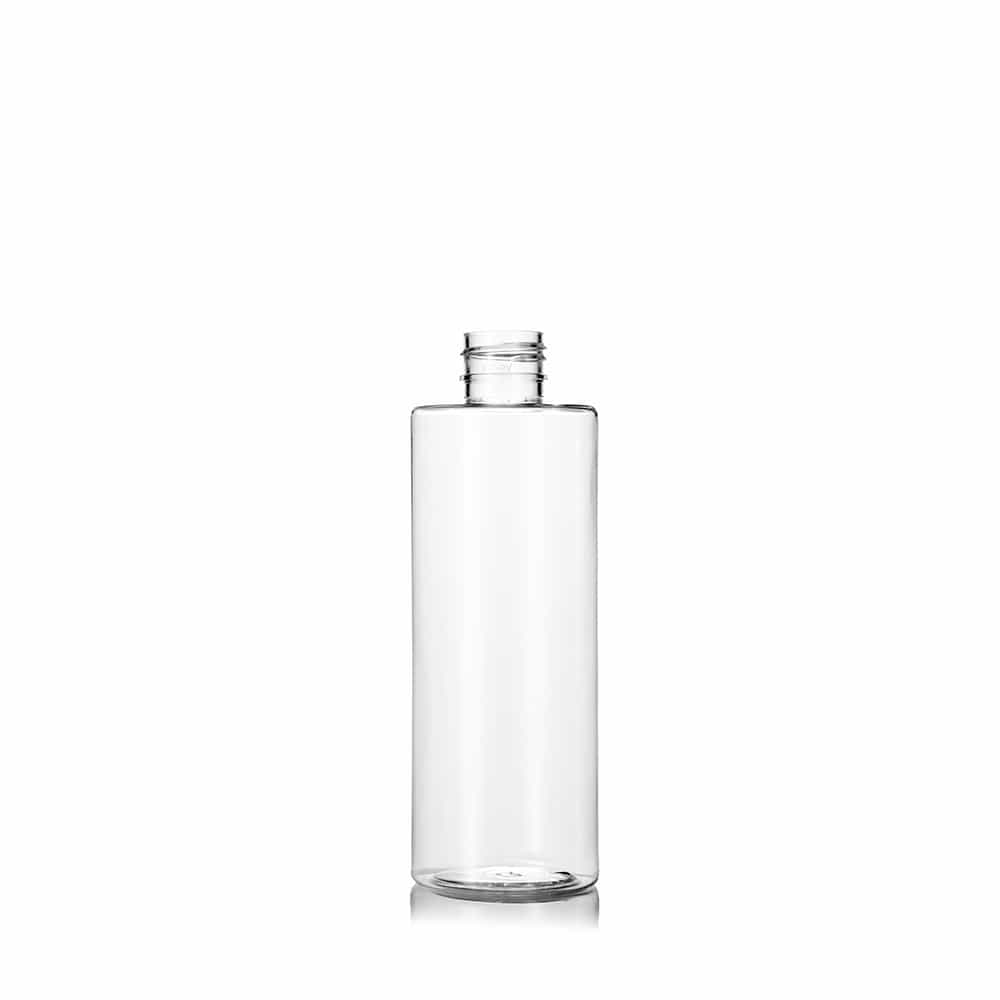
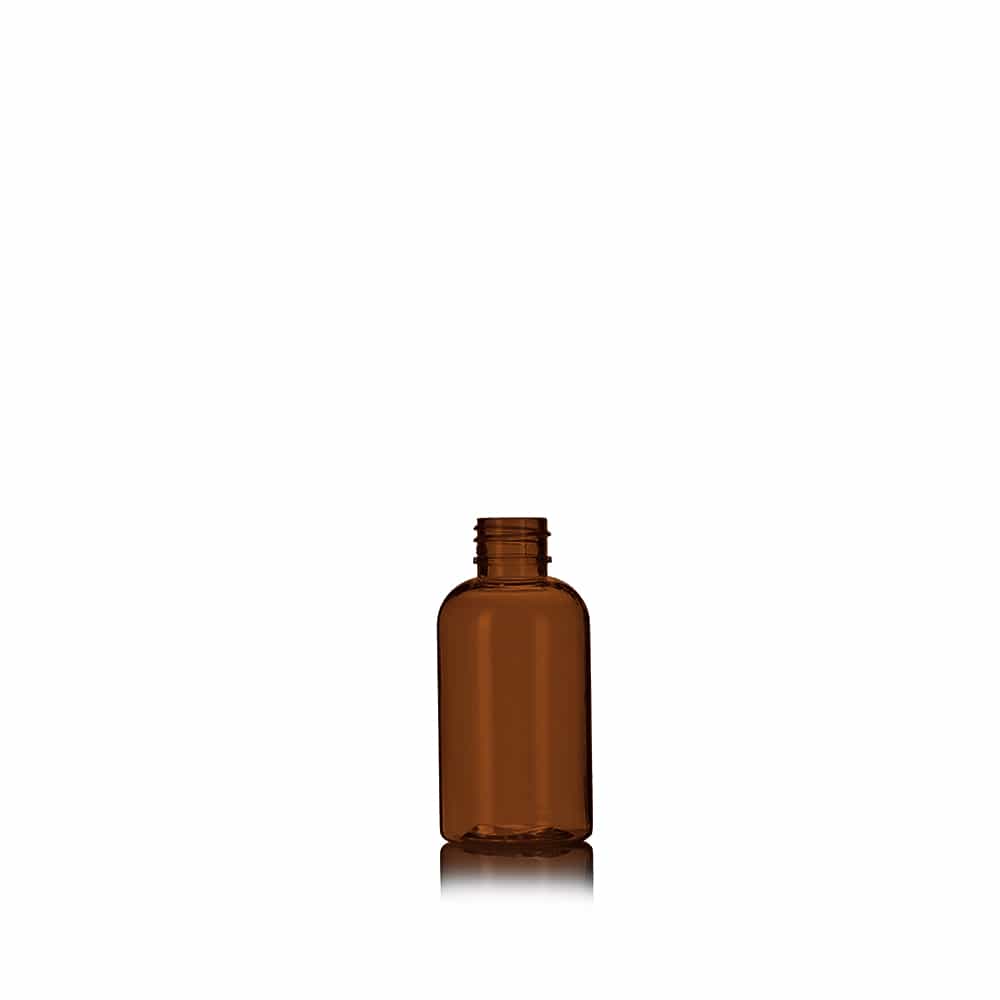
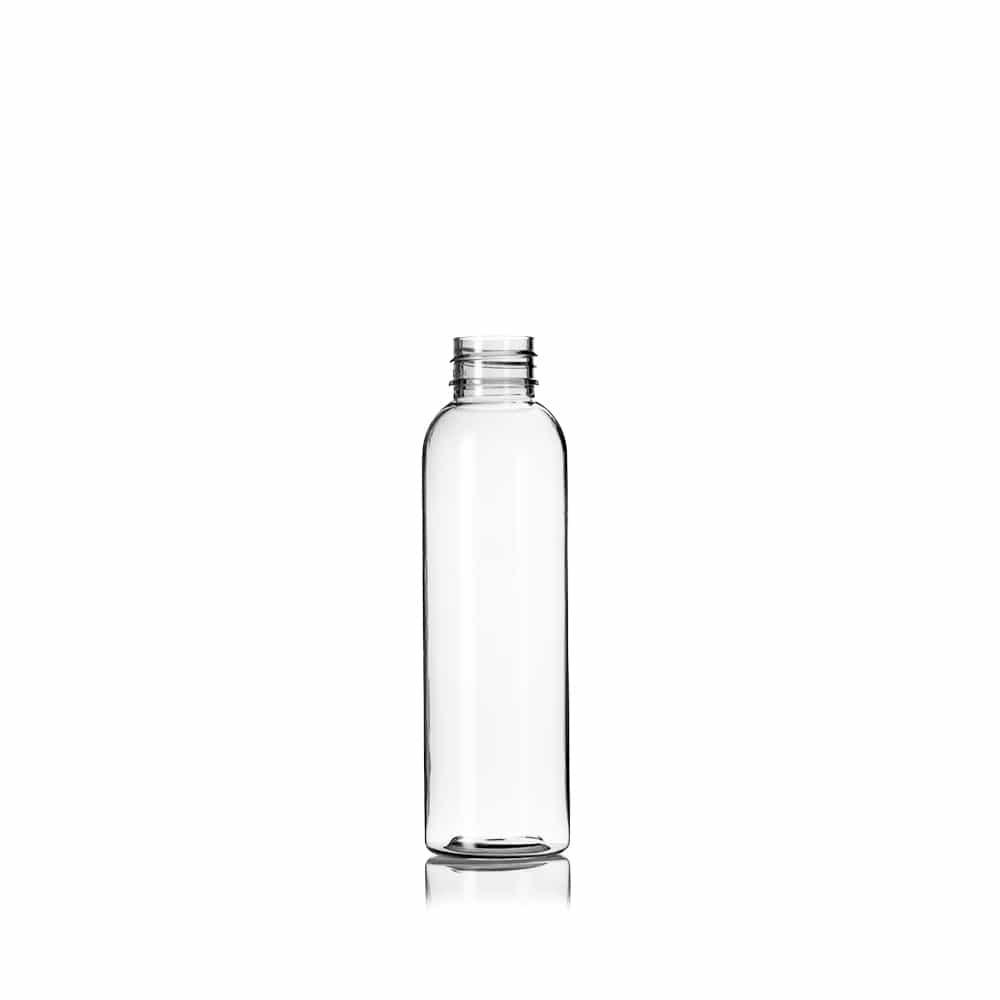
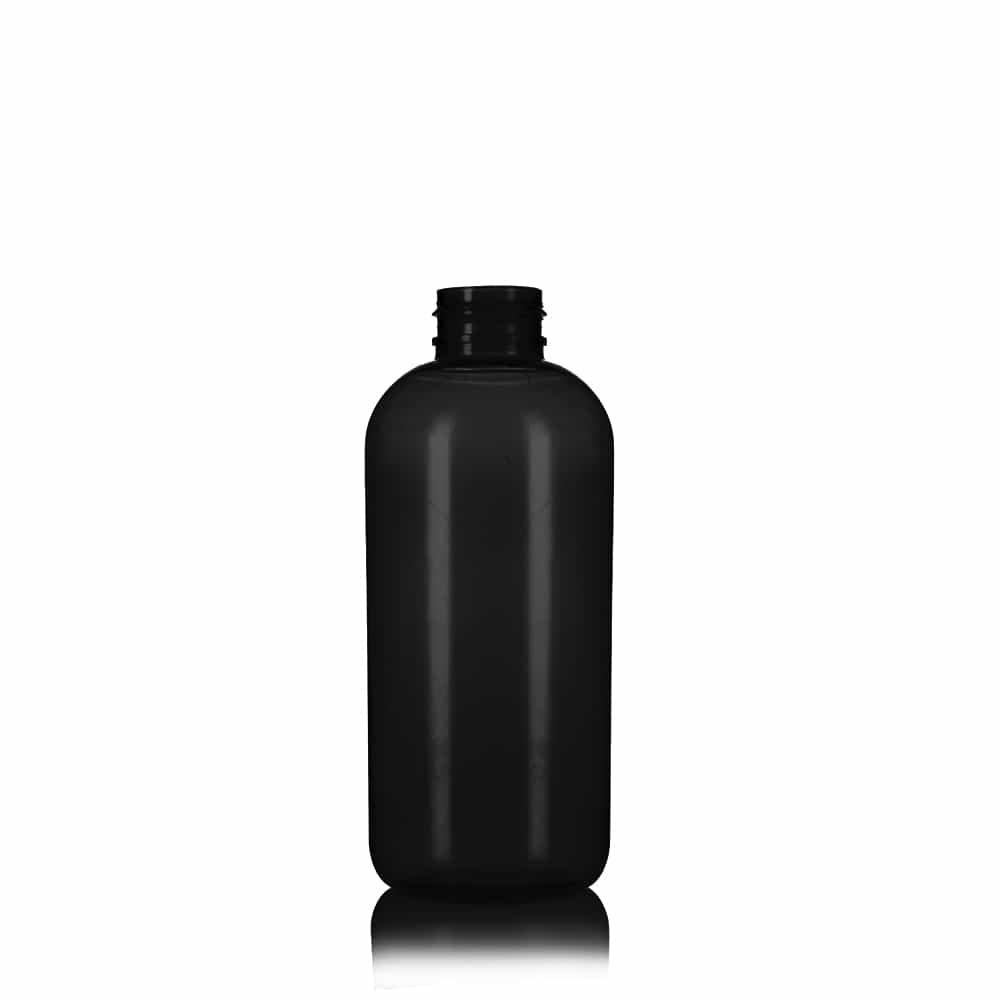
Clear and light colored PET bottles are easiest to detect and sort. Dark pigments, especially carbon black, can make bottles invisible to sorting equipment.
If a bottle cannot be properly identified by scanners, it may be diverted to landfill even if the resin itself is technically recyclable.
Color is not just a branding choice. It affects recoverability.
Inspect the Label and Sleeve Design
Full body shrink sleeves are a common failure point.
If the sleeve covers the entire bottle and does not separate during processing, sorting equipment may misidentify the bottle or reject it.
Labels made from incompatible materials or using problematic adhesives can contaminate recycling streams.
A recyclable bottle should have label materials compatible with the base resin or allow easy separation during reprocessing.
Examine the Cap and Closure System
Caps are usually made from a different plastic than the bottle.
In PET recycling, PP caps typically float while PET sinks, allowing separation. This system works when the cap is easily removable and not permanently fused.
Complex pumps and sprayers often contain multiple materials, including metal springs and mixed plastics. These assemblies are rarely recyclable in standard curbside programs.
If your bottle includes a pump, it may not be recyclable as a complete unit.
Avoid Multi Material Assemblies
The more materials combined into a single unit, the harder it is to recycle.
Metal components, silicone valves, heavy metallization, and glued inserts reduce recyclability.
Mono material systems perform better in recycling streams because they are easier to sort and process.
Check PCR Market Availability
One indirect way to verify recyclability is to assess PCR availability.
If high quality PCR resin exists at scale for your bottle type, that usually indicates strong collection and reprocessing infrastructure.
PET and HDPE have abundant PCR supply because they are widely collected. Materials with limited PCR markets often lack reliable recycling systems.
Common Misconceptions
A recycling symbol does not guarantee local acceptance.
A bottle made from recyclable resin can still fail due to design.
All plastics are not equally recyclable.
Recyclability depends on infrastructure, not intent.
Practical Verification Checklist
A plastic bottle is more likely recyclable if:
- It is made from PET Code 1 or HDPE Code 2
- It is clear or lightly tinted
- It avoids carbon black pigmentation
- It uses compatible labels and adhesives
- It has a simple screw cap instead of a pump
- It is accepted in your target markets
- It has a stable PCR supply stream
If several of these conditions are not met, the bottle may not be recyclable in practice.
Why This Matters for Brands
Recyclability claims are increasingly scrutinized by regulators and consumers.
Making claims without verifying infrastructure, design compatibility, and access creates legal and reputational risk.
True recyclability requires alignment between material, design, collection systems, and end markets.
How ProPacks Approaches Recyclable Bottle Design
At ProPacks.net, recyclability is evaluated at the component level. We focus on PET and HDPE bottle systems with established recycling infrastructure and PCR integration pathways. We review label compatibility, closure separation, color selection, and material composition before positioning a bottle as recyclable.
If you are unsure whether your plastic bottle design aligns with real world recycling systems, we can help assess resin choice, labeling, closure design, and PCR feasibility to ensure your sustainability claims are backed by engineering reality.
Recyclability is not defined by a symbol. It is defined by performance in the recovery system.
Frequently asked questions
Does the recycling symbol guarantee recyclability?+
No. The symbol identifies the resin type, not whether it is accepted locally.
Which plastic bottles are most widely recyclable?+
PET Code 1 and HDPE Code 2 are the most consistently accepted in curbside programs.
Does bottle color matter?+
Yes. Clear and light colored bottles are easier to sort. Black or heavily pigmented bottles may not be detected properly.
Are pumps and sprayers recyclable?+
Usually not. Most are multi material assemblies and are not accepted in standard curbside systems.
Does local recycling acceptance matter?+
Yes. A bottle is only recyclable if your customers have access to a program that accepts it.
Is PCR availability a good indicator of recyclability?+
Generally yes. Strong PCR supply usually means strong collection and processing infrastructure.

Written by
Queenie FongQueenie Fong is the founder of Propack Solutions, a woman-owned sustainable packaging company based in Ontario, CA. With nearly a decade of experience in the packaging industry, she specializes in post-consumer recycled (PCR) materials, helping brands source rPET, PCR HDPE, and PCR PP packaging that meets regulatory requirements and sustainability goals.