SPC Impact 2026: What the Nashville Conference Means for Your PCR Packaging Strategy


The main takeaway from SPC Impact 2026 in Nashville is simple: PCR packaging is no longer just about marketing. The conversation has shifted from aspirational sustainability goals to practical supply chain requirements.
Producer Responsibility Laws Are Expanding Beyond California
California’s SB 54 has long been the primary driver of recycled content mandates in the United States, but it is no longer an outlier. The discussions at SPC Impact 2026 confirmed that similar legal frameworks are spreading rapidly. States like Oregon, Colorado, and Maine have already passed their own Extended Producer Responsibility (EPR) laws, and a dozen more have similar legislation pending. These laws fundamentally alter the financial and logistical equation of packaging waste, shifting the burden from municipalities directly onto the brands that produce it.
EPR laws require producers to join and fund a Producer Responsibility Organization (PRO). The PRO then manages collection, sorting, and recycling of packaging materials those producers put on the market.
The most practical path: build a supply chain that meets the 50% PCR target set by SB 54 for 2030. If you meet the strictest standard now, you are already compliant as other states follow.
Supply Chain Verification Is Now Non-Negotiable
The conference made it clear that making sustainability claims is not the same as proving them. With regulators like the Federal Trade Commission (FTC) scrutinizing environmental marketing under its "Green Guides," brands can no longer afford ambiguity. Vague terms like "eco friendly" or "green" are actively discouraged and can attract legal challenges. Stating that a bottle contains PCR content is insufficient. You must be able to provide verifiable, auditable proof of recycled content claims or risk legal action, financial penalties, and severe damage to consumer trust.
From Claims to Certification
Third party certifications are the most defensible proof. Standards like the Global Recycled Standard (GRS) track recycled materials from the recycler through to the finished product.
How to Vet Your PCR Supplier
A credible supplier must provide clear, unambiguous documentation for its PCR materials. A verbal assurance is not enough. A robust vetting process should include several key steps:
- Request Current Certifications: Ask for the supplier's GRS or ISCC PLUS scope certificate. Ensure it is not expired and that it covers the specific material type you are purchasing, such as rPET or rHDPE.
- Confirm Lot Traceability: Inquire about their process for ensuring lot-to-lot consistency and traceability. They should be able to link a specific production run of your packaging back to the certified PCR resin batch it was made from.
- Evaluate Their Own Sourcing: Ask where they procure their PCR resin. A responsible supplier will have its own rigorous vetting process for its raw material providers, ensuring the integrity of the supply chain starts at the source.
Propacks specifies the recycled content percentage on every product and provides supplier documentation and certifications to back your claims.
Material Quality and Aesthetics Have Reached Parity with Virgin Plastic
A common objection to PCR has been aesthetic compromises: off colors, black specks, reduced clarity. The material science presented at SPC Impact 2026 shows these concerns are increasingly outdated.
Modern recycling facilities use optical sorters that separate plastics by polymer type and color with high precision. Better washing and pelletizing produce recycled resin that meets stringent quality standards.
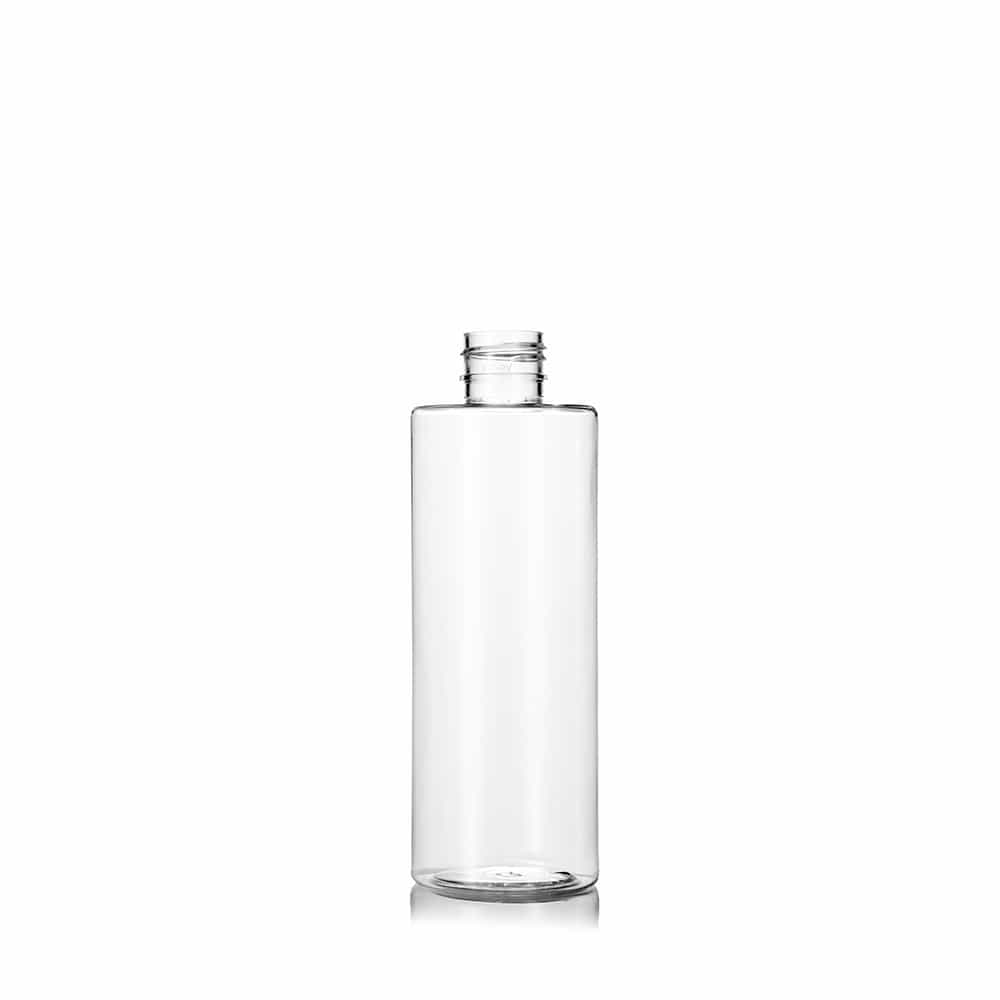
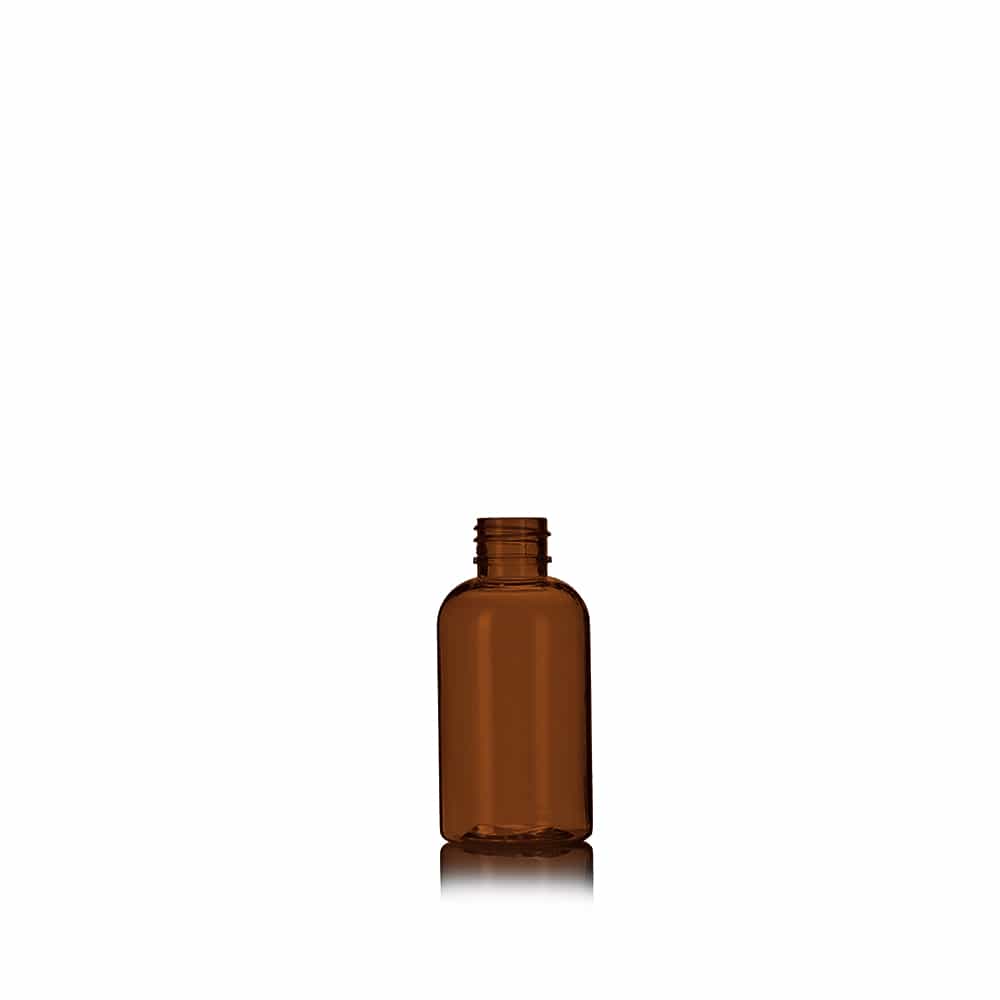
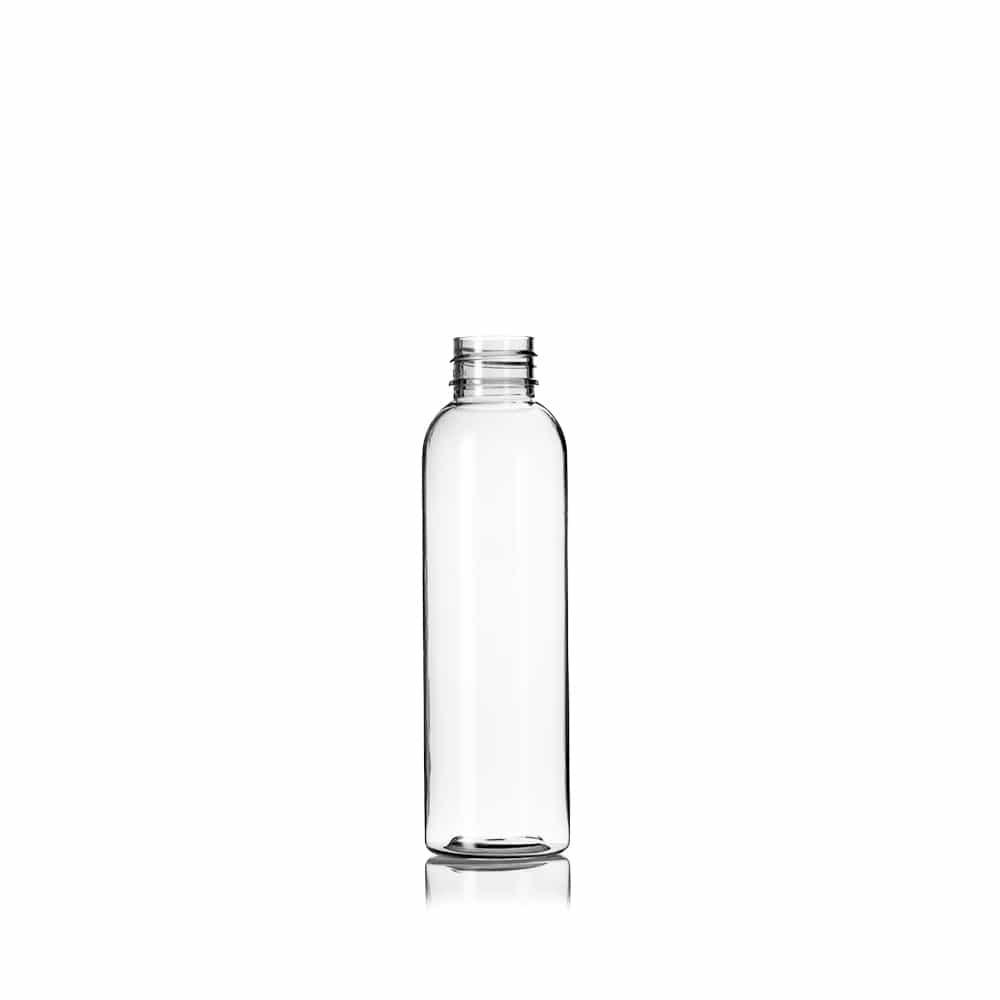
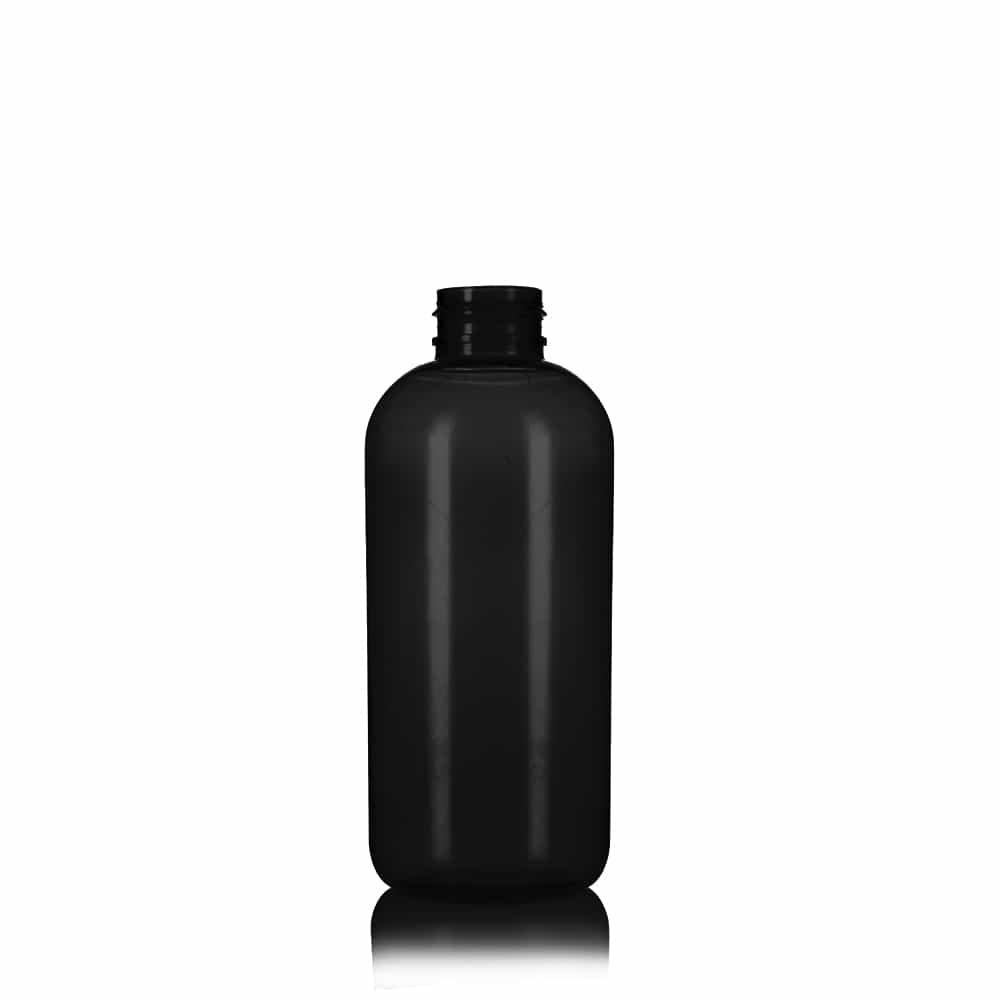
Propacks produces 35% and 50% PCR bottles that are visually and functionally identical to virgin plastic. That removes the last real barrier for brands hesitant to switch.
Accessible Sourcing Unlocks Sustainability for All Brands
The final takeaway from Nashville: sustainable packaging sourcing is getting more accessible. For years, high MOQs locked out small and mid-size brands. That is changing.
The Impact of No MOQ
Suppliers offering PCR with no MOQ are driving this shift. No minimums let brands launch products, test formats, or manage seasonal inventory without committing to thousands of units upfront.
Planning for Small Batch and Custom Runs
This accessibility extends to custom projects too. A modern packaging partner should offer both stock and custom options with lead times and terms that work for smaller brands, not just enterprise buyers.
Frequently asked questions
What was the main focus of SPC Impact 2026 in Nashville?+
The main focus was the operational shift in sustainable packaging. Key themes were the national expansion of Extended Producer Responsibility (EPR) laws, the absolute need for verifiable supply chains with third party certifications, and material science innovations that put PCR quality on par with virgin plastic.
How do new packaging laws affect small businesses?+
New laws introduce compliance requirements, but they also create an opening for agile brands. Small businesses can gain a market advantage by adopting compliant packaging early. Working with a supplier like Propacks, which has no minimum order quantity (MOQ), lets small brands source compliant PCR packaging without the large capital investment that high MOQs require.
Is it more expensive to use high quality PCR plastic?+
No, it does not have to be. Propacks offers high quality PCR bottles at the same price as comparable virgin plastic bottles. Advances in manufacturing and proprietary formulations mean that brands no longer have to pay more to meet sustainability goals without sacrificing aesthetics.
How can I verify the PCR content in my bottles?+
Request documentation from your supplier. A reputable source will provide third party certifications, like the Global Recycled Standard (GRS), or a certificate of analysis that specifies the percentage of post-consumer recycled content. This paperwork is required to substantiate your own environmental claims.
Does Propacks offer packaging that aligns with these new trends?+
Yes. Propacks offers a range of rPET and rHDPE bottles with 35% and 50% PCR content, which aligns with the trajectory of regulations like California's SB 54. We provide GRS certified options, ensure our PCR quality is equivalent to virgin material, and have no minimum order quantities to make sustainable packaging accessible to all brands.

Written by
Queenie FongQueenie Fong is the founder of Propack Solutions, a woman-owned sustainable packaging company based in Ontario, CA. With nearly a decade of experience in the packaging industry, she specializes in post-consumer recycled (PCR) materials, helping brands source rPET, PCR HDPE, and PCR PP packaging that meets regulatory requirements and sustainability goals.