Plastic Recycling Codes 1-7: What They Mean for Packaging


Every plastic container, bottle, and bag carries a small number inside a triangle. That number is a resin identification code (RIC). It tells you what kind of plastic the item is made from. It does not tell you whether your local recycler accepts it. Understanding the difference matters a lot if you are a brand sourcing packaging today.
California SB 54 requires plastic packaging sold in the state to contain 15% post-consumer recycled (PCR) content by 2022, 25% by 2025, and 50% by 2030. Other states are moving in the same direction. Brands that understand resin codes are better positioned to source compliant PCR packaging and verify supplier claims.
Here is a complete breakdown of all seven resin codes.
Plastic Code 1: PET (Polyethylene Terephthalate)
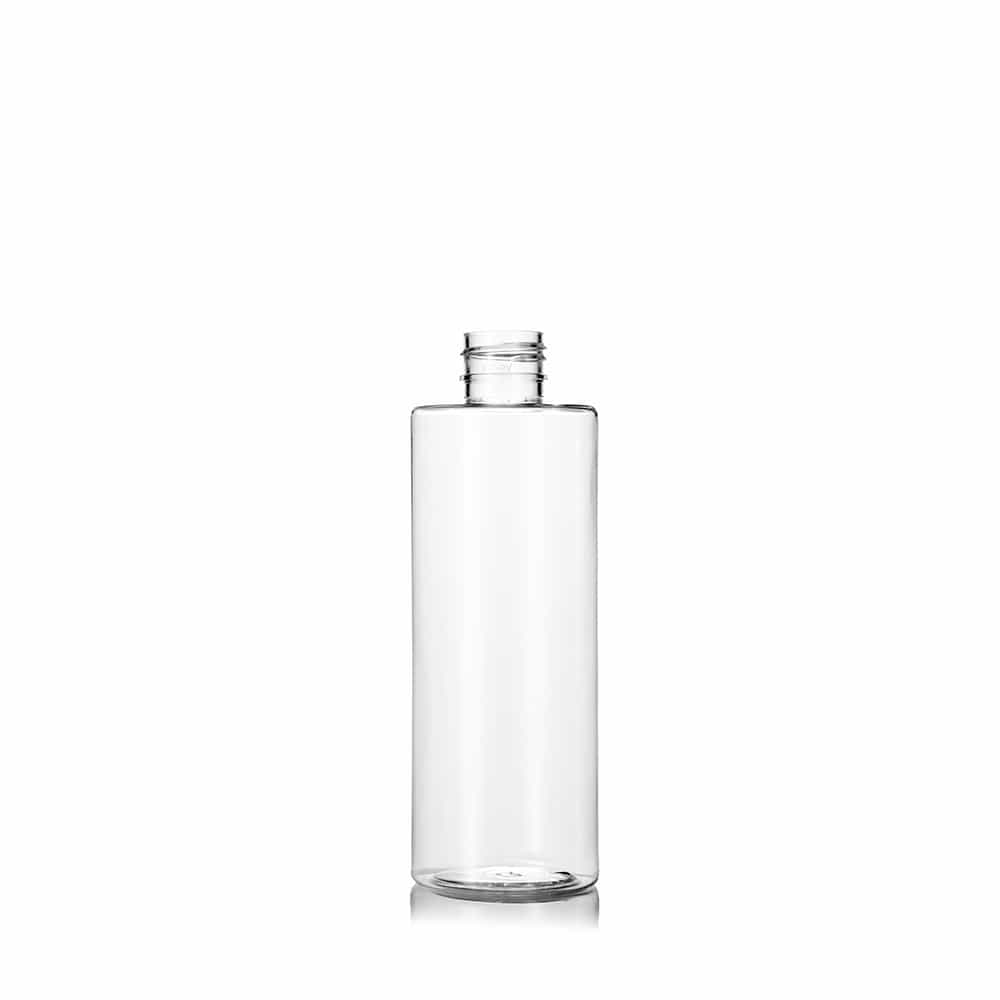
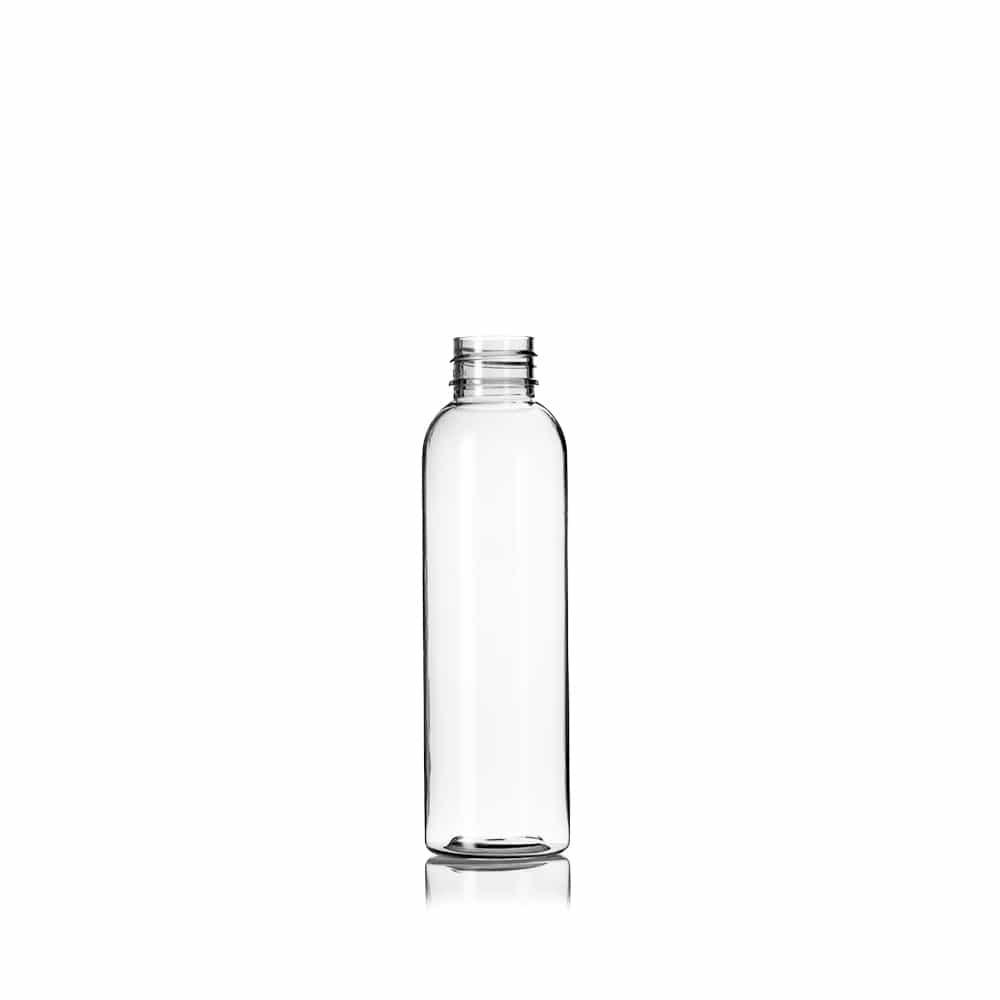
 PET plastic bottles with resin code 1 recycling symbol
PET is the most widely recycled plastic in the world. It is used for water bottles, beverage containers, food jars, and personal care packaging. PET is clear, lightweight, and has excellent barrier properties against oxygen and moisture. It melts at 250 to 260°C, which is high enough for hot fill applications with the right processing. The resin identification code (RIC) system was created by the Society of the Plastics Industry in 1988 and is now managed by ASTM International under standard D7611.
For packaging buyers, PET's defining advantage is clarity. It offers glass-like transparency at a fraction of the weight, which is why it dominates beverage bottles and cosmetic containers. It also provides a good oxygen barrier (OTR around 3 to 6 cc·mil/100in²/day) and strong moisture resistance, which means products stay fresh without additional barrier coatings for most applications.
Recyclability
PET has the highest recycling rate of any plastic resin. NAPCOR reported a 33% US bottle collection rate in 2023, up from 29% the year before. That was a record high of 1.96 billion pounds collected. The average rPET content in US bottles reached 16.2% in 2023. PET bottles are easy for Material Recovery Facilities (MRFs) to sort using near-infrared (NIR) technology, and the demand for recycled PET flake is well established.
The main contaminants that cause problems in PET recycling are PVC labels and sleeves (chlorine degrades PET during reprocessing), colored PET bottles (which limit bottle-to-bottle recycling loops), and multilayer PET with nylon or EVOH barrier layers. Full-body shrink sleeves and heavy adhesive labels also reduce recycling yield.
PCR Availability and Pricing
rPET (recycled PET) is the most commercially mature PCR material on the market. It has historically traded at a 10 to 40% premium over virgin PET. However, the market shifted dramatically in 2026: recycled polymers began trading at a discount to virgin for the first time globally, driven by cheap virgin PET imports undercutting domestic recyclers. Several US rPET recyclers have shuttered or scaled back capacity. For brands, this creates a window where PCR is both cheaper and more available, but the long term supply outlook is uncertain.
Food-grade rPET requires an FDA letter of no objection and commands a further premium. Propacks carries rPET bottles and containers with verified recycled content percentages for SB 54 compliance documentation.
Shelf Life
Carbonated soft drinks last 10 to 16 weeks in standard PET (CO₂ loss is the limiting factor). Water keeps for 12 to 24 months. Juices and other oxygen-sensitive beverages need barrier enhancement or last only 3 to 6 months. PET transmits UV light, so products sensitive to light exposure (beer, dairy, vitamins) require UV-blocking additives or pigmented PET.
Who Uses PET
Major brands using PET and rPET include Coca-Cola (100% rPET 13.2oz bottles nationwide in 2024), PepsiCo (100% rPET in 31 markets), Danone (100% rPET for evian in multiple European markets), and Unilever (rPET for personal care bottles). For brands sourcing PET packaging at smaller volumes, rPET is the easiest PCR material to start with because supply is established and the price premium is manageable.
Plastic Code 2: HDPE (High-Density Polyethylene)
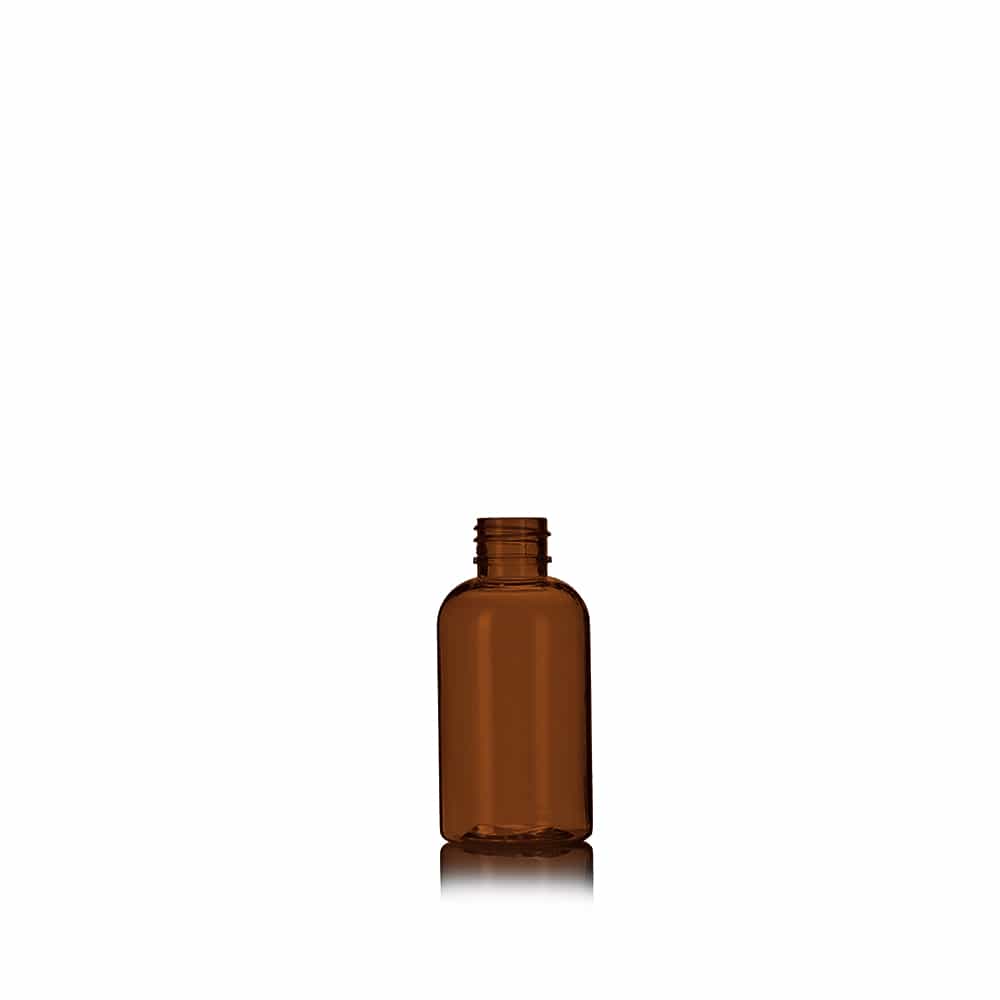
 HDPE plastic bottles with resin code 2 recycling symbol
HDPE is a rigid, opaque plastic used for milk jugs, laundry detergent bottles, shampoo bottles, and caps. It is stiff, impact resistant, and compatible with a wide range of products. HDPE melts at 130 to 136°C, much lower than PET, and has crystallinity of 60 to 80% which gives it that characteristic stiffness.
Where PET excels at clarity, HDPE excels at chemical resistance. It handles acids, bases, alcohols, detergents, and bleach without degradation. That is why it dominates household chemical packaging. The tradeoff is opacity and a poor oxygen barrier (OTR around 150 to 200 cc·mil/100in²/day), which means HDPE is not suitable for oxygen-sensitive products. But for personal care, cleaning, and household products, that rarely matters.
Recyclability
HDPE is the second most recycled plastic after PET. The EPA reported a 29.3% recycling rate for natural (translucent) HDPE bottles. Natural HDPE from milk jugs is the strongest and most consistent PCR feedstock because the stream is clean, high volume, and well sorted. Colored HDPE bottles (laundry detergent, for example) recycle at a much lower rate of around 10 to 15%.
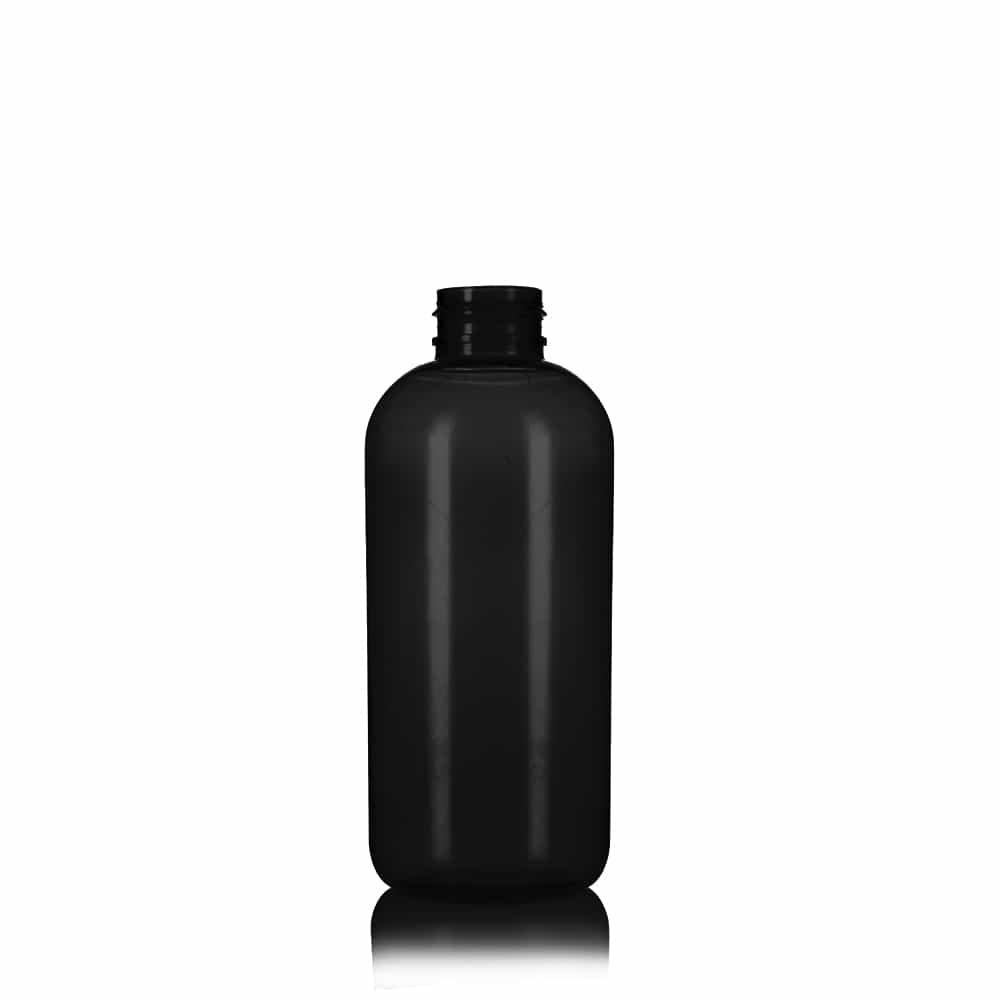
The biggest recycling challenge for HDPE is carbon black pigment. Black HDPE bottles are invisible to NIR sorting equipment at MRFs, which means they fall through to waste. If you are designing packaging, avoid black pigment entirely. Other contaminants include residual household chemicals, multi-material caps with silicone valves or metal springs, and label adhesives.
PCR Availability and Pricing
Natural (translucent) rHDPE has a strong domestic supply from milk jug recycling. Colored rHDPE is more limited and produces darker output. Historically, PCR HDPE traded at a 30 to 80% premium over virgin, but spreads have been narrowing through 2025 and 2026. Supply has flattened even as demand grows from regulatory pressure.
Propacks carries rHDPE bottles in natural and pigmented grades. rHDPE is a strong choice for brands sourcing opaque PCR bottles for personal care, cleaning, and household products. One consideration: HDPE absorbs odors from prior contents, which makes food-grade PCR HDPE more challenging to source than food-grade rPET.
Shelf Life and Compatibility
Milk in HDPE lasts 14 to 21 days refrigerated (limited by oxygen permeation). Household chemicals last 2 to 5+ years with excellent chemical compatibility. Water keeps for 6 to 12 months but can develop off-taste from oxygen ingress. The critical shelf-life consideration for HDPE is environmental stress cracking (ESC), especially for products containing surfactants or essential oils. Choosing the right HDPE resin grade with high stress crack resistance (SCR) prevents field failures.
Who Uses HDPE
Brands leading in rHDPE adoption include Method (pioneer in ocean plastic rHDPE bottles with Envision Plastics), Seventh Generation (97% PCR HDPE cleaning bottles), Procter & Gamble (25 to 100% PCR across Dawn, Tide, and Fairy), and SC Johnson (100% PCR ocean plastic for Windex and Scrubbing Bubbles). These are mostly large CPG brands, but the same rHDPE supply is available to smaller brands sourcing through distributors like Propacks.
Plastic Code 3: PVC (Polyvinyl Chloride)
 PVC plastic with resin code 3 recycling symbol
PVC is used for pipes, window frames, food wrap, blister packs, and some bottles. It is durable and chemical resistant but contains chlorine (57% by weight) and often requires plasticizers, which create recycling and health concerns that make it increasingly problematic for consumer packaging.
PVC has a narrow processing window and actually begins to decompose before it fully melts, releasing hydrogen chloride gas at around 140°C. That decomposition is also why PVC is the number one contaminant in PET and HDPE recycling streams: even 50 parts per million of PVC in a PET bale causes degradation during reprocessing.
Recyclability
The PVC packaging recycling rate is effectively less than 1%. Most curbside programs do not accept PVC. The Vinyl Institute does report some recycling of PVC pipe and siding in construction, but packaging-grade PVC recycling is virtually nonexistent. There is no food-grade PCR PVC supply chain and no meaningful commercial PCR supply for packaging applications.
Regulatory Pressure
PVC faces the most hostile regulatory environment of any packaging resin. The Association of Plastic Recyclers (APR) designates PVC as a contaminant in recycling streams. Under California's SB 343, PVC packaging cannot be labeled as recyclable. Under SB 54, PVC packaging is at high risk of non-compliance because it is not widely accepted in curbside recycling.
In the EU, PVC faces further pressure from REACH restrictions on phthalate plasticizers (DEHP, DBP, BBP, and DIBP are already restricted) and the Packaging and Packaging Waste Regulation (PPWR) recyclability-by-design requirements. Multiple US states are also considering PVC packaging restrictions.
Health Concerns
Flexible PVC contains plasticizers (historically phthalates) that can migrate into products over time. Rigid PVC is FDA-approved for food contact, but the industry trend is overwhelmingly away from PVC. When PVC is incinerated, it can generate dioxins and furans. Major CPG brands are actively removing PVC from their packaging portfolios.
What This Means for Buyers
Propacks does not carry PVC packaging and does not recommend PVC for brands pursuing sustainable packaging goals. If you are currently using PVC, the practical alternatives are PET (for clarity applications like blister packs) and PP (for chemical resistance applications). Both have established PCR supply chains that PVC will never have.
Plastic Code 4: LDPE (Low-Density Polyethylene)
 LDPE plastic with resin code 4 recycling symbol
LDPE is a flexible plastic used for bread bags, produce bags, squeezable bottles, and plastic film. It is softer and more pliable than HDPE due to its long-chain branching structure, which gives it lower crystallinity (40 to 55% vs 60 to 80% for HDPE) and a lower melting point of 105 to 115°C.
LDPE's defining property is flexibility. It has excellent heat seal properties (making it the standard for bag and pouch sealing layers), good moisture barrier, and low odor and taste transfer. The tradeoff is a poor oxygen barrier, similar to HDPE, which limits shelf life for oxygen-sensitive products.
Recyclability
LDPE has one of the lowest recycling rates of any resin code at roughly 5 to 6% for bags, sacks, and wraps. It is not accepted in most curbside recycling programs. The reason is mechanical: LDPE film wraps around sorting equipment at MRFs, causing jams and downtime. That single issue is why your city probably tells you not to put plastic bags in the recycling bin.
LDPE film recycling happens primarily through store drop-off programs. Walmart, Target, and many grocery chains have collection bins for plastic bags. But the volumes recovered are small relative to what is produced, and the contamination rate (food residue, mixed film types, print inks) makes processing difficult. Most recycled LDPE film becomes composite lumber, trash bags, or playground equipment rather than new packaging.
PCR Availability
PCR LDPE supply is very limited. Post-industrial recycled LDPE (PIR from clean factory scrap) is more available than post-consumer PCR. When PCR LDPE can be sourced, it commands a 20 to 50% premium, but supply constraints are a bigger issue than price. Quality is also a challenge: recycled LDPE film often contains mixed PE types, print inks, and residue that limits what it can be used for.
Regulatory Risk
LDPE flexible packaging faces significant compliance risk under California SB 54. Unless store drop-off is recognized as an adequate collection pathway, LDPE packaging risks being classified as non-recyclable. Under SB 343, LDPE bags and film cannot be labeled "recyclable" unless specific store drop-off criteria are met. Over 10 US states have already banned single-use LDPE bags entirely (California, New York, Oregon, and others).
What This Means for Buyers
Propacks does not currently carry LDPE packaging. LDPE's primary packaging application is flexible film (bags, wraps, pouches), not rigid bottles. For squeezable bottle applications where LDPE would traditionally be used, PP and HDPE offer alternatives with better recycling infrastructure. If you are sourcing flexible packaging and need to evaluate LDPE vs alternatives, the regulatory trajectory is clear: LDPE film packaging will face increasing compliance burdens through 2032.
Plastic Code 5: PP (Polypropylene)
 PP plastic with resin code 5 recycling symbol
PP is a semi-rigid plastic used for yogurt containers, deli containers, bottle caps, straws, and medical packaging. It has the highest heat resistance of any common commodity plastic, which is why it is the standard for microwave-safe containers and autoclavable medical packaging. PP melts at 130 to 171°C (depending on whether it is homopolymer or copolymer) and is the lightest commodity plastic at 0.895 to 0.92 g/cm³.
For packaging, PP offers excellent chemical resistance (acids, bases, alcohols, greases, and most organic solvents), moderate moisture barrier, and a unique property called living hinge capability. PP can be flexed repeatedly without breaking, which is why flip-top caps are almost always PP. The tradeoffs are a relatively poor oxygen barrier (similar to HDPE) and lower clarity compared to PET or GPPS.
Recyclability
PP recycling infrastructure is growing but still lags behind PET and HDPE. The Polypropylene Recycling Coalition (managed by The Recycling Partnership) reported roughly an 8% US recycling rate in 2024 and is investing $10 million to increase the national rate by 5 percentage points by end of 2026. More municipalities are adding PP to their accepted materials lists each year.
The main recycling challenge for PP is density. At 0.9 g/cm³, PP floats in water alongside HDPE during sink-float separation, which means MRFs need NIR optical sorting to separate them. Black PP is invisible to NIR sorters (same problem as black HDPE). Food residue from yogurt and dairy containers is persistent and increases processing costs. In-mold labels (IML), which are often a different polymer, also contaminate the PP recycling stream.
PCR Availability and Pricing
PCR PP is the tightest market of any mainstream resin. Recycled PP pellets trade at roughly $1.36 per pound (PureCycle Technologies target price), compared to $0.55 to $0.75 per pound for virgin PP. That is an 80 to 100%+ premium. PureCycle's purification plant in Ironton, Ohio is the largest advanced PP recycler in the US. Mechanical rPP is available but food-grade supply is limited.
Propacks carries rPP and rPETG bottles and caps. rPP is becoming a more viable option as recycling infrastructure scales, but brands should expect higher price premiums compared to rPET or rHDPE for the foreseeable future.
Health and Safety
PP is generally considered one of the safest food-contact plastics. It contains no BPA, no phthalates, and no known endocrine disruptors. The FDA approves PP for food contact. The one emerging concern is microplastic shedding from PP containers when microwaved or exposed to heat, which studies published in 2024 and 2025 have documented. The FDA has not restricted PP food-contact use based on this research.
Who Uses PP
PP packaging is ubiquitous in food and beverage: Chobani and Fage yogurt cups, Folgers coffee containers, Keurig K-Cup bodies, Rubbermaid food storage, and most flip-top and disc-top caps on personal care bottles. In beauty and wellness packaging, PP closures are the standard. Propacks carries PP caps including ribbed lids, disc-top caps, flip-top caps, foaming pumps, and mini trigger sprayers.
Plastic Code 6: PS (Polystyrene)
 PS plastic with resin code 6 recycling symbol
PS comes in three forms: General Purpose PS (GPPS, crystal clear and brittle), High Impact PS (HIPS, opaque and tougher), and Expanded PS (EPS, the white foam). It is used for foam cups, takeout containers, CD cases, and some rigid packaging. PS softens at around 100°C and has a density of 1.04 to 1.06 g/cm³ in rigid form. EPS foam is 95% air, with a density of just 0.01 to 0.05 g/cm³. Propacks carries PCR foam bottles for brands that need lightweight dispensing packaging.
PS has niche advantages: GPPS offers optical clarity comparable to PET, EPS provides excellent thermal insulation (R-value around 4 per inch), and PS has a better moisture barrier than PP. But the chemical resistance is poor. Acetone, gasoline, and even citrus oils dissolve polystyrene. And the regulatory picture has turned hostile.
Recyclability
Post-consumer PS recycling is effectively less than 1%. Most curbside programs reject it. The EPS industry trade group (PSRA/EPS Industry Alliance) claims a 31% recycling rate for EPS transport packaging, but that figure covers business-to-business commercial recycling (think appliance packaging returned at distribution centers), not consumer curbside collection.
The economics work against PS recycling. EPS foam is 95% air, which makes it extremely costly to transport. Food contamination (grease, sauces) is hard to remove from foam. PS fragments into small pieces during processing, creating microplastic contamination in sorting facilities. There is also no established end market for recycled PS at meaningful scale.
Regulatory Status
PS, particularly EPS, faces the most aggressive regulatory pushback of any resin code. As of 2025, twelve US states and three territories have passed statewide EPS bans: Maryland, Maine, Vermont, New York, Virginia, Colorado, New Jersey, Oregon, California, Washington, Connecticut, and Delaware. Over 100 US cities have independent EPS bans on top of state laws.
Under California SB 54, EPS food-service ware is effectively banned as of January 1, 2025. CalRecycle determined that EPS does not meet the recyclability threshold. Under SB 343, PS and EPS cannot display the chasing arrows recycling symbol in California. The EU Single-Use Plastics Directive restricts EPS food-service ware, and the PPWR mandates recyclability requirements that PS struggles to meet.
Health Concerns
Styrene monomer, the building block of polystyrene, is classified as "probably carcinogenic to humans" (Group 2A) by the International Agency for Research on Cancer (IARC), upgraded from Group 2B in 2019. The National Toxicology Program lists styrene as "reasonably anticipated to be a human carcinogen." Styrene can leach from PS containers into food and beverages, especially with hot, fatty, or acidic contents.
What This Means for Buyers
Propacks does not recommend PS for new packaging designs. The regulatory trajectory is unambiguous: PS packaging, especially EPS foam, is being phased out across major markets. For brands currently using PS, the practical alternatives are PP (for food containers and caps), PET (for clear rigid packaging), and paperboard (for food-service applications). For foam bottle applications, Propacks carries PCR foam bottles that provide the lightweight dispensing properties of foam without the polystyrene regulatory risk.
Plastic Code 7: Other
 Other plastics with resin code 7 recycling symbol
Code 7 is the catch-all category for any plastic that does not fit codes 1 through 6. This includes polycarbonate (PC), ABS, nylon, acrylic (PMMA), melamine, and bioplastics like PLA. It also covers multi-layer and multi-material packaging. The diversity within Code 7 is exactly what makes it impossible to recycle through conventional infrastructure.
What Is Actually in Code 7
Polycarbonate (PC) was historically the most common Code 7 plastic in consumer packaging, used for 5-gallon water bottles, reusable sports bottles, and baby bottles. PC is declining in food-contact applications because it contains bisphenol A (BPA), an endocrine disruptor. The EU's food safety authority (EFSA) reduced the BPA tolerable daily intake by a factor of 20,000 in 2023, and the FDA banned BPA in baby bottles in 2012.
Tritan (a copolyester made by Eastman Chemical) is rapidly gaining share as a BPA-free replacement for polycarbonate. Nalgene and CamelBak both switched from PC to Tritan. Eastman publishes studies showing no estrogenic activity in Tritan, and the FDA approves it for food contact. Eastman also offers Tritan Renew with certified recycled content via molecular recycling.
PLA (polylactic acid) is a bio-based plastic made from corn starch or sugarcane. It is growing in compostable single-use packaging (cups, clamshells, utensils) but has a critical flaw for the recycling system: PLA looks identical to PET but melts at a much lower temperature (150 to 180°C vs 250 to 260°C for PET). Even small amounts of PLA contamination destroy PET recycling batches. PLA can only be composted in industrial facilities at 58°C for 45 to 180 days. It does not break down in home composting or landfill.
Nylon (polyamide) has limited but important packaging use as a barrier layer in multilayer food packaging films. Nylon provides an excellent oxygen barrier, which is why vacuum-sealed meat and cheese pouches typically include a nylon layer. But multilayer films are one of the hardest packaging types to recycle because the layers cannot be mechanically separated.
Recyclability
Code 7 is not accepted in virtually any curbside recycling program. The fundamental problem is that Code 7 is a catch-all, and the materials within it cannot be mixed. There is no NIR sorting protocol that reliably separates all Code 7 sub-types. There are no established end markets for mixed Code 7 recyclate. For practical purposes, the recycling rate is 0%.
Some individual Code 7 plastics can be recycled in dedicated commercial streams (polycarbonate from industrial applications, nylon from fishing nets via Econyl), but volumes are negligible relative to packaging waste. PLA has composting streams, but composting is not recycling and the infrastructure is limited.
Health and Safety
Health concerns vary widely within Code 7. Polycarbonate contains BPA, a documented endocrine disruptor linked to reproductive disorders, cardiovascular issues, diabetes, and obesity. Some BPA replacement chemicals (BPS, BPF) may have similar endocrine effects, which researchers call "regrettable substitutions." Tritan has been tested and shows no estrogenic activity. PLA is Generally Recognized As Safe (GRAS) by the FDA with no known chemical leaching concerns. Nylon is generally safe for food contact when properly manufactured.
What This Means for Buyers
Propacks does not carry Code 7 packaging. For brands evaluating reusable drinkware, Tritan has effectively replaced polycarbonate as the material of choice. For brands evaluating compostable packaging, PLA requires careful consideration: it solves the end-of-life problem only if your customers have access to industrial composting, and it creates a contamination problem for the PET recycling stream. For most packaging applications, PET (#1), HDPE (#2), and PP (#5) offer better recyclability, established PCR supply, and clearer regulatory pathways than any Code 7 material.
SB 54 and PCR Packaging Requirements
California SB 54 sets escalating PCR content requirements for plastic packaging sold in the state. The schedule is: 15% PCR by 2022, 25% by 2025, and 50% by 2030. These requirements apply to rigid and flexible plastic packaging alike.
PCR content is calculated by weight. A bottle made from 25% rPET and 75% virgin PET qualifies at the 25% threshold. Brands need documentation from their suppliers verifying the PCR content percentage and the resin type. Propacks provides this documentation for all PCR products.
Resin codes matter for compliance because not all PCR is created equal. rPET, rHDPE, and rPP have established recycling streams and verifiable chain-of-custody documentation. Materials with weak recycling infrastructure are harder to source as genuine PCR and harder to document for compliance purposes.
Shop PCR Packaging at Propacks
Propacks carries rPET, rHDPE, rPP, and rPETG bottles, jars, and caps. All PCR products come with documentation for SB 54 compliance. Browse the full catalog at propacks.net/store.
Frequently asked questions
What do the numbers on plastic containers mean?+
The numbers 1 through 7 inside a triangle on plastic containers are resin identification codes (RICs). Each number identifies the type of plastic resin the container is made from. The system was created by the Society of the Plastics Industry in 1988 and is now managed by ASTM International. The number does not tell you whether the container is recyclable in your area. It only identifies the material.
Which plastics are actually recyclable?+
PET (#1) and HDPE (#2) are the most widely accepted plastics in curbside recycling programs. PP (#5) is increasingly accepted but still trails behind. PVC (#3), LDPE (#4), PS (#6), and Code 7 plastics are not accepted in most curbside programs. Acceptance varies by municipality, so check your local recycling guidelines.
Does the recycling symbol mean a plastic is recyclable?+
No. The triangle with a number is a resin identification code, not a recycling symbol. ASTM International changed the triangle from chasing arrows to a solid triangle in 2013 specifically to reduce this confusion. Under California's SB 343, plastics that are not recyclable in practice cannot display the chasing arrows symbol at all.
What is the difference between PET and HDPE for packaging?+
PET (#1) is clear, lightweight, and provides a good oxygen barrier, making it ideal for beverages, food jars, and cosmetic bottles where product visibility matters. HDPE (#2) is opaque, rigid, and offers excellent chemical resistance, making it the standard for household chemicals, shampoo bottles, and detergent containers. Both have well-established PCR supply chains. PET has a higher recycling rate (33% vs 29%).
What is PCR plastic and which resin codes have PCR available?+
PCR stands for post-consumer recycled content, meaning plastic that was used by a consumer, collected, and reprocessed into new resin. PCR is commercially available for PET (#1), HDPE (#2), and PP (#5). PET has the most mature PCR market. HDPE has strong supply from milk jug recycling. PP PCR is more limited and commands a higher premium. PVC, LDPE, PS, and Code 7 have essentially no PCR supply for packaging applications.
Is polystyrene (plastic #6) banned?+
Expanded polystyrene (EPS) food-service ware is banned in 12 US states as of 2025, including California, New York, and Maryland. Under California SB 54, EPS food-service ware is effectively prohibited because it does not meet the recyclability threshold. The EU Single-Use Plastics Directive also restricts EPS food-service ware. Rigid PS is not banned but faces declining acceptance in recycling programs.
What does California SB 54 require for plastic packaging?+
SB 54 requires all plastic packaging sold in California to be recyclable or compostable by 2032, with 25% source reduction by 2032. It also sets escalating PCR content requirements: 15% by 2027, 25% by 2030, and 50% by 2032. Producers must join a Producer Responsibility Organization (PRO). Separate California law AB 793 requires beverage bottles specifically to contain 25% PCR by 2025 and 50% by 2030.
Is BPA found in all plastics?+
No. BPA (bisphenol A) is primarily associated with polycarbonate, which falls under resin code 7 (Other). PET, HDPE, PVC, LDPE, PP, and PS do not contain BPA. The FDA banned BPA in baby bottles in 2012 and infant formula packaging in 2013. Many brands have switched from polycarbonate to Tritan, a BPA-free copolyester that also falls under code 7 but has been tested and shows no estrogenic activity.
Why is PVC considered a problem for recycling?+
PVC contaminates PET and HDPE recycling streams. Even 50 parts per million of PVC in a PET bale causes degradation during reprocessing because PVC releases hydrogen chloride when heated. PVC labels and shrink bands on PET bottles are the most common source of contamination. The Association of Plastic Recyclers (APR) designates PVC as a contaminant. Most curbside programs do not accept PVC packaging.
Can PLA (bioplastic) be recycled?+
PLA cannot be recycled in conventional recycling programs. It can only be composted in industrial composting facilities at 58°C for 45 to 180 days. PLA does not break down in home composting or landfill. Worse, PLA contaminates PET recycling because it looks identical to PET but melts at a much lower temperature (150 to 180°C vs 250 to 260°C). PLA falls under resin code 7 (Other).
What is the price premium for recycled plastic vs virgin?+
Price premiums vary by resin. Recycled PET (rPET) historically traded at a 10 to 40% premium over virgin, though 2026 market conditions have brought recycled prices to parity or even below virgin in some markets. Recycled HDPE (rHDPE) has historically commanded a 30 to 80% premium. Recycled PP (rPP) is the most expensive at roughly double virgin PP prices. These premiums fluctuate with virgin resin prices, oil prices, and regulatory demand.
How does the EU Packaging and Packaging Waste Regulation (PPWR) affect US brands?+
The EU PPWR takes effect August 12, 2026 and mandates recycled content in plastic packaging sold in the EU: 30% for PET beverage bottles by 2030, 10% for other plastic packaging. US brands exporting to the EU must meet these requirements. The PPWR also sets recyclability-by-design requirements, mandatory deposit-return systems, and reuse targets. US brands that design packaging for EU compliance will often exceed US requirements.

Written by
Queenie FongQueenie Fong is the founder of Propack Solutions, a woman-owned sustainable packaging company based in Ontario, CA. With nearly a decade of experience in the packaging industry, she specializes in post-consumer recycled (PCR) materials, helping brands source rPET, PCR HDPE, and PCR PP packaging that meets regulatory requirements and sustainability goals.