CalRecycle Approves SB 54 Regulations: What Packaging Brands Need to Do Before June 1


On May 1, 2026, CalRecycle approved the permanent regulations for SB 54, the Plastic Pollution Prevention and Packaging Producer Responsibility Act. The regulations took effect immediately upon filing.
This is not a draft. This is not a proposal. The rules are final, and the first compliance deadline is less than 30 days away.
What Just Happened
CalRecycle had pulled its earlier draft regulations in January 2026 after industry pushback and requests for clarity. Governor Newsom had directed the agency to restart the rulemaking process in March 2025. After more than a year of revisions, public comment periods, and back and forth between producers and regulators, the permanent rules are now locked in.
"California is shifting the responsibility of managing single-use plastic and packaging onto the producers," said Yana Garcia, California's Secretary for Environmental Protection, in a statement. "New packaging reforms lower waste costs for communities and decrease garbage and pollution across the state."
The approved regulations formalize the 2032 targets that SB 54 originally set:
- 25% reduction in single-use plastic packaging
- 100% of packaging must be recyclable or compostable
- 65% recycling rate for single-use plastic packaging and food service ware
Expanded polystyrene (EPS) food service ware has already been banned from sale in California since January 1, 2025, after the sector failed to demonstrate a 25% recycling rate.
The June 1 Deadline
With regulations now active, producers have until June 1, 2026 to take one of three steps:
Option 1: Register with CAA. The Circular Action Alliance is the state's approved Producer Responsibility Organization. Most brands will go this route. Registration requires submitting supply data on the type and weight of packaging materials sold into California.
Option 2: Apply as an independent producer. Brands can register directly with CalRecycle and submit an individual compliance plan. This is a heavier lift and typically makes sense only for very large producers with the resources to manage compliance internally.
Option 3: Apply for a small producer exemption. If eligible, smaller brands can apply to CalRecycle for an exemption. Eligibility criteria are outlined in the new regulations.
Missing the June 1 deadline means selling covered packaging in California without authorization. CalRecycle Director Zoe Heller made the enforcement posture clear: "With strong state oversight, producers will be accountable for designing less wasteful packaging and funding systems to make sure their materials are collected, reused, and composted or recycled when consumers are done with them."
 SB 54 producer registration options before June 1 2026 deadline
The $500 Million Annual Fund
Starting in 2027, CAA must remit $500 million per year to California's Plastic Pollution Mitigation Fund. That fund runs through 2037. The money comes from producer fees, which means brands selling packaging in California will be paying into it, directly or through their PRO membership.
CAA is slated to submit its full implementation plan to CalRecycle in June 2026. That plan will detail fee structures, reporting requirements, and the operational framework for how California's packaging EPR system will actually run day to day.
California Is Not Alone
This is not a single-state issue anymore. CAA now operates as the PRO in California, Colorado, Oregon, Minnesota, and Washington. Maine has its own EPR framework. New York is advancing its Packaging Reduction and Recycling Infrastructure Act with nearly 150 amendments introduced by state lawmakers in late April 2026.
For brands selling across multiple states, compliance is becoming a multi-jurisdiction problem. Each state has different timelines, fee structures, and reporting requirements, but the direction is the same: producers pay for the end of life management of their packaging.
What This Means If You Sell Bottled Products
The regulations target "covered materials," which includes the bottles and closures that brands put on California shelves. If you sell a bottled product in California, you are a producer under SB 54 and these rules apply to you.
The compliance path matters less than the timeline. Registration is step one, but the harder part comes after: making sure your actual packaging meets recyclability requirements and recycled content targets before the 2032 deadlines arrive.
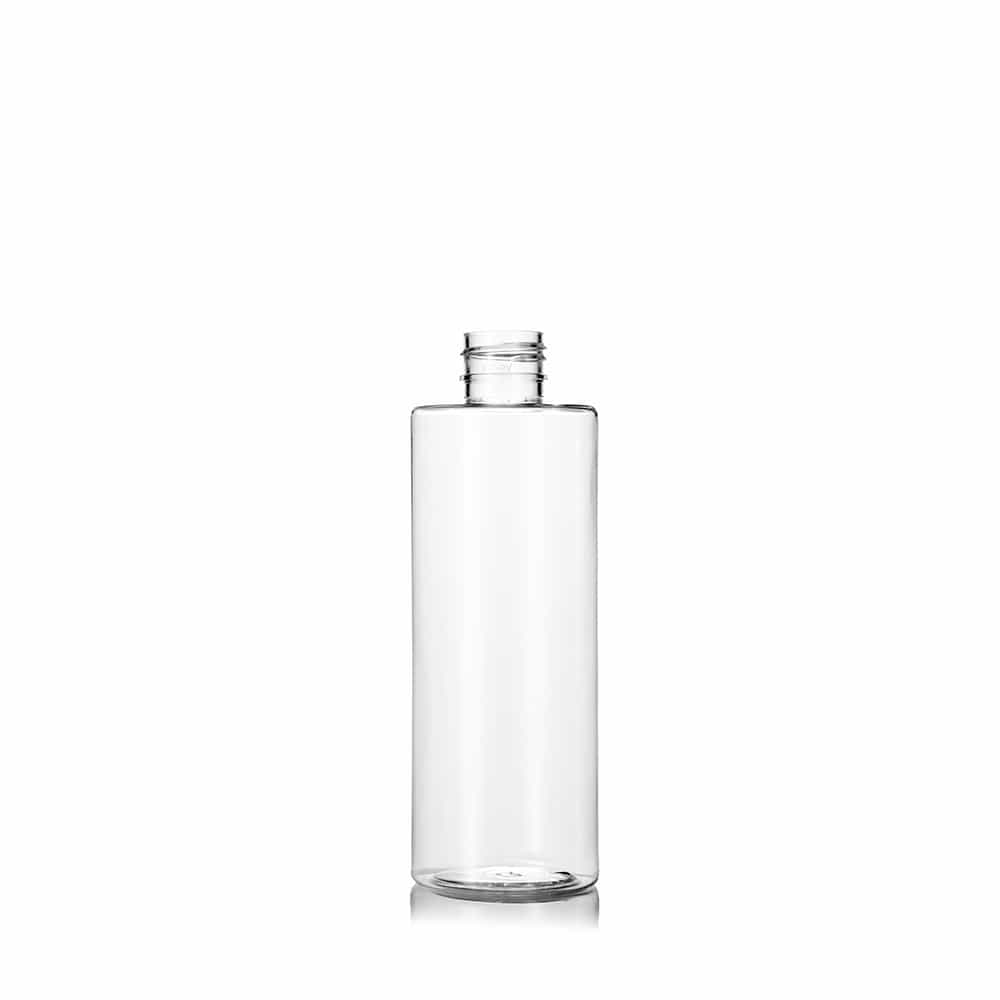
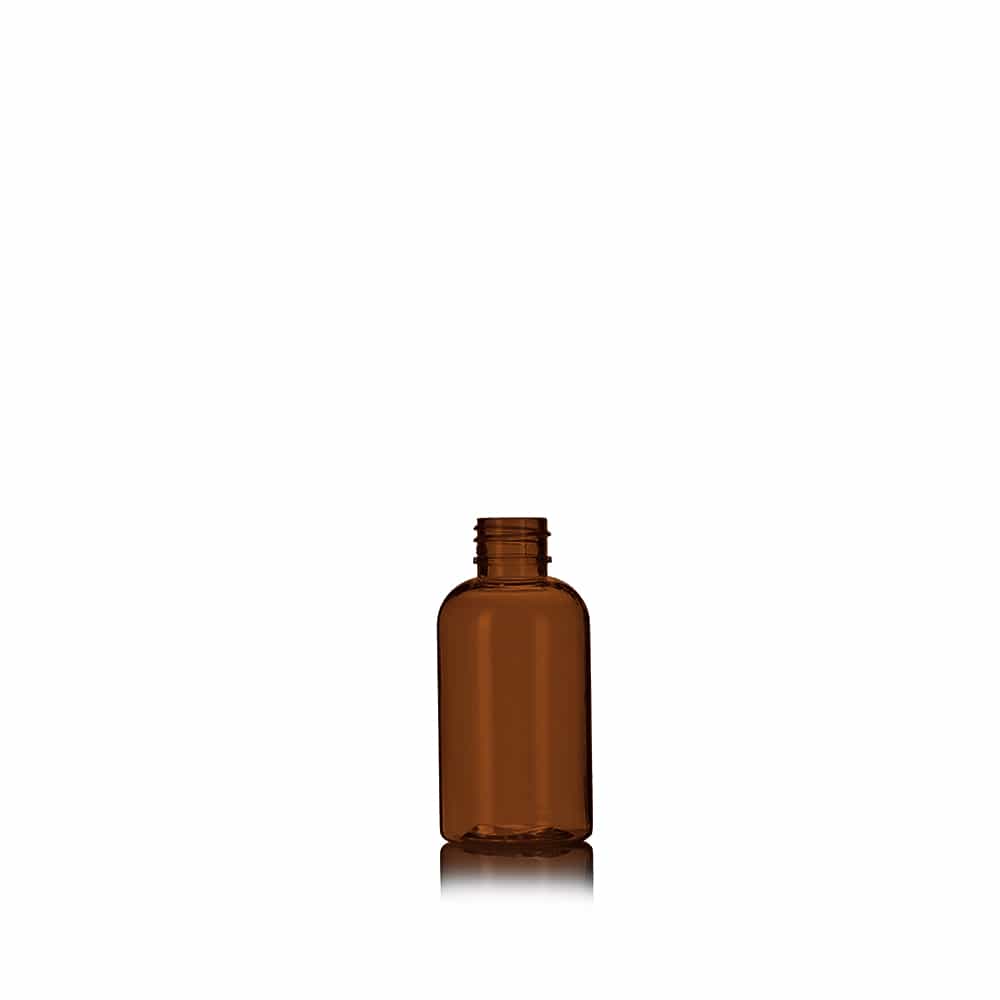
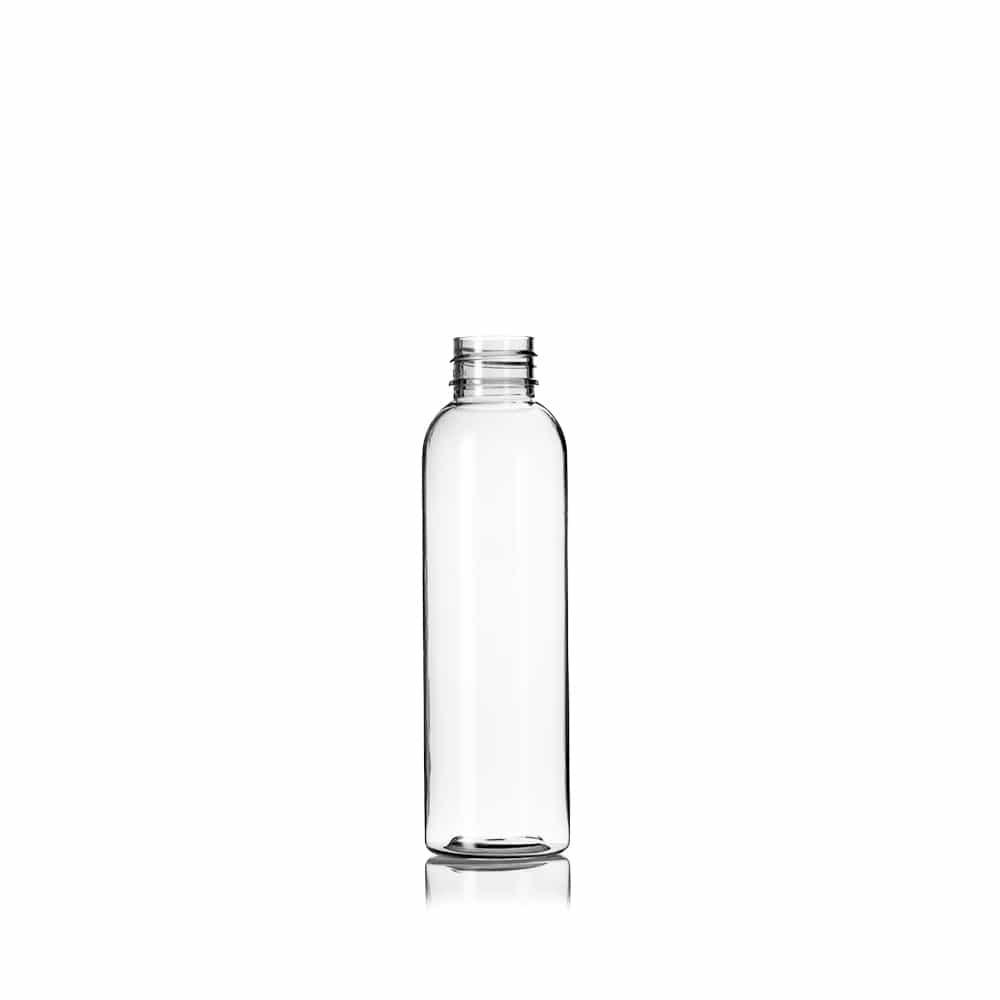
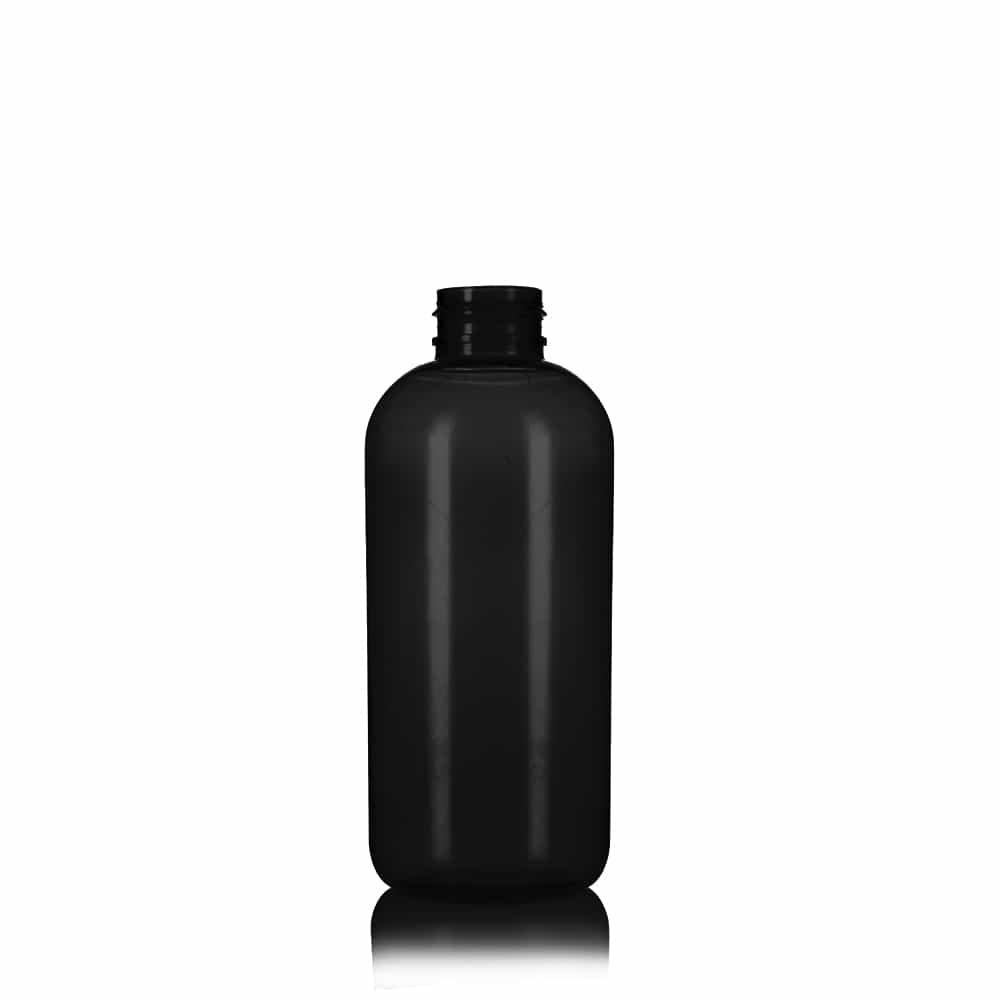
PET (resin code #1) is already the most widely recycled plastic in the US, which gives PET bottle users a head start. Brands already using post-consumer recycled (PCR) PET are further ahead still. But "recyclable" under SB 54 is not the same as having a resin code on the bottom of a bottle. CalRecycle will evaluate actual recyclability using criteria from SB 343, which looks at whether the material is genuinely collected and processed through California's recycling infrastructure.
 PET bottles that meet California SB 54 recyclability requirements
The Testing Problem Nobody Talks About
Regulations have deadlines. Supply chains do not.
Switching from virgin plastic to PCR, or changing bottle formats to meet recyclability requirements, is not a one-week project. Every new material needs compatibility testing with your formula. A serum that sits fine in virgin PET might react differently with post-consumer resin. A closure that seals properly on one bottle shape might leak on another.
Sample runs, drop tests, shelf stability checks, label adhesion on new surfaces. For most brands, the testing cycle alone takes 8 to 12 weeks. Add lead times for sourcing, tooling, and first production runs, and you are looking at 4 to 6 months from decision to shelf-ready product.
The brands that wait until 2031 to start switching will be competing for the same limited PCR supply, the same testing slots, and the same production capacity as everyone else scrambling at the last minute. The ones that start now will have locked in their materials, validated their packaging, and moved on.
 Packaging compatibility testing for PCR bottle transition
What Comes Next
The immediate next steps in the SB 54 timeline:
- June 1, 2026: Producer registration deadline (CAA, independent, or exemption)
- June 2026: CAA submits implementation plan to CalRecycle
- January 1, 2027: Full implementation begins, $500M annual fund starts
- 2032: All three targets must be met (25% reduction, 100% recyclable/compostable, 65% recycling rate)
Heidi Sanborn, executive director of the National Stewardship Action Council, emphasized the stakes: "Getting implementation right is just as important as passing the policy itself. This is where the environmental, public health and economic benefits are either realized or lost."
Frequently asked questions
Does SB 54 apply to small brands selling in California?+
It depends on volume. The regulations include a small producer exemption for eligible brands. To qualify, you must register with CalRecycle and apply for the exemption before June 1, 2026. If you do not qualify, you must join CAA or submit an individual compliance plan. Selling covered packaging in California without registration is prohibited.
What is the difference between SB 54 and AB 793?+
AB 793 sets minimum PCR content requirements specifically for plastic beverage containers: 15% by 2022, 25% by 2025, and 50% by 2030. SB 54 is broader. It covers all single-use packaging and plastic food service ware sold in California and addresses recyclability, source reduction, and recycling rates in addition to recycled content. Both laws apply simultaneously.
Are PET bottles considered recyclable under SB 54?+
PET (#1 plastic) has the highest recycling rate of any plastic resin in the US. However, SB 54 uses SB 343 criteria to evaluate actual recyclability, which means the material must be genuinely collected and processed through California's recycling infrastructure. PET bottles currently meet this standard, but brands should confirm that their specific packaging format, including closures and labels, qualifies.
What happens if a producer misses the June 1, 2026 deadline?+
The regulations are enforceable immediately. Producers who do not register with CAA, apply as independent producers, or obtain a small producer exemption by June 1 are technically selling covered materials without authorization. CalRecycle has enforcement authority under the law, though specific penalty structures will be detailed in CAA's implementation plan.
How much will producers pay in fees?+
Fee structures have not been finalized. CAA will submit its implementation plan in June 2026, which will include fee calculations based on the type and weight of packaging materials each producer places on the California market. The overall program must fund $500 million per year to the state's Plastic Pollution Mitigation Fund starting in 2027.

Written by
Queenie FongQueenie Fong is the founder of Propack Solutions, a woman-owned sustainable packaging company based in Ontario, CA. With nearly a decade of experience in the packaging industry, she specializes in post-consumer recycled (PCR) materials, helping brands source rPET, PCR HDPE, and PCR PP packaging that meets regulatory requirements and sustainability goals.