How Many Bottles Fit on a Pallet? A Guide for Beauty and Wellness Brands


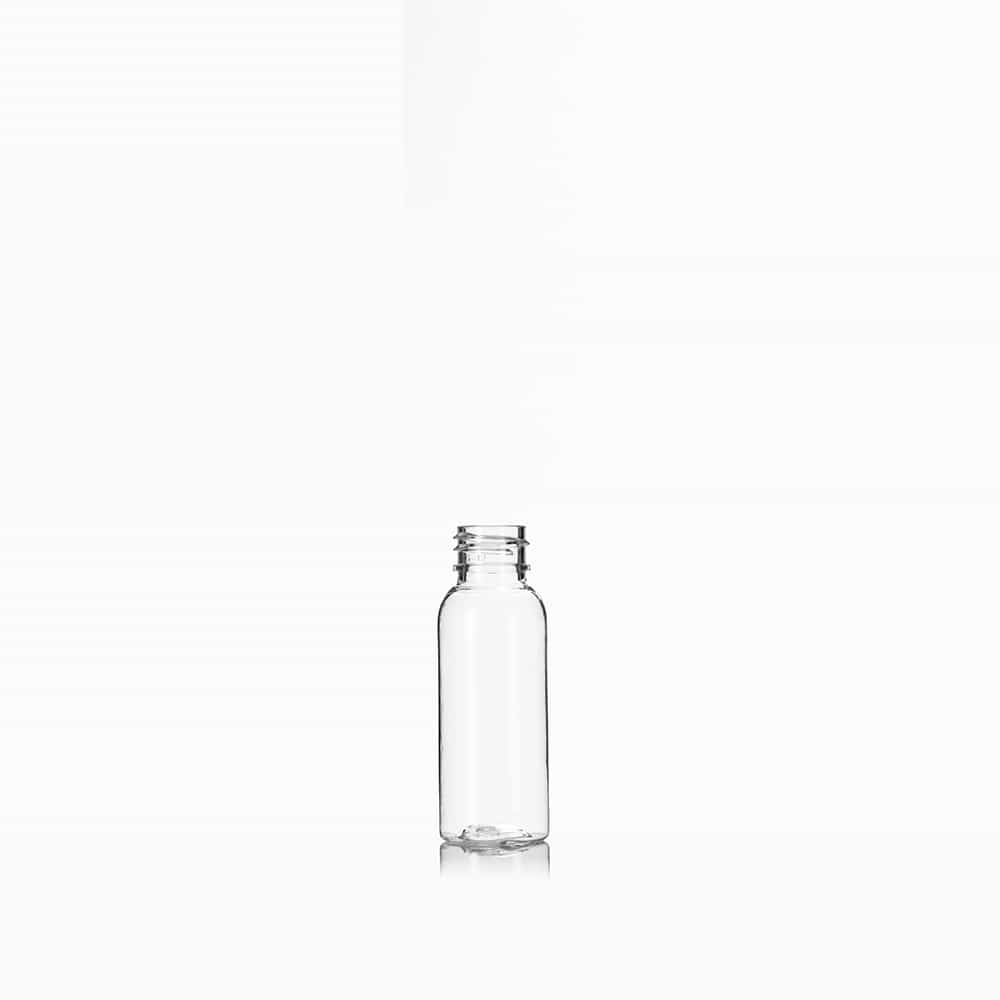
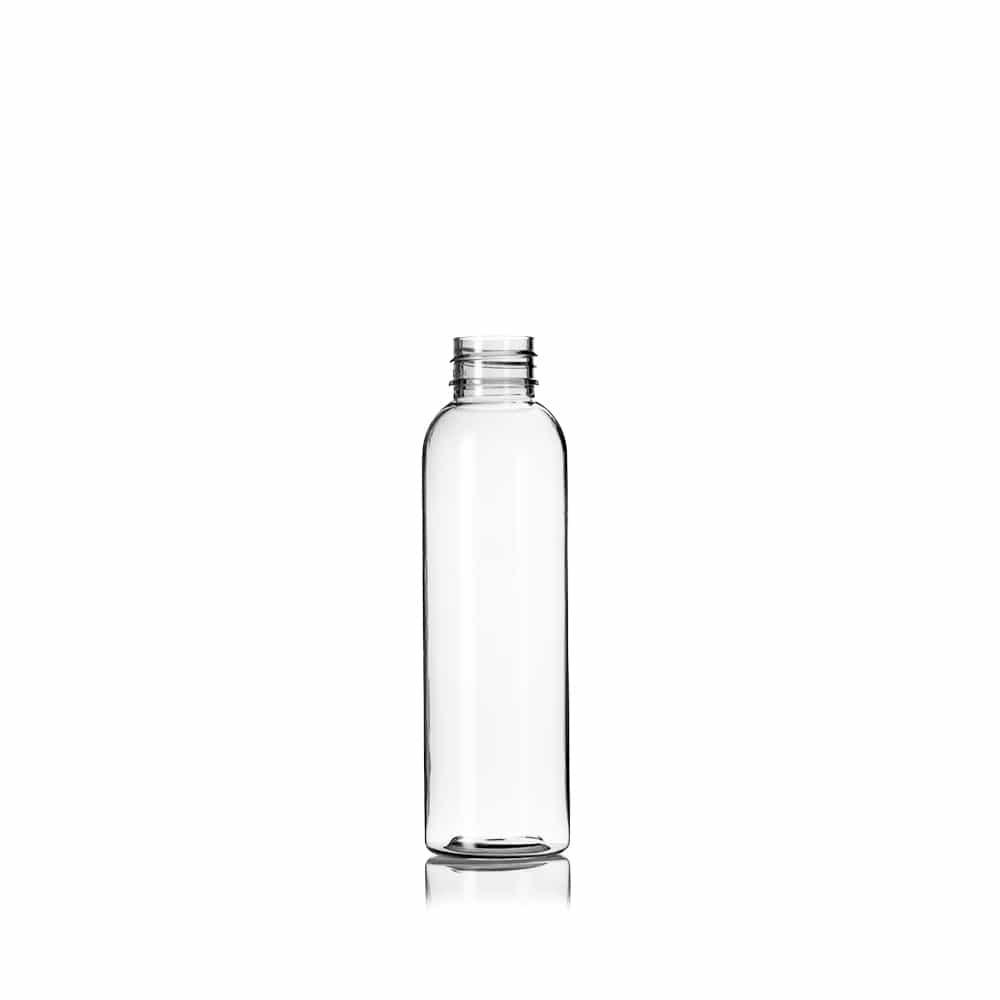
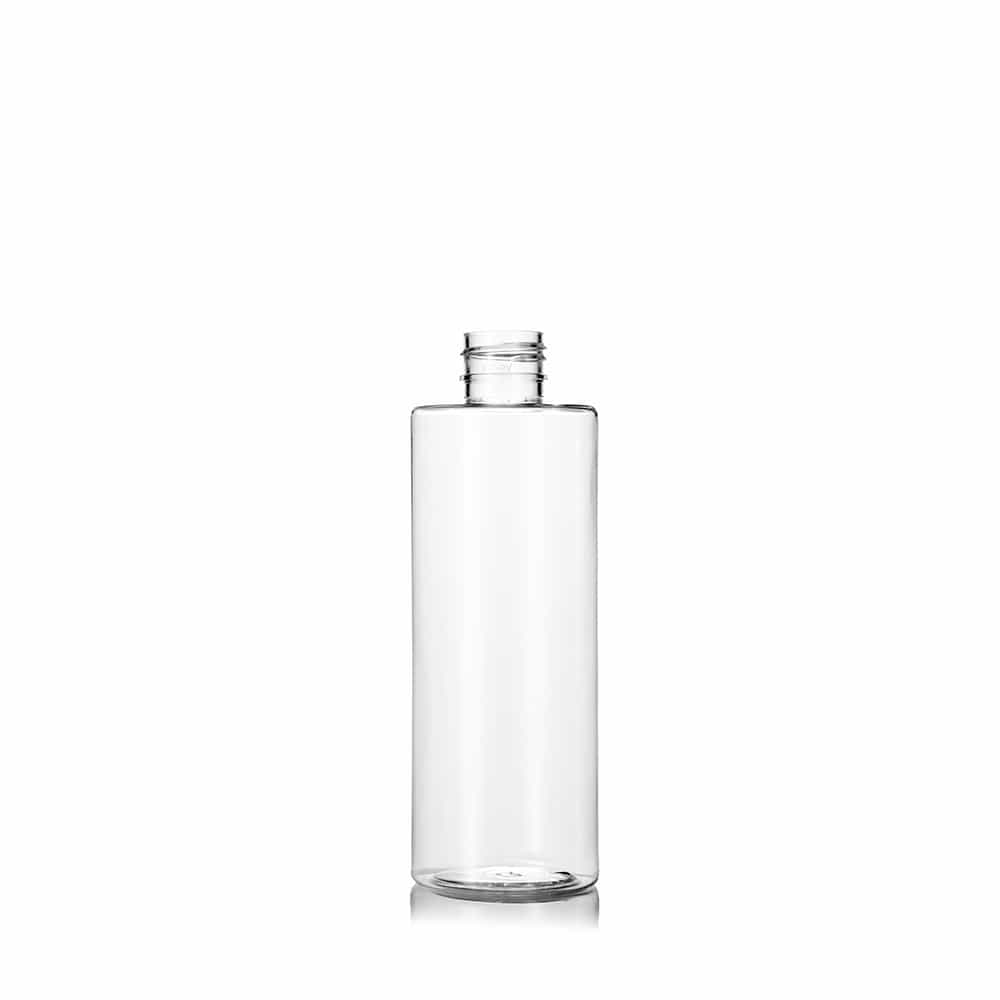
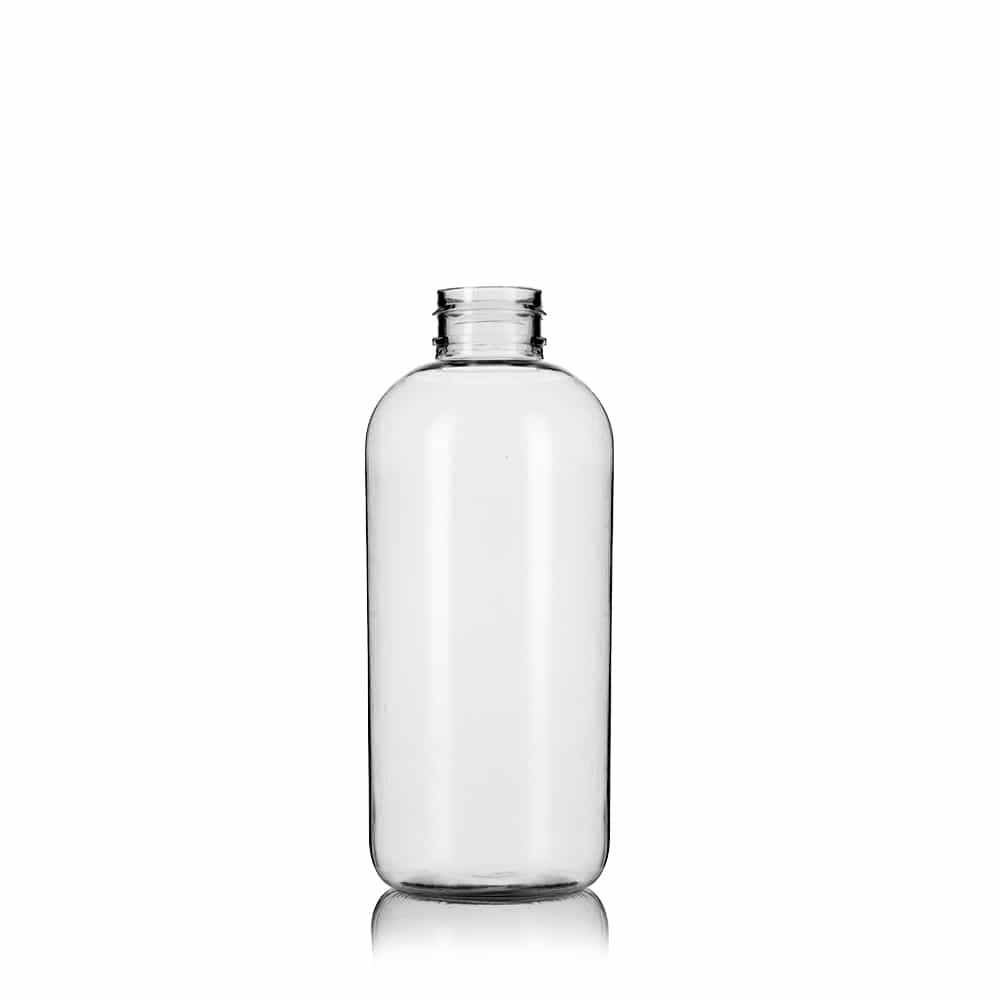
A standard GMA pallet (48 x 40 inches) holds anywhere from 1,200 to 6,000 bottles depending on the bottle size, case pack configuration, and stacking height. That range is too wide to be useful, so this guide breaks it down by the specific bottle sizes that beauty, skincare, hair care, and wellness brands actually order.
According to Kamps Pallets, the standard 48 x 40 inch pallet has a safe maximum load of 4,592 pounds. That weight limit rarely matters for plastic bottles (even a full pallet of 16 oz bottles weighs well under 2,000 pounds), so the constraint is almost always cubic: how many cases fit on the pallet footprint, and how high you can stack them.
Bottles Per Case, Cases Per Pallet, Bottles Per Pallet
These numbers are based on standard case pack configurations used by packaging distributors and fulfillment warehouses in the beauty and personal care industry. Your specific supplier may pack differently, but these are the most common.
| Bottle Size | Common Products | Bottles Per Case | Cases Per Layer | Layers Per Pallet | Cases Per Pallet | Bottles Per Pallet |
|---|---|---|---|---|---|---|
| 1 oz (30ml) | Serums, essential oils, samples | 72 | 15 | 6 | 90 | 6,480 |
| 2 oz (60ml) | Facial oils, eye creams, travel sizes | 48 | 14 | 6 | 84 | 4,032 |
| 4 oz (120ml) | Toners, facial mists, treatments | 24 | 12 | 6 | 72 | 1,728 |
| 8 oz (240ml) | Lotions, shampoos, conditioners | 24 | 10 | 5 | 50 | 1,200 |
| 10 oz (300ml) | Shampoo, conditioner, body wash | 24 | 10 | 5 | 50 | 1,200 |
| 12 oz (355ml) | Body wash, hand soap | 12 | 10 | 5 | 50 | 600 |
| 16 oz (480ml) | Shampoo, conditioner, large lotion | 12 | 8 | 5 | 40 | 480 |
| 32 oz (950ml) | Salon sizes, refills, bulk hand soap | 6 | 8 | 4 | 32 | 192 |
Important notes on these numbers:
For help converting between ounce and milliliter bottle sizes, see our oz to ml conversion guide.
Round bottles waste more pallet space than square or oval bottles because of the air gaps between cylinders. A pallet of Boston round bottles will hold roughly 15 to 20 percent fewer bottles than the same pallet loaded with square or rectangular bottles of the same volume.
Case pack quantities are not standardized across the industry. A 24-count case of 8 oz bottles from one supplier might be a 12-count case from another. Always confirm case pack with your specific supplier before calculating pallet quantities.
Real Examples: What Wellness Brands Actually Ship
Example 1: Indie skincare brand launching a 2 oz serum and a 4 oz toner.
- 2 oz serum: 4,032 bottles per pallet. If you sell 500 units per month, one pallet is 8 months of inventory. You do not need a full pallet. Order by the case.
- 4 oz toner: 1,728 bottles per pallet. At 300 units per month, one pallet is 5.7 months. Again, order by the case until volume justifies a full pallet.
Example 2: Hair care brand shipping 10 oz shampoo and 10 oz conditioner.
- 1,200 bottles per pallet per SKU. If you ship 2,000 units per month of each, you need roughly 2 pallets per month per SKU. This is the volume where pallet pricing starts making sense.
Example 3: Wellness brand selling 16 oz body lotion through retail.
- 480 bottles per pallet. A retail chain ordering 5,000 units needs roughly 10.4 pallets. At this scale, you are likely shipping full truckloads.
Truckload and Container Quantities
For brands shipping domestically in volume or importing from overseas, these are the standard vehicle capacities:
| Vehicle Type | Pallet Capacity | Dimensions | Typical Use |
|---|---|---|---|
| Standard 53ft truck (FTL) | 26 pallets (double stacked: 52) | 53' x 8.5' x 9' interior | Domestic US full truckload |
| Standard 48ft truck | 24 pallets (double stacked: 48) | 48' x 8.5' x 9' interior | Domestic US, shorter routes |
| 20ft ocean container (FCL) | 10 pallets (single layer) | 19'4" x 7'8" x 7'10" interior | Smaller import shipments |
| 40ft ocean container (FCL) | 20 pallets (single layer) | 39'5" x 7'8" x 7'10" interior | Standard import shipments |
| 40ft high-cube container | 20 pallets (floor-loaded can fit more) | 39'5" x 7'8" x 8'10" interior | Maximizing import volume |
FCL (Full Container Load) vs LCL (Less than Container Load):
- FCL is priced per container regardless of how full it is. You pay the same whether you fill 50 percent or 100 percent of the space.
- LCL is priced per cubic meter and shared with other shippers. More expensive per unit but lower total cost for small shipments.
Hillebrand Gori, a global beverage logistics firm, documented that a standard 40ft container holds 20 standard pallets single-stacked. Floor-loading (no pallets, cases stacked directly) can increase capacity by 30 to 40 percent but adds labor cost at the destination for depalletizing.
Putting it together for a real order:
| Bottle Size | Bottles Per Pallet | Per 40ft Container (20 pallets) | Per 53ft Truck (26 pallets) |
|---|---|---|---|
| 1 oz (30ml) | 6,480 | 129,600 | 168,480 |
| 2 oz (60ml) | 4,032 | 80,640 | 104,832 |
| 4 oz (120ml) | 1,728 | 34,560 | 44,928 |
| 8 oz (240ml) | 1,200 | 24,000 | 31,200 |
| 10 oz (300ml) | 1,200 | 24,000 | 31,200 |
| 16 oz (480ml) | 480 | 9,600 | 12,480 |
| 32 oz (950ml) | 192 | 3,840 | 4,992 |
When to Order by Case, Pallet, or Truckload
By the case (1 to 50 cases): You are a startup or small brand doing under 1,000 units per month per SKU. This is where no-minimum suppliers like Propacks make the most sense. You pay a higher per-unit cost but avoid tying up cash in inventory you cannot move for months.
By the pallet (1 to 10 pallets): You are doing 1,000 to 5,000 units per month per SKU. Pallet pricing is typically 10 to 20 percent lower than case pricing. You need warehouse space or a 3PL to receive and store pallets.
By the truckload (10+ pallets / full container): You are doing 5,000 or more units per month and have either your own warehouse or a 3PL with receiving capability. FTL domestic freight for a 53ft truck runs $2,000 to $5,000 depending on distance. A 40ft ocean container from Asia runs $3,000 to $8,000 depending on origin port and current rates.
Pallet Stacking and Weight Considerations
Plastic bottles are lightweight but not indestructible. Over-stacking pallets causes bottom cases to crush, which damages bottles, warps closures, and creates leaks.
Safe stacking rules:
- Empty bottles (unfilled): 6 to 8 layers maximum for most sizes
- Filled bottles: 4 to 5 layers maximum depending on bottle material and fill weight
- Always use tier sheets (flat cardboard dividers) between layers
- Stretch wrap the full pallet for stability during transit
- Do not stack pallets more than 2 high in storage unless racking is used
Frequently asked questions
How many 8 oz bottles fit on a standard pallet?+
Approximately 1,200 bottles, based on 24 bottles per case, 10 cases per layer, and 5 layers per pallet on a standard 48 x 40 inch GMA pallet. The exact number varies based on case dimensions and the supplier's specific case pack configuration. Round bottles (Boston round) will yield slightly fewer per pallet than rectangular bottles of the same volume due to air gaps.
How many pallets fit in a 40ft container?+
A standard 40ft ocean shipping container holds 20 standard 48 x 40 inch pallets in a single layer. Floor-loading without pallets can increase capacity by 30 to 40 percent but requires manual labor to unload at the destination. A 40ft high-cube container has the same footprint but 12 additional inches of height, allowing slightly taller stacking.
Should I order bottles by the case or by the pallet?+
Order by the case if you sell fewer than 1,000 units per month per SKU. The per-unit cost is higher, but the flexibility and lower capital commitment outweigh the savings from pallet pricing. Once you consistently sell 1,000 or more units per month of a single SKU, pallet pricing (typically 10 to 20 percent lower) justifies the inventory investment and storage cost.
What is the difference between FTL and LCL for bottle shipments?+
FTL (full truckload) means you pay a flat rate for the entire truck regardless of how full it is. A standard 53ft truck holds 26 pallets. LCL (less than container load) is for ocean freight and means your shipment shares container space with other shippers, priced per cubic meter. FTL makes sense when you have 10 or more pallets to move domestically. LCL makes sense for smaller import shipments under 10 pallets.

Written by
Queenie FongQueenie Fong is the founder of Propack Solutions, a woman-owned sustainable packaging company based in Ontario, CA. With nearly a decade of experience in the packaging industry, she specializes in post-consumer recycled (PCR) materials, helping brands source rPET, PCR HDPE, and PCR PP packaging that meets regulatory requirements and sustainability goals.