rPET Bottles Explained: What They Are, How They Are Made, and Why Brands Are Switching


rPET bottles look and perform like standard PET bottles. They are made from plastic that already existed. And in a growing number of markets, they are required by law. If you are sourcing packaging for beverages, personal care, or supplements, rPET is no longer a nice-to-have, it is the baseline. This guide covers what rPET actually is, how it is made, how many times it can be recycled, and why the shift away from virgin plastic is accelerating.
What Is rPET?
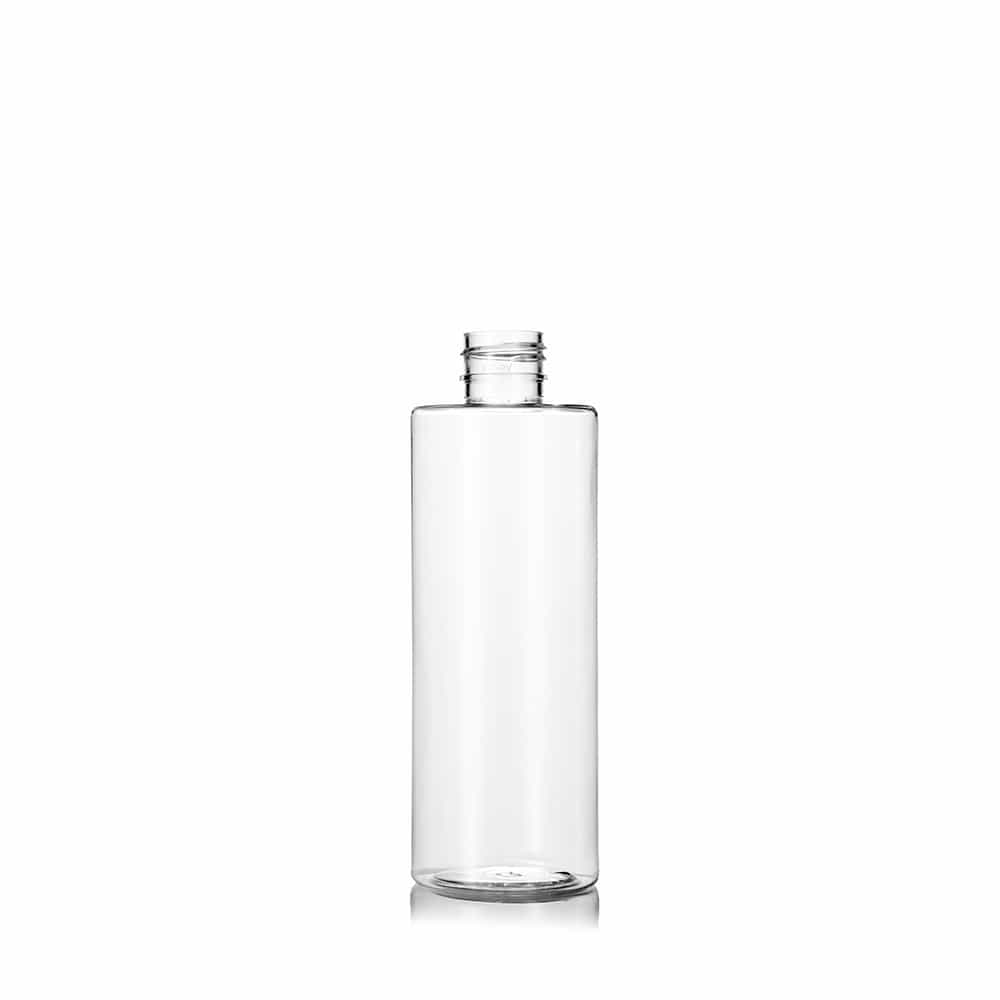
rPET stands for recycled polyethylene terephthalate. PET is the clear, lightweight plastic used in water bottles, juice bottles, condiment containers, and personal care packaging, identified by the Resin Identification Code #1 on the bottom. rPET is PET that has been collected after consumer use, cleaned, processed, and converted back into usable resin.
rPET and virgin PET are the same polymer. The difference is the source. Virgin PET is produced from petroleum-based feedstock. rPET is produced from previously used PET that has been sorted, cleaned, and reprocessed. Because it comes from post-consumer sources, rPET is classified as PCR (post-consumer recycled) plastic. All rPET used in packaging is PCR PET, the term rPET simply specifies the resin type.
The result is a material with nearly the same properties as virgin PET. It is strong, lightweight, and can be made highly transparent. The main difference is that it already lived one life before becoming your bottle.
rPET is used across a wide range of applications: beverage bottles, personal care packaging such as shampoo and lotion bottles, food containers and jars, polyester textile fibers for clothing and carpets, and packaging films and industrial strapping. Its versatility makes rPET one of the most commercially practical recycled materials available. It works with existing bottle molds and filling equipment, which makes it a drop-in replacement for brands switching from virgin plastic.
How rPET Is Made
The recycling process that produces rPET follows a well-established sequence. Understanding it helps explain both the material's strengths and its limitations. For a deeper walkthrough, see our guide on how PCR plastic is made from curbside bin to bottle.
Collection and sorting. Consumers place PET containers into recycling bins. At a Material Recovery Facility (MRF), these items are sorted from other materials. Advanced MRFs use optical sorters to separate PET by color, prioritizing clear and light blue bottles which have the highest recycling value.
Cleaning and grinding. The sorted PET is thoroughly washed to remove contaminants like labels, adhesives, and leftover product. The clean plastic is then ground into small pieces called flakes.
Melting and pelletizing. The clean flakes are melted and extruded into small pellets. These rPET pellets become the raw material that packaging manufacturers use to produce new bottles, containers, and other products. For food-contact applications, the reprocessing must meet additional purity standards set by the FDA and other regulatory agencies.
Bottle production. The pellets are injection-molded into preforms, then blow-molded into finished bottles. Because the polymer structure is the same as virgin PET, rPET bottles can be produced on standard PET blow-molding equipment with no retooling required.
Each step introduces heat and mechanical stress to the polymer. That matters for recyclability, which we cover next.
Is rPET Recyclable? How Many Times?
Yes, rPET is recyclable. It can be collected, processed, and remade into new products multiple times. Its recyclability is a primary reason brands choose rPET for sustainable packaging.
But it cannot be recycled forever.
PET is made of long polymer chains. These chains give the material its strength, clarity, and structural performance. During mechanical recycling, heat and processing break these chains, a process known as chain scission. With each cycle, molecular weight drops, intrinsic viscosity declines, impact resistance can weaken, and clarity may slightly change.
Practical cycle count. In real-world packaging systems, rPET can typically be mechanically recycled somewhere between two and seven times before material properties degrade to a level that limits bottle-grade performance. The range is wide because results depend heavily on processing quality, contamination control, sorting accuracy, and whether stabilizers or chain-rebuilding additives are used. A clean stream of high-quality clear PET bottles recycled at a well-equipped facility will survive more cycles than a contaminated mixed-color stream.
Blending to extend life. To counteract quality loss, manufacturers often blend rPET with a percentage of virgin PET. A bottle labeled "100% rPET" is made entirely from recycled material, while a 30% rPET bottle contains a blend of recycled and virgin resin. This blending strengthens the polymer structure and ensures the final package meets performance and safety standards, especially for food-grade applications. It also extends the useful life of the recycled plastic across multiple cycles.
Closed loop vs. downcycling. In a closed-loop system, rPET bottles are recycled back into new bottles. In other cases, recycled PET is converted into fiber for clothing, carpet, or insulation. Once converted into fiber, returning the material to food-grade packaging becomes significantly more difficult. The true limitation is often not chemistry alone, it also depends on collection infrastructure, contamination levels, and economic feasibility. According to the EPA, only about 30% of PET bottles and jars are recycled in the United States, meaning most PET still leaves the system after a single use.
Chemical recycling: the long-term solution. Chemical recycling (also called advanced recycling) uses heat or chemical solvents to break PET down to its original molecular building blocks, monomers. These monomers are indistinguishable from those produced from fossil fuels and can be used to create virgin-quality plastic an unlimited number of times. Chemical recycling can also process lower-quality and more contaminated plastics that mechanical recycling cannot handle. Currently, it is not widely deployed for PET at commercial scale, the technology is more energy-intensive and expensive, but as it matures, it holds the potential to make PET packaging truly circular.
rPET vs. Virgin PET
Virgin PET is made from petroleum. It has consistent clarity and color because it starts from a controlled raw material. rPET starts from collected consumer waste, which introduces some variability.
Clarity and appearance. High-quality rPET can match virgin PET in clarity and structural performance. Lower-grade rPET may have a slight haze or off-white tint. The grade you get depends on your supplier and the quality of their source material and processing. Ask for samples and batch-to-batch quality specs before committing.
Performance. rPET bottles from reputable suppliers perform the same as virgin PET in standard fill, cap, label, and ship operations. Wall thickness, drop resistance, and barrier properties are comparable. If you have demanding requirements, ask for wall thickness specs and drop test data.
Environmental footprint. rPET wins clearly. Producing rPET uses approximately 79% less energy than producing virgin PET from petroleum feedstock, according to recycling industry studies. Carbon emissions are 30 to 70% lower depending on the production process and energy sources used. Every rPET bottle represents petroleum that did not need to be extracted.
Cost. In many markets, rPET prices have become competitive with virgin PET, especially as demand and processing infrastructure grow. Brands that lock in rPET supply relationships now position themselves for cost stability as recycled content mandates tighten supply.
Certification. Virgin PET requires no sourcing documentation beyond standard material safety data. rPET requires chain-of-custody documentation to substantiate recycled content claims. Look for suppliers with GRS, SCS, or ISCC PLUS certification, these third-party programs verify that the recycled content is real, not just a marketing claim.
Why Brands Are Switching to rPET
Three forces are driving adoption: regulation, consumer expectations, and design compatibility.
Regulations are leading the charge. California SB 54 mandates minimum recycled content in plastic packaging sold in California, with targets increasing through 2032. The EU Single-Use Plastics Directive requires that PET beverage bottles contain at least 25% recycled content by 2025 and 30% by 2030. Washington, New Jersey, and several other U.S. states have passed or are advancing similar legislation. Brands selling in these markets have no choice but to adapt.
Consumer expectations are shifting. Buyers at retail and direct-to-consumer channels look for sustainability signals. An rPET bottle communicates that your packaging did not require new oil to produce. That resonates, and it is increasingly a factor in purchase decisions and retailer shelf placement.
Design compatibility makes switching easy. rPET works in the same bottle formats, neck finishes, cap styles, and label areas as virgin PET. It accommodates small 2 oz bottles up to large 64 oz containers. Most stock rPET bottles are drop-in replacements for their virgin PET equivalents, no new molds, no equipment changes, no reformulation.
The combination of legal requirements, market pressure, and zero switching friction is why rPET adoption is accelerating across beverage, personal care, and nutrition categories.
Design Your rPET Packaging for Maximum Recyclability
Choosing rPET is step one. Designing your packaging so it can actually be recycled again is step two. Follow these principles based on Association of Plastic Recyclers (APR) guidelines:
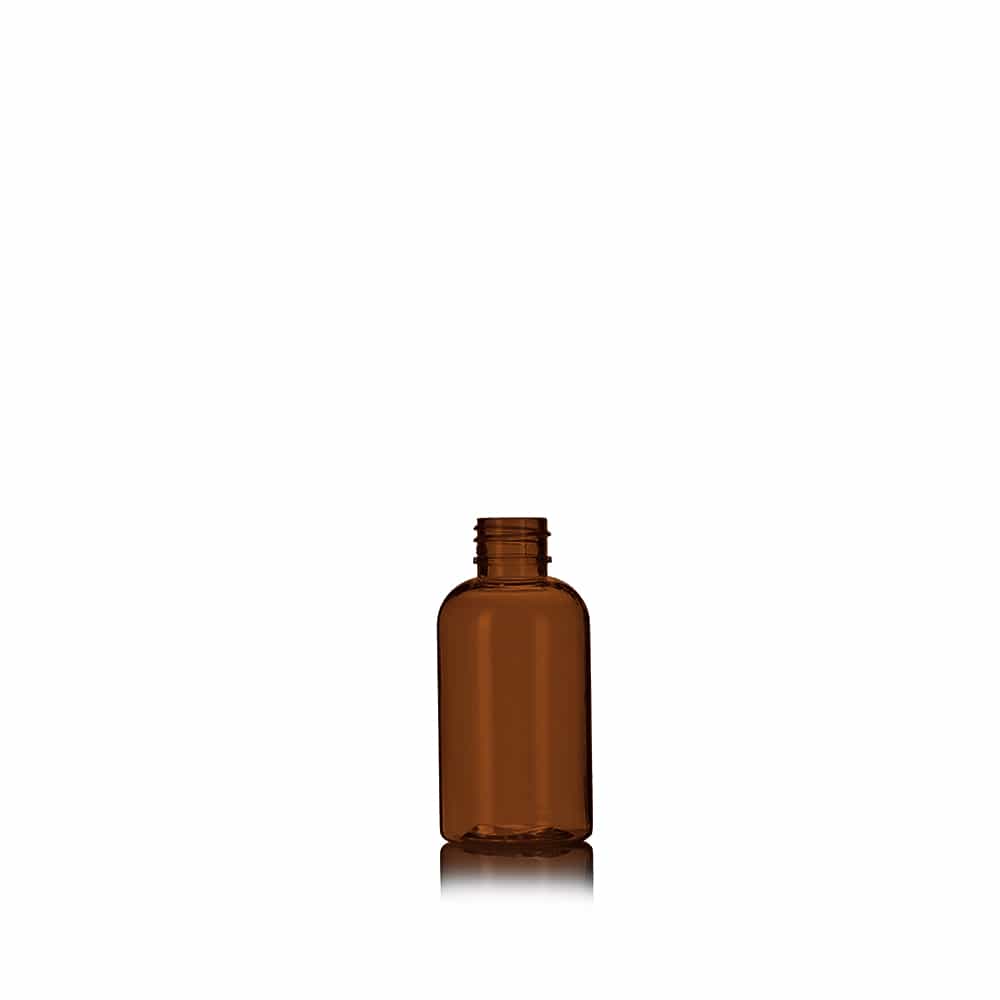
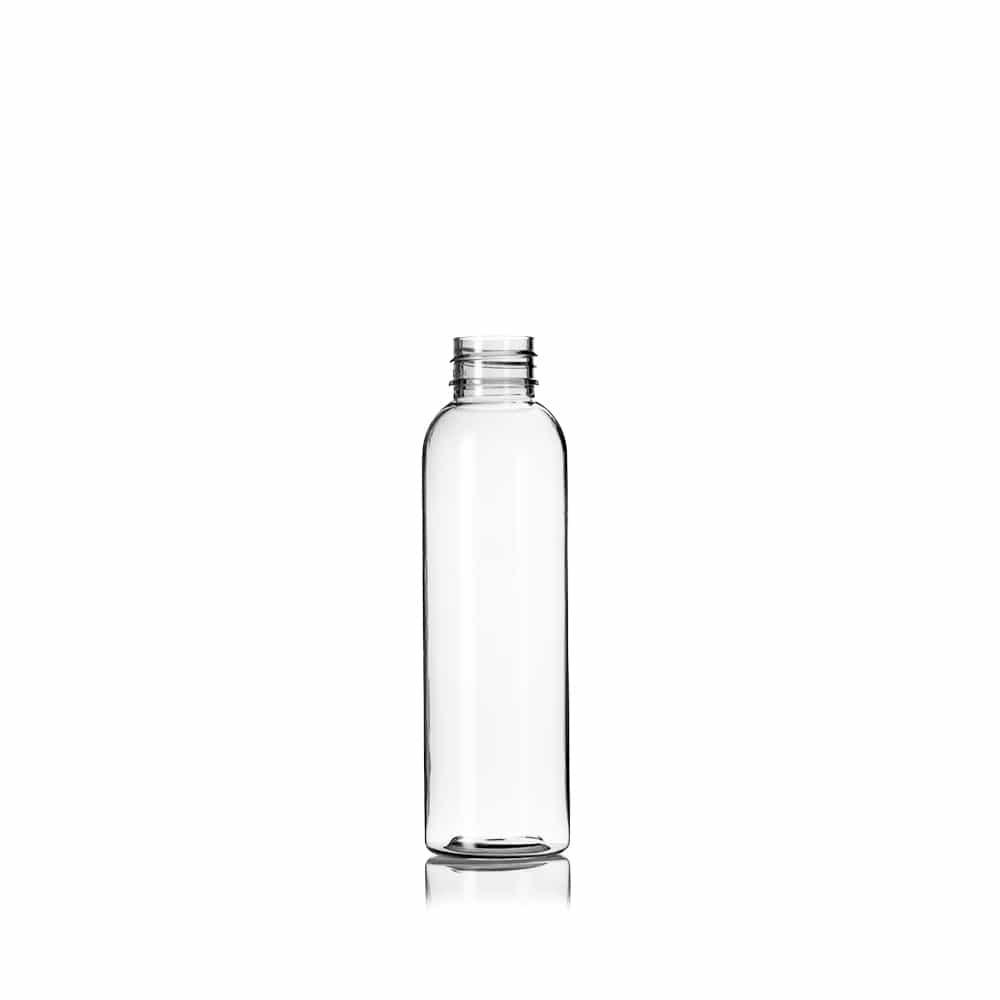
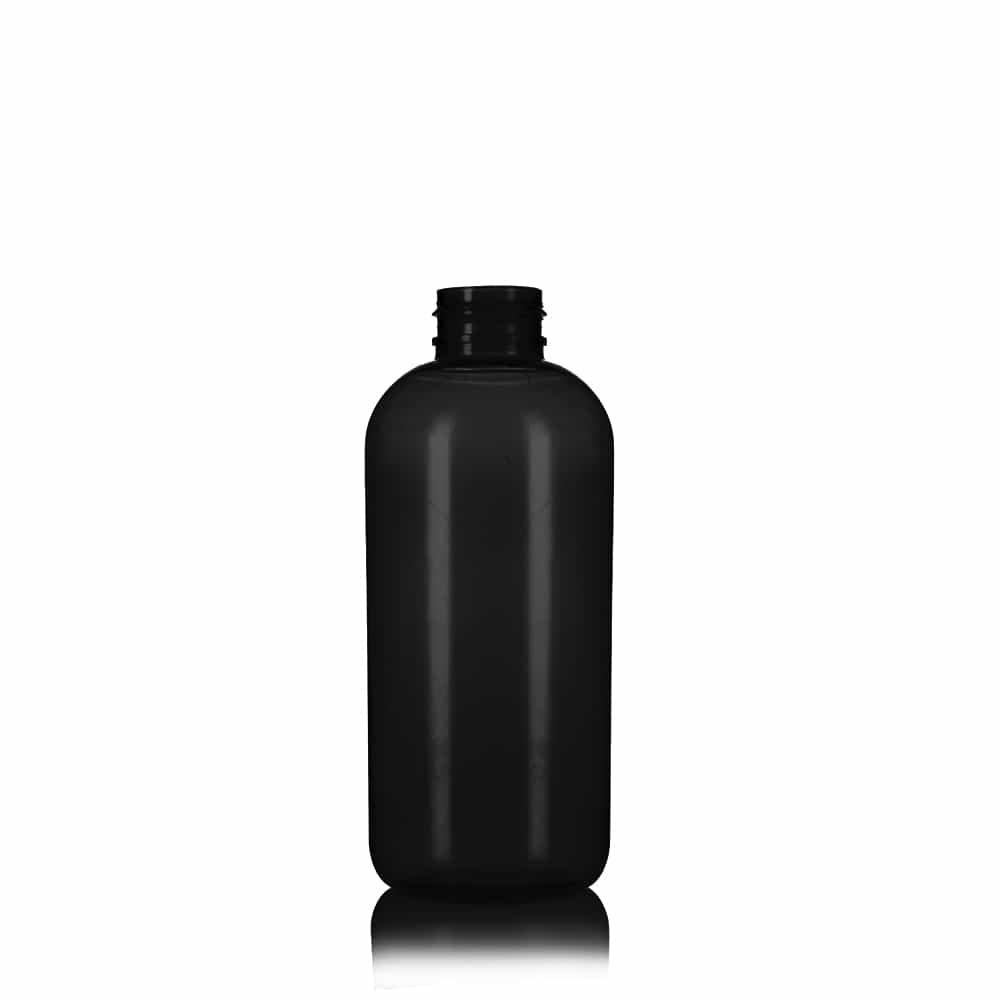
- Use clear or light blue PET. These colors have the highest recycling value and can be recycled back into clear bottles. Dark, opaque, or heavily tinted colors contaminate the clear recycling stream and are often downcycled or landfilled.
- Select recyclable labels and adhesives. Use labels that easily separate during the wash cycle. Pressure-sensitive and shrink-sleeve labels can be problematic if not designed for recycling compatibility.
- Avoid non-recyclable components. Eliminate elements made from different materials that contaminate the PET stream, metal springs in pumps, incompatible cap liners, certain barrier layers. Choose mono-material designs where possible.
- Provide clear consumer instructions. Use standardized labeling like the How2Recycle logo. Simple instructions such as "Empty Before Recycling" or "Rinse and Replace Cap" measurably increase recycling rates.

Written by
Queenie FongQueenie Fong is the founder of Propack Solutions, a woman-owned sustainable packaging company based in Ontario, CA. With nearly a decade of experience in the packaging industry, she specializes in post-consumer recycled (PCR) materials, helping brands source rPET, PCR HDPE, and PCR PP packaging that meets regulatory requirements and sustainability goals.