LuxePack New York 2026: What Small Brands Actually Need to Know Before May 6


LuxePack New York runs May 6 and 7 at the Javits Center. Over 230 exhibitors from 22 countries. Free attendance for pre-registered professionals. If you sell anything in a bottle, jar, tube, or pump and you are not going, you should at least understand what is happening there, because the decisions being made on that show floor will change what your packaging options look like for the next two years.
This is not a recap of vague "sustainability trends." This is what the show actually means for brands buying packaging right now.
The Show Is Not for You (and That Is the Point)
LuxePack is built for luxury. Fragrance houses, prestige beauty, spirits brands with design budgets that would make an indie founder cry. The exhibitors are packaging manufacturers serving Estee Lauder, LVMH, and Chanel. The DIELINE Awards celebrate design that costs more per unit than most small brands spend on their entire first run.
So why should a small brand care?
Because luxury sets the standard that everyone else follows 18 months later. When LuxePack exhibitors start showing mono-material pumps and high clarity PCR at scale, that means those components are about to become available downstream. When the LUXE PACK in Green judges (Vinita Jayant from Henry Rose, Monica Becker from Cradle to Cradle, Victor Casale from MOB Beauty, Sherrie Hughes from Estee Lauder) reward a particular innovation, that innovation gets funded, scaled, and eventually priced for smaller buyers.
The 2025 winners tell the story. Arcade Beauty won Category 1 with an 80% paper packette. Groupe Pochet won Category 2 with a lifecycle assessment tool. The signal is clear: the industry is rewarding quantifiable environmental performance, not greenwashing. That pressure rolls downhill to every supplier, including the ones you buy from.
PCR Is No Longer the Hard Sell
Two years ago, showing up at a trade show talking about post-consumer recycled content meant explaining what PCR stands for. That conversation is over. At LuxePack 2026, PCR is a baseline. The real conversations are about PCR quality, specifically whether recycled bottles can match virgin in clarity, color consistency, and structural integrity.
The answer is yes. Not universally, and not from every supplier, but the gap has closed enough that major beauty brands are specifying 35% and 50% PCR content without worrying about shelf appearance. The formulation work that makes this possible is not visible on a trade show floor, but it is the reason those bottles look the way they do.
For brands in California, this matters more than aesthetics. SB 54 requires escalating recycled content in plastic packaging. The compliance deadlines are not abstract. If your packaging supplier cannot tell you the exact PCR percentage in your bottles and back it with GRS or equivalent documentation, you are exposed. LuxePack is where the big suppliers announce their compliance readiness. Smaller brands should be asking their own suppliers the same questions.
Mono-Material Design Is the Quiet Revolution
The most consequential trend at LuxePack 2026 is not a new material. It is the elimination of mixed materials. Pumps made from a single resin. Closures that do not require separating a liner from a shell. Bottles designed so every component can enter the same recycling stream.
This matters because mixed-material packaging is the reason recycling rates stay low. A beautiful PET bottle with a PP pump and a silicone valve is technically three separate materials that most municipal recycling programs cannot sort. Mono-material design fixes this at the source.
For brands placing orders today, ask your supplier whether the pump or closure you are buying is mono-material or mixed. If it is mixed, ask when a mono-material alternative will be available. The answer to that question tells you whether your supplier is paying attention.
The economics support the shift. Mono-material components are simpler to manufacture, which means they are often the same price or cheaper than their mixed-material predecessors once tooling catches up. Suppliers showing mono-material solutions at LuxePack are not offering a premium upgrade. They are showing the future default.
What the Per(fume)Form Series Reveals About Packaging Strategy
LuxePack runs two installations under the Per(fume)Form series this year. "From Scent to Substance" with Material ConneXion translates fragrance concepts into physical material choices. "From Brief to Bottle" with the World Perfume Congress walks through the entire process from creative brief to finished package.
These are designed for fragrance decision makers, but the framework applies to any product. The gap between "what I want my packaging to communicate" and "what materials and formats can actually deliver that" is where most small brands lose time and money. Understanding how luxury brands close that gap, even if you cannot afford their suppliers, gives you a better brief for your own packaging partner.
The Education Program Is Where the Real Information Lives
The show floor is for sourcing. The education program is for understanding where the industry is going. LuxePack describes the 2026 theme as "Sourcing Premium Packaging That Performs" with sessions designed to address "the latest pain points and upcoming disruptive trends." The specific session schedule has not been published yet, but historically the education track covers regulatory changes, material science developments, and case studies from brands that have successfully transitioned to sustainable packaging.
If you attend, prioritize the education sessions over walking the floor. The exhibitors will be there both days. The panels only happen once.
The DIELINE Awards Show Where Design Standards Are Heading
The DIELINE Awards, presented by LuxePack, are the most recognized packaging design competition in the industry. The showcase area at the show floor displays the winners across categories covering branding, sustainability, and structural design. For small brands, studying the winners is free market research. The aesthetic choices and material selections that win DIELINE awards this year will show up in consumer expectations next year. If your packaging looks dated by those standards, your product looks dated by extension.
What to Do If You Are Not Attending
Most of the brands reading this are not flying to New York for a two-day packaging show. Here is what to do instead:
Watch the LUXE PACK in Green award ceremony results (May 7, 11:00 AM). The winners signal which sustainability approaches the industry considers viable, not aspirational. Those approaches become commercially available within 12 to 18 months.
Ask your current packaging supplier three questions before the show: What is the PCR percentage in my bottles? Is my closure mono-material or mixed? Can you provide GRS or equivalent chain of custody documentation? If they cannot answer all three, you have a sourcing problem that LuxePack exhibitors solved last year.
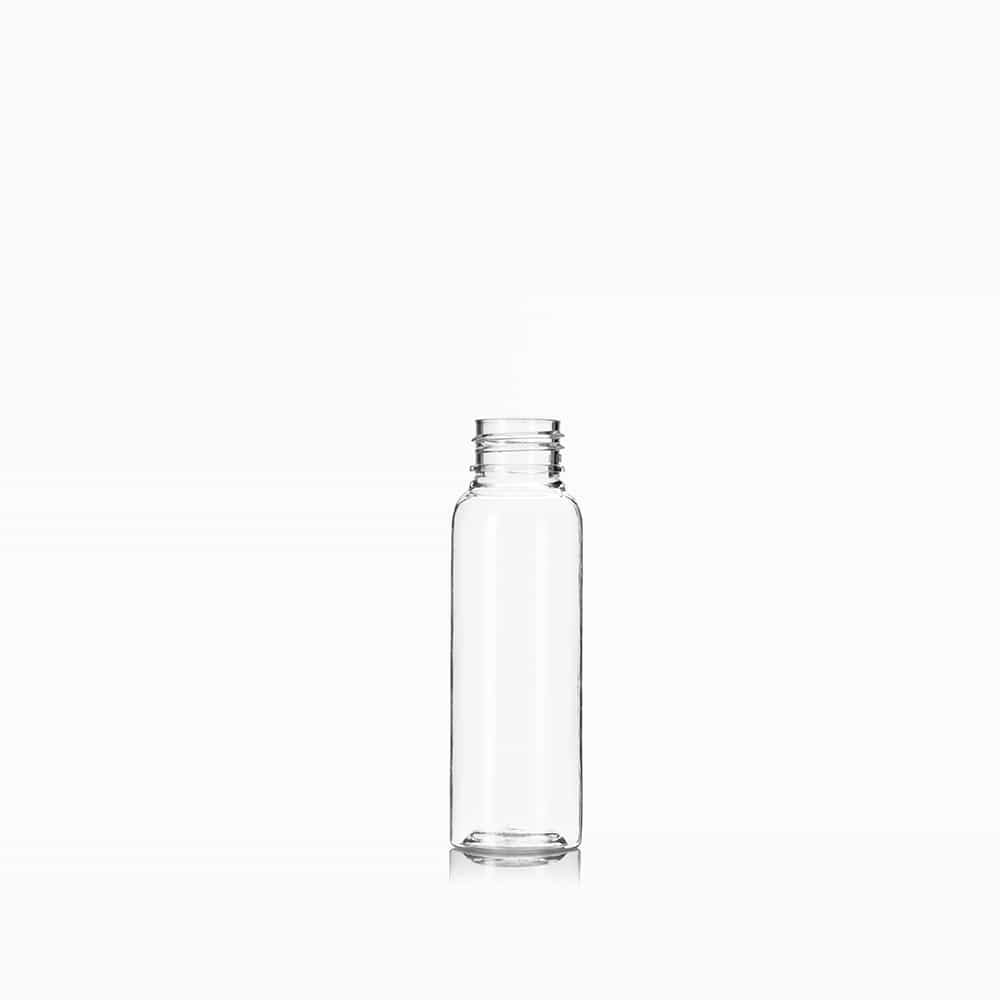
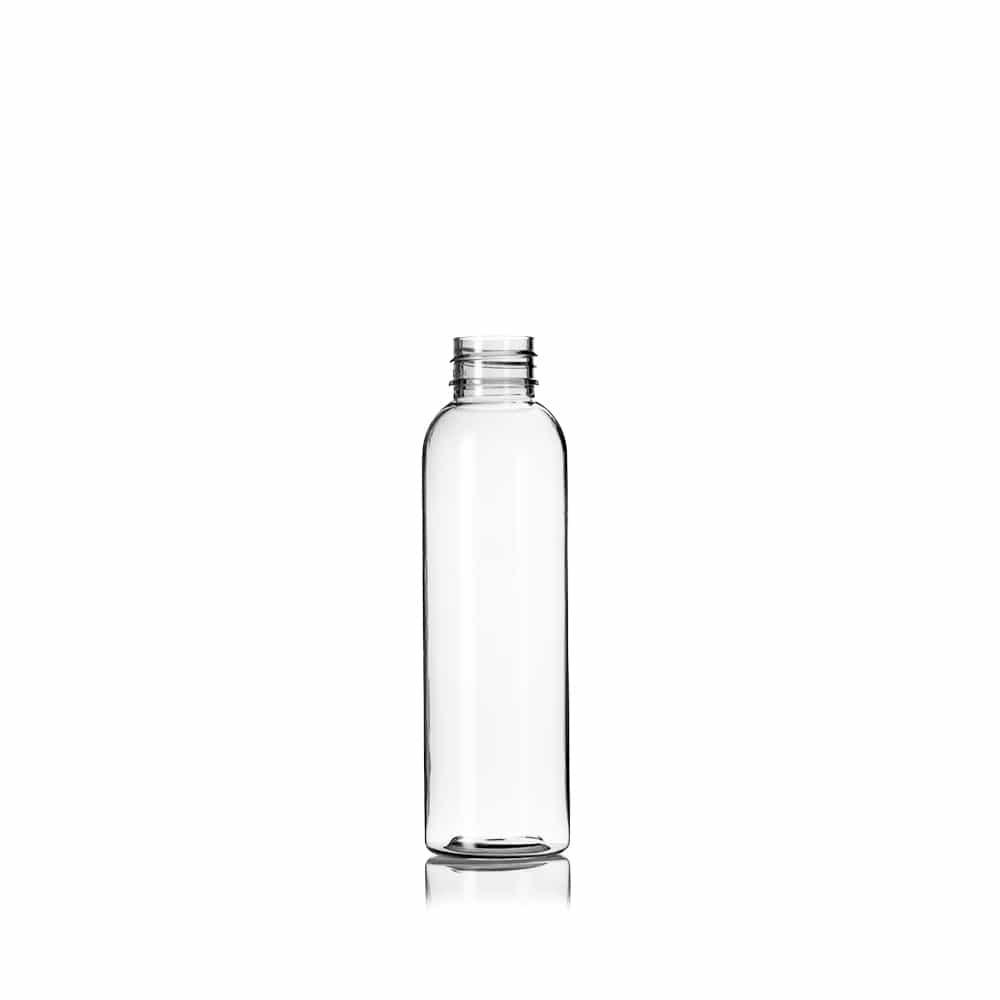
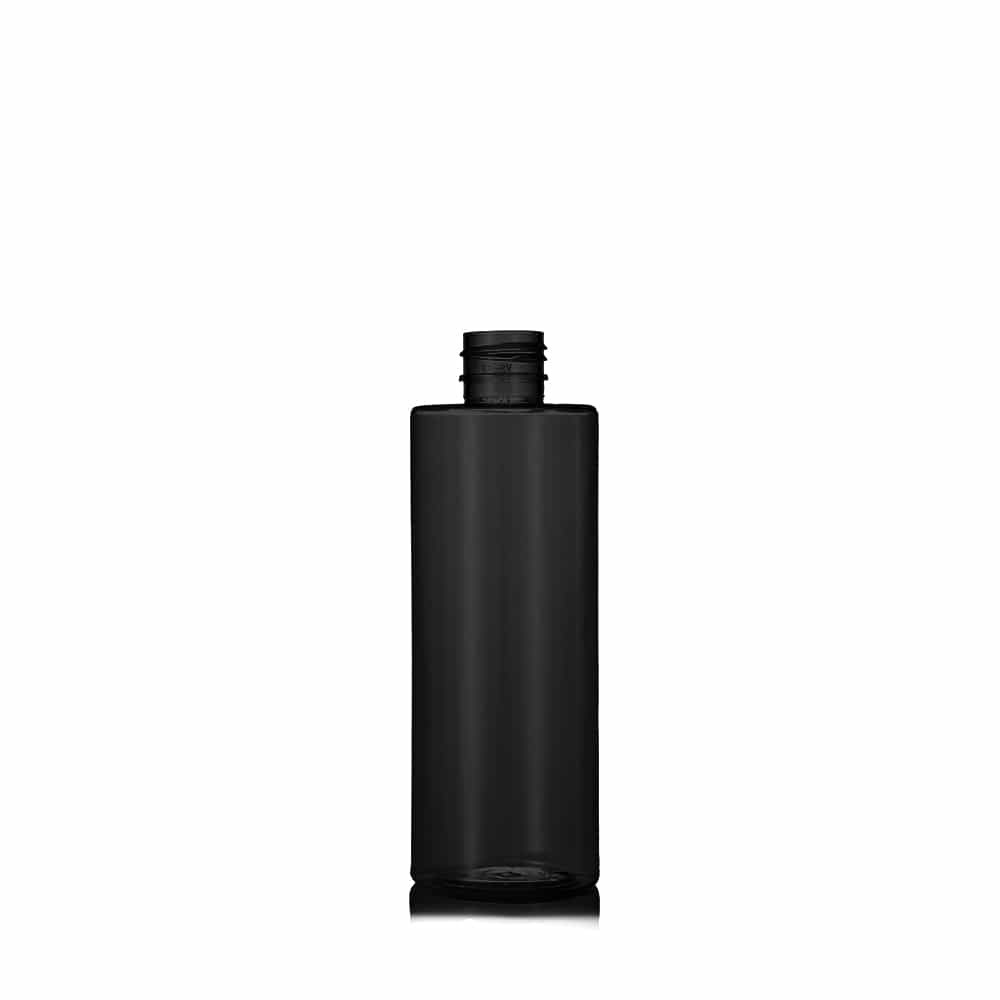
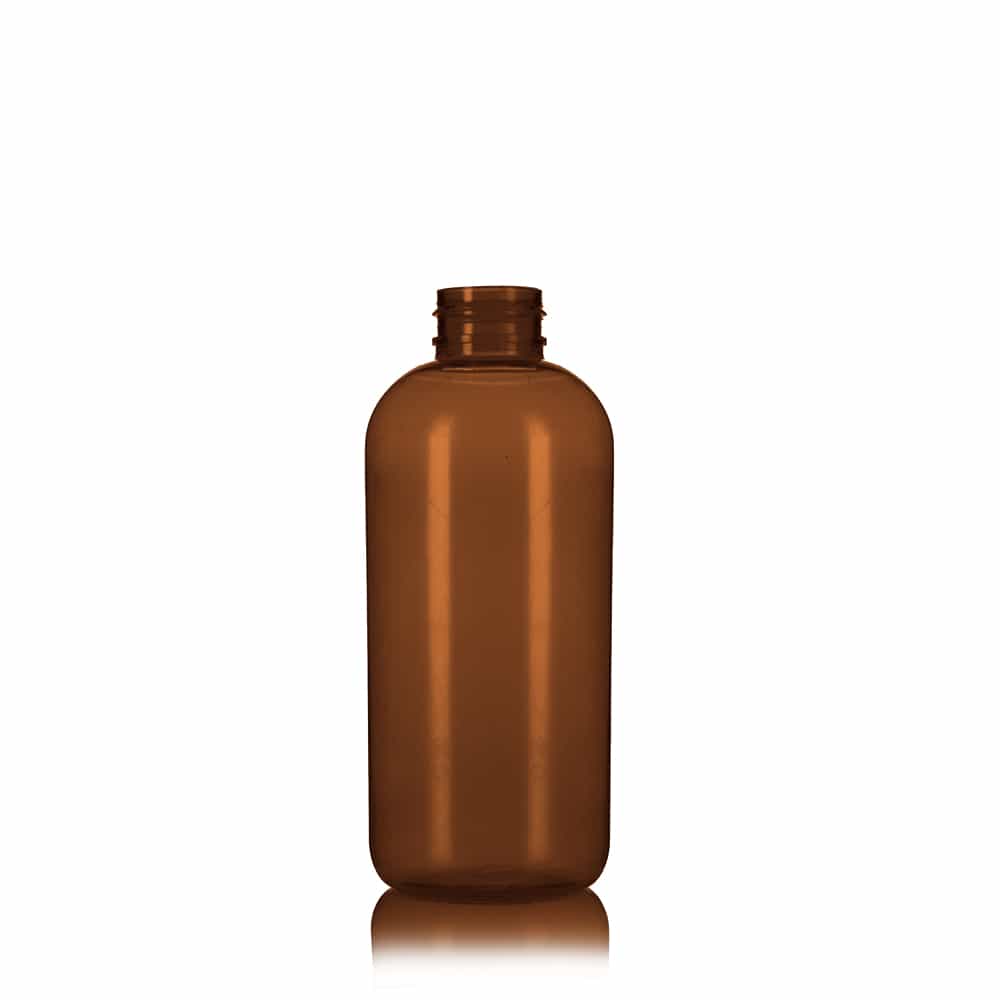
Start small. You do not need a luxury packaging budget to buy recycled bottles. PCR bottles at 35% and 50% recycled content are available at the same price as virgin plastic, with no minimum order quantity, shipped from California. The technology that makes this possible came from the same supply chain innovations showcased at events like LuxePack. The difference is that some suppliers have already made it accessible.
Frequently asked questions
When and where is LuxePack New York 2026?+
May 6 and 7, 2026 at the Javits Center in Manhattan (429 11th Avenue, New York, NY 10001). Hours are 9:00 AM to 6:00 PM on May 6 and 9:00 AM to 5:00 PM on May 7.
Is LuxePack free to attend?+
Yes. Attendance is free for pre-registered industry professionals. On site registration is available but pre-registration avoids wait times. Children under 16 are not permitted.
What is the LUXE PACK in Green award?+
An annual award recognizing the most impactful sustainable packaging innovations presented by LuxePack exhibitors. Category 1 covers sustainable product and solution design. Category 2 covers CSR initiatives with social and environmental impact. The 2025 winners were Arcade Beauty (80% paper packette) and Groupe Pochet (lifecycle assessment tool).
Who judges the LUXE PACK in Green awards in 2026?+
The 2026 panel includes Vinita Jayant (Henry Rose), Monica Becker (Cradle to Cradle Products Innovation Institute), Victor Casale (MOB Beauty and Pact Collective), Sherrie Hughes (Estee Lauder Companies), Jamie Matusow (Beauty Packaging Magazine), and Ieva Svatos (MBDC). Claire Domergue of Luxus Plus hosts.
How many exhibitors will be at LuxePack New York 2026?+
Over 230 exhibitors from 22 countries, covering packaging manufacturing, materials, decoration, closures, dispensing systems, and sustainable packaging solutions.
What does LuxePack mean for small brands that cannot attend?+
The innovations showcased at LuxePack become commercially available to smaller buyers within 12 to 18 months. Track the award winners and education session topics to understand where the industry is heading, then ask your packaging supplier whether they are keeping up.

Written by
Queenie FongQueenie Fong is the founder of Propack Solutions, a woman-owned sustainable packaging company based in Ontario, CA. With nearly a decade of experience in the packaging industry, she specializes in post-consumer recycled (PCR) materials, helping brands source rPET, PCR HDPE, and PCR PP packaging that meets regulatory requirements and sustainability goals.