Every Packaging Component You Need to Launch a Beauty Product


Most first time beauty founders know they need a bottle. They spend weeks choosing the right shape, size, and material. Then two weeks before launch they realize they also need a closure that fits, a label that meets FDA requirements, a box that protects everything during shipping, inserts for a proper unboxing experience, and some way to keep the bottle from rattling around inside the mailer.
That scramble is avoidable. The packaging for a single beauty product is not one item. It is a system of five to seven components, each sourced from a different supplier, each with its own lead time, and each with compatibility requirements that affect the others.
Here is every component you need, why it matters, and what to get right before you order.
Primary Containers: Bottles, Jars, and Tubes
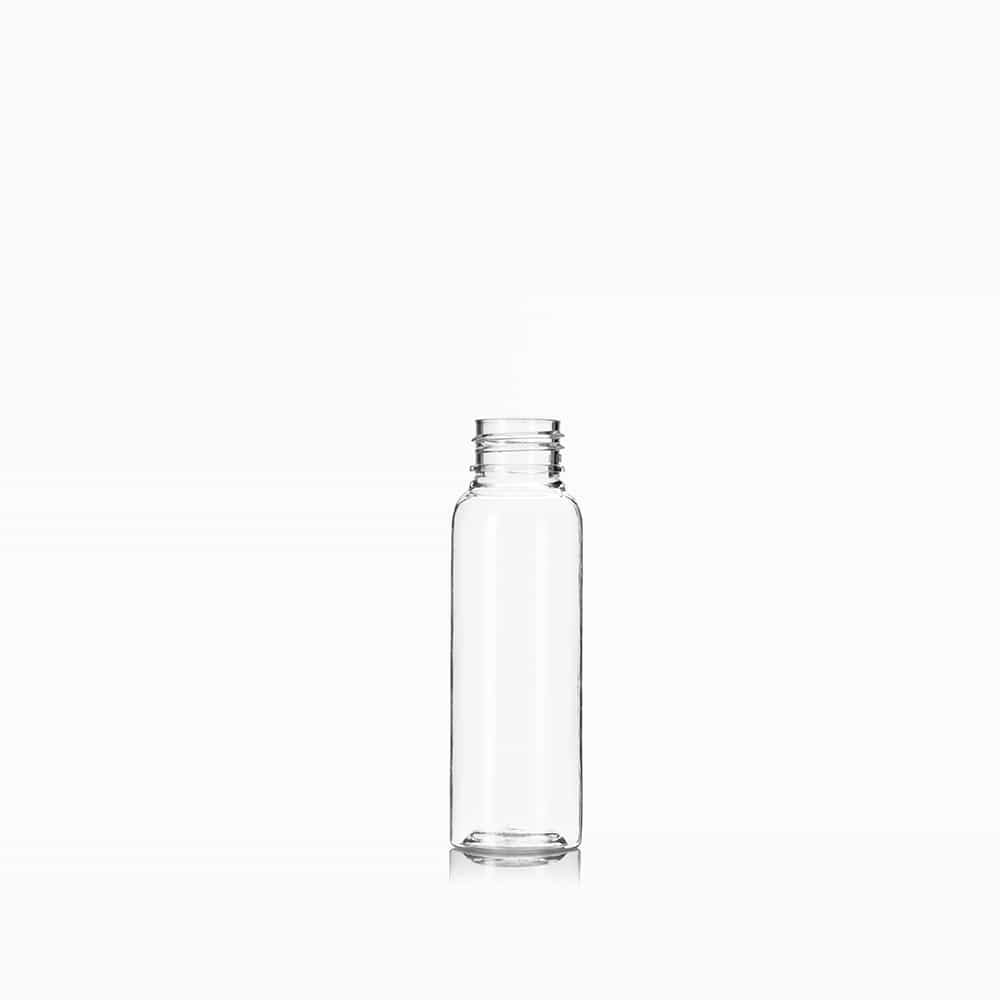
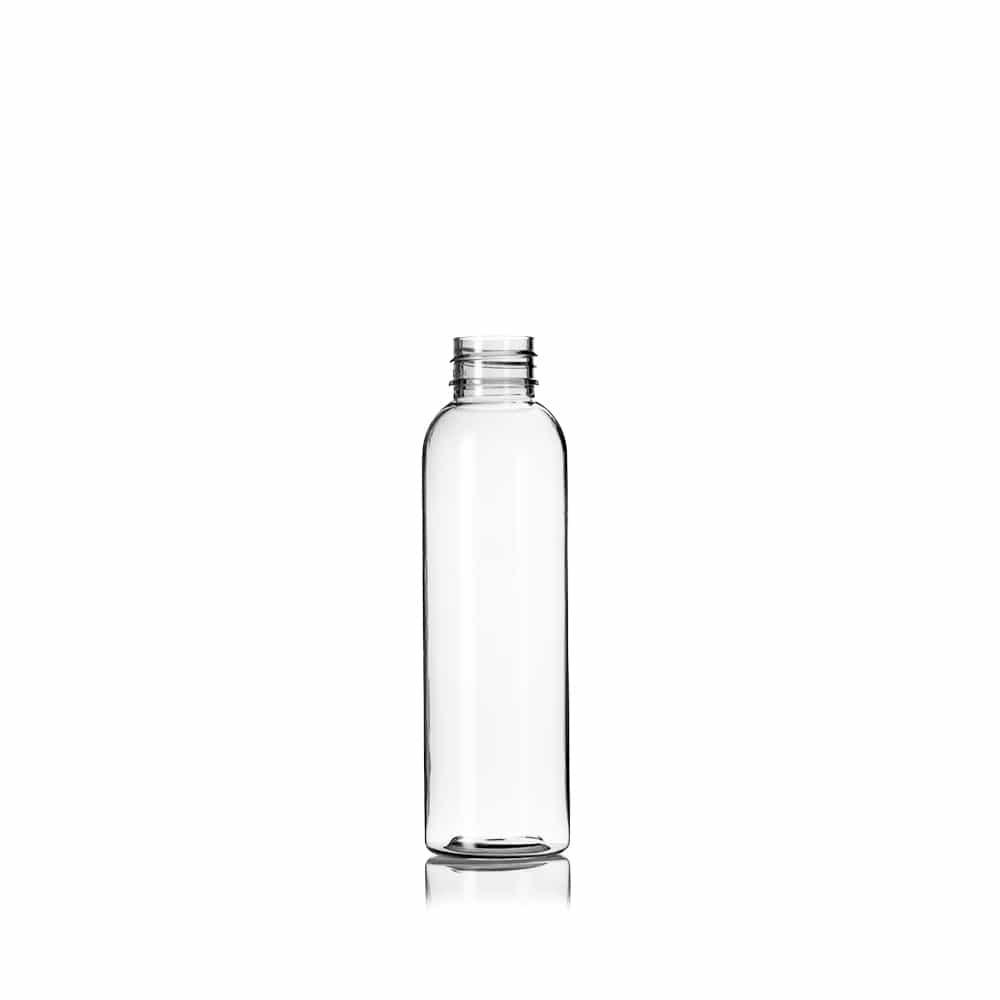
The primary container is the vessel that holds your formula. This is the component most founders start with and the one that drives every other decision.
For liquid products like serums, toners, cleansers, and body oils, plastic or glass bottles are standard. For thicker products like creams, balms, and masks, jars or squeeze tubes work better. The choice depends on your formula viscosity, the dispensing method your customer expects, and your price point.
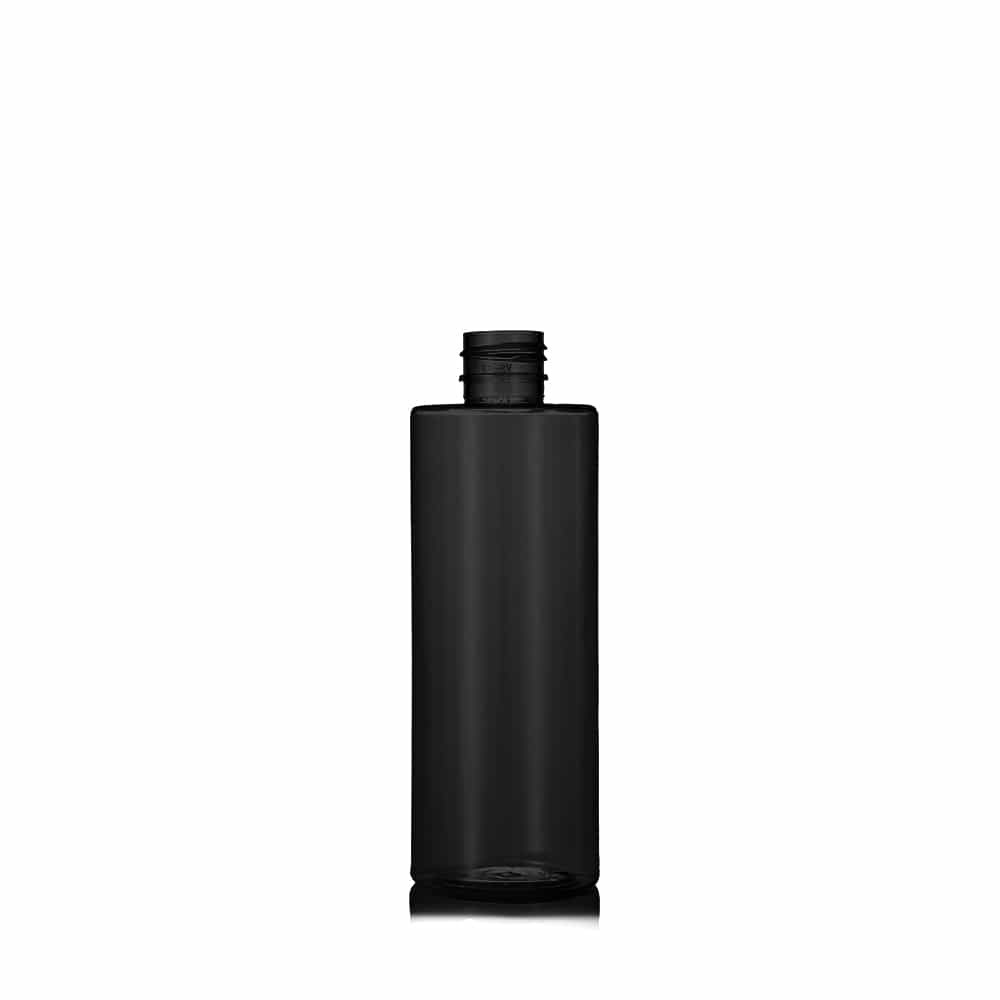
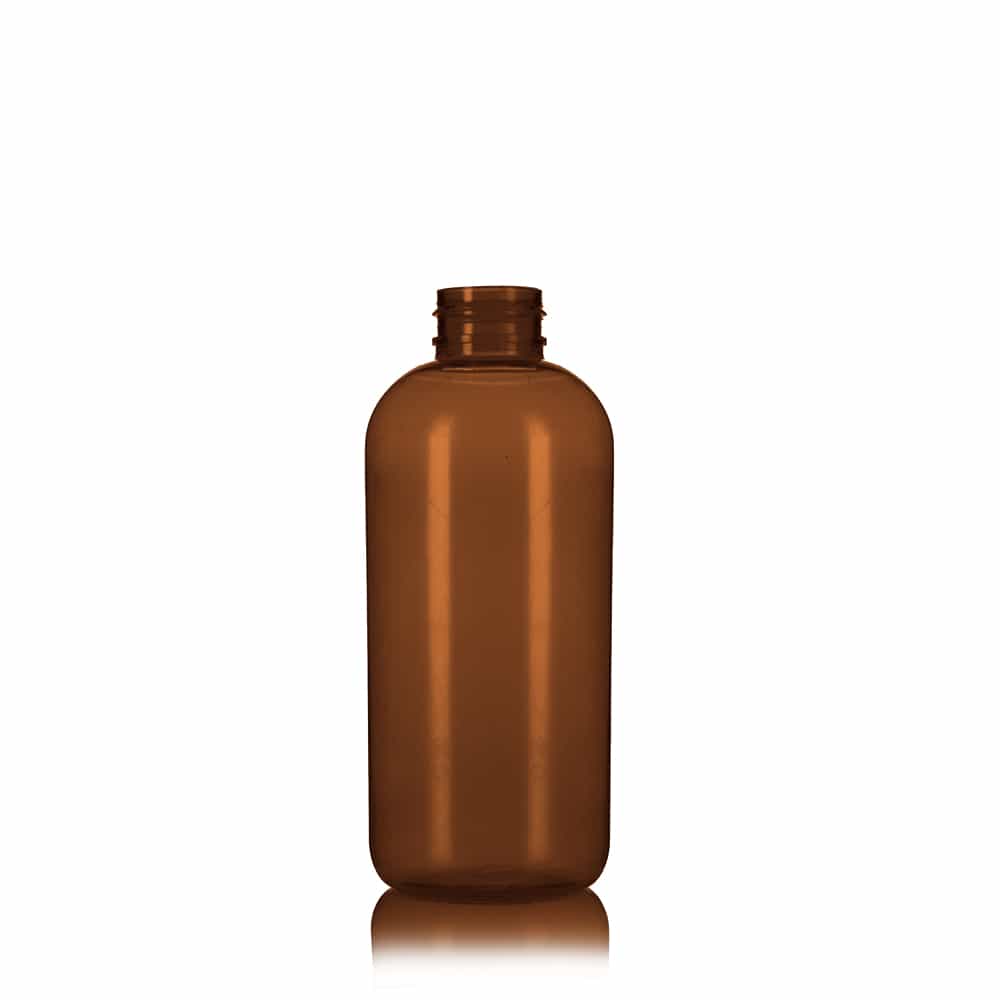
Material matters more than most founders realize. PET plastic is the most common choice for beauty bottles because it is clear, lightweight, and widely recyclable. HDPE works for opaque products like shampoos and lotions where clarity is not needed. Glass signals premium but adds weight, shipping cost, and breakage risk.
PCR (post-consumer recycled) plastic is increasingly expected by retailers and consumers. California SB 54 is pushing recycled content requirements, and buyers are asking about it during vendor reviews. If you plan to sell in California or pitch to retailers with sustainability requirements, choosing PCR containers now saves a reformulation later.
The critical spec is the neck finish. A 24-410 neck finish means the bottle opening is 24mm in diameter with a 410 thread pattern. Every closure, pump, and sprayer is designed for a specific neck finish. If your bottle is 24-410 and your closure is 28-410, it will not fit. This is the single most common sourcing mistake new brands make.
 Different primary container types for beauty products including PET bottles, HDPE bottles, glass jars, and squeeze tubes
Closures: Caps, Pumps, and Sprayers
The closure is everything that seals the bottle. Screw caps, disc-top caps, flip-top caps, lotion pumps, treatment pumps, fine mist sprayers, trigger sprayers. Each one has a specific use case.
Screw caps work for products the customer pours or applies with hands. Disc-tops work for thinner lotions and body washes where controlled dispensing matters. Pumps work for serums, liquid soaps, and lotions where one-handed use is important. Sprayers work for facial mists, setting sprays, and cleaning products.
The closure material affects recyclability. Most closures are polypropylene (PP), which is the industry default because PP handles the flex fatigue of flip-top hinges and the compression needed for a tight seal. But the packaging industry is moving toward mono-material designs where the closure matches the bottle resin. A PET bottle with a PET cap, or an HDPE bottle with an HDPE cap, recycles as a single stream without separation. Mono-material closures are increasingly available for simple screw cap and disc-top designs.
For pumps and sprayers, check whether the pump includes a metal spring. Metal springs make the entire closure non-recyclable. All-plastic pump designs exist now and are worth sourcing if sustainability is part of your brand story.
Do not forget the dip tube. Pumps and sprayers need a dip tube that reaches the bottom of the bottle to dispense the last 10 to 15 percent of product. Dip tubes come in standard lengths and usually need to be trimmed to match your specific bottle height. Order pump and bottle together from the same supplier whenever possible so the dip tube length is correct.
Labels and Shrink Sleeves
The label is the first thing a customer reads and the component most likely to cause compliance problems.
For beauty products sold in the United States, the FDA requires specific information on the label: product identity, net contents, ingredient list (INCI names in descending order of predominance), distributor or manufacturer name and address, and any required warnings. The FTC adds rules around marketing claims. If your label says "natural" or "organic" without meeting specific standards, that is a regulatory problem.
There are two main label types for bottles. Pressure-sensitive labels (PSA) are the peel-and-stick labels most indie brands start with. They are cost effective at low volumes and work well on flat or slightly curved surfaces. Shrink sleeves are plastic film that wraps around the entire bottle and shrinks to fit with heat. Shrink sleeves offer 360-degree branding and a tamper-evident seal, but they require higher minimum orders and make the bottle harder to recycle because the sleeve material (usually PVC or PETG) differs from the bottle material.
If recyclability matters to your brand, pressure-sensitive labels with a wash-off adhesive are the better choice. The label separates from the bottle during the recycling wash process, leaving a clean flake stream. Shrink sleeves that cover more than a small percentage of the bottle surface can cause the entire bottle to be missorted at recycling facilities because the NIR scanner reads the sleeve material instead of the bottle.
Label sizing depends on your bottle dimensions. Measure the flat area of your bottle (the space between curves) and design within that. Labels that wrap over curves wrinkle. Labels that sit too close to the bottom peel off in humid conditions. Get a physical sample of your bottle before finalizing label dimensions.
 Pressure-sensitive label being applied to a beauty product bottle
Outer Packaging: Boxes and Cartons
Not every product needs a box. But if you are selling through retail, subscription boxes, or positioning as premium, the outer box is part of the experience.
Folding cartons (the lightweight printed boxes you see on pharmacy shelves) are the most common outer packaging for beauty products. They protect the bottle during shipping, provide additional space for marketing copy and regulatory information, and create the unboxing moment that drives social media sharing.
Rigid boxes (the heavier, lid-and-base style) signal luxury but cost significantly more and take up more shelf space. Most indie brands start with folding cartons and move to rigid boxes only for hero products or gift sets.
The box material matters for your sustainability story. FSC-certified paperboard, recycled cardboard, and soy-based inks all signal environmental responsibility. If your bottle is PCR plastic and your box is FSC-certified recycled cardboard, you have a complete sustainability narrative from inside out.
Custom printed boxes require minimum orders, typically 500 to 1,000 units depending on the supplier. If you are launching with smaller quantities, plain kraft boxes with a branded sticker or belly band are a practical alternative that still look intentional. Companies like Foxtail Packaging specialize in custom cosmetic boxes designed for beauty brands at various volumes.
Spec the box interior to fit your specific bottle dimensions. A bottle rattling inside an oversized box damages labels, loosens caps, and makes the product feel cheap regardless of what you spent on the formula.
 Beauty product packaging with folding carton box, tissue paper insert, and bottle
Inserts, Tissue, and Finishing Touches
The space between the bottle and the box is where unboxing becomes an experience or stays a transaction.
Common inserts include tissue paper (branded or plain), thank you cards, instruction cards, discount cards for repeat purchases, and molded pulp or corrugated dividers that hold the bottle in place. None of these are strictly necessary, but for brands selling direct to consumer, the unboxing experience directly affects repeat purchase rates and social media sharing.
Keep inserts minimal and purposeful. A tissue wrap, a single card, and a fitted insert that holds the bottle securely is enough. Overpacking with confetti, multiple cards, and decorative filler creates waste that contradicts a sustainability message.
If you are shipping multiple products together (a set or a bundle), dividers or a molded tray prevent bottles from knocking against each other. Custom molded trays are expensive at low volumes. Corrugated dividers accomplish the same thing for a fraction of the cost.
Shipping and Transit Protection
The outer box is not the shipping box. Unless you are selling through retail (where the product ships on a pallet in cases), your customer receives the product in a shipping mailer or corrugated box.
For single products, poly mailers are the cheapest option but offer minimal protection. Corrugated mailers or rigid mailers protect better and feel more intentional. For fragile products (glass bottles, pump mechanisms that can break), bubble mailers or corrugated boxes with void fill are necessary.
Right-size your shipping packaging. A 2 oz serum bottle in a 12x12x12 box wastes packaging material, costs more in dimensional weight shipping charges, and arrives looking like an afterthought. Mailers that fit the product snugly reduce damage, reduce shipping costs, and reduce the amount of packaging the customer has to throw away.
If you are using a fulfillment center (3PL), confirm that your shipping packaging specs are on file and that the 3PL stocks your branded mailers. Many fulfillment issues come from the 3PL substituting generic packaging because the branded mailers ran out and nobody reordered.
The Sourcing Timeline That Actually Works
Most first time founders underestimate packaging lead times. Here is a realistic timeline working backward from your launch date.
Twelve to sixteen weeks before launch, finalize your bottle, closure, and label specifications. Order samples of your primary container and closure together to verify fit, especially neck finish compatibility and dip tube length.
Ten to twelve weeks before launch, place your bottle and closure production order. Stock items can ship in one to two weeks, but custom colors, custom printing, or PCR formulations may take six to eight weeks.
Eight to ten weeks before launch, finalize label artwork and order your label run. Confirm all regulatory copy is reviewed and approved.
Six to eight weeks before launch, order outer packaging (folding cartons or boxes) if applicable. Custom printed boxes take four to six weeks.
Four weeks before launch, order inserts, tissue, and shipping materials. Begin assembly and kitting if you are doing it in house, or ship all components to your fulfillment center.
Two weeks before launch, run a complete test: pull one finished unit off the line, pack it in the full shipping setup, ship it to yourself, and open it as a customer would. Check for damage, label alignment, cap tightness, pump function, and overall presentation.
This timeline assumes stock packaging. Custom molds add eight to twelve additional weeks at the front end.
Frequently asked questions
How many packaging components does a typical beauty product need?+
A standard beauty product requires five to seven components: primary container (bottle, jar, or tube), closure (cap, pump, or sprayer), label or shrink sleeve, outer box or carton (if applicable), inserts or finishing materials, and shipping packaging. Each component is typically sourced from a different supplier with its own lead time and minimum order quantity.
What is the most common packaging mistake new beauty brands make?+
Mismatched neck finishes. Founders order a bottle with one neck finish specification and a closure with a different one. A 24-410 bottle requires a 24-410 closure. A 28-400 closure will not fit a 28-410 bottle even though the diameter is the same, because the thread pattern differs. Always confirm that bottle and closure neck finish numbers match exactly.
How far in advance should I order packaging before a product launch?+
Plan for twelve to sixteen weeks of total lead time. Stock bottles and closures can arrive in one to two weeks, but custom colors, PCR formulations, and custom printed boxes each add four to eight weeks. Labels, inserts, and shipping materials have shorter lead times but still require artwork finalization and proofing. A production delay on any single component can push your entire launch.
Do I need outer packaging for every beauty product?+
Not necessarily. Products sold direct to consumer through ecommerce can ship in a branded mailer without an individual product box. Outer packaging becomes more important for retail placement (where shelf presentation matters), subscription boxes, gift sets, and any product positioned as premium. If your product needs additional regulatory copy that does not fit on the bottle label, the outer box provides that space.
How do I make my packaging more sustainable without increasing cost?+
Start with the container. PCR plastic bottles are available at the same price as comparable virgin bottles from suppliers who have done the sourcing and formulation work. Choose a closure material that matches your bottle resin for mono-material recyclability. Use pressure-sensitive labels instead of shrink sleeves so the bottle can be properly sorted during recycling. Choose FSC-certified paperboard for boxes and skip unnecessary inserts that add waste. These choices do not add meaningful cost and often simplify your supply chain.

Written by
Queenie FongQueenie Fong is the founder of Propack Solutions, a woman-owned sustainable packaging company based in Ontario, CA. With nearly a decade of experience in the packaging industry, she specializes in post-consumer recycled (PCR) materials, helping brands source rPET, PCR HDPE, and PCR PP packaging that meets regulatory requirements and sustainability goals.