7 Ways to Cut Packaging Costs Without Sacrificing Quality


Packaging is one of the largest line items for most small beauty and personal care brands, and it is also the easiest place to waste money. According to Maadho, a packaging cost consultancy, packaging can represent 8 to 15 percent of a product's total cost and roughly 10 percent of the final retail price. For a brand selling 5,000 units a month at $28 retail, that is $14,000 to $21,000 a year in packaging alone.
New founders regularly spend thousands on custom molds they do not need, order closures that do not fit, or overpay for recycled plastic because they assume sustainable means expensive. None of these mistakes are inevitable. They come from not knowing how packaging economics actually work.
Here are seven strategies that reduce packaging cost without compromising the product.
Use Stock Bottles Instead of Custom Molds
This is the single biggest cost-saving decision a small brand can make, and it is the one most brands get wrong first.
Custom bottle molds cost $5,000 to $20,000. The mold takes 8 to 12 weeks to produce. And you are locked into that shape forever. If the market rejects your product or you need to pivot, the mold is a sunk cost.
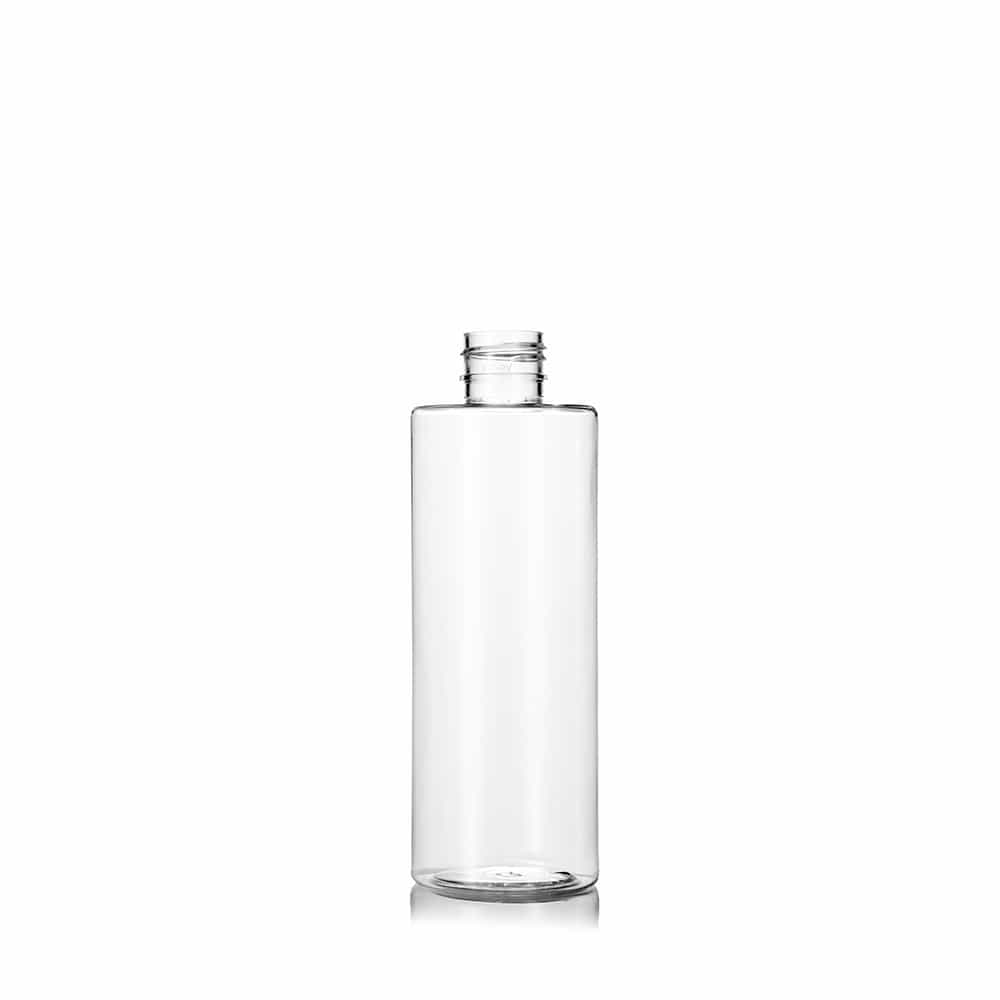
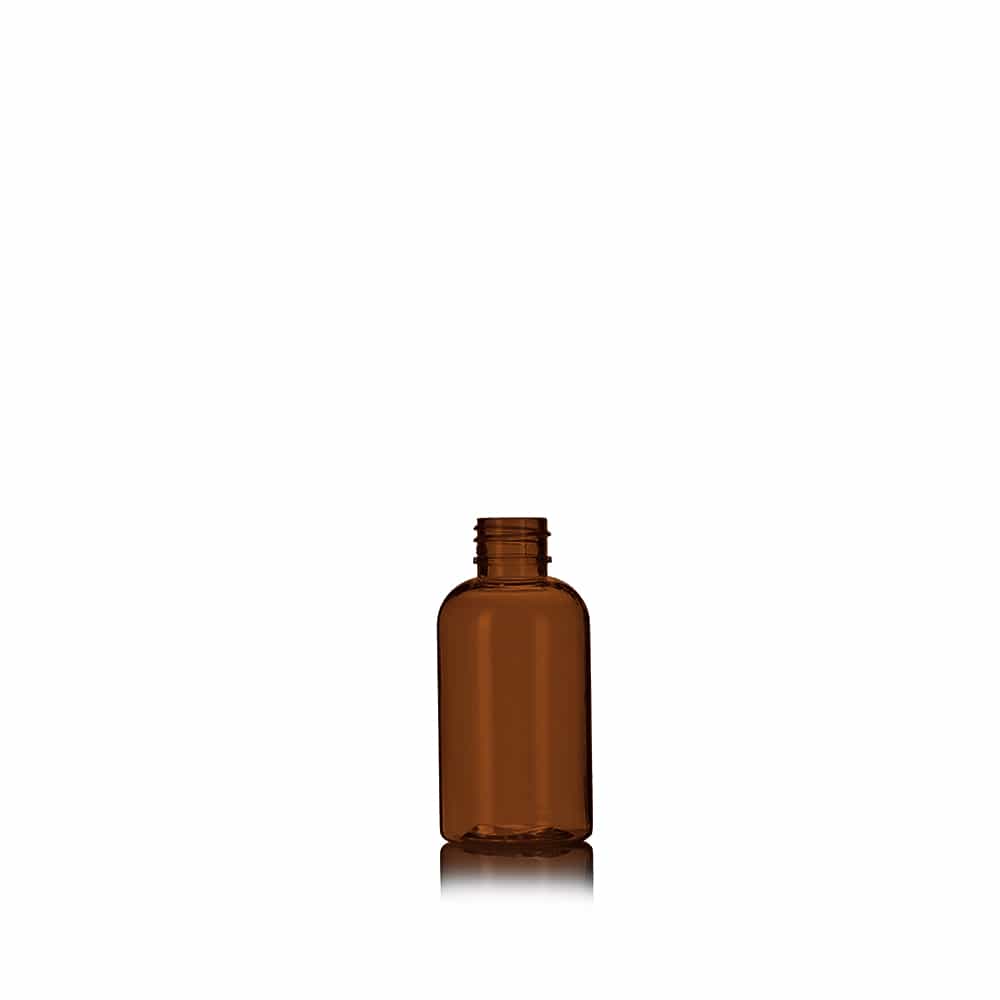
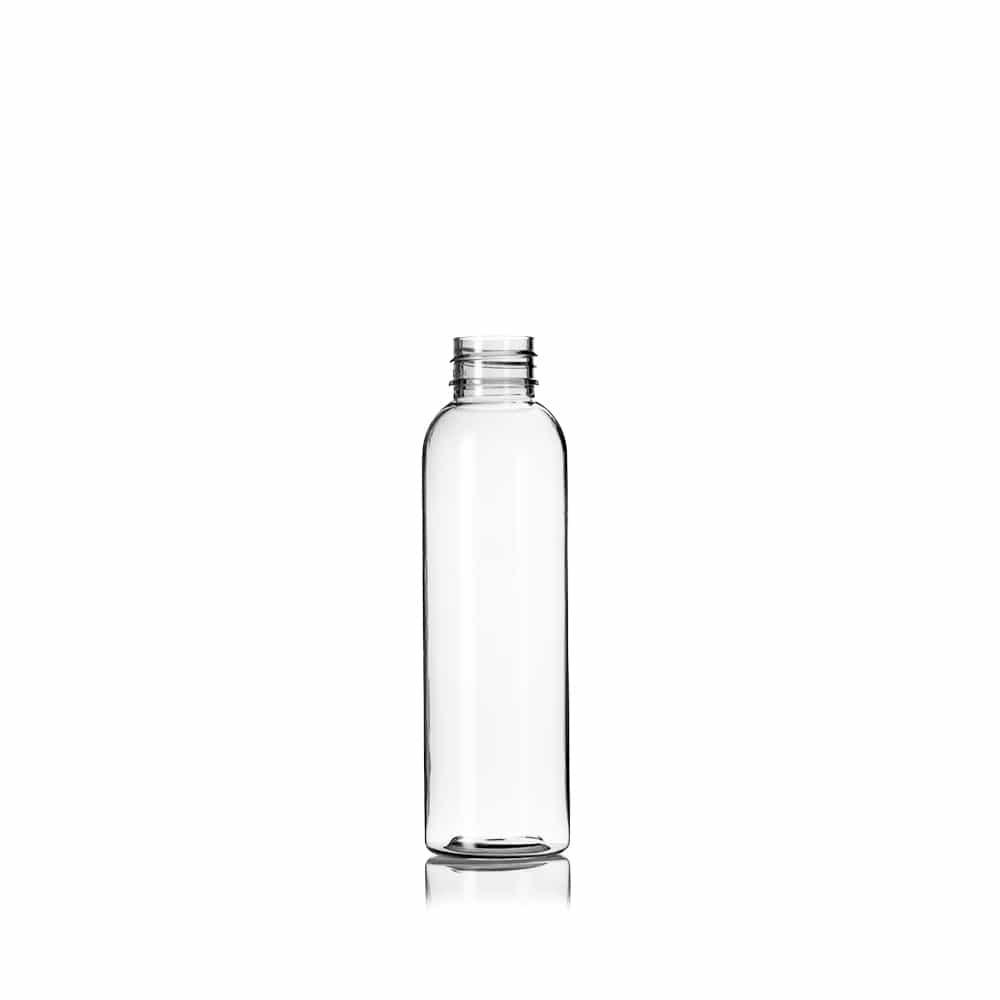
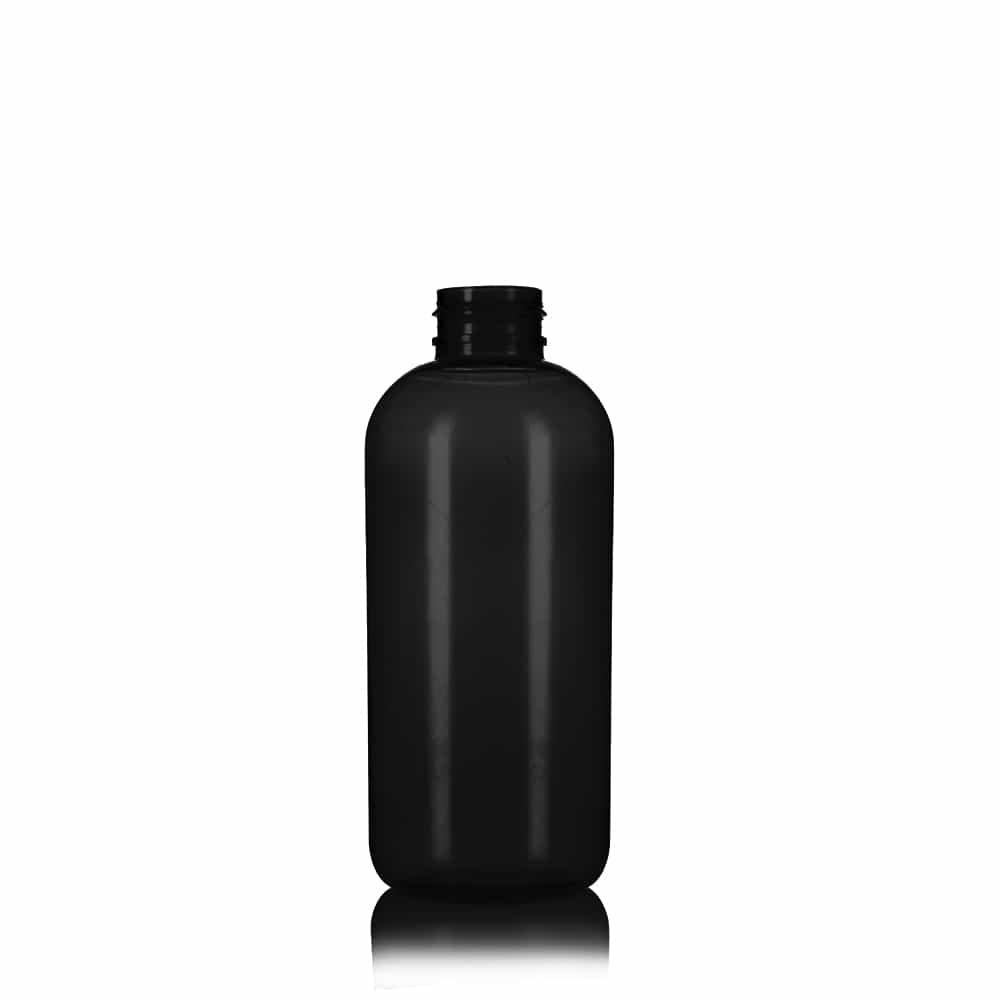
Stock bottles, meaning standard shapes and sizes produced by manufacturers and held in supplier inventory, cost nothing upfront. You pay only per unit. The selection is wide enough that most brands can find a stock bottle that fits their aesthetic.
East West Manufacturing's cost reduction guide makes the point directly: "Improving and optimizing your product's package is probably the one thing you could change that would give you the biggest bang for the buck." The first optimization is not spending $15,000 on a custom shape when a $0.45 stock bottle does the job.
When custom molds make sense: when you have proven product-market fit, you are ordering 20,000 or more units per SKU, and you need a brand-defining shape that no stock bottle replicates. Until all three conditions are true, use stock.
Standardize Across Your Product Line
Every different bottle size, shape, and neck finish in your line adds complexity and cost. Different bottles mean different closures. Different closures mean different dip tube lengths. Different dip tube lengths mean more setup time on your filling line.
The fix: standardize on as few bottle and closure combinations as possible.
The minimum viable packaging system for a beauty brand:
- One bottle shape in 2 to 3 sizes (e.g., 2 oz, 4 oz, 8 oz)
- One neck finish across all sizes (24-410 works for almost everything)
- One closure type (disc-top or pump, depending on your product category)
This approach reduces:
- Supplier negotiations. Fewer SKUs means simpler ordering and better volume pricing.
- Inventory management. Fewer closure types to track, fewer reorder triggers.
- Filling line changeovers. Same neck finish means the capping station needs less adjustment between products.
- Labeling costs. Same bottle shape means same label die across products.
The cosmetics brand Glossier built a multi-billion-dollar brand using a remarkably small set of packaging formats. Their products look cohesive because they are packaged consistently, not because every product has a bespoke container.
Negotiate Case Pricing, Not Unit Pricing
Most packaging suppliers publish per-unit pricing for small orders, but the real pricing lives at case quantities.
A case is typically 200 to 500 units of the same bottle or closure. Ordering by the case rather than by individual units typically saves 10 to 20 percent on per-unit cost. For a brand ordering 1,000 bottles a month, switching from individual pricing to case pricing at a 15 percent discount saves $500 to $1,500 a year.
The negotiation is simple: ask your supplier for their case pricing tier and minimum quantity for that tier. If you are close to the threshold, it is often worth ordering slightly more to hit the price break.
Watch out for: suppliers that offer case pricing but add a "broken case" surcharge if you order quantities that do not divide evenly into full cases. Always ask about this before ordering.
Buy Closures and Bottles from the Same Supplier
This seems obvious, but many brands source bottles from one supplier and closures from another, either to save a few cents per unit or because one supplier does not stock both.
The hidden costs of split sourcing:
- Compatibility risk. Bottles and closures from different suppliers may have different thread tolerances, even with the same nominal neck finish. A 24-410 from Supplier A might thread slightly differently than a 24-410 from Supplier B. The result: closures that feel loose, do not click shut properly, or leak during shipping.
- Shipping costs. Two suppliers means two shipments. Two minimum orders to meet. Two tracking numbers to manage.
- Quality finger-pointing. If closures leak on a filled product, each supplier blames the other. When both come from the same source, accountability is clear.
Buying matched sets from a single supplier costs slightly more per unit but eliminates thousands of dollars in potential waste from mismatched components.
Rethink Your Label Strategy
Labels are often the second-largest packaging cost after the bottle itself. Custom die-cut labels, foil stamping, embossing, and multi-color printing all add cost that may not add proportional value.
Cost-efficient label strategies:
- Shrink sleeves for full-coverage branding at lower per-unit cost than wrap labels for complex designs.
- Standard rectangle labels instead of custom die-cut shapes. Die tooling adds $200 to $500 one-time cost.
- Two-color printing instead of full CMYK. Many premium brands use simple black and white or black and gold, which is both cheaper to print and more visually striking than a busy four-color design.
- Digital printing for short runs. Traditional flexo printing requires plate setup costs ($300 to $600) that are only economical above 5,000 to 10,000 units. Digital printing has no plate cost and works for runs as small as 500.
- Screenprint directly on the bottle. Eliminates the label entirely. Works well for PCR bottles where the natural recycled color becomes part of the design aesthetic.
Do Not Overpay for Sustainable Packaging
The Smithers consultancy's 2026 report put the PCR resin premium at roughly 33 percent over virgin polymer at the commodity level. Many brands assume this translates directly to a 33 percent higher per-bottle cost. It does not.
The resin cost is one component of the finished bottle price. A supplier that stocks PCR bottles at scale has already amortized the resin premium across their purchasing volume. The actual per-bottle premium can be as low as a few cents, or it can be zero if the supplier has engineered price parity.
Propacks stocks PCR bottles at the same price point as virgin alternatives. No minimum order. No "sustainable" upcharge. This is possible because they source PCR resin in bulk from manufacturing partners and run dedicated PCR production, not because they are absorbing losses.
How to avoid overpaying for sustainable packaging:
- Compare apples to apples. Get quotes for the same bottle size and neck finish in both virgin and PCR from the same supplier. If the premium is more than 15 to 20 percent, the supplier is not running efficient PCR production.
- Do not pay for the word "eco." Some suppliers rebrand standard bottles as "eco" or "green" and charge a premium for marketing language rather than actual recycled content. Ask for GRS certification or a certificate of compliance with the specific PCR percentage.
- Avoid virgin-PCR blends marketed as premium. A bottle with 30 percent PCR is good. A bottle with 30 percent PCR marketed as "premium sustainable" at twice the virgin price is a bad deal.
Right-Size Your Order Quantities
The most expensive packaging mistake is not buying the wrong bottle. It is buying too many of the right bottle.
Capital tied up in packaging inventory is capital you cannot spend on marketing, product development, or cash reserves. A brand that orders 20,000 bottles to get a lower per-unit price but only sells 1,000 units a month has 20 months of inventory sitting in a warehouse. If the product does not sell, if the formula changes, or if the brand pivots, that inventory is waste.
The order sizing framework:
- Pre-launch and early traction (0 to 1,000 units/month): Order 60 to 90 days of inventory. Pay the higher per-unit cost. The flexibility is worth more than the savings.
- Growing (1,000 to 5,000 units/month): Order at case quantities, 90 to 120 days of inventory. You have enough sales data to forecast.
- Scaling (5,000+ units/month): Negotiate volume pricing, 120 to 180 days of inventory. At this point, the per-unit savings from larger orders justify the inventory carrying cost.
The biggest brands in the world do not order more inventory than they can move. Small brands should not either.
The Compound Effect
None of these seven strategies is dramatic on its own. Using stock bottles saves $5,000 to $20,000 in mold costs. Standardizing saves 10 to 15 percent on per-unit costs through volume consolidation. Case pricing saves another 10 to 20 percent. Single-supplier sourcing eliminates compatibility waste. Smart labels cut label costs by 20 to 40 percent. Correctly sourced PCR avoids the sustainable packaging premium. Right-sized orders free up cash.
Applied together, these strategies can reduce total packaging spend by 25 to 40 percent compared to a brand that custom-molds, uses multiple suppliers, overorders, and pays premium prices for "eco" labeling.
The money saved on packaging is money available for the things that actually grow a beauty brand: product quality, marketing, and customer acquisition.

Written by
Queenie FongQueenie Fong is the founder of Propack Solutions, a woman-owned sustainable packaging company based in Ontario, CA. With nearly a decade of experience in the packaging industry, she specializes in post-consumer recycled (PCR) materials, helping brands source rPET, PCR HDPE, and PCR PP packaging that meets regulatory requirements and sustainability goals.