Why Foamer Pumps Don't Fit Regular Bottles: A Guide


Foaming dispensers have become a popular choice for products ranging from hand soaps to facial cleansers, offering consumers a luxurious and economical experience. They turn a watery liquid into a thick, stable lather with a single press, often using less product per wash than traditional liquid soaps. This seemingly simple function is the result of a specialized pump engine that is fundamentally different from a standard lotion pump. To function correctly, this complex mechanism requires a specific type of bottle. You cannot use a regular bottle with a foaming pump, and understanding why is critical for any brand developing a foaming product to avoid costly sourcing mistakes.
The core reason is a matter of pure physics: a foamer pump has a large engine containing two parallel chambers, one for liquid and one for air. This larger engine requires a significantly wider bottle opening, known as a neck finish, to be properly seated and sealed. The components are mechanically incompatible; a foamer pump will not screw onto or function with the wrong bottle. This guide explains the mechanics in detail and provides the practical knowledge you need to source your packaging correctly.
How the Foamer Pump Mechanism Works
A standard lotion pump operates on a simple principle: it siphons and dispenses a pre-existing liquid. A foamer pump is a far more sophisticated device. It must simultaneously draw in two separate substances, liquid and air, combine them in a precise ratio, and then use physical agitation to generate an entirely new texture. This entire process occurs within the pump engine in a fraction of a second.
The Dual-Chamber System
The defining feature of a foamer pump is its engine, which houses two parallel chambers. When you press down on the actuator, two pistons engage simultaneously:
- The Liquid Piston: A small piston within a narrow cylinder draws a carefully measured amount of the water-thin liquid product up through the dip tube. The volume is precisely calibrated by the manufacturer.
- The Air Piston: At the same time, a second, much larger piston pulls ambient air from outside the bottle into a separate, larger chamber. This air typically enters through discreet vents located on the pump's collar or housing.
The engineering of these two systems is critical. They are designed to pull in a specific ratio of air to liquid, often around 10 parts air to 1 part liquid, though this can vary. This ratio is the foundation for creating high quality foam. Too little air results in a wet, bubbly output, while too much can create an airy, unsubstantial foam that collapses instantly.
The Mixing Chamber and Mesh Screen
Once the pump draws in the correct amounts of air and liquid, the downward stroke of the actuator forces them together into a small mixing area. This aerated liquid is then propelled at high pressure through one or more fine mesh screens positioned just before the nozzle. These screens are the final, essential component for foam generation.
The mesh acts as an agitator. As the air and liquid mixture is forced through the tiny openings, the liquid's surface tension is rapidly expanded by the trapped air, creating thousands of tiny, uniform bubbles. This is what transforms the mixture into the dense, stable foam that dispenses from the nozzle. The quality of the foam, including its density and longevity, is directly influenced by the fineness of the mesh. Some pumps use a double mesh screen to create an even richer and creamier lather. A well engineered pump paired with a compatible formula produces a stable foam that holds its shape, delivering a superior user experience.
Why Regular Bottles Do Not Work
Attempting to pair a foamer pump with a standard bottle is a frequent sourcing error that can lead to significant project delays and wasted budget. The incompatibility stems from fundamental differences in physical design, primarily the bottle's neck finish and its overall shape and stability.
The Neck Finish Mismatch
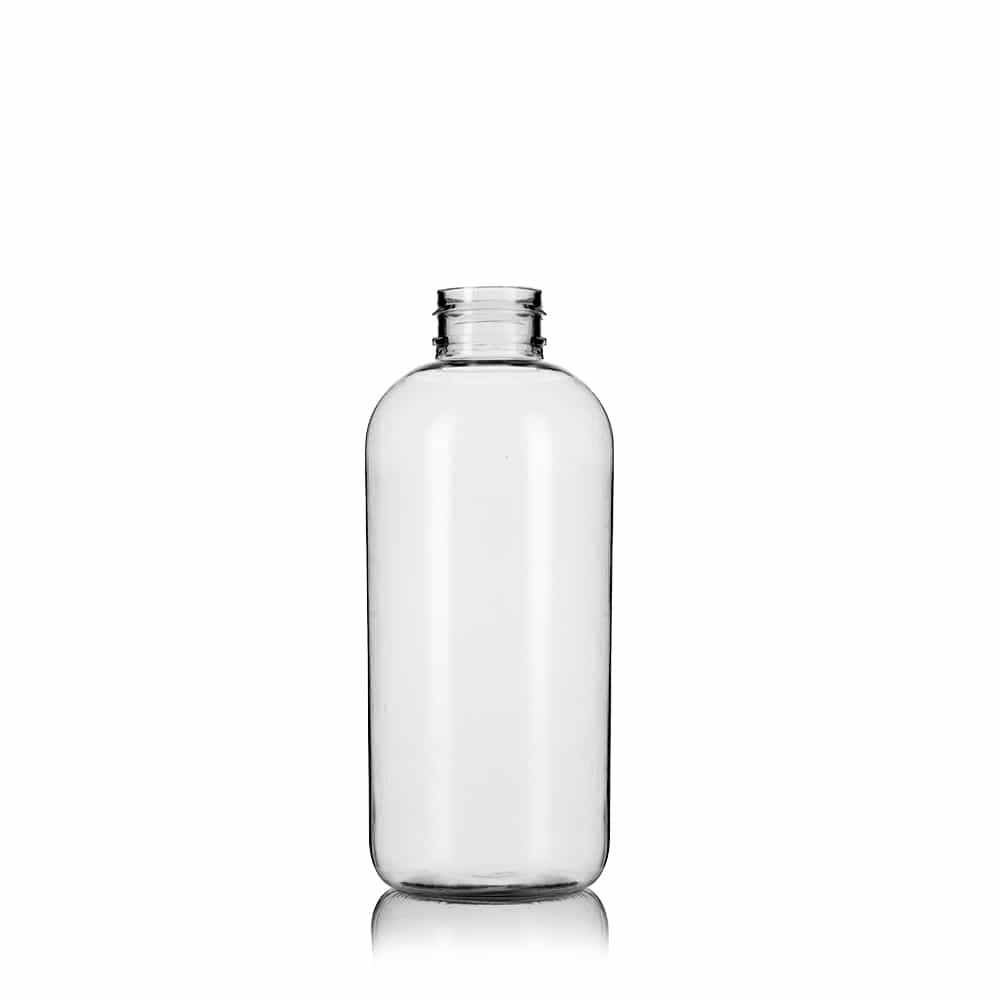
The most immediate and non negotiable issue is the neck finish. This industry term refers to the outer diameter of the bottle's opening and the specific style of its threads. For example, most standard lotion pumps, fine mist sprayers, and disc top caps use common neck finishes like 24-410, 28-410, or 20-410. The first number (24, 28, 20) represents the opening's diameter in millimeters. The second number (410) denotes a specific thread style, ensuring a secure fit between the bottle and closure.
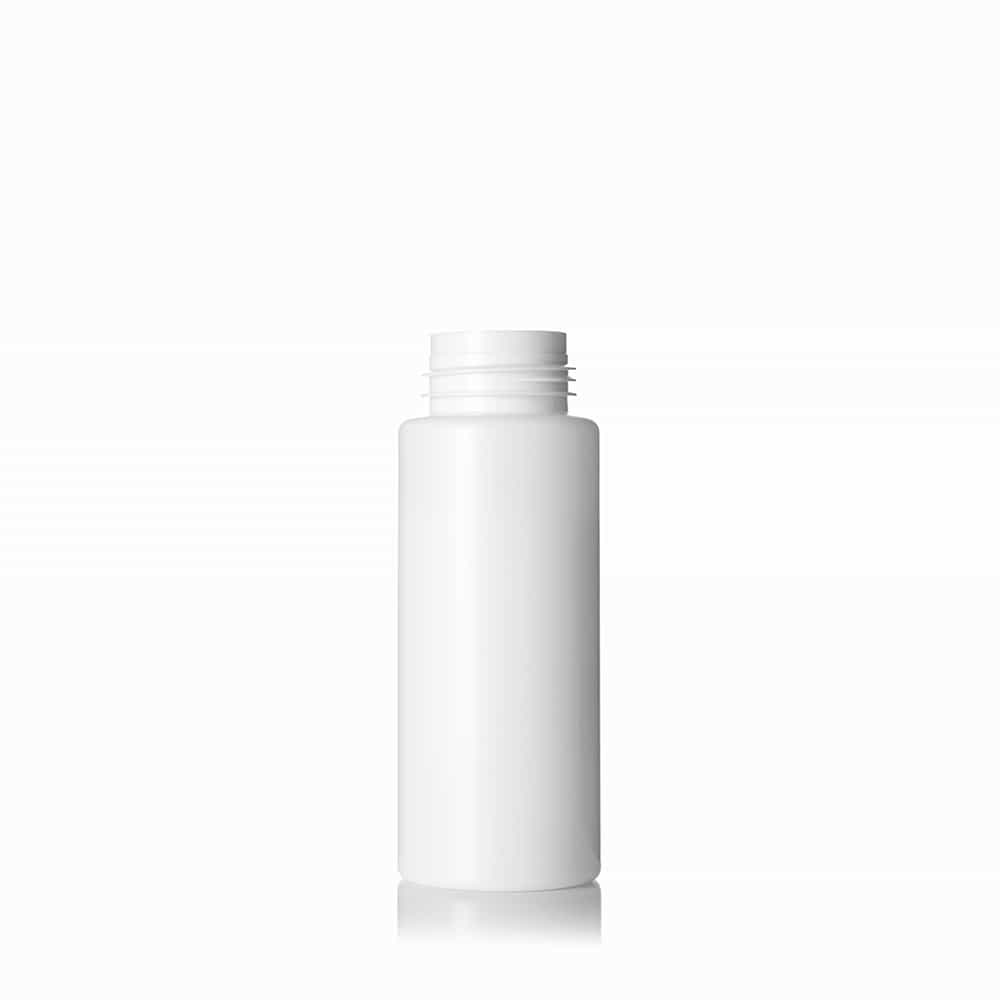
A foamer pump's large, dual chamber engine simply cannot fit through such a narrow opening. To accommodate the mechanism, foamer pumps require a much wider neck finish, with 42-410 being one of the most common standards. A 42mm opening provides the necessary clearance for the pump engine to sit correctly inside the bottle's neck. You cannot physically screw a 42-410 foamer pump onto a 24-410 bottle. The diameters are completely different, the threads will not engage, and the pump engine will be blocked by the bottle's shoulder. Any attempt to force a fit will damage both components.
Bottle Shape and Stability
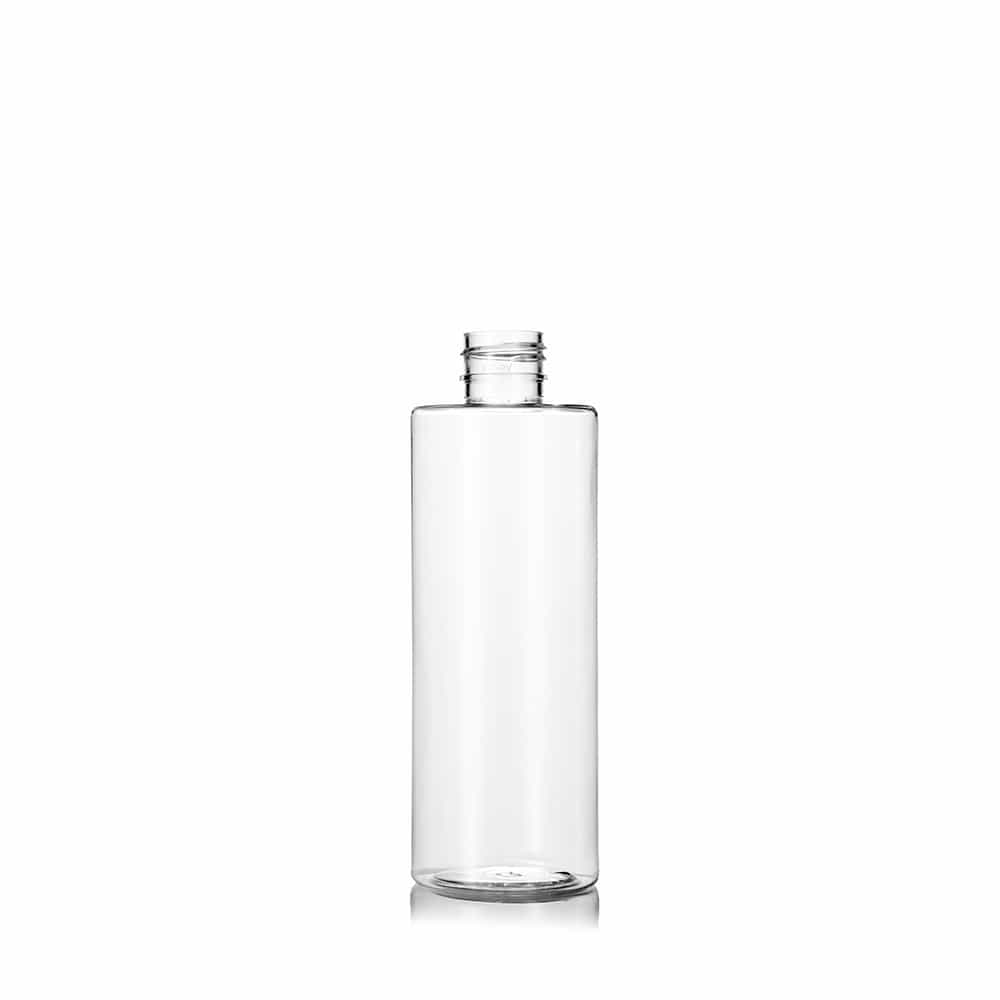
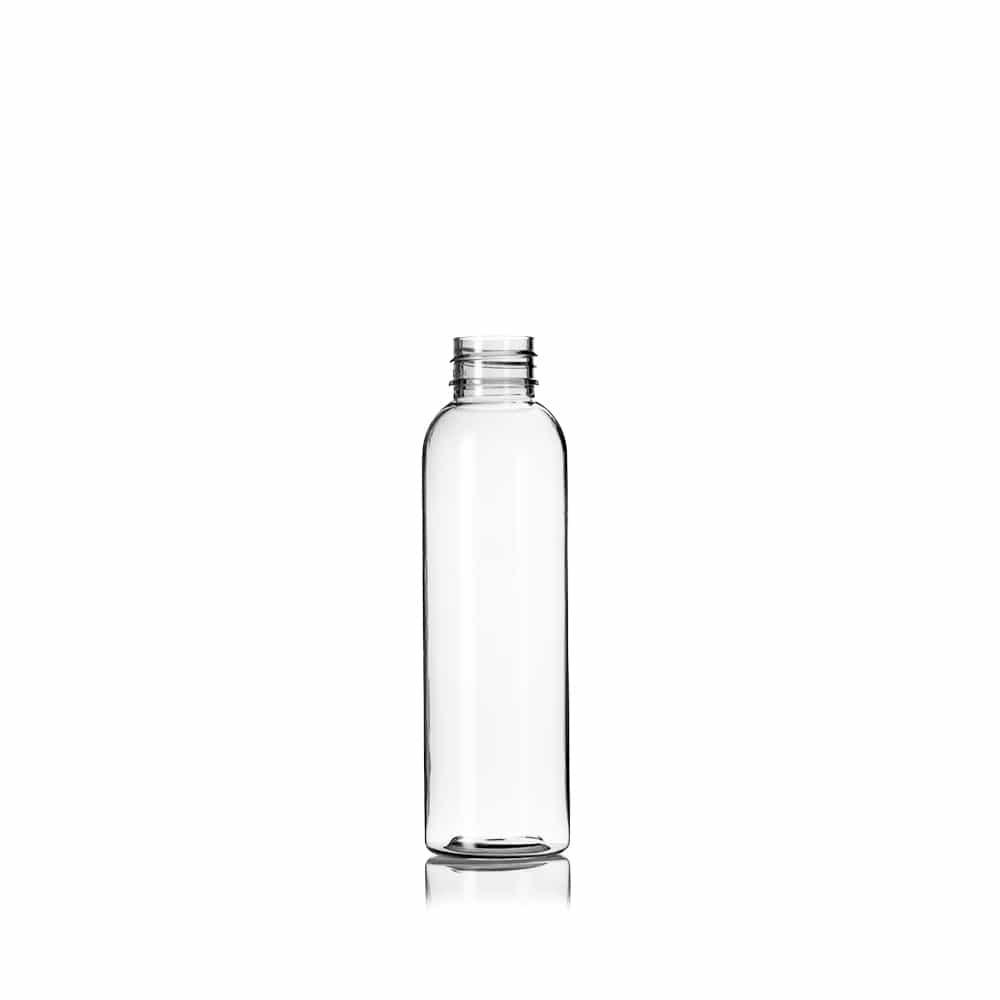
Beyond the critical neck finish, the bottle's overall design is crucial for functionality and user experience. Foaming bottles are intentionally designed with a wider, more stable base. The actuator on a foamer pump is typically larger and requires more downward force to operate compared to a simple lotion pump. If placed on a narrow or top heavy bottle, like a "bullet" or "cosmo round" style, the bottle is likely to tip over during use. This creates a frustrating and messy experience for the consumer.
For this reason, dedicated foaming bottles often feature a "stubby" or short cylindrical shape. This low center of gravity provides a solid, stable platform that resists tipping, even when used with one hand on a wet countertop. The material choice, often PET plastic, also provides rigidity and clarity, allowing the consumer to see the product inside.
Choosing the Right Bottle and Formula
Sourcing the correct components from the outset is essential for a successful product launch. This involves a two part strategy: selecting a bottle and pump that are mechanically compatible, and ensuring your product formula is chemically and physically compatible with the pump mechanism.
Match the Neck Finish
The first step is purely mechanical. Always verify that the neck finish of your bottle precisely matches the neck finish of your foamer pump. If your chosen pump is a 42-410, you must source a bottle with a 42-410 neck finish. There is no substitute or workaround. Reputable packaging suppliers clearly list the neck finish specifications on all product pages for both bottles and closures. When sourcing, make this your primary filtering criterion to avoid ordering incompatible parts.
Formulation is Key to Performance
A foamer pump will not work with thick, viscous liquids like lotions, creams, or gels. The internal channels are extremely narrow and the mesh screens are incredibly fine; a thick formula will clog the mechanism almost instantly, rendering it useless. Foaming formulas must have a very low viscosity, similar to that of water.
Viscosity is a measure of a fluid's resistance to flow, often measured in centipoise (cps). While standard liquid soaps can have a viscosity of 500-2000 cps, a foaming formula must be under 100 cps, and often much lower. This means that common thickening agents like certain polymers or gums cannot be used. Additionally, some surfactants that create high viscosity are also unsuitable. The formulation must be built around water-thin surfactants that produce a good lather when aerated.
If you are creating your own solution by diluting a concentrate, such as castile soap, it is vital to use distilled or deionized water. Tap water contains minerals that can build up over time and cause clogs within the pump's delicate mechanism. A common starting point for dilution is one part soap concentrate to four or five parts distilled water. However, you must always test your specific formula with your chosen pump to confirm it foams correctly and does not cause clogging.
Common Problems and How to Fix Them
Even with the correct components, issues can arise during development and production. Understanding the likely causes can help you troubleshoot effectively.
- Clogging: This is the most common failure and is almost always caused by a formula that is too thick or contains undissolved solids. The only solution is to reformulate your product to have a lower viscosity.
- Weak or Bubbly Foam: If the foam is wet and collapses quickly, the cause is likely an incorrect air-to-liquid ratio. This can be a result of a faulty pump, but more often it is related to the formula. Your surfactant concentration may be too low to create stable bubbles. Try adjusting the soap-to-water ratio.
- Pump Squirting Liquid: If the pump dispenses a stream of watery liquid instead of foam, it indicates a critical failure in the foaming mechanism. The mesh screen may be damaged or dislodged, or the air chamber is not drawing in air. This typically points to a defective pump that needs to be replaced.
The Importance of Compatibility Testing
Before committing to a large production run, it is crucial to conduct thorough compatibility testing. This involves filling your final bottle and pump combination with your final product formula and observing it over several weeks or months. This testing will reveal any long term issues, such as ingredients slowly clogging the pump, the formula degrading the plastic, or leaks developing from the closure. It is an essential quality assurance step that validates that your product and packaging work together as a complete system.
By understanding the intricate mechanics of a foamer pump and its strict bottle and formulation requirements, you can source your packaging with confidence. The most important takeaways are to precisely match the wide neck finish of the pump to the bottle and to ensure your product formula is water-thin and fully tested for compatibility. This diligence prevents costly errors and ensures a high quality experience for your customers.
Frequently asked questions
Why can't you use regular soap in a foaming dispenser?+
Regular liquid soap is too thick. Its consistency will clog the fine mesh screens and narrow channels inside the pump. Foaming dispensers need a special, water-thin soap or regular soap that has been heavily diluted with water.
Do foaming soap dispensers need a special bottle?+
Yes. Foamer pumps have a large internal mechanism to mix air and liquid, which requires a bottle with a much wider opening, or neck finish. A common foamer neck finish is 42-410 (42mm), while standard lotion bottles are often 24-410 (24mm).
What happens if you put regular soap in a foaming pump?+
The pump will clog almost right away. Regular soap is too thick to be forced through the fine mesh screen that creates the foam. The pump will become hard to press and will not dispense product.
Can you make your own foaming soap?+
Yes, you can make foaming soap by diluting liquid castile soap or dish soap with distilled water. A common ratio is one part soap to four or five parts water. Mix gently to avoid creating too many suds in the bottle and test the ratio with your specific pump.
What makes a foaming soap dispenser different?+
A foaming dispenser is different because it has a dual-chamber pump that pulls in both liquid soap and air at the same time. It then forces this mixture through a mesh screen to create foam. A regular dispenser just siphons and dispenses liquid.

Written by
Queenie FongQueenie Fong is the founder of Propack Solutions, a woman-owned sustainable packaging company based in Ontario, CA. With nearly a decade of experience in the packaging industry, she specializes in post-consumer recycled (PCR) materials, helping brands source rPET, PCR HDPE, and PCR PP packaging that meets regulatory requirements and sustainability goals.