Packaging Lead Times Explained: From Sample to First Full Order


Most packaging suppliers will not tell you how long your order actually takes until you have already committed to it. By then you are locked in, your launch date is set, and the only option left is to wait or pay rush fees.
This guide breaks down exactly what to expect at every stage of ordering plastic bottles and closures, from requesting your first sample to receiving your first production run. If you are launching a product and need to plan backwards from a target date, start here.
Stock Bottles Ship in Days, Not Weeks
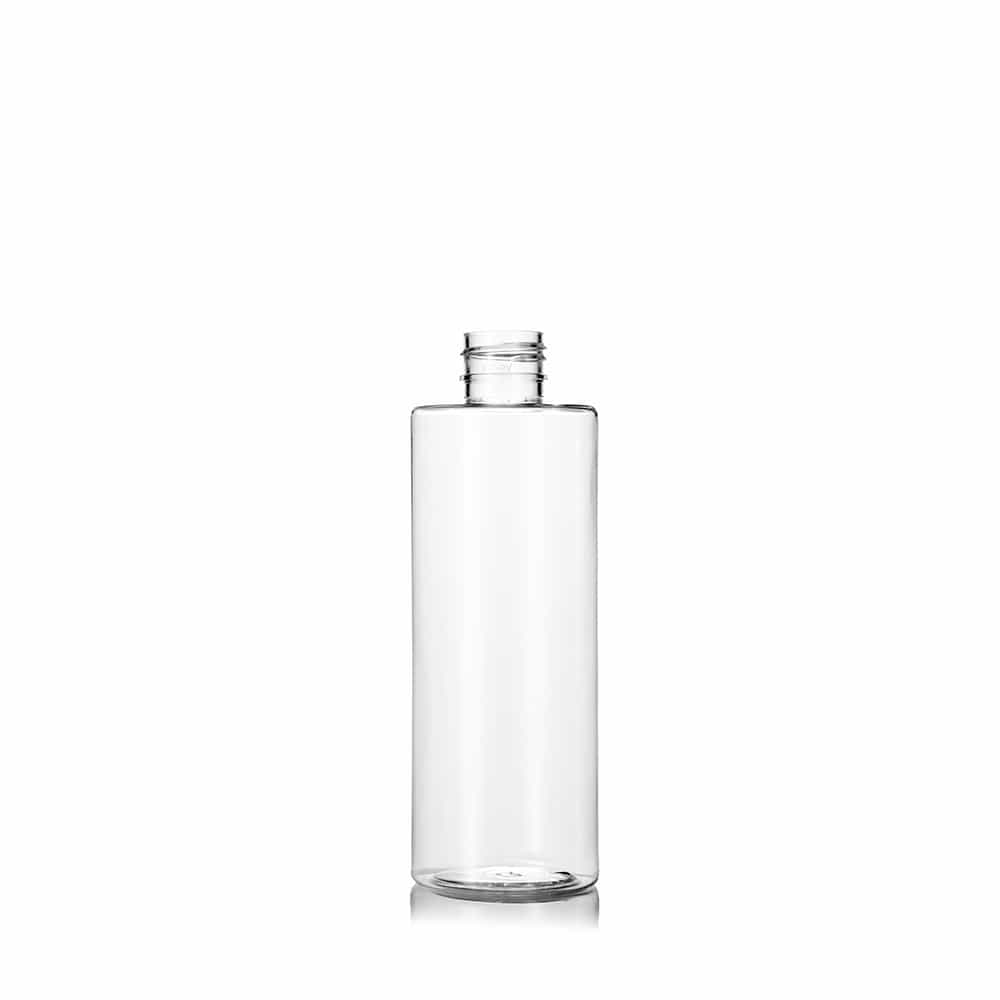
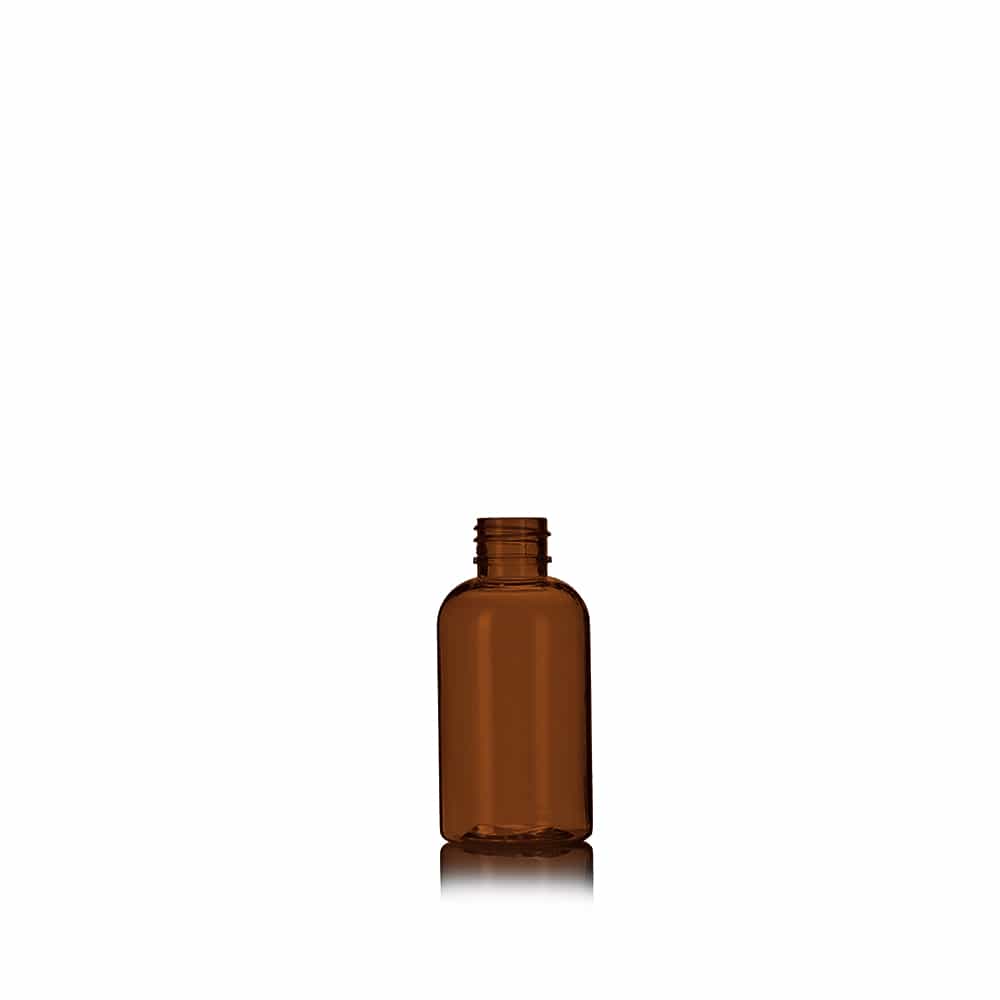
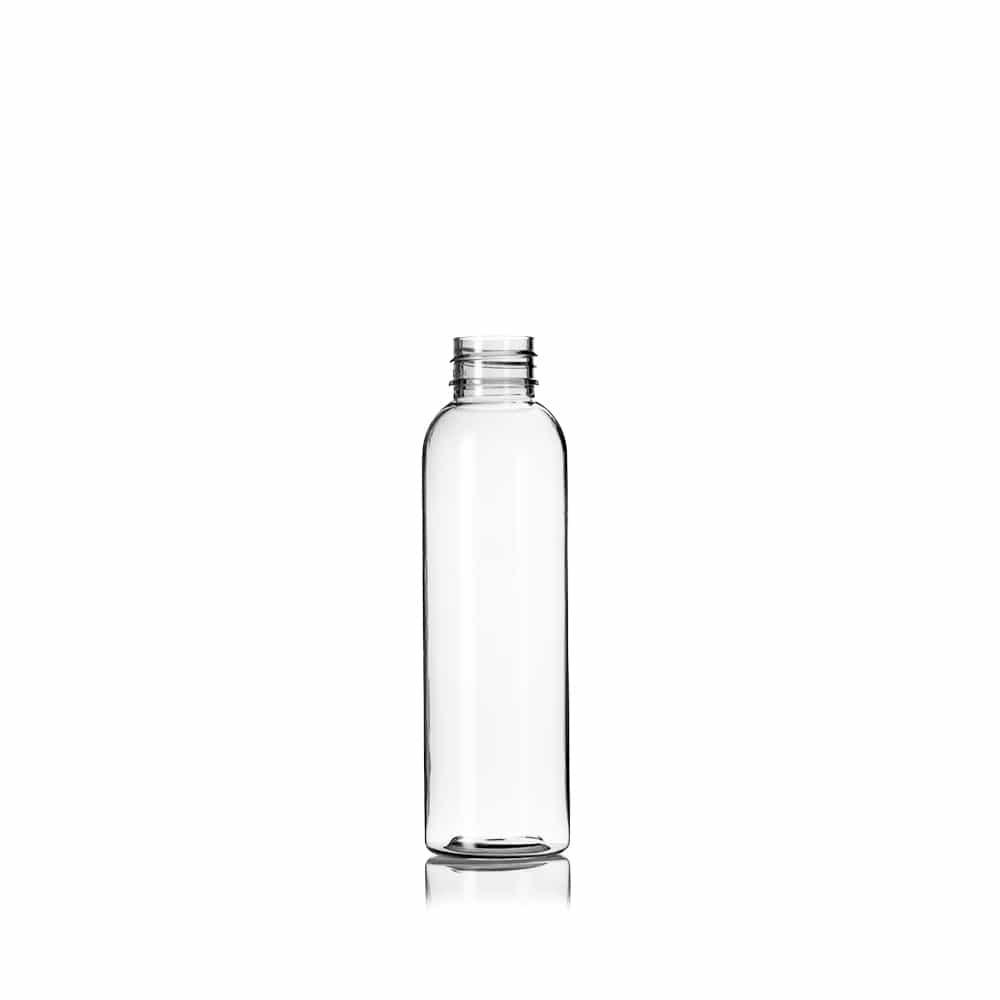
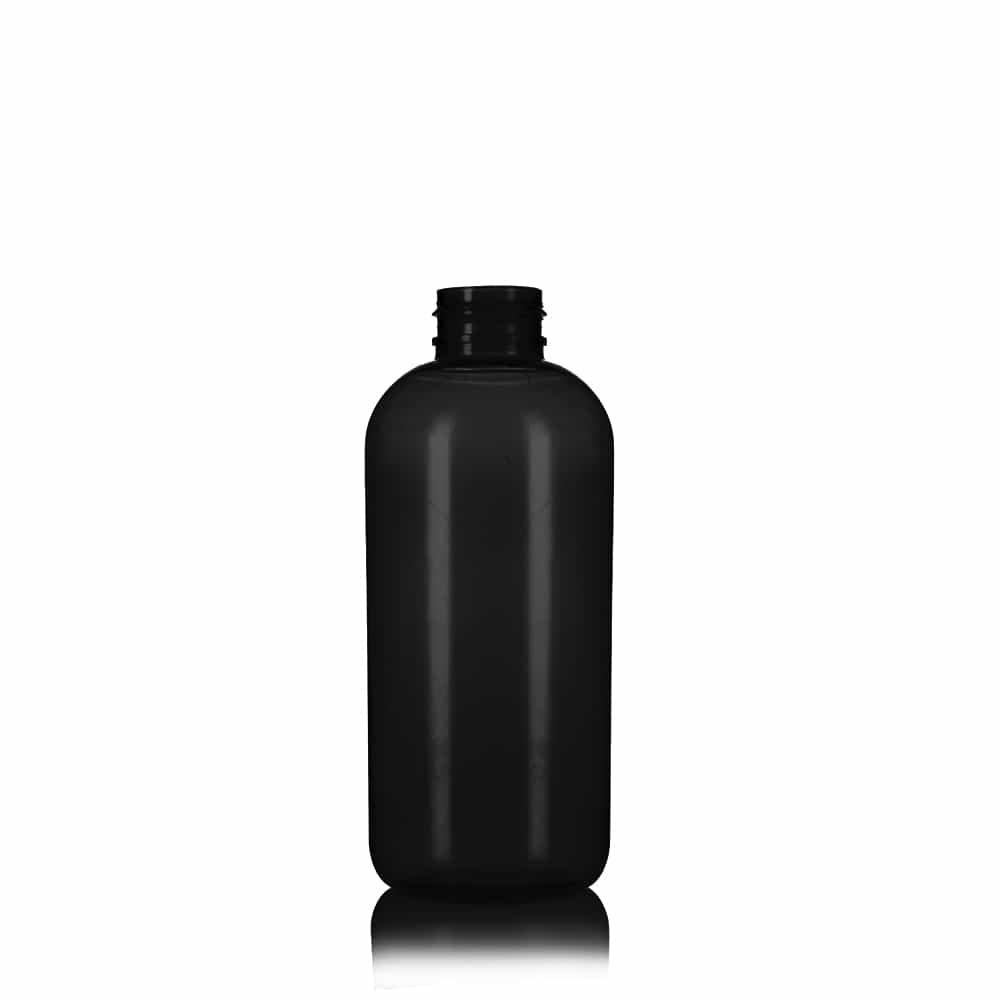
If you are buying standard stock bottles and closures, the timeline is short. Most suppliers ship stock SKUs within 2 to 5 business days. The bottles already exist in a warehouse. There is no production queue, no tooling, no minimum order negotiation.
This is the fastest way to get packaging in hand, and it is how most indie brands should start. Pick a stock bottle in the right volume, confirm the neck finish matches your closure, and place the order.
At Propacks, stock PCR bottles ship from Los Angeles. A brand in California can have bottles on their doorstep in 2 to 3 days. East Coast orders typically arrive in 5 to 7 business days via ground shipping.
The key variable is not the supplier. It is you. Most delays at this stage come from brands going back and forth on bottle size, color, or closure type. If you have your product formula finalized and know the volume you need, ordering stock bottles is the simplest part of a product launch.
When stock makes sense
Stock is right for test runs, samples for retail buyers, first production batches under 5,000 units, and any situation where speed matters more than a fully custom look. You can always move to custom tooling later once you have validated the product.
 Stock plastic bottles with closures ready to ship from warehouse inventory
Samples Add 1 to 2 Weeks
Before committing to a full order, most brands want to hold the bottle, test the closure, and fill it with their actual product. This is the sampling stage, and it is worth the time.
A sample order is typically 12 to 48 units of the same SKU. Enough to test compatibility with your formula, check how the label sits on the bottle surface, and hand one to your contract manufacturer to confirm their filling line can handle it.
For stock bottles, samples ship on the same timeline as any other stock order: 2 to 5 business days. You are not waiting for anything to be manufactured. You are just getting a small quantity of the same product.
For custom bottles, samples require a prototype or 3D print first, which adds 7 to 14 days depending on the complexity of the mold design. Some suppliers charge for pre-production samples. Others include them in the tooling cost.
What to test during sampling
Do not just look at the bottle. Fill it. Run these checks before you place a full order:
- Closure fit. Thread the cap or pump onto the bottle 10 times. It should seat flush every time with no wobble or cross-threading.
- Chemical compatibility. Fill the bottle with your actual formula and let it sit for 72 hours. Check for warping, discoloration, cloudiness, or cracking. Essential oils and high-alcohol formulas are especially aggressive on certain plastics.
- Dip tube length. If you are using a pump or sprayer, cut the dip tube so it sits about 5mm above the bottom of the bottle. Too long and it bends. Too short and it cannot draw the last 10 to 15 percent of product.
- Label adhesion. Apply your label and check it after 48 hours. Some bottle materials and surface finishes reject certain adhesives, especially on HDPE.
- Drop test. Fill the bottle, cap it, and drop it from counter height onto a hard floor. If it cracks or the closure pops off, you have a shipping problem.
Skipping the sampling stage is one of the most common mistakes first-time brands make. A $50 sample order can save you from a $5,000 production run that does not work with your formula.
Custom Tooling: The Longest Wait
If you need a bottle shape that does not exist in any supplier's stock catalog, you are entering custom tooling territory. This is where timelines stretch.
Custom tooling means designing and manufacturing a steel mold that your specific bottle will be blow-molded from. The mold is yours. It produces your shape and only your shape.
Typical custom mold timeline
- Design finalization: 1 to 2 weeks. You provide the concept (sketches, CAD files, or reference images). The tooling engineer produces a technical drawing with exact dimensions, parting line placement, and gate location.
- Mold fabrication: 4 to 8 weeks. The mold is CNC machined from steel. Complex shapes with undercuts, embossed logos, or unusual cross-sections take longer. A simple round bottle mold sits at the shorter end.
- Sample shots: 1 week. The mold runs a small batch of bottles (usually 100 to 500 units) for approval. You inspect for wall thickness uniformity, seam lines, and dimensional accuracy against the spec.
- Revisions: 0 to 2 weeks. Minor adjustments (thinning a wall section, adjusting the neck finish tolerance) can often be done without re-cutting the entire mold. Major changes mean starting over.
Total custom tooling timeline: 6 to 12 weeks from design kickoff to approved mold.
Mold costs range from $3,000 for a simple single-cavity mold to $15,000 or more for multi-cavity molds that produce 4 to 8 bottles per cycle. The mold belongs to you. You can take it to a different manufacturer if you switch suppliers later.
When custom tooling makes sense
Custom tooling makes sense when your bottle shape IS your brand identity. Think of a distinctively shaped fragrance bottle, a proprietary dropper bottle for a clinical skincare line, or a bottle with an embossed logo that cannot be achieved with a label. If your product would look the same in any generic round bottle, custom tooling is an expensive detour that delays your launch.
 Custom steel bottle mold used in blow molding to create unique bottle shapes
Production Runs: What Determines Speed
Once you have an approved bottle (stock or custom mold), the production run timeline depends on three factors: quantity, material, and your supplier's current queue.
Small runs (500 to 5,000 units)
For stock bottles, this is a pick-and-pack operation. Your bottles come off existing inventory shelves. Timeline: 1 to 3 business days to process and ship.
For custom mold bottles, a short production run takes 5 to 10 business days. The mold gets loaded into the blow molding machine, the run produces your quantity, quality control checks each batch, and the bottles are packed for shipping.
Medium runs (5,000 to 25,000 units)
Production time: 2 to 3 weeks. At this volume, you may be sharing machine time with other orders in the queue. The actual molding might take 2 to 4 days, but scheduling and QC extend the total timeline.
Large runs (25,000+ units)
Production time: 3 to 6 weeks. Large runs often require dedicated machine time, material sourcing lead time (especially for specific PCR blends or colors), and staged quality inspections.
The hidden variable: your supplier's queue
Most delays in production are not about your order. They are about who is ahead of you. A supplier running at capacity might quote 4 weeks for a run that would normally take 2. Always ask where you sit in the queue when you get a production timeline estimate.
Putting It All Together: Real Timeline Examples
Here are three real scenarios that cover most first-time buyers.
Scenario 1: Indie skincare brand, first product launch, stock bottles
- Choose bottle and closure from catalog: 1 to 3 days
- Order samples (24 units): ships in 2 to 3 days
- Test samples with formula: 5 to 7 days
- Place production order (1,000 units stock): ships in 2 to 3 days
Total: about 2 to 3 weeks from start to bottles in hand.
Scenario 2: Established brand, switching to PCR, stock bottles
- Request PCR versions of current bottle specs: 1 to 2 days
- Order comparison samples (stock PCR vs current virgin): ships in 2 to 3 days
- Internal testing and stakeholder approval: 1 to 2 weeks
- Place production order (5,000 units): ships in 3 to 5 days
Total: about 3 to 4 weeks, mostly internal decision time.
Scenario 3: Premium brand, custom bottle with embossed logo
- Design brief and concept review: 1 to 2 weeks
- Custom mold fabrication: 6 to 8 weeks
- Sample shots and approval: 1 to 2 weeks
- First production run (10,000 units): 2 to 3 weeks
Total: about 10 to 15 weeks. Plan for 4 months to be safe.
 Visual timeline showing packaging order stages from sample to delivery
How to Shorten Your Lead Time
A few things consistently shave days or weeks off the process:
Finalize your formula first. The number one delay in packaging timelines is not production. It is brands who have not locked their formula yet and keep changing volume requirements.
Choose compatible neck finishes early. A 24-410 neck finish accepts pumps, disc top caps, sprayers, and treatment pumps. Choosing a common neck finish means more closure options with zero sourcing delay. See our bottle neck finish guide for the full compatibility chart.
Order from suppliers with US inventory. Overseas production adds 4 to 8 weeks of ocean freight on top of production time. Suppliers who warehouse finished bottles domestically eliminate that wait entirely.
Do not skip sampling. It sounds contradictory, but the brands that skip samples to save a week are the same brands that lose a month when 3,000 bottles arrive and the pump does not fit.
Order closures with your bottles. Sourcing bottles and closures separately from different suppliers almost always introduces compatibility issues and timing gaps. Get them from the same source.
Frequently asked questions
How long does it take to get stock plastic bottles?+
Stock plastic bottles typically ship within 2 to 5 business days from the supplier's warehouse. If the supplier carries inventory domestically like Propacks does from Los Angeles, transit time within the continental US is usually 2 to 7 additional business days depending on your location.
What is the typical lead time for custom bottle molds?+
Custom bottle mold fabrication takes 4 to 8 weeks for the mold itself, plus 1 to 2 weeks for design finalization and 1 to 2 weeks for sample shots and approval. The total timeline from concept to an approved custom mold is usually 6 to 12 weeks. Simple round bottle shapes sit at the shorter end. Complex shapes with embossing, unusual cross-sections, or multi-cavity requirements take longer.
How can I avoid packaging delays when launching a new product?+
Start by finalizing your product formula and volume requirements before contacting packaging suppliers. Order samples early and test them with your actual formula for at least 72 hours. Choose bottles and closures from the same supplier to avoid compatibility issues. If you need custom tooling, begin the mold design process at least 3 to 4 months before your target launch date. The most common delay is not production, it is indecision during the design and approval stages.
Do I need to order samples before placing a full production order?+
You do not strictly need to, but skipping samples is the most expensive shortcut in packaging. A $50 sample order lets you test closure fit, formula compatibility, label adhesion, and structural integrity before committing to a full production run. Brands that skip this step regularly discover problems at scale that cost thousands of dollars to fix, whether that means reprinting labels, reordering closures, or scrapping an entire batch.
How much does custom bottle tooling cost?+
Custom bottle molds typically range from $3,000 for a simple single-cavity mold to $15,000 or more for multi-cavity molds that produce 4 to 8 bottles per cycle. The mold belongs to you, meaning you can move it to a different manufacturer if you change suppliers. Some suppliers fold the tooling cost into per-unit pricing at higher volumes, but most charge it as a separate upfront investment.

Written by
Queenie FongQueenie Fong is the founder of Propack Solutions, a woman-owned sustainable packaging company based in Ontario, CA. With nearly a decade of experience in the packaging industry, she specializes in post-consumer recycled (PCR) materials, helping brands source rPET, PCR HDPE, and PCR PP packaging that meets regulatory requirements and sustainability goals.