Do Essential Oils Need Child Resistant Caps in California? SB 54 vs PPPA Explained


Do essential oils need child resistant caps in California? Not because of SB 54. California SB 54 focuses on packaging responsibility and recycled content. Child resistant closure requirements usually come from the Poison Prevention Packaging Act, or PPPA, depending on the product formulation and hazard profile. For wellness brands, the real packaging question is how to balance PCR bottles, closure compliance, and practical product fit.
Do Essential Oils Need Child Resistant Caps in California
Essential oils do not need child resistant caps simply because they are sold in California. That is the first distinction brands should understand.
California SB 54 is a packaging law focused on recycled content, packaging responsibility, and plastic waste reduction. It does not create a blanket rule that says essential oils must use child resistant closures.
The child resistant question usually comes from a different place. In many cases, brands are really dealing with the Poison Prevention Packaging Act, or PPPA, which is a federal law tied to child resistant packaging for certain products.
That means the right question is not whether California alone requires child resistant caps. The right question is whether your specific product raises a child resistant packaging issue based on its formulation, hazard profile, and intended use.
SB 54 and PPPA Cover Different Packaging Requirements
These two laws are often confused because they both affect packaging decisions. They do not do the same job.
What SB 54 covers
SB 54 is about:
- recycled content
- packaging waste reduction
- producer responsibility
- long term pressure on brands to make packaging more sustainable
For wellness brands, SB 54 matters because it makes PCR bottles and recycled content strategy more important, especially for brands selling in California.
What PPPA covers
PPPA is about child resistant packaging for certain products that may create a safety risk in the home.
For some wellness products, especially concentrated liquids or products with ingredients that create a safety concern, PPPA may be more relevant than SB 54 when choosing a closure.
That is why brands should not collapse everything into one rule. A product may need a stronger sustainability strategy because of California market pressure while also needing a child resistant closure review because of product safety.
When Wellness Brands Should Consider Child Resistant Closures
Not every wellness product needs a child resistant cap. But some products deserve a closer review before a brand settles on a standard closure.
Products that may need closer attention include:
- concentrated essential oils
- certain aromatherapy blends
- CBD or cannabis related products where applicable
- liquid wellness products with ingredients that create safety concerns
- products likely to be stored in normal household environments with child access
Brands should review the actual product first, then choose the closure. It is a mistake to choose packaging only from a design or shelf appeal perspective.
A closure has to do more than look good. It has to fit the product, match the bottle, dispense correctly, and support the packaging requirements that may apply to the formula.
How PCR Bottles Fit Into California Wellness Packaging
PCR bottles solve a different problem. They help brands reduce virgin plastic use and build a more credible sustainability story.
That matters more in California, where brands face stronger expectations around packaging and recycled content. Wellness brands that want to prepare for a stricter packaging environment often start by looking at PCR PET or PCR HDPE bottles in the sizes they already use.
PCR bottles can help brands:
- reduce reliance on virgin resin
- support sustainability claims with stated recycled content percentages
- align better with California market expectations
- build a more responsible packaging strategy without going fully custom too early
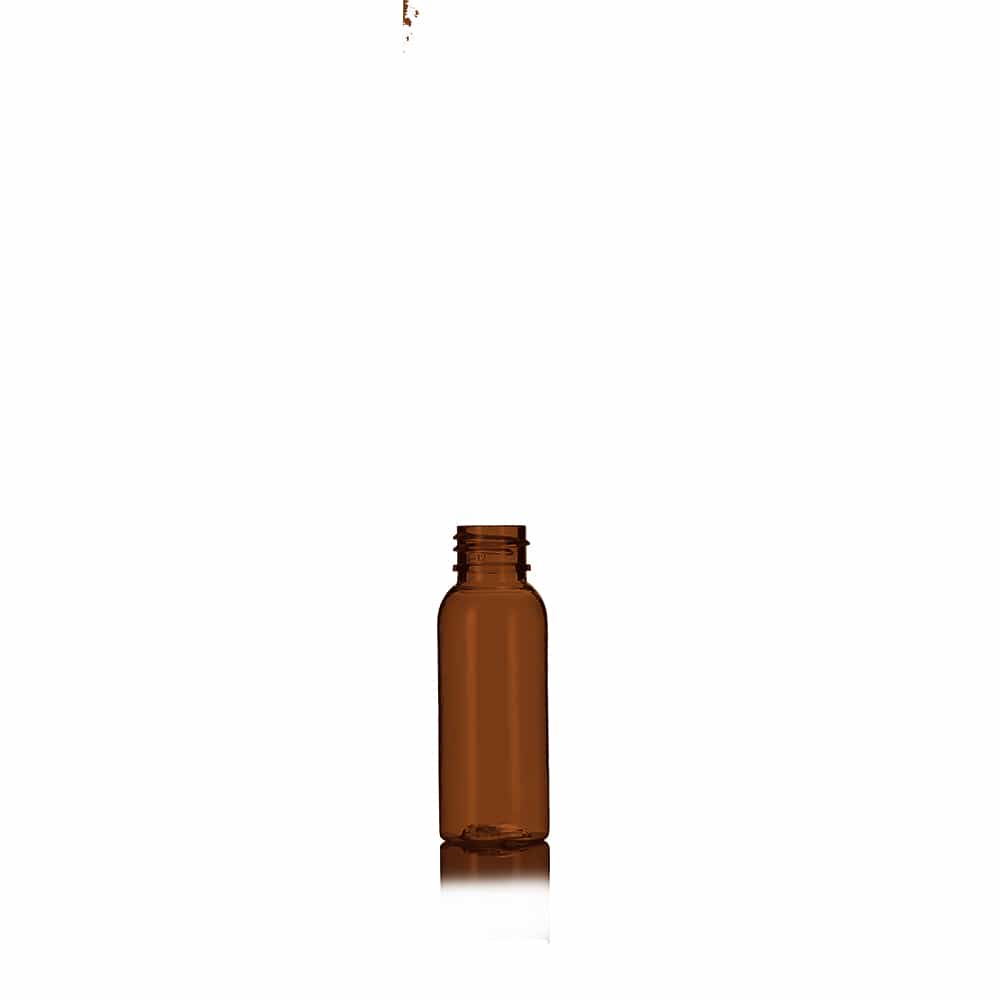
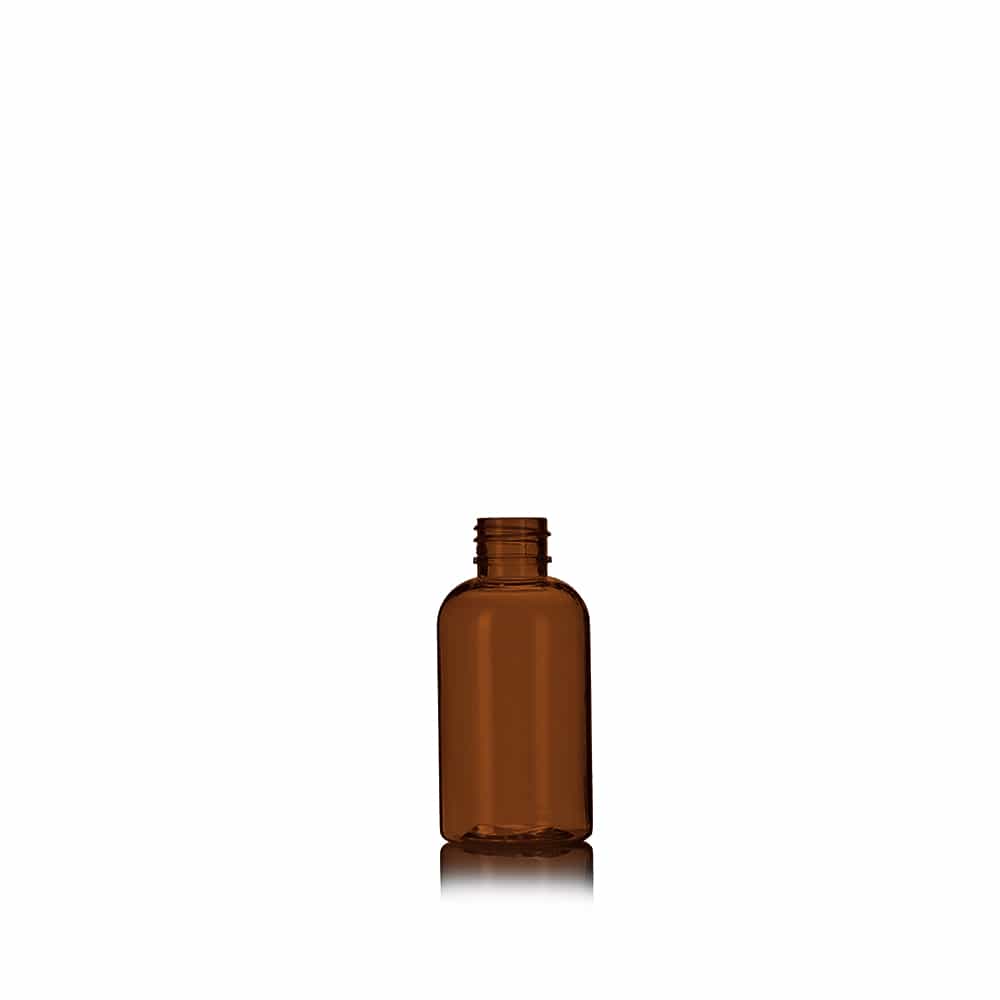
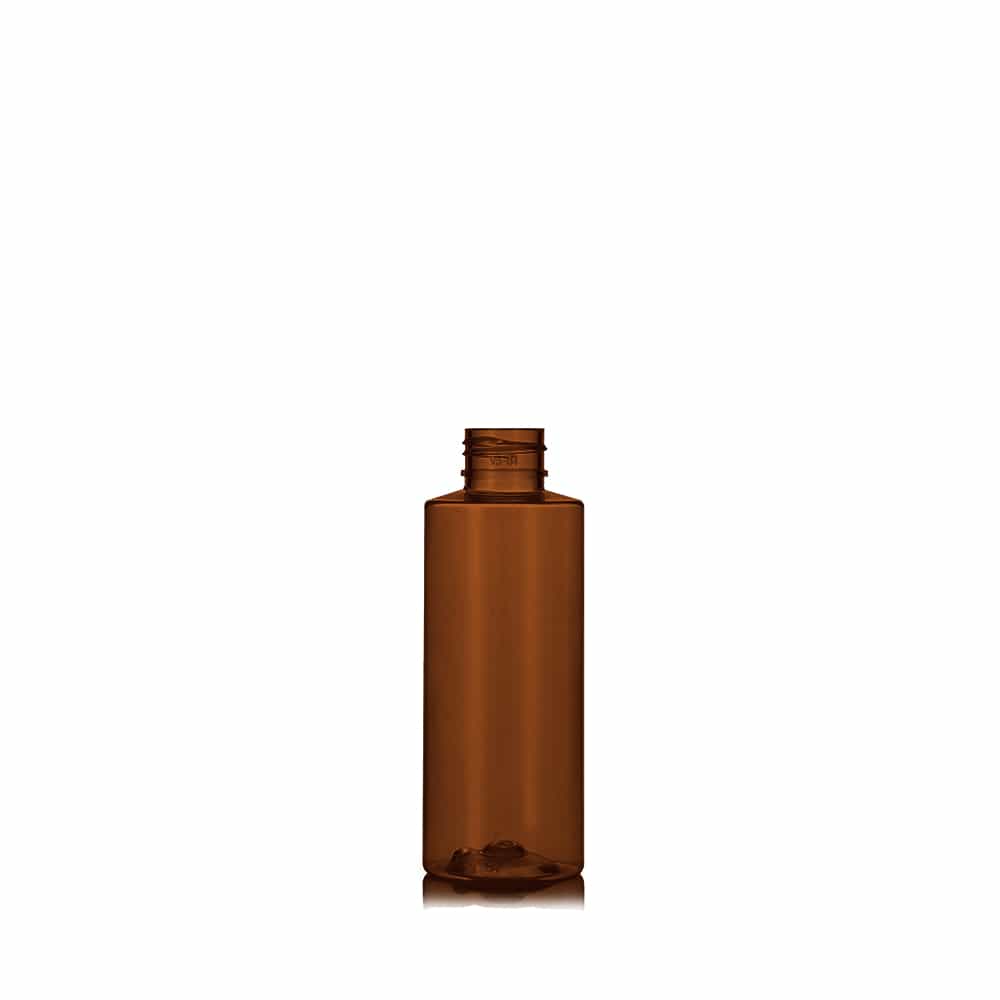
For essential oils and similar wellness products, color also matters. Amber bottles are often a strong choice because they support a familiar category look and can hide some of the visual variation that higher PCR content may introduce. Clear bottles can work, but brands should understand that recycled content can affect appearance more visibly in clear formats.
How to Choose the Right Bottle and Closure for Essential Oils
For most brands, the smartest path is practical, not complicated.
Start with the actual product. Then work outward from there.
Ask what the product needs
Before picking a bottle or closure, ask:
- what is the exact product and how is it used
- does it raise a child resistant packaging question
- what bottle size fits the use case best
- what dispensing style makes sense for the customer
- does the brand want PCR content as part of its packaging strategy
Choose the bottle and closure together
Bottle and closure decisions should be made together, not in separate steps.
A brand may choose:
- an amber bottle for category fit and PCR appearance control
- a treatment pump or dropper for dispensing
- a child resistant closure if the product calls for it
- a stock PCR bottle to keep ordering flexible and avoid custom complexity too early
This is especially important for the small format packaging common in wellness. One ounce, two ounce, and four ounce bottles are where many essential oil, serum, and treatment products live. Those formats need close attention to neck finish, closure compatibility, and the actual customer use case.
Why This Matters for Emerging Wellness Brands
Large brands can absorb packaging mistakes. Smaller brands usually cannot.
The wrong bottle and closure combination can lead to leaks, poor dispensing, bad customer experience, repurchasing costs, and messy reformulation decisions later. Weak sustainability claims can also create trust problems if the packaging story is vague or unsupported.
For California wellness brands, packaging decisions now carry more strategic weight. Customers expect products to look intentional, work well, and reflect a more responsible material choice.
That does not mean every brand should overcomplicate packaging. It means brands should make sharper choices earlier.
A practical process usually looks like this:
- start with a stock bottle format in a common size
- review whether child resistant packaging may be relevant
- compare virgin and PCR options side by side
- choose the closure based on actual product behavior
- test samples before placing a larger order
That is often the best route for growing brands that want flexibility without making avoidable mistakes.
Frequently asked questions
Does California SB 54 require child resistant caps for essential oils+
No. SB 54 focuses on packaging responsibility and recycled content. It does not create a blanket child resistant closure requirement for essential oils.
What does PPPA stand for+
PPPA stands for the Poison Prevention Packaging Act. It is a federal law that can require child resistant packaging for certain products.
Do all essential oils need child resistant closures+
No. The answer depends on the specific product, formulation, hazard profile, and intended use.
Are PCR bottles a good option for wellness brands+
Yes. PCR bottles can help wellness brands reduce virgin plastic use and support a more credible sustainability strategy, especially in California.
Is amber a good choice for PCR essential oil packaging+
Often, yes. Amber bottles fit the category well and can help hide visual variation in recycled content better than clear bottles.
What should a wellness brand ask a packaging supplier+
Ask about PCR percentage, bottle material, neck finish compatibility, closure options, sample availability, and whether child resistant closures are available if the product may require them.

Written by
Queenie FongQueenie Fong is the founder of Propack Solutions, a woman-owned sustainable packaging company based in Ontario, CA. With nearly a decade of experience in the packaging industry, she specializes in post-consumer recycled (PCR) materials, helping brands source rPET, PCR HDPE, and PCR PP packaging that meets regulatory requirements and sustainability goals.