How to Choose Packaging for Your Supplement Brand


Most supplement founders spend months perfecting their formula and about fifteen minutes picking a bottle. That is backwards. The bottle you choose determines shelf life, regulatory compliance, shipping survival rate, and whether a customer trusts your product enough to open it.
Supplements need clean bottles. Not clean as in sanitized, though that matters too. Clean as in visually precise: consistent color, smooth walls, no warping, no cloudiness. A supplement bottle sits on a shelf next to products from brands with eight figure marketing budgets. If your bottle looks off, the customer assumes the product inside is off too. In few other industries does packaging appearance directly determine whether someone trusts what they are swallowing.
This guide covers the practical decisions you face when sourcing packaging for capsules, tablets, powders, gummies, and liquid supplements. No jargon walls, no manufacturer catalog pitches. Just what you need to know before you place your first order.
Your Formula Dictates Your Material, Not the Other Way Around
The most common mistake new supplement brands make is choosing a bottle because it looks good on a competitor's shelf. What your product is made of, how it reacts to light, and how much moisture it can tolerate should drive every packaging decision.
HDPE (High Density Polyethylene) is the industry standard for solid dose supplements: capsules, tablets, softgels, and gummies. It blocks moisture better than PET, resists chemical interaction with most supplement ingredients, and is opaque enough to protect light sensitive formulas like probiotics and certain B vitamins. If you are packaging anything in solid form, HDPE is almost always the right call.
PET (Polyethylene Terephthalate) works well for liquid supplements, tinctures, protein drinks, and collagen shots. It is lightweight, shatter resistant, and clear enough to show product color, which matters for liquids where visual appeal drives purchase decisions. PET is also the most widely recycled plastic in the US, which simplifies your sustainability story.
Glass makes sense for premium liquid formulations, especially anything with volatile compounds like essential oil based supplements or high value tinctures. It is inert, looks premium, and signals quality. The tradeoff: it is heavier, more expensive to ship, and breaks. For a startup doing test runs, glass adds cost and risk that rarely justifies the aesthetic.
Quick Material Decision Matrix
| Format | Best Material | Why |
|---|---|---|
| Capsules and tablets | HDPE | Moisture barrier, opaque, cost effective |
| Softgels | HDPE | Prevents sticking, blocks light |
| Gummies | HDPE (wide mouth) | Low moisture transmission, easy access |
| Liquid supplements | PET | Clear, lightweight, recyclable |
| Tinctures and drops | PET or glass | Dropper compatibility, inert |
| Powders | HDPE or PET | Depends on moisture sensitivity |
| Protein drinks | PET | Clarity, light weight, single serve |
 HDPE packer bottles and PET bottles compared for supplement packaging
Color Is a Signal, Not a Style Choice
In supplement packaging, bottle color is not decoration. It is communication. Customers read color before they read the label, and what they see tells them what category of product they are holding, how premium it is, and whether to trust it.
White HDPE reads clinical, pharmaceutical grade, trustworthy. It is the default for most supplement brands because it borrows credibility from the medicine aisle. If you are launching a general health supplement and have no strong opinion on color, white is the safe bet.
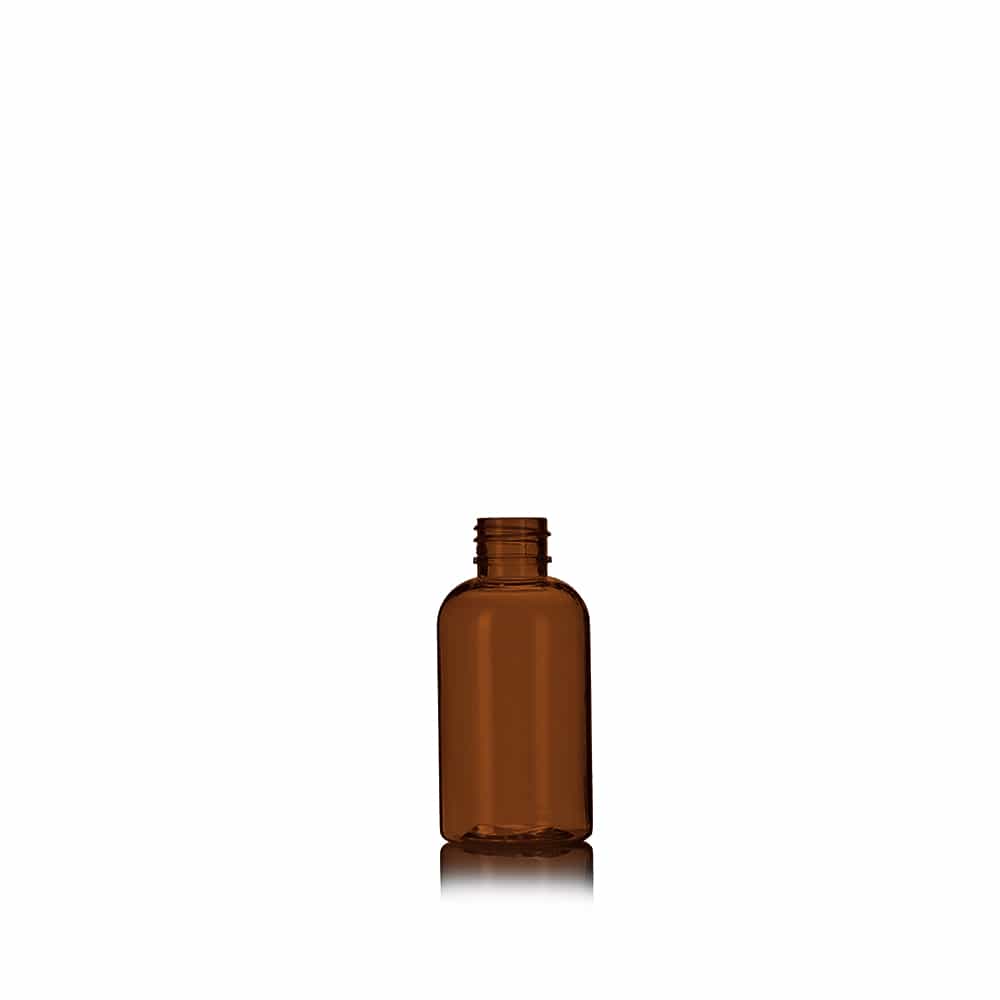
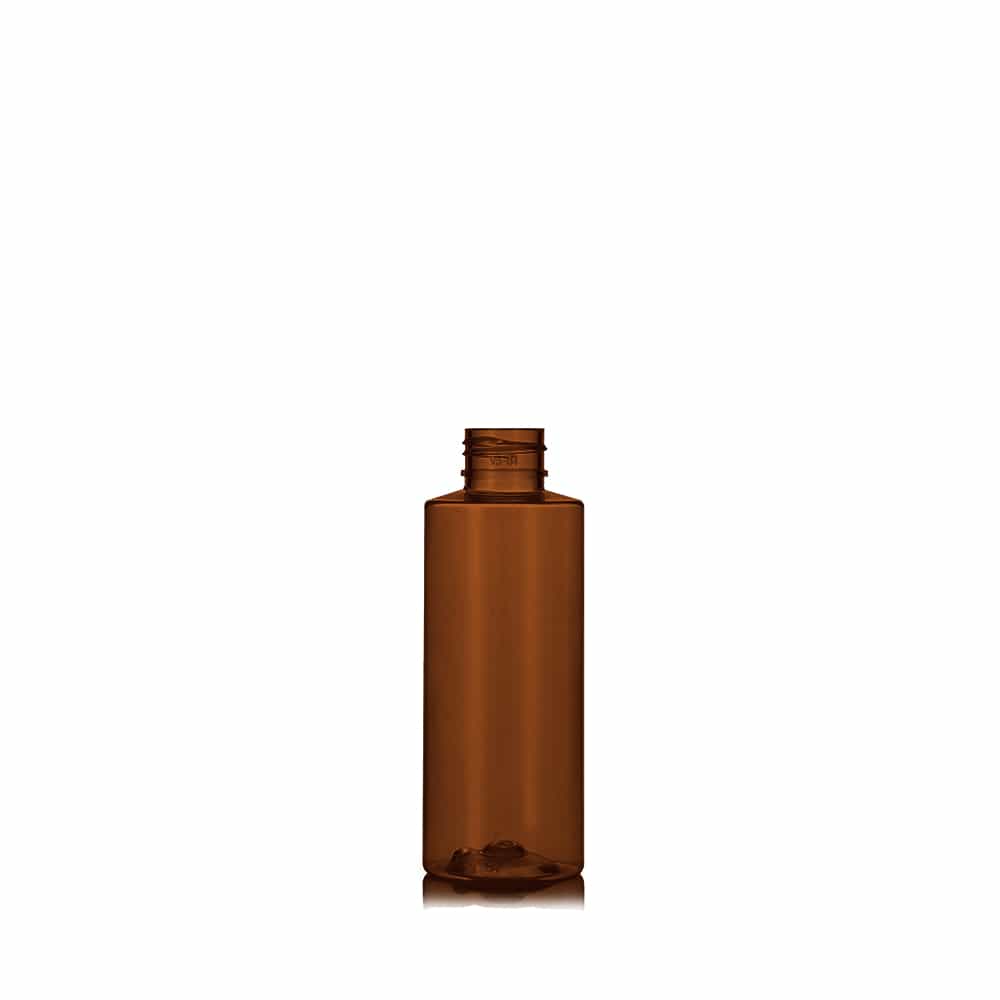
Amber and brown signal natural, earthy, premium. Amber PET and amber glass dominate the natural supplement space for a reason: customers associate dark warm tones with herbs, tinctures, and traditional remedies. Amber also blocks UV light, which protects photosensitive ingredients like vitamin A, certain probiotics, and omega 3 oils.
Black reads high end, bold, modern. It works for sports nutrition, testosterone boosters, pre workout formulas, and anything marketed toward performance. Black HDPE is increasingly popular for brands trying to stand out from the white bottle crowd on supplement shelves.
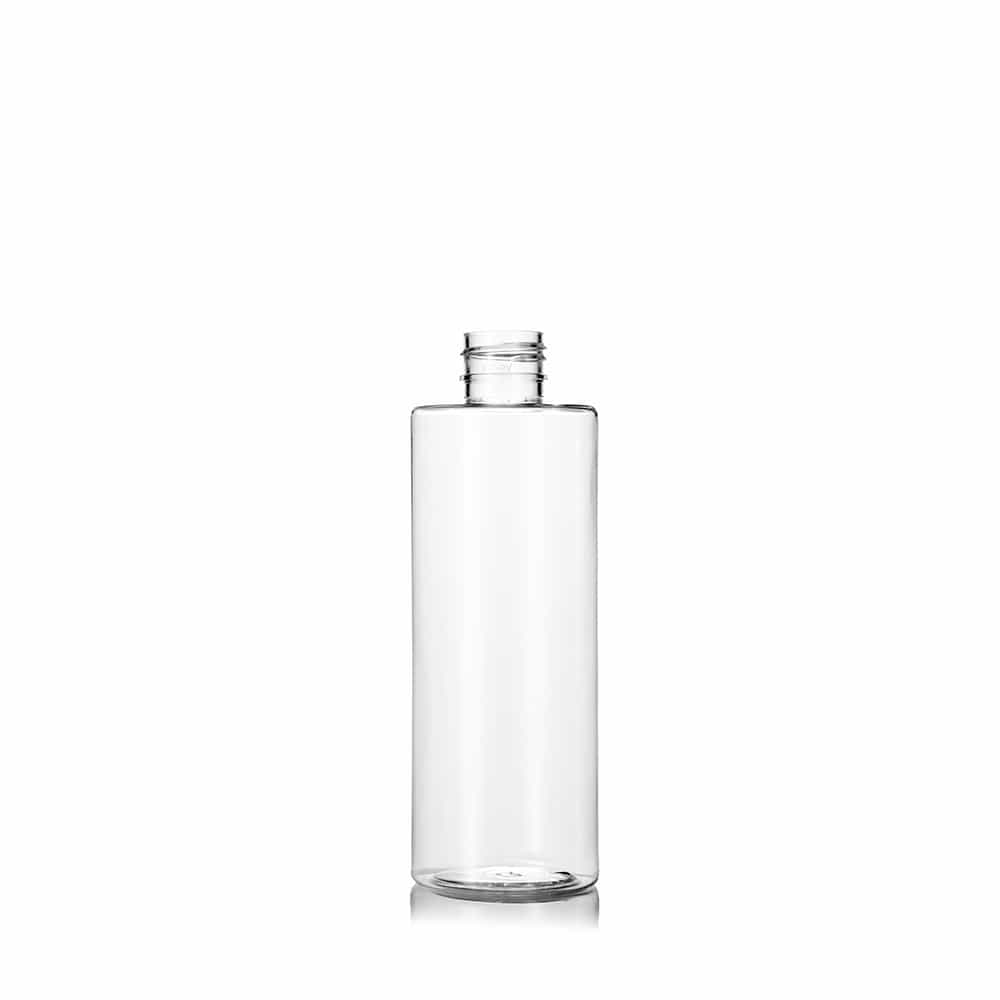
Clear says transparency, literally and figuratively. Customers can see exactly what they are getting. Clear PET works beautifully for liquid supplements where the product color is attractive: golden collagen shots, green chlorophyll drinks, amber tinctures. Do not use clear for capsules or tablets unless your product looks pristine inside the bottle. A half full clear bottle with capsules rattling around looks cheap.
Natural HDPE (the slightly translucent off white) is functional but reads budget. It works for wholesale, bulk, or clinical products where branding matters less than cost.
The critical point about color and PCR: recycled plastic used to make color consistency impossible. rHDPE and rPET had a reputation for being cloudy, uneven, or slightly off shade. That is no longer the case. Proprietary formulations now deliver virgin equivalent color and surface quality at 35 and 50 percent recycled content. Your customer will not know the difference, but your sustainability reporting will.
 Supplement bottle color options: white, amber, black, and clear
Closures Make or Break Compliance
The cap on your supplement bottle is not just a lid. It is a regulatory checkpoint, a freshness seal, and often the first thing a customer interacts with. Getting closures wrong causes more launch delays than formula problems.
Child Resistant Caps (CRC) are required by the Consumer Product Safety Commission for any supplement that contains iron or could pose a risk to children. Many brands skip this requirement early and get flagged later. If your formula contains iron in any form, you need CRC caps from day one. Even if your product does not require them, CRC caps signal safety and professionalism to retailers.
Tamper Evident Bands are not legally required for dietary supplements under current FDA rules, but try selling to a retailer without them. Shrink bands or breakaway rings tell the customer nobody opened this bottle before them. For ecommerce, tamper evidence is even more important because the package changes hands multiple times before delivery.
Induction Seals create an airtight barrier between the cap and the bottle opening. For moisture sensitive supplements like probiotics, enzymes, and certain herbal extracts, induction seals are not optional. They extend shelf life significantly and prevent the clumping that makes customers think your product has gone bad.
Desiccant Packs and Canisters handle the moisture that gets in after the seal is broken. HDPE bottles with built in desiccant canisters in the cap are becoming standard for premium supplement lines. If your formula degrades with humidity exposure, budget for desiccant from the start rather than retrofitting after your first batch of customer complaints.
Neck Finish Compatibility
Every bottle has a neck finish specification like 38-400 or 45-400 for packer bottles, or 28-410 for liquid bottles. The first number is the diameter in millimeters. The second number indicates the thread pattern. A 38-400 cap does not fit a 38-410 bottle. This is the most common sourcing mistake new brands make: ordering bottles and caps separately without confirming the neck finish matches exactly. Always verify both numbers with your supplier before placing an order.
 Supplement bottle closure types including child resistant and tamper evident caps
Sizing: Think About Dose Count, Not Fluid Ounces
Supplement buyers do not think in milliliters. They think in "how many capsules" or "how many servings." Your bottle size should match the dose count your customers expect, not an arbitrary volume.
Common packer bottle sizes for solid supplements:
- 75cc: roughly 30 to 60 capsules depending on size
- 120cc: 60 to 90 capsules, the most popular retail size
- 150cc: 90 to 120 capsules, bulk or subscription formats
- 200cc: 120 to 150 capsules, value packs
- 250cc and 300cc: high count bottles for wholesale or powder fills
For liquid supplements:
- 1 oz and 2 oz for tinctures and concentrated drops
- 4 oz and 8 oz for daily liquid supplements
- 16 oz and 32 oz for protein drinks and meal replacements
A common mistake is choosing a bottle that is too large for your capsule count. Customers open a half empty bottle and assume they got shorted. Pick the smallest bottle that holds your dose count with about 10 to 15 percent headspace. Your contract manufacturer or filling house can help you test fit before committing to a full order.
The Sustainability Question Supplement Brands Are Ignoring
California's SB 54 is phasing in recycled content requirements for plastic packaging. By 2030, plastic bottles will need to contain at least 50 percent post consumer recycled content. Most supplement brands are not thinking about this yet because the deadlines feel distant. They are not.
If you are building a supplement brand today, choosing PCR bottles from the start avoids a forced packaging change later. Switching materials mid production means new stability testing, updated labels, revised supplier agreements, and potential retail disruption. Brands that lock in PCR packaging now will not face that scramble.
The old argument against PCR was cost and appearance. Recycled plastic used to look cloudy, feel inconsistent, and cost 20 to 30 percent more than virgin. That is where the "supplements need clean bottles" problem became real: nobody wanted to put a premium formula in a bottle that looked recycled. That barrier is gone. rHDPE and rPET packer bottles are now available at virgin equivalent pricing with color and surface finish that matches conventional bottles. The sustainability premium that kept small brands away from recycled packaging has been engineered out.
Test Runs Without the 10,000 Unit Trap
Traditional supplement packaging suppliers require minimum orders of 5,000 to 50,000 bottles. For a new brand doing a test run of 500 units, that means sitting on years of inventory or paying a premium to a broker.
Look for suppliers that sell at any quantity without minimum order requirements. A test run should cost you a few hundred dollars in packaging, not a few thousand. Order 200 bottles, fill them, send them to your first customers, and validate the product before scaling your packaging commitment.
This also lets you test multiple configurations. Order 100 units in 120cc HDPE with CRC caps and 100 units in 150cc HDPE with flip tops. See which one your customers prefer before locking in.
Frequently asked questions
What is the best bottle material for capsules and tablets?+
HDPE is the standard for solid dose supplements. It offers superior moisture resistance compared to PET, blocks light transmission that degrades certain ingredients, and is compatible with all common closure types including child resistant caps. Nearly every capsule and tablet supplement on retail shelves uses an HDPE packer bottle.
Do supplement bottles need child resistant caps?+
The Consumer Product Safety Commission requires child resistant packaging for any dietary supplement that contains iron. Beyond that legal requirement, many retailers and fulfillment partners expect CRC caps as a standard safety measure. Even if your formula does not legally require them, CRC caps add a layer of liability protection and consumer trust.
What neck finish do supplement packer bottles use?+
Most HDPE packer bottles in the 75cc to 300cc range use a 38-400 or 45-400 neck finish. Liquid supplement bottles typically use 24-410 or 28-410 depending on the closure type. Always confirm the neck finish specification with your supplier before ordering caps separately, because a one digit difference in the thread code means the cap will not seal properly.
How do I know what size bottle to order for my supplement?+
Start with your dose count and capsule size. A standard two piece gelatin capsule (size 0) takes roughly 0.7cc of space. For a 60 count bottle, you need approximately 42cc of capsule volume plus 10 to 15 percent headspace, which puts you in the 75cc to 120cc range. Your contract manufacturer can do a test fill to confirm the exact fit before you commit to a bulk order.
Are PCR supplement bottles FDA compliant?+
PCR bottles that meet FDA food contact standards are suitable for dietary supplement packaging. The key is verifying that the recycled resin has been processed through an FDA recognized recycling process, which ensures contaminant levels fall within acceptable limits. Reputable suppliers provide chain of custody documentation and third party certifications like GRS or SCS to verify recycled content claims.
Does bottle color affect supplement shelf life?+
Yes. Amber and opaque bottles block UV light that degrades photosensitive ingredients like vitamin A, certain probiotics, and omega 3 fatty acids. Clear bottles expose contents to light but allow product visibility. White and black HDPE block light almost completely. Choose color based on your ingredient sensitivity first, then consider brand aesthetics and shelf positioning.

Written by
Queenie FongQueenie Fong is the founder of Propack Solutions, a woman-owned sustainable packaging company based in Ontario, CA. With nearly a decade of experience in the packaging industry, she specializes in post-consumer recycled (PCR) materials, helping brands source rPET, PCR HDPE, and PCR PP packaging that meets regulatory requirements and sustainability goals.