Is rPET Recyclable?
 Queenie Fong
Yes, rPET is recyclable. The material, which stands for recycled polyethylene terephthalate, can be collected, processed, and remade into new products multiple times. Its ability to be recycled is a primary reason brands choose rPET for sustainable packaging. The process retains much of the plastic’s core integrity, allowing it to re-enter the supply chain and reduce the need for virgin plastic production.
This article explains how rPET is recycled, how many times it can go through the process, and what your brand can do to ensure its packaging is designed for maximum recyclability.
The Mechanical Recycling Process
Most PET and rPET plastic bottles undergo mechanical recycling. This physical process breaks down plastic waste to create recycled material without changing its chemical structure. It is the most common and energy-efficient method for recycling PET today.
The process follows several key steps.
- Collection and Sorting: Consumers place PET containers, identified by the Resin Identification Code #1, into recycling bins. At a Material Recovery Facility (MRF), these items are sorted from other materials. Advanced MRFs use optical sorters to separate PET by color, prioritizing clear and light blue bottles which have the highest value.
- Cleaning and Grinding: The sorted PET is thoroughly washed to remove contaminants like labels, adhesives, and leftover product. The clean plastic is then ground into small pieces called flakes.
- Remanufacturing: These clean flakes are melted down and extruded into small pellets. These rPET pellets become the raw material for new products. They can be used to manufacture new bottles, containers, fibers for clothing, or industrial strapping.
This closed-loop potential makes rPET a valuable material in the circular economy. Each cycle saves resources and reduces landfill waste.
How Many Times Can PET Be Recycled?
PET can be mechanically recycled approximately 5 to 7 times before its quality degrades significantly. Each time plastic is heated and re-melted during mechanical recycling, its polymer chains shorten. This process, known as downcycling, slightly reduces the material's physical properties, like its strength and clarity.
The exact number of cycles depends on several factors. The quality of the incoming recycled material is crucial. A clean stream of high-quality PET bottles can be recycled more times than a heavily contaminated stream. The technology at the recycling facility also plays a role.
Maintaining Quality with Virgin PET
To counteract quality loss, manufacturers often blend rPET with a certain percentage of virgin PET. This practice strengthens the polymer structure and ensures the final package meets performance and safety standards, especially for food-grade applications. A bottle labeled as "100% rPET" is made entirely from recycled material, while a 30% rPET bottle contains a blend. This blending extends the useful life of the recycled plastic.
The Future is Chemical Recycling
While mechanical recycling is the current standard, chemical recycling presents a long-term solution to the issue of downcycling. Also known as advanced recycling, this process uses heat or chemical solvents to break down plastics into their original molecular building blocks, called monomers.
These monomers are indistinguishable from those produced from fossil fuels. They can be used to create new, virgin-quality plastics an infinite number of times. Chemical recycling can also process lower-quality and more contaminated plastics that mechanical recycling cannot handle.
Currently, chemical recycling is not widely used for PET on a commercial scale. The technology is more energy-intensive and expensive than mechanical recycling. However, as the technology matures and scales, it holds the potential to create a truly circular system for plastics, where every bottle can be recycled back into a new bottle forever.
Design for Maximum Recyclability
As a brand owner, your packaging design choices directly impact whether a product can be successfully recycled. Following established design-for-recycling guidelines ensures your rPET packaging completes its circular journey.
Follow these principles to create recyclable packaging.
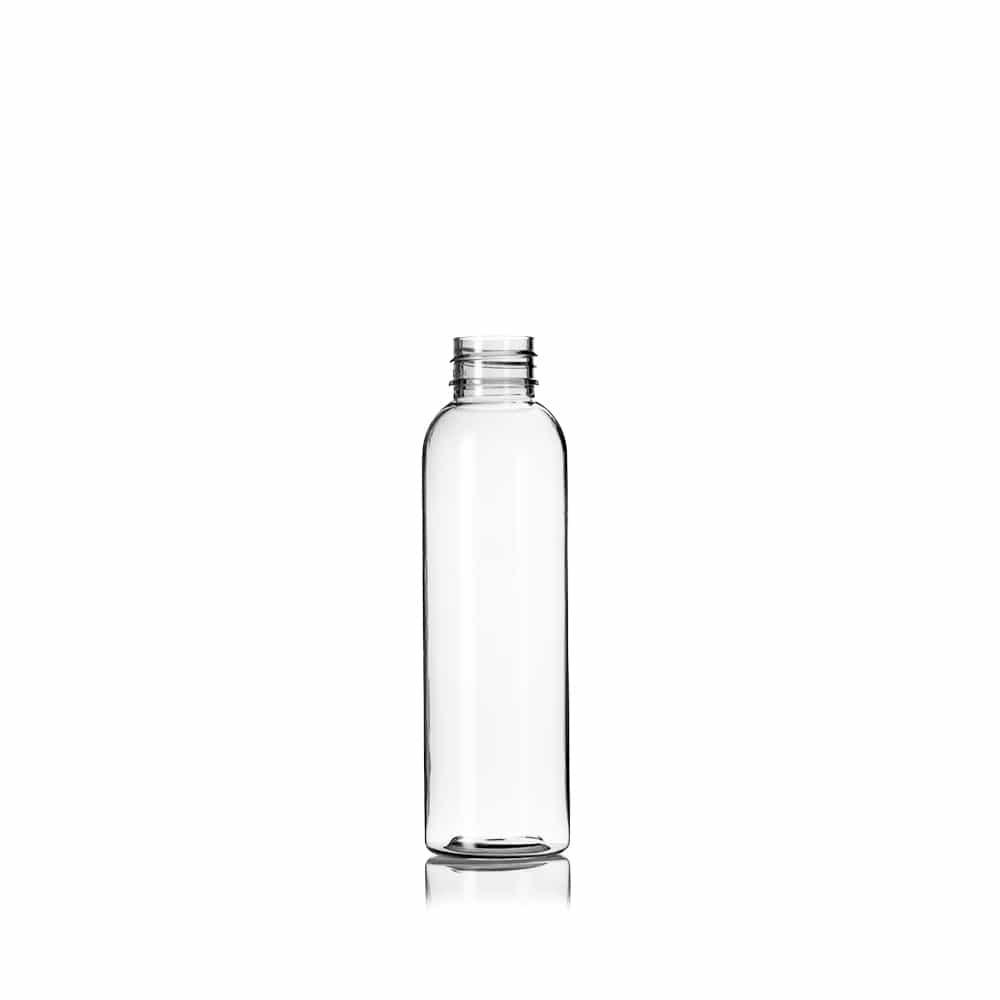
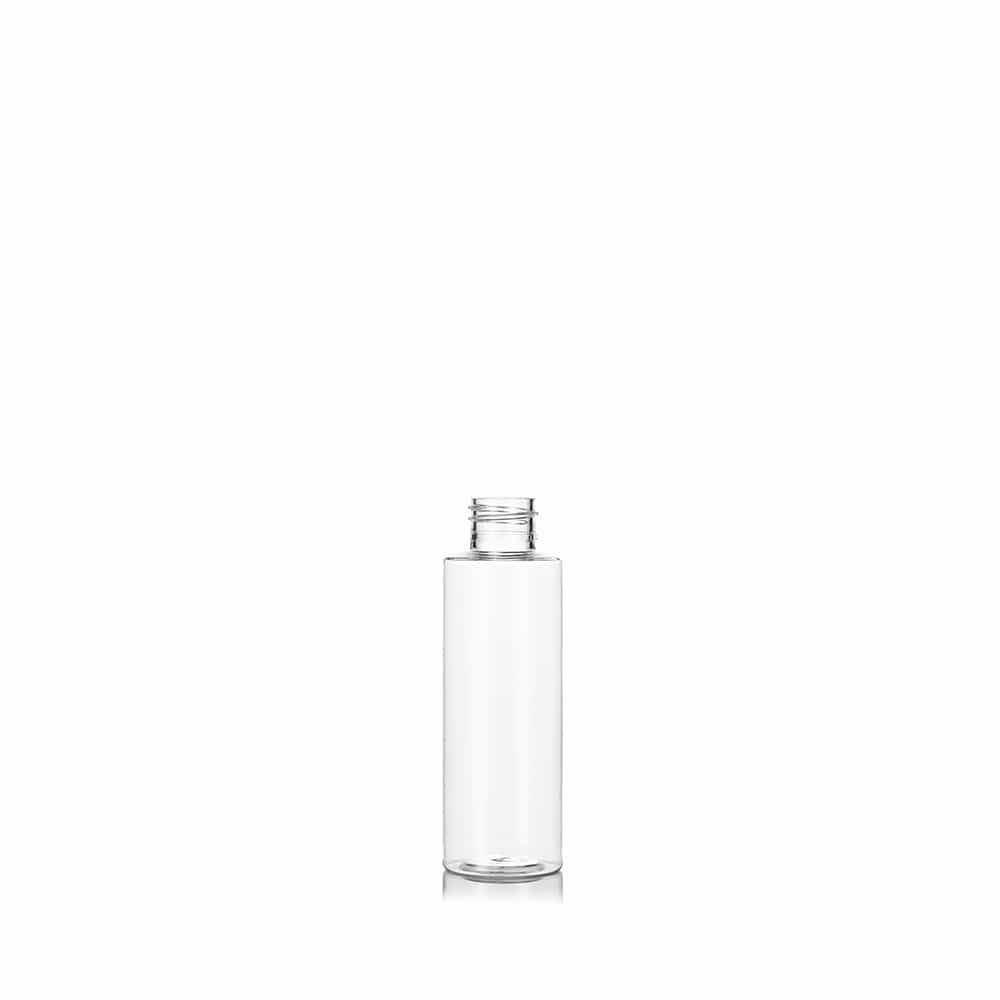
- Use Clear or Light Blue PET: Clear and light blue rPET have the highest market value. They can be recycled back into clear bottles. Dark or opaque colors like black, red, or white contaminate the clear recycling stream and are often downcycled or landfilled.
- Select Recyclable Labels and Adhesives: Use labels that easily separate from the bottle during the wash cycle. The Association of Plastic Recyclers (APR) provides guidelines on compatible label materials and wash-off adhesives. Pressure-sensitive and shrink-sleeve labels can be problematic if not designed correctly.
- Avoid Non-Recyclable Components: Eliminate elements made from different materials that contaminate the PET stream. This includes metal springs in pumps, incompatible cap liners, and certain types of barrier layers. Choose mono-material designs wherever possible.
- Provide Clear Consumer Instructions: Use standardized labeling like the How2Recycle logo to clearly communicate how to prepare the package for recycling. Simple instructions like "Empty Before Recycling" or "Rinse and Replace Cap" can significantly increase recycling rates.
Frequently Asked Questions
What is the difference between PET and rPET?+−
PET is virgin plastic made from petroleum or plant-based feedstocks. rPET is recycled PET, made from collected and reprocessed post-consumer or post-industrial PET waste. Using rPET has a significantly lower environmental impact, reducing carbon emissions by up to 79% compared to virgin PET.
Does recycling rPET save energy?+−
Yes. Manufacturing products from rPET uses significantly less energy than creating them from virgin materials. The process of producing rPET pellets uses approximately 75% less energy than is required to produce virgin PET pellets from raw petrochemicals.
What is the difference between mechanical and chemical recycling?+−
Mechanical recycling is a physical process. It sorts, cleans, and grinds plastic to re-melt it into new products. This process can cause material degradation over time. Chemical recycling is a molecular process. It breaks plastic down to its basic chemical building blocks, which can then be used to create new, virgin-quality plastic without degradation.
Are all PET plastic products recyclable?+−
No. While PET bottles have a well-established and efficient recycling stream, other PET formats are harder to recycle. PET thermoforms, such as clamshells and trays, are often not accepted in curbside programs due to their different melt temperatures and potential for contamination. Colorants, additives, and multi-layer materials can also render a PET package non-recyclable.
Is rPET safe for food and beverage packaging?+−
Yes, food-grade rPET is safe for direct food contact. To be used for food or beverage packaging, rPET must undergo a rigorous purification process approved by regulatory bodies like the U.S. Food and Drug Administration (FDA). This process removes any potential contaminants and ensures the final material meets strict safety standards. Propacks only sells food-grade rPET.

Written by
Queenie FongQueenie Fong is the founder of Propack Solutions, a woman-owned sustainable packaging company based in Ontario, CA. With nearly a decade of experience in the packaging industry, she specializes in post-consumer recycled (PCR) materials, helping brands source rPET, PCR HDPE, and PCR PP packaging that meets regulatory requirements and sustainability goals.