Why We Refuse to Charge More for Recycled Plastic


Everyone in packaging knows the quiet math.
PCR resin costs more than virgin. The tooling is pickier. The supply chain has fewer options. Every supplier in the country uses this as their excuse to tack on 15 to 30 percent and call it the "sustainability premium." The customer pays extra to feel good. The supplier pockets the margin and calls it green leadership.
We thought that was wrong.
Not in a polished, corporate-disagreement kind of way. In a "this is actively hurting the people we claim to serve" way. Small beauty brands, indie wellness founders, someone running a supplement line out of their apartment. These are the people who actually care about sustainability. They read ingredient labels and packaging specs before they even have revenue. And the industry's answer to them is: caring costs extra?
We spent two years solving it. We reworked the sourcing. We ate the complexity on the supply chain side so our customers never feel it on the pricing side. Same bottles. Same quality. Same price as virgin.
No sustainability premium. No minimum order.
The Real Cost of "Affordable" Virgin Plastic
The sustainability premium is one of the most effective lies in packaging. It suggests that recycled material is inherently more expensive, that brands must choose between being green and being profitable, and that only companies with large budgets can afford to do the right thing.
None of that is true anymore. Not with us.
PCR PET and PCR HDPE have historically carried a price premium over virgin resin. That much is real. The collection, sorting, cleaning, and reprocessing of post-consumer plastic adds steps that new petroleum-based production does not require. Raw rPET pellets can cost 10 to 40 percent more than virgin PET depending on market conditions and recycled content percentage.
But resin cost is not bottle cost. Bottle cost includes tooling, manufacturing efficiency, inventory strategy, supplier relationships, and margin decisions. Most suppliers treat the resin premium as a pass-through cost plus markup. We treated it as an engineering problem.
Our proprietary formulation lets us deliver PCR bottles at 35 and 50 percent recycled content with virgin-equivalent color, clarity, and structural integrity. That is not the cloudy, inconsistent look that gives recycled plastic a bad reputation. These bottles are indistinguishable from virgin on the shelf. And they cost the same.
Why No Minimum Order Actually Matters
That second part, the no minimum order, matters more than people think.
Most PCR suppliers will sell you recycled bottles. In quantities of 10,000. If you are a brand doing your first production run, if you need 200 bottles to test a product at a farmers market, if you want to try a new size before committing to a full SKU, the entire sustainable packaging industry basically tells you to come back when you are bigger.
We think that is backwards.
The startup brands are the ones building sustainability into their DNA from day one. They are the ones whose customers actually check the packaging. They are making choices right now that will define their brand identity for years. And the industry gatekeeps PCR behind pallet minimums that only established companies can meet.
We built Propacks for those brands. Order one case or one container. Same price per unit. Same material. Same quality. The size of your business should not determine whether you can afford to do the right thing.
What We Chose Not to Do
We could have gone the easy route. Sell virgin and PCR side by side. Let the customer choose. That is what most suppliers do. They put "eco-friendly option available" in the footer and let price sensitivity do the rest. Ninety percent of orders go virgin. Everyone pretends they offered the choice.
We do not sell virgin plastic. At all.
That is a business decision that costs us customers. Some people find us, see we only sell PCR, and leave. We know this. We looked at the numbers and decided we would rather be the company that removed the excuse than the company that offered the option.
Here is the logic. If you put virgin and PCR bottles side by side at different prices, you have already lost. You are telling the customer that sustainability is a luxury. You are reinforcing the exact framing that keeps the industry stuck. The brand founder who is already stretched thin on budget will pick virgin every time, not because they do not care, but because you made caring optional and expensive.
We made it neither.
SB 54 Is Not a Suggestion
California SB 54 takes effect with escalating recycled content requirements. Plastic beverage containers must contain at least 15 percent post-consumer recycled content now, rising to 25 percent by 2025 and 50 percent by 2030. Non-beverage plastic packaging faces its own thresholds on a separate timeline.
The brands buying virgin plastic today are not saving money. They are borrowing time.
When the compliance deadline hits for their product category, they will be scrambling for PCR suppliers. They will pay rush prices. They will redesign packaging under pressure. They will explain to their customers why the bottles look different suddenly.
The brands that switched early? They already have their supply chain locked in. They already have their packaging dialed. They are not sweating a regulatory deadline because they made the decision before anyone forced them to.
We talk to brands every week who are just now starting to think about SB 54. Some of them have been buying virgin plastic for years from suppliers who never once mentioned that a compliance deadline was approaching. Those suppliers were happy to keep selling the cheaper resin and let their customers deal with the transition cost later.
That is not how we operate.
Does PCR Plastic Actually Look Different?
This is the most common question we get, and it is a fair one.
Standard recycled resin can have visible differences from virgin. Slight color variation. Minor inconsistencies in clarity. A different feel. This is what most people picture when they hear "recycled plastic," and it is a legitimate concern for brands where shelf presence matters.
Our bottles do not have that problem.
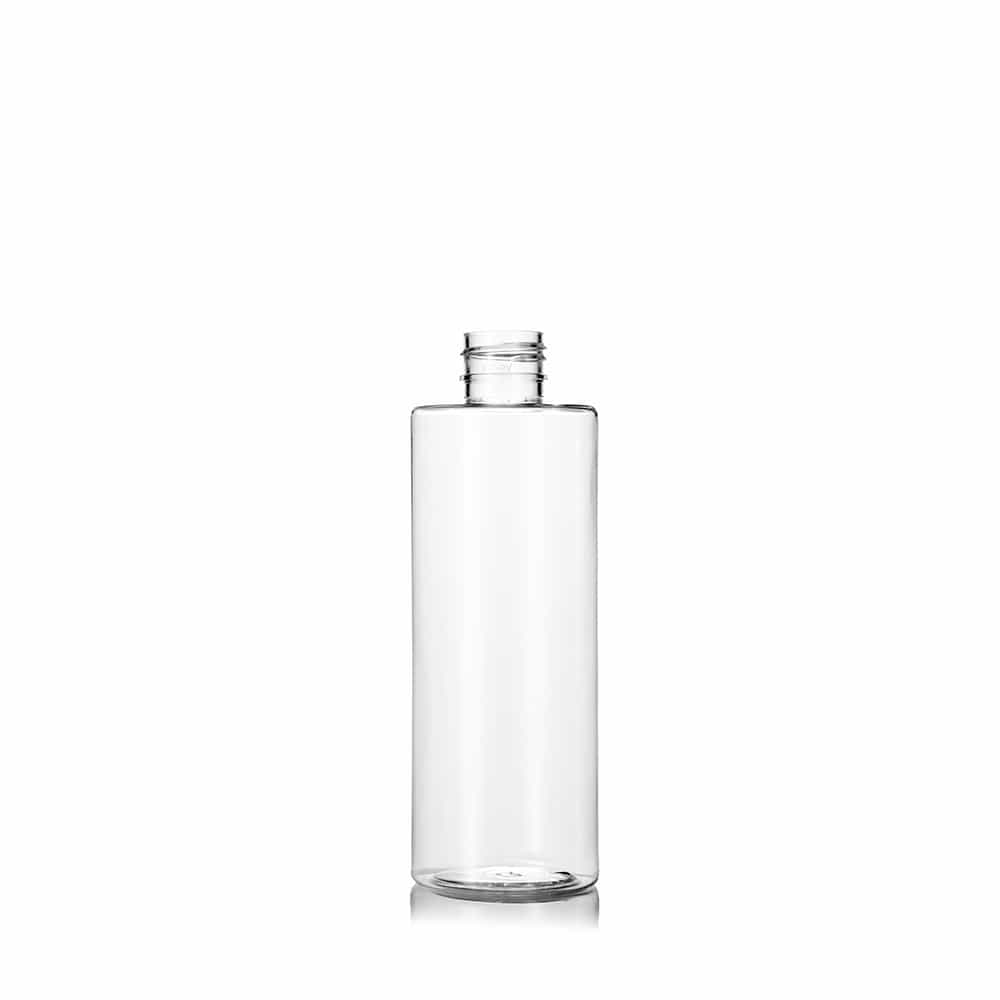
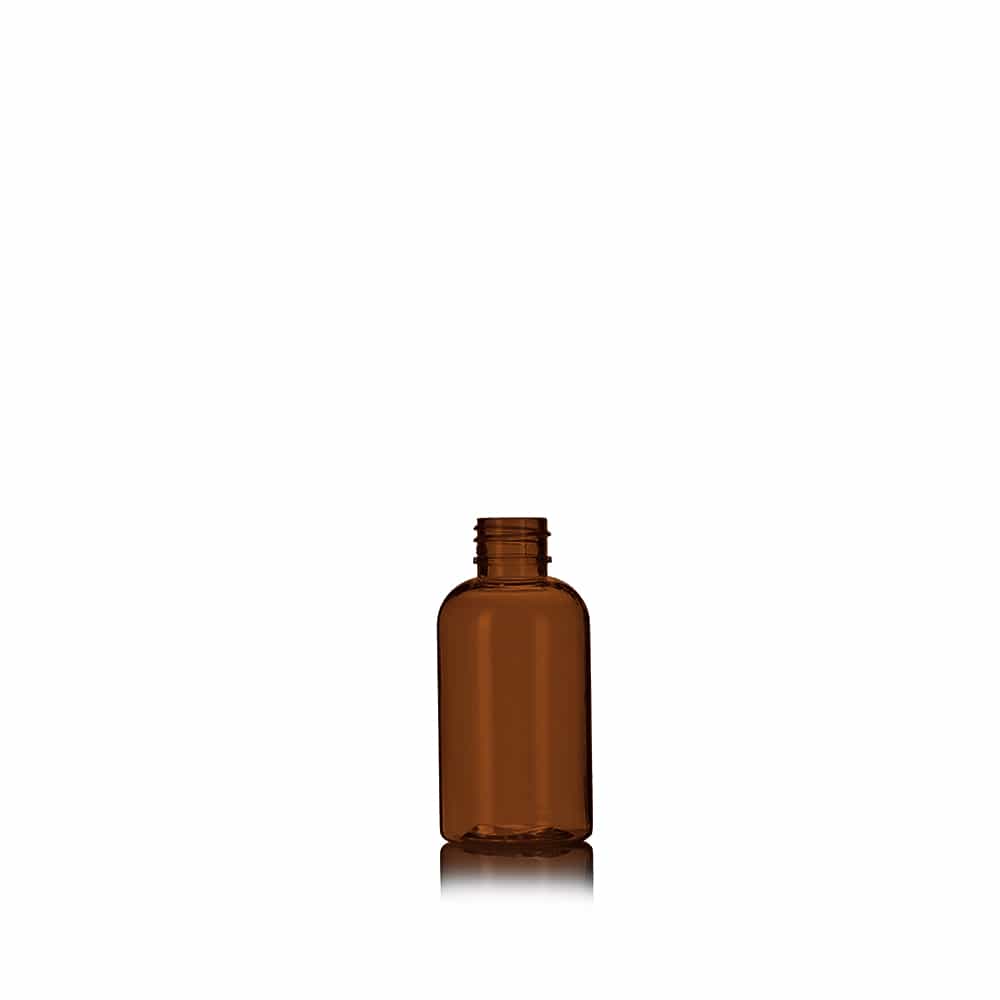
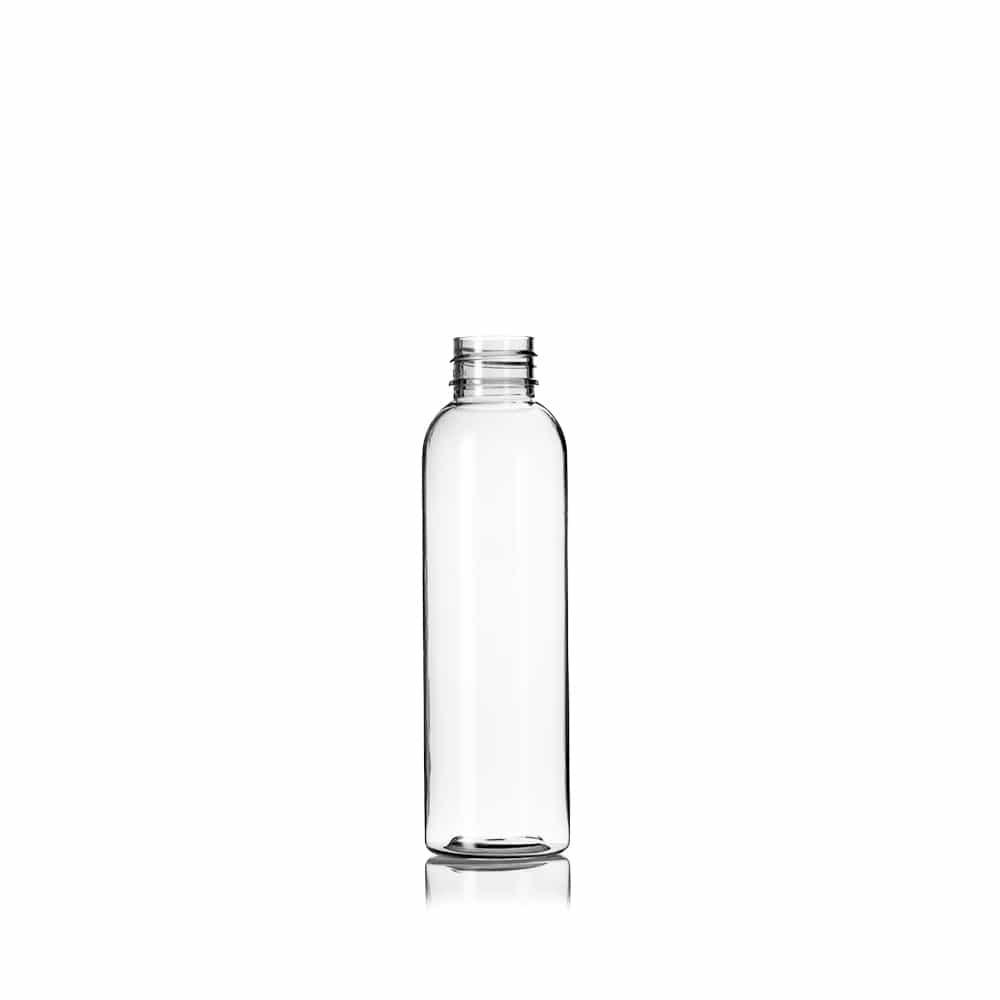
We developed a proprietary formulation that delivers virgin-equivalent color and structure at both 35 and 50 percent PCR content. The bottles are GRS certified and manufactured to ISO 9001 standards. Clear bottles are clear. Amber bottles are amber. The recycled content is functionally invisible to the end consumer.
This matters because the "it looks cheap" objection has killed more PCR adoption than any pricing concern ever has. Brand founders who care about sustainability will still choose virgin if they think recycled bottles will make their product look worse on the shelf. We eliminated that tradeoff.
Who This Is For
Propacks exists for brands that actually believe in what they are building and want their packaging to reflect it from bottle one. Not bottle ten thousand.
If you are launching a skincare line and want PCR from your first production run, we are your supplier. If you are a wellness brand scaling from 500 to 50,000 units and need consistent PCR sourcing at every stage, we are your supplier. If you are a cleaning product company in California that needs to get ahead of SB 54, we are your supplier.
If you need 100,000 units of virgin PET at the lowest possible price and sustainability is not part of your brand story, we are not your supplier. And we are fine with that.
We did not make sustainable packaging more expensive. We made waiting expensive.
Frequently asked questions
Why does Propacks only sell PCR bottles and not virgin plastic?+
We believe offering virgin and PCR side by side at different prices reinforces the idea that sustainability is a luxury. By selling only PCR at the same price as comparable virgin bottles, we remove the cost barrier entirely. Brands do not have to choose between doing the right thing and protecting their margins.
Is PCR plastic really the same price as virgin at Propacks?+
Yes. Our PCR bottles at 35 and 50 percent recycled content are priced the same as comparable virgin bottles from other suppliers. We absorbed the complexity on the sourcing side so our customers never pay a sustainability premium.
Will PCR bottles look different from virgin plastic bottles on the shelf?+
Not from Propacks. Our proprietary formulation delivers virgin-equivalent color, clarity, and structural integrity at both 35 and 50 percent PCR content. The bottles are GRS certified and manufactured to ISO 9001 standards. Most consumers cannot tell the difference.
What is the minimum order at Propacks?+
There is no minimum order. You can order as few or as many bottles as your project requires. Whether you need one case for a test run or a full container for a production launch, the per-unit pricing stays the same.
How does California SB 54 affect brands buying plastic bottles?+
SB 54 requires escalating percentages of post-consumer recycled content in plastic packaging sold in California. Brands that are still using virgin plastic will eventually need to switch to PCR or face compliance issues. Starting with PCR now means your supply chain is already set up when the requirements apply to your product category.
What PCR content percentages does Propacks offer?+
Propacks offers bottles at 35 percent and 50 percent post-consumer recycled content. The 50 percent PCR option is particularly relevant for brands planning ahead for SB 54's 2030 beverage container requirement. Both levels use our proprietary formulation for virgin-equivalent appearance.

Written by
Queenie FongQueenie Fong is the founder of Propack Solutions, a woman-owned sustainable packaging company based in Ontario, CA. With nearly a decade of experience in the packaging industry, she specializes in post-consumer recycled (PCR) materials, helping brands source rPET, PCR HDPE, and PCR PP packaging that meets regulatory requirements and sustainability goals.