Is Sustainable Packaging More Expensive? The Real Cost Breakdown


The short answer is yes, on paper. According to the Smithers consultancy, post-consumer recycled resin costs roughly 33 percent more than virgin polymer at the commodity level. That premium, Smithers noted in its 2026 report "The Future of PCR Packaging to 2031," creates a self-reinforcing cycle: the higher price "dampens demand, which in turn discourages investment in recycling infrastructure, keeping supply tight and prices high."
That is the number everyone quotes when they want to shut down the sustainability conversation.
But here is what the number leaves out: the commodity resin index is not the price you pay for a finished bottle. By the time a bottle reaches your warehouse, the resin cost is one line item among many. Tooling, mold amortization, minimum order requirements, shipping weight, and supplier margin all factor in. And for most small to mid-size brands ordering under 50,000 units, those other line items dwarf the resin premium.
Where the 33 Percent Premium Actually Goes
The Smithers figure represents the spread between virgin PET pellets and food-grade rPET pellets on the spot market. But most beauty and personal care brands do not buy pellets. They buy finished bottles from a packaging supplier, and that supplier has already baked the resin cost into a per-unit price that includes overhead, labor, quality control, and profit margin.
This is where supplier selection makes or breaks the equation.
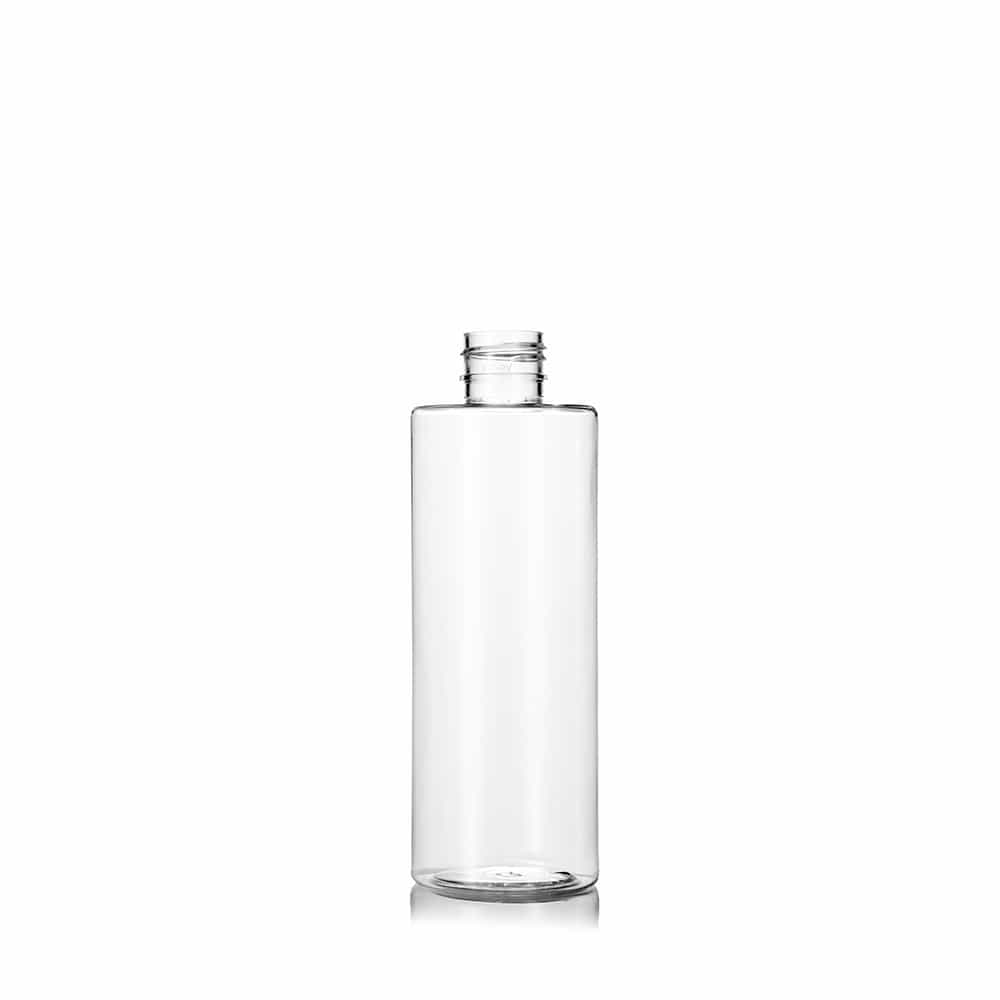
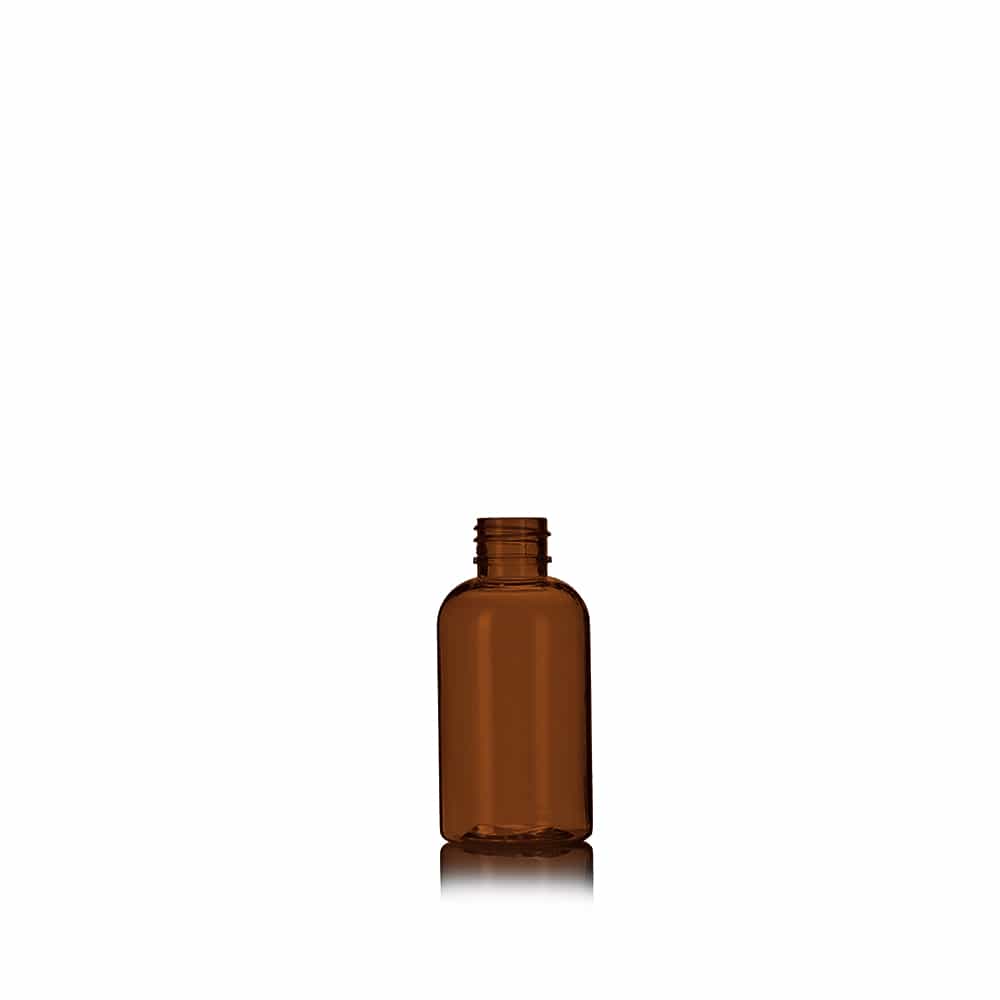
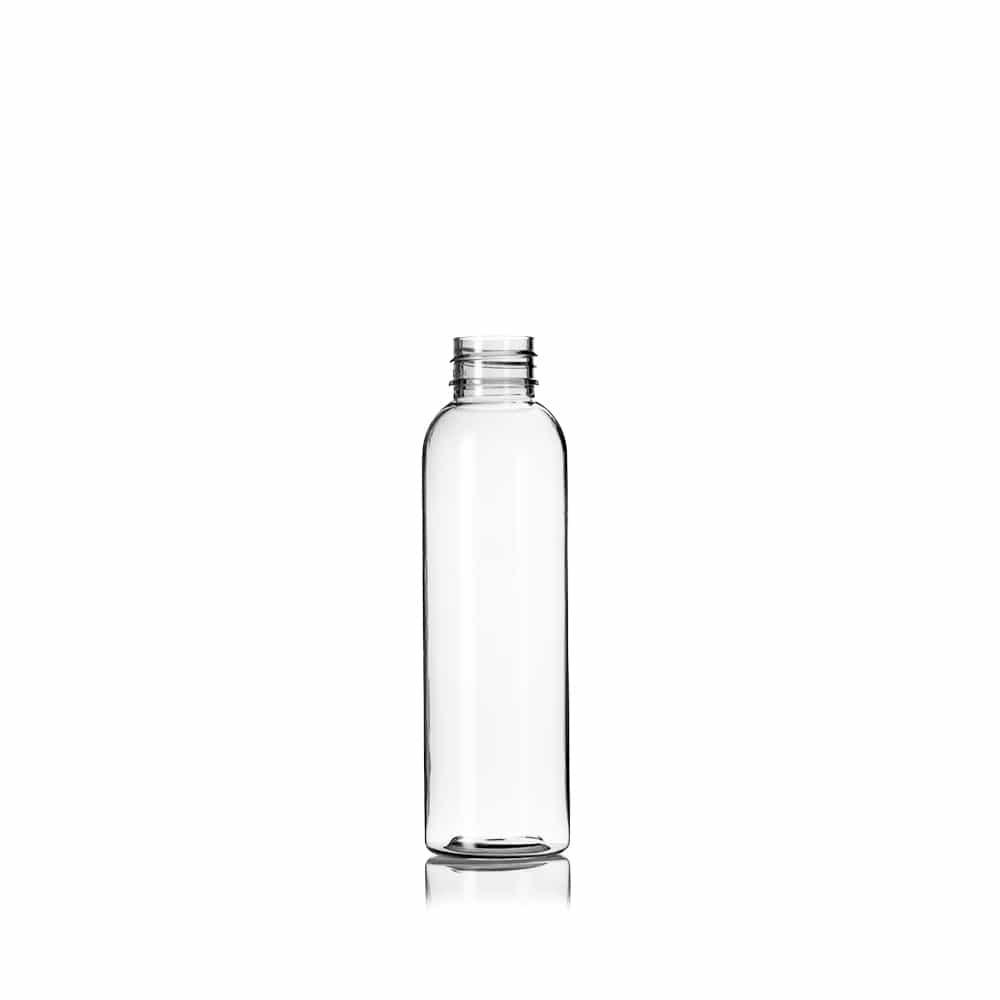
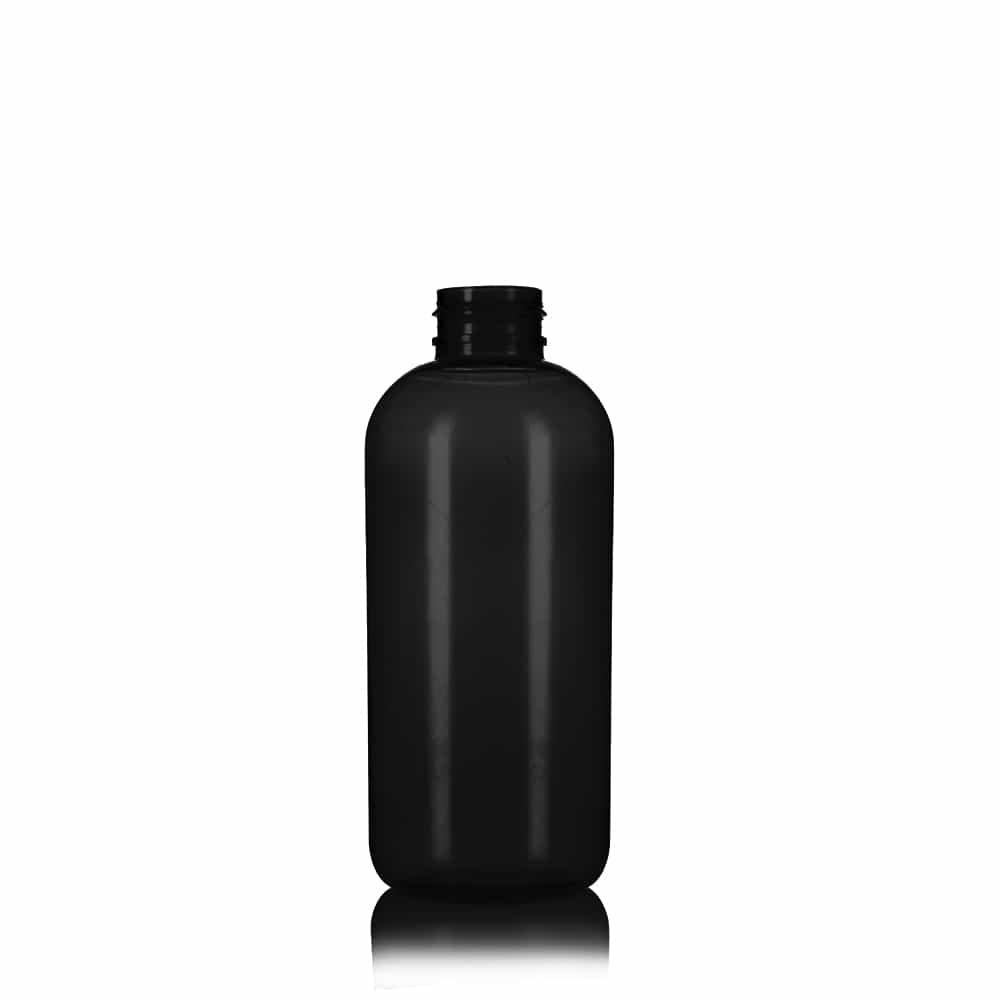
A supplier running dedicated PCR production lines at scale amortizes the resin premium across high volumes. A supplier treating PCR as a specialty add-on charges accordingly. The same 8-ounce PCR bottle can cost anywhere from $0.35 to $0.85 depending on who you buy it from, how much they order from their own upstream suppliers, and whether they stock the SKU or custom-produce it.
Propacks engineered price parity between their PCR bottles and equivalent virgin bottles specifically because they anticipated this problem. When the finished product price is the same, the resin premium becomes the supplier's operational challenge rather than the buyer's budget problem.
The Hidden Costs of NOT Switching
Kate Eagles, program director at the Association of Plastic Recyclers, has been vocal about the structural economics of the PCR market. In a February 2025 webinar hosted by The Recycling Partnership, Eagles argued that long-term purchase contracts are the missing piece: "Contracts are the best indication of commitment that we have. We see that in MRF and hauler systems. We have not seen that so much in plastic recycling."
Her point matters for buyers because the PCR market is entering a phase where not using recycled content carries its own costs.
Regulatory risk is no longer theoretical. California's AB 793 requires beverage containers to contain 25 percent PCR as of 2025, escalating to 50 percent by 2030. The state's SB 54 establishes extended producer responsibility for all packaging. According to CalRecycle data published in April 2025, major bottlers are already complying: Niagara Bottling hit 31 percent PCR in California, and PepsiCo averaged 36 percent in bottles sold in the state.
These mandates are spreading. India mandated 30 percent recycled content in PET bottles in April 2025, with a 60 percent target for 2029. Japan has imposed recycled content targets of up to 60 percent for cosmetics packaging. Europe's Packaging and Packaging Waste Regulation sets binding PCR requirements by 2030.
If you are selling into any of these markets and your packaging contains zero recycled content, you are building compliance debt that will come due.
Consumer willingness to pay is real but fragile. A 2024 McKinsey report identified six specific barriers preventing packaging purchasers from adopting sustainable packaging. Cost was the top barrier, but the report also found that companies willing to absorb moderate premiums gained measurable brand preference among sustainability-conscious buyers. The key word is "moderate." Buyers will not absorb 33 percent. They will absorb 5 to 10 percent, which is closer to what the finished-product premium actually looks like when sourced correctly.
Retailer requirements are tightening. Target publicly updated its 2025 sustainability report to note it is "evolving" its packaging goals. Mars reported increasing its recycled content use but acknowledged it still lagged behind its 2025 targets. These are not niche commitments. These are procurement criteria that affect whether your product gets shelf space.
Why Virgin Plastic Is Artificially Cheap Right Now
One detail that rarely makes it into the "sustainable packaging costs more" argument: virgin resin prices are historically low because petrochemical companies have massively expanded production capacity in recent years.
The Association of Plastic Recyclers documented a 65 percent increase in resin imports between 2022 and 2024, flooding the domestic market with cheap virgin material. This import surge has devastated domestic reclaimers.
Nicole Janssen, president of Denton Plastics in Portland, Oregon, put it bluntly: "If we want people like us to be here long-term to help manage this responsibility, we need to know that packaging producers have our backs as well."
Allison Kustic, state government relations manager at APR, testified before California's Assembly Natural Resources Committee in July 2025 that "California recyclers are really struggling to stay in business because they cannot sell their recycled plastics."
The price comparison between PCR and virgin plastic is not a neutral market signal. It reflects a global petrochemical industry that has overbuilt capacity and a recycling infrastructure that remains underinvested. Comparing the two at face value is like comparing the price of organic produce to conventional produce without acknowledging farm subsidies.
The Total Cost Equation
York Container, a packaging manufacturer, published an analysis arguing that sustainable packaging should be evaluated as a total cost of ownership rather than a per-unit cost comparison. Their framework accounts for:
- Waste reduction savings. Lighter, right-sized packaging reduces shipping costs and warehouse footprint.
- Regulatory compliance costs. Meeting mandates proactively costs less than scrambling to comply under deadline pressure, or paying non-compliance fees.
- Brand equity value. Companies positioning themselves as sustainability leaders attract talent, press coverage, and retail partnerships that have quantifiable value.
- Supply chain resilience. Diversifying away from 100 percent virgin resin reduces exposure to petrochemical price volatility.
The Smithers report reinforced this point, noting that many producers in Europe have already calculated that "paying non-compliance fees is cheaper than meeting targets." That math changes quickly when enforcement tightens or when a retail partner pulls your product from shelves.
What This Means for Small Brands
If you are a beauty, wellness, or personal care brand ordering 5,000 to 50,000 bottles, the sustainable packaging cost question comes down to three practical decisions:
1. Choose a supplier that stocks PCR at scale. The per-unit premium disappears when your supplier has already absorbed the resin economics into their standard pricing. Propacks stocks PCR bottles in the same sizes and neck finishes as virgin alternatives at the same price point. No minimum order. No upcharge.
2. Do not custom-mold unless you have to. Custom tooling costs $5,000 to $20,000 regardless of whether the resin is virgin or recycled. Using stock bottles eliminates this cost entirely and is the single biggest packaging savings available to small brands.
3. Start with one SKU. You do not need to convert your entire line at once. Switch your hero product to PCR, update your packaging copy to say "Made with post-consumer recycled plastic," and measure the customer response before expanding. The PCR percentage is the sustainability story. Even 50 percent PCR is meaningful and certifiable.
The Market Is Moving Whether You Are Ready or Not
The global PCR packaging market was valued at $23.25 billion in 2025 and is projected to reach $46.86 billion by 2034, growing at 8.17 percent annually, according to Fortune Business Insights. North America accounts for 35.18 percent of that market.
But growth is uneven. PepsiCo quietly reduced its global PCR target from 50 percent by 2030 to 40 percent by 2035 in May 2025, citing "factors outside the company's control." The company's former CEO, Indra Nooyi, had written years earlier: "We are one of the largest users of food-grade recycled PET in the U.S. In fact, if more recycled PET were available, we would buy it."
The supply constraint is real. The OECD found that global plastic waste more than doubled between 2000 and 2019, reaching 353 million metric tons, but only 9 percent was actually recycled. The rest was landfilled, incinerated, or mismanaged.
What this means for small brands: the window to differentiate on sustainability is now. When PCR mandates become universal and every brand is forced to comply, the competitive advantage disappears. The brands that switched early will have locked in supplier relationships and customer trust. The brands that waited will be scrambling for supply alongside PepsiCo and Coca-Cola.
The Honest Answer
Is sustainable packaging more expensive? At the resin level, yes. At the finished bottle level, it depends entirely on your supplier. At the total cost level, including regulatory risk, brand value, and customer retention, the math increasingly favors recycled content.
The 33 percent premium is a real number in a misleading context. Do not let it make the decision for you.

Written by
Queenie FongQueenie Fong is the founder of Propack Solutions, a woman-owned sustainable packaging company based in Ontario, CA. With nearly a decade of experience in the packaging industry, she specializes in post-consumer recycled (PCR) materials, helping brands source rPET, PCR HDPE, and PCR PP packaging that meets regulatory requirements and sustainability goals.