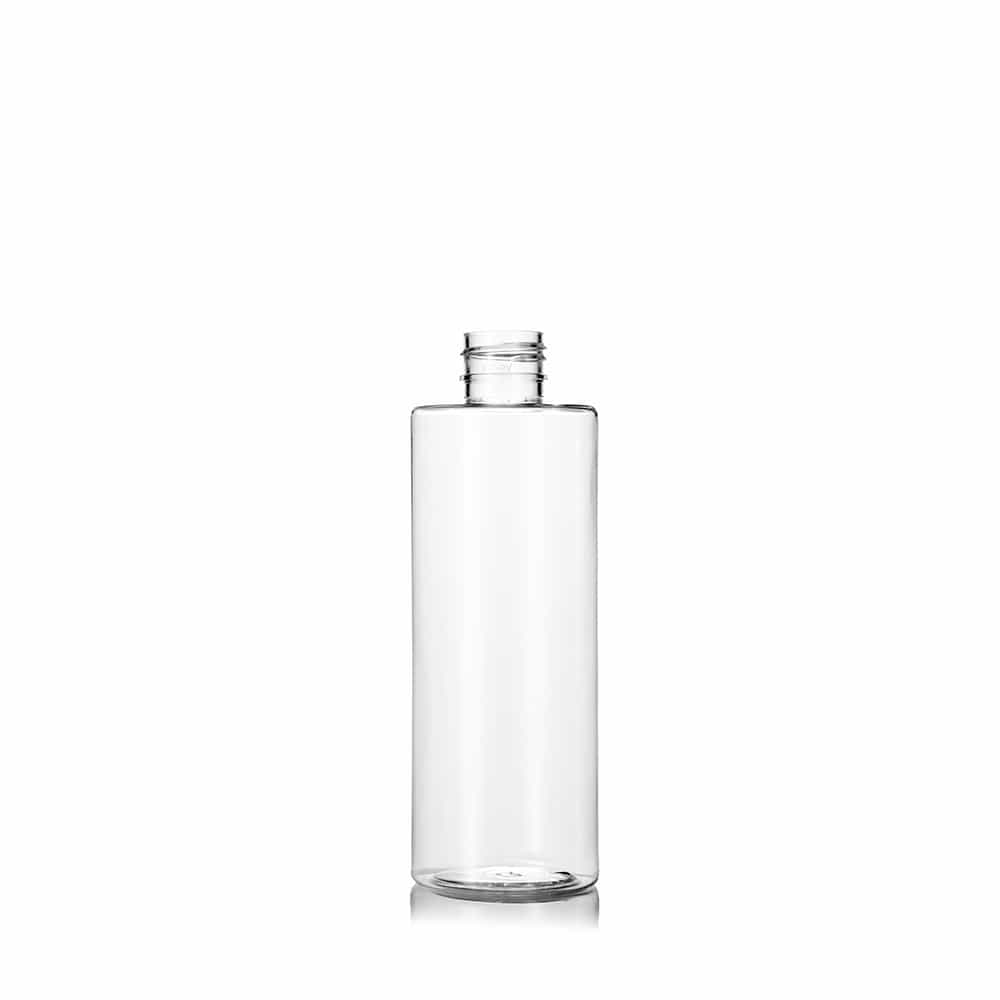
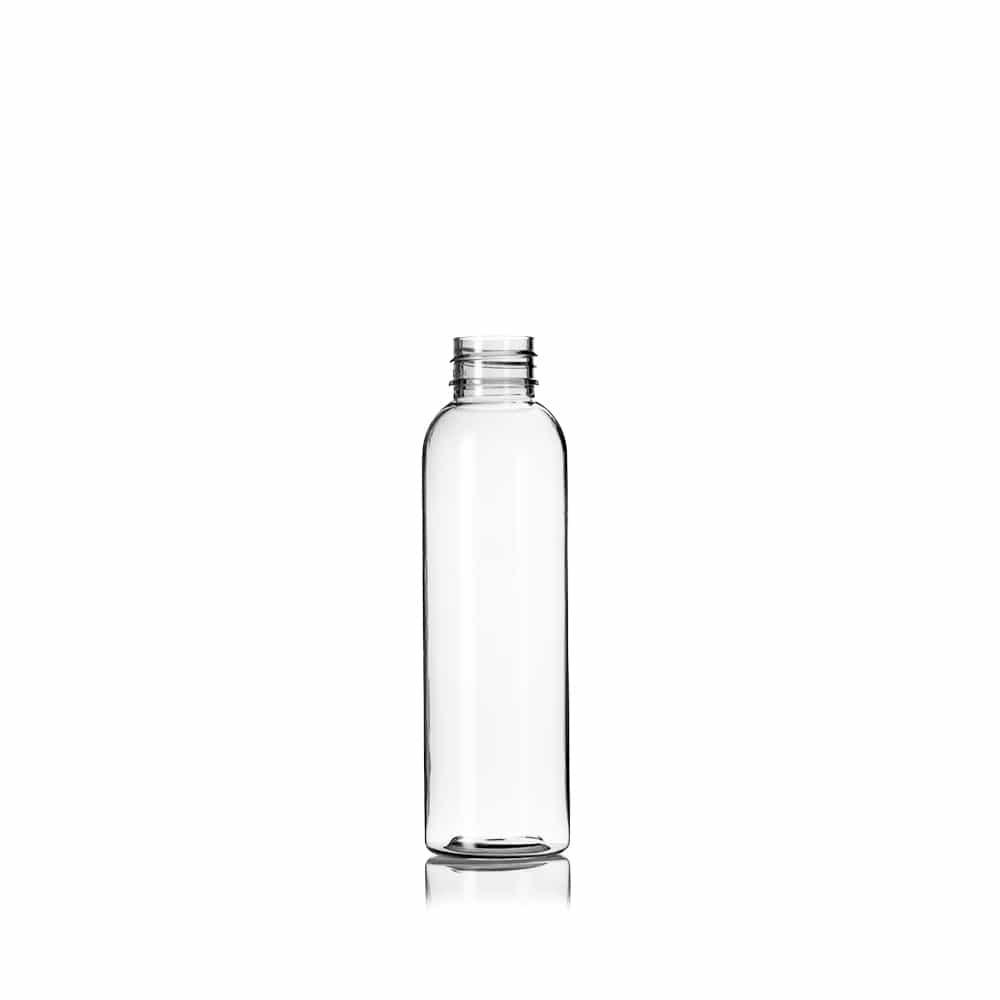
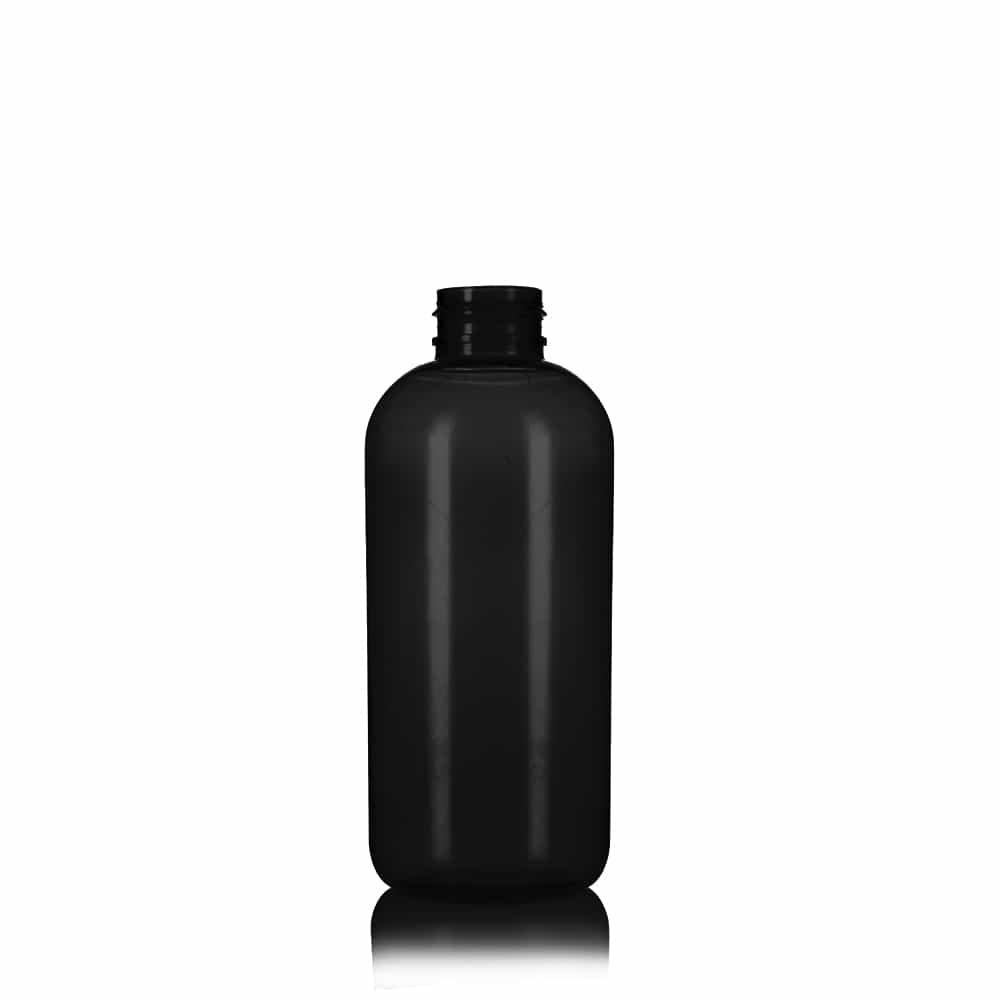
California SB 54 Is About to Change How Every Brand Buys Bottles


California Senate Bill 54 is not a future problem anymore. On March 19, 2026, CalRecycle submitted its final proposed regulations to the Office of Administrative Law for approval. OAL has until May 1 to approve or reject them. Once approved, enforcement mechanics that have been theoretical since 2022 become operational.
If your company sells packaged goods in California, every packaging decision you make right now affects whether you stay compliant or start paying penalties in one of the largest consumer markets on earth. And it does not matter where your company is located. If the product hits a California shelf, you are a producer under SB 54.
This article explains what the law actually requires, what the timelines look like, why recycled resin supply is getting tighter at exactly the wrong moment, and what you should do about it before the deadlines arrive.
The Law Has Two Layers and Most Brands Only Know One
SB 54 gets treated as a single regulation, but the compliance picture has two distinct layers that affect packaging buyers differently.
The first layer is Extended Producer Responsibility. SB 54 requires every company that produces packaged goods sold in California to join a Producer Responsibility Organization. In January 2024, CalRecycle selected the Circular Action Alliance as the state's sole PRO. Starting in 2027, the PRO must remit $500 million per year to the state through 2037. That money comes from producer fees, which are eco-modulated: packaging that is harder to recycle carries higher costs. If your bottles are made from easily recyclable PET, your fees will be lower than someone using multilayer or hard-to-sort materials.
The second layer is performance targets. By 2032, 100 percent of covered packaging sold in California must be recyclable or compostable. Source reduction targets hit first: 10 percent by 2027 and 25 percent by 2032. Recycling rate targets follow: 30 percent by 2028, 40 percent by 2030, and 65 percent by 2032.
Most brands are vaguely aware of SB 54 as a "sustainability law." Few have looked at the actual timeline and realized the first source reduction target is less than a year away.
 Regulatory documents and recycled plastic bottles representing SB 54 compliance requirements
AB 793 Is Already Active and Already Penalizing
While SB 54's enforcement framework is still being finalized, a related law is already extracting money from noncompliant brands.
Assembly Bill 793 applies specifically to plastic beverage containers subject to California Redemption Value. It mandates minimum postconsumer recycled content: 15 percent as of 2022, 25 percent as of January 1, 2025, and 50 percent by 2030. The 25 percent threshold is the current active requirement.
The penalties are straightforward. CalRecycle assesses $0.20 per pound based on the shortfall between a brand's actual recycled content and the minimum. Penalties have been in effect since March 2024. Reports are due March 1 each year, filed under penalty of perjury, with records retained for at least five years. Post-industrial recycled material does not count. Only postconsumer qualifies. No rounding up.
There is a volume exemption: brands selling 16 million containers or fewer per year are exempt from penalties, though they must still report. That threshold sounds high, but a mid-sized beverage brand selling regionally in California can cross it faster than expected.
The key detail most brands miss: AB 793 is not waiting for SB 54's regulations to be finalized. It is a separate, active law with separate penalties. If you sell plastic beverage containers in California today without 25 percent PCR content, you are already out of compliance.
The Recycled Resin Supply Problem Is Getting Worse, Not Better
The timing of these regulations could not be more awkward. Right as demand for recycled resin is being legislated upward, the US processing infrastructure is shrinking.
In early 2026, Alpek SAB de CV announced it is shutting down a 270,000 square foot PET recycling facility in Pennsylvania. Evergreen Recycling is closing plants in Ohio and New York. These are not small operations. Each closure removes real capacity from the domestic supply of food-grade rPET.
The structural issue has not changed since the law passed. The United States does not currently collect and process enough PET bottles to meet projected demand for food-grade rPET through 2030. Brands that assumed supply would catch up to legislation are watching it move in the opposite direction.
PET bale prices declined in February 2026, but that is not a positive signal. Prices dropped because major reprocessors closed, reducing demand for feedstock. Less processing capacity means less finished rPET available for brands that need it. The downstream effect is predictable: more reliance on imported recycled resin, more complexity in certification and traceability, and more competition for whatever domestic supply remains.
Meanwhile, food-grade rPET pricing remains elevated relative to virgin PET. The premium has moderated from the 2022 and 2023 peaks, but it has not disappeared. For other resins, the picture is worse. Recycled polypropylene carries a premium roughly 2.5 times higher than virgin. Natural rHDPE bale prices have risen 28 percent year-to-date. Recycled resin is getting more expensive across the board, and the brands waiting for prices to drop before switching are going to be waiting a long time.
 Recycling facility representing shrinking US rPET processing capacity
Why Small Brands Get Hit Hardest
SB 54 does not care about your revenue. A founder selling 200 units per month on Shopify faces the same regulatory framework as a CPG company moving millions of bottles. The difference is access to supply.
Large brands have procurement teams, long-term offtake agreements with domestic reprocessors, and the leverage to negotiate pricing. They locked in recycled resin contracts years ago. Some of them helped fund the processing infrastructure that produces the material.
A small beauty brand or wellness startup trying to source 500 verified PCR bottles with proper documentation runs into a wall. The large distributors that carry PCR options set minimum order quantities that price out small operators. Sales teams are focused on bigger accounts. PCR products are buried deep in catalogs with incomplete specifications and no certificates attached.
This gap gets more painful as deadlines approach. The law does not grant extensions because your supplier could not fill a small order. And the brands that wait until compliance is enforced to start sourcing will be competing for the most limited supply at the highest prices.
What Verified PCR Actually Means Under This Law
Compliance is not about slapping a recycling symbol on your bottle. CalRecycle requires documentation, and the standards for what counts are specific.
Postconsumer recycled content must be traceable from collection through processing to finished resin. Third-party certification is the standard mechanism. The Global Recycling Standard, SCS Global Services certification, and ISCC Plus all provide chain-of-custody verification that regulators accept.
For food contact applications, the FDA must have issued a letter of nonobjection for the specific decontamination process used. PET and HDPE have the most established pathways here. Other resins are catching up, but food-grade recycled supply at scale remains limited outside of those two materials.
When evaluating a supplier, the things that matter are specific documented PCR percentages per SKU, not vague environmental claims. Batch-level certificates of compliance included with purchase orders, not available on request after the fact. Consistency data showing how recycled content levels vary across production runs. And minimum order quantities low enough that you can test and transition without committing to volumes you cannot move.
If a supplier cannot provide these things clearly, they are not equipped to support your compliance. The risk is not just operational. It exposes your brand to penalties and, in a market that increasingly values transparency, reputational damage.
 Verified PCR bottles with third-party certification documentation
A Practical Timeline for Getting Compliant
The brands that move now have options. The brands that wait six months will be scrambling. Here is what the process looks like:
Audit your packaging portfolio
Create an inventory of every plastic packaging component you use. For each bottle, cap, pump, and jar, document the material type, current weight, and whether it contains any recycled content. Identify which products are sold in California. This audit reveals your compliance gaps and shows which SKUs need the most urgent attention.
Find a verified PCR supplier
Look for a packaging partner that specializes in recycled content and can document specific PCR percentages with third-party certification. For small and growing brands, the minimum order quantity is often the deciding factor. If a supplier requires 10,000 units and you need 300, that supplier does not serve your business regardless of how good their material is. Propack Solutions was built around this exact gap: verified PCR packaging at any order size with full documentation included.
Test and transition
Order samples and run compatibility testing with your formulations. PCR PET and HDPE perform almost identically to virgin in most applications, but testing is still a necessary step. Evaluate clarity, surface finish, and any minor color variations. Once testing is complete, develop a phased transition plan starting with your California-bound inventory.
Build your compliance file
From the first day of your transition, keep meticulous records. Purchase orders, specification sheets, certificates of compliance, batch documentation. Record which SKUs use which PCR components and when the transition happened. This file is your proof for regulators and will be essential for PRO reporting. CalRecycle requires records to be retained for at least five years.
What Happens Next
The SB 54 regulations are sitting on OAL's desk right now. If approved by May 1, 2026, the implementation framework becomes final and the countdown to enforcement begins in earnest.
Simultaneously, the Circular Action Alliance is building the producer registration and fee collection systems that will begin operating in 2027. The $500 million annual remittance to the state means producers are not just paying for recycled content. They are funding an entirely new infrastructure layer for packaging waste management in California.
At the federal level, the Recycled Materials Attribution Act has been introduced, which would create a national definition for recycling and recycled content claims. If passed, it could reshape supply dynamics across state lines and add another compliance dimension for brands operating nationally.
The bottom line is the same as it was when SB 54 was signed in 2022, just more urgent now: the brands that secure PCR supply relationships early will have predictable costs, verified material, and clean compliance records. The brands that wait will pay more, scramble harder, and hope their suppliers can deliver documentation that holds up to a CalRecycle audit.
The deadline is not 2032. It is whatever date you have not started by.
Frequently asked questions
Does SB 54 apply to my brand if I am not based in California?+
Yes. If your packaged product is sold, offered, distributed, or imported into California, you are considered a producer under the law regardless of where your company is headquartered.
What is the difference between SB 54 and AB 793?+
SB 54 is the broad EPR framework covering all single-use packaging and plastic food service ware. AB 793 specifically mandates minimum postconsumer recycled content for plastic beverage containers with California Redemption Value. They are separate laws with separate compliance requirements and separate penalties.
How much are the penalties for noncompliance with AB 793?+
CalRecycle assesses $0.20 per pound based on the shortfall between your actual recycled content and the minimum requirement. Penalties have been active since March 2024.
What PCR percentage is required right now?+
For plastic beverage containers under AB 793, the current requirement is 25 percent postconsumer recycled content as of January 1, 2025. This increases to 50 percent by 2030. For nonbeverage packaging under SB 54, specific PCR minimums are part of the ongoing rulemaking process.
Does post-industrial recycled content count toward compliance?+
No. AB 793 explicitly requires postconsumer recycled content. Post-industrial or pre-consumer material does not qualify. CalRecycle also does not allow rounding up of PCR percentages.
What certifications should I look for when sourcing PCR packaging?+
The Global Recycling Standard (GRS), SCS Global Services certification, and ISCC Plus are the most widely accepted third-party certifications for recycled content traceability. For food contact applications, the resin must also have an FDA letter of nonobjection.

Written by
Queenie FongQueenie Fong is the founder of Propack Solutions, a woman-owned sustainable packaging company based in Ontario, CA. With nearly a decade of experience in the packaging industry, she specializes in post-consumer recycled (PCR) materials, helping brands source rPET, PCR HDPE, and PCR PP packaging that meets regulatory requirements and sustainability goals.