PCR Bottle Sizes A Complete Buyer's Guide


Choosing the right PCR bottle size requires understanding milliliters (ml), fluid ounces (oz), and cubic centimeters (cc). This guide gives you clear conversions. It explains how bottle dimensions impact your product, shipping, and shelf presence. We will cover standard industry sizes, measurement conversions, and how to select the correct volume for your brand.
Understanding Volume Measurements
Packaging volume has its own language. Mastering a few key terms will help you source bottles effectively. Milliliters, fluid ounces, and cubic centimeters are the most common units you will encounter. Each has a specific use and context within the packaging industry.
A milliliter (ml) is the standard metric unit for volume. Most of the world uses the metric system. This makes ml the most common unit for cosmetic, pharmaceutical, and personal care products. It provides a precise, universal measurement for liquid formulas.
A fluid ounce (oz) is an imperial unit of volume common in the United States. When buying packaging, it is critical to specify US fluid ounces. A US fluid ounce equals 29.57 ml. This is different from the UK or imperial fluid ounce, which is 28.41 ml. Assume any "oz" measurement from a US supplier refers to US fluid ounces.
A cubic centimeter (cc) is another metric unit of volume. For all practical purposes in liquid packaging, one cubic centimeter is exactly equal to one milliliter. You might see cc used in technical specifications or medical contexts. Do not get confused. 1 ml equals 1 cc. They are interchangeable.
Quick Conversion Reference
- 1 ml = 1 cc
- 1 US fl oz = 29.57 ml
- 3.4 US fl oz = 100 ml (TSA travel limit)
- 8 US fl oz = 237 ml
- 16 US fl oz = 473 ml
- 33.8 US fl oz = 1000 ml (1 Liter)
Common PCR Bottle Sizes and Their Uses
PCR bottles are available in standard sizes that correspond to specific product categories. These sizes are optimized for consumer use, retail standards, and shipping efficiency. Understanding these conventions helps you position your product correctly in the market.
Small Format Bottles (Under 100ml / 3.4oz)
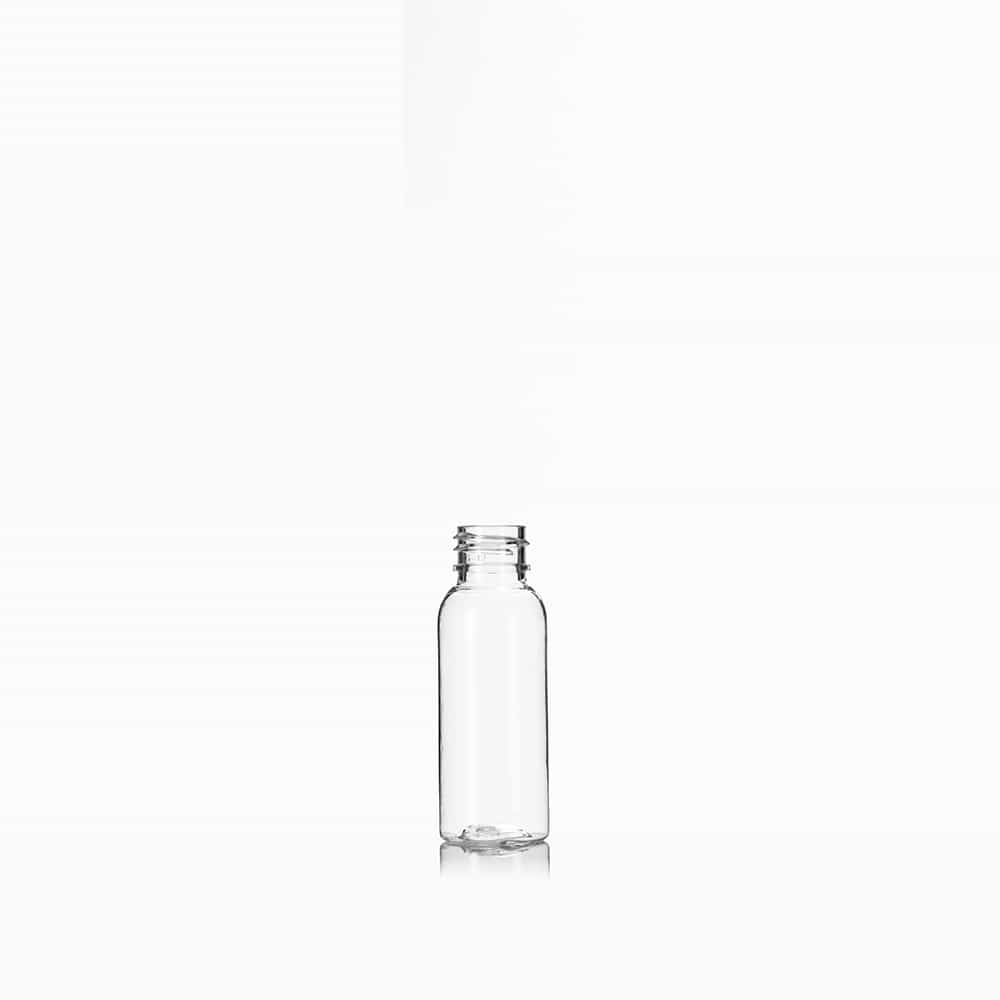
Small bottles are perfect for high value products, samples, or travel kits. Any liquid product sold for air travel must be 100 ml (3.4 oz) or less to be TSA compliant. This size range signals a premium or concentrated formula to consumers.
- 15 ml (0.5 oz): Ideal for eye creams, essential oil blends, and potent serums.
- 30 ml (1 oz): A very popular size for facial serums, foundations, and luxury oils.
- 60 ml (2 oz): Common for hand sanitizers, face mists, and larger travel products.
- 100 ml (3.4 oz): The maximum travel size. It is used for shampoos, lotions, and conditioners in travel kits.
Mid-Range Bottles (100ml to 300ml)
This is the sweet spot for most full-size retail products. Bottles in this range are large enough to provide good value but small enough for easy daily handling. You will find these sizes lining the shelves for nearly every type of personal care product.
- 120 ml (4 oz): A standard size for facial toners, micellar waters, and body sprays.
- 240 ml (8 oz): The most common size for mass-market shampoos, conditioners, and body lotions in the US.
- 250 ml: The metric equivalent of the 8 oz bottle. It is a global standard for personal care products.
Large Format Bottles (Over 300ml)
Large format bottles serve the family size, bulk, or professional markets. They communicate value and are often used for product refills. These sizes are mainstays in club stores and for brands that want to offer customers more product for their money.
- 480 ml (16 oz): A popular large size for hand soaps, body washes, and family-size lotions.
- 500 ml: The metric "pint" size. It is extremely common worldwide for household and personal care items.
- 1000 ml (1 Liter): Used for bulk refills, salon backbar products, and industrial cleaners.
How Bottle Shape Affects Volume and Labeling
A bottle’s listed volume does not tell the whole story. The shape of the container dramatically impacts its functional and aesthetic properties. Two bottles can hold the same 250 ml of liquid but look and perform very differently on a production line and a store shelf.
You must understand overflow capacity. A bottle marketed as 250 ml will hold more than 250 ml of liquid. Its total volume, when filled to the brim, is its overflow capacity. This extra space, or headspace, is crucial. It allows the product to expand with temperature or pressure changes during shipping without leaking. Always check the technical specification sheet for a bottle's overflow capacity before you order.
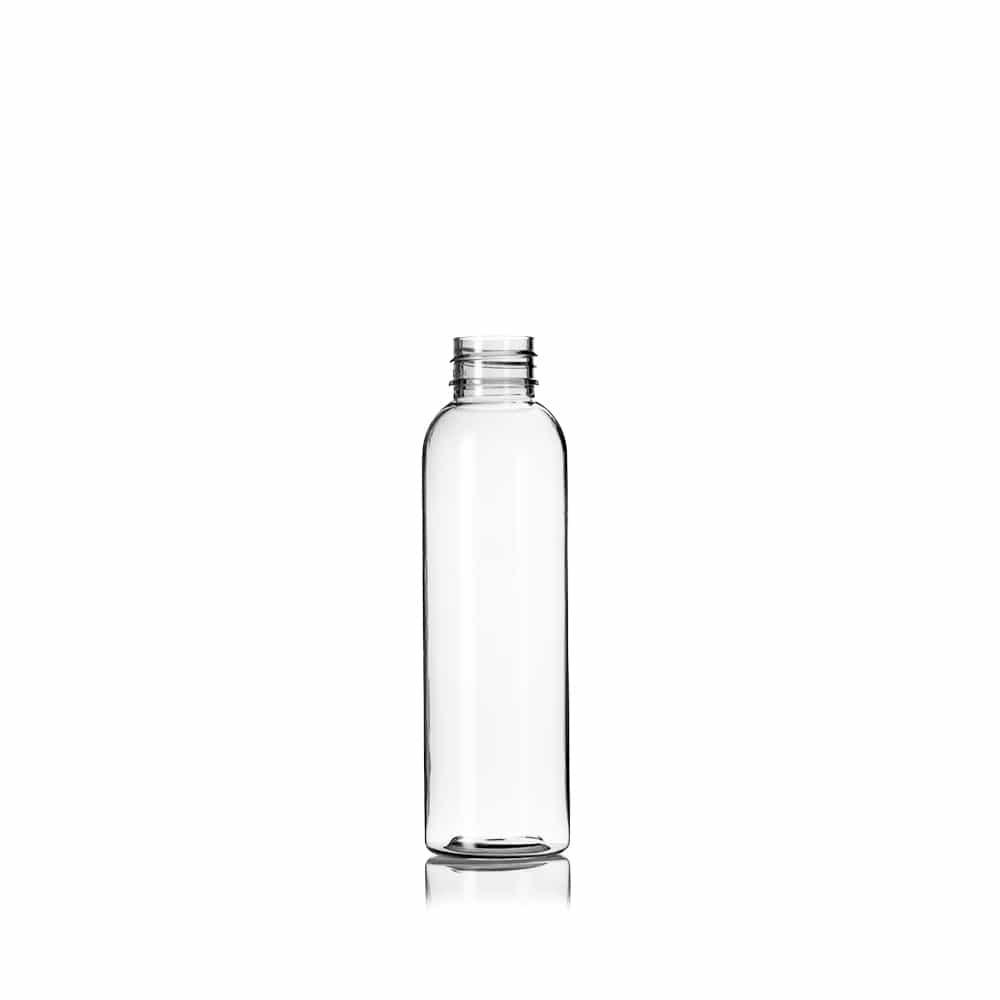
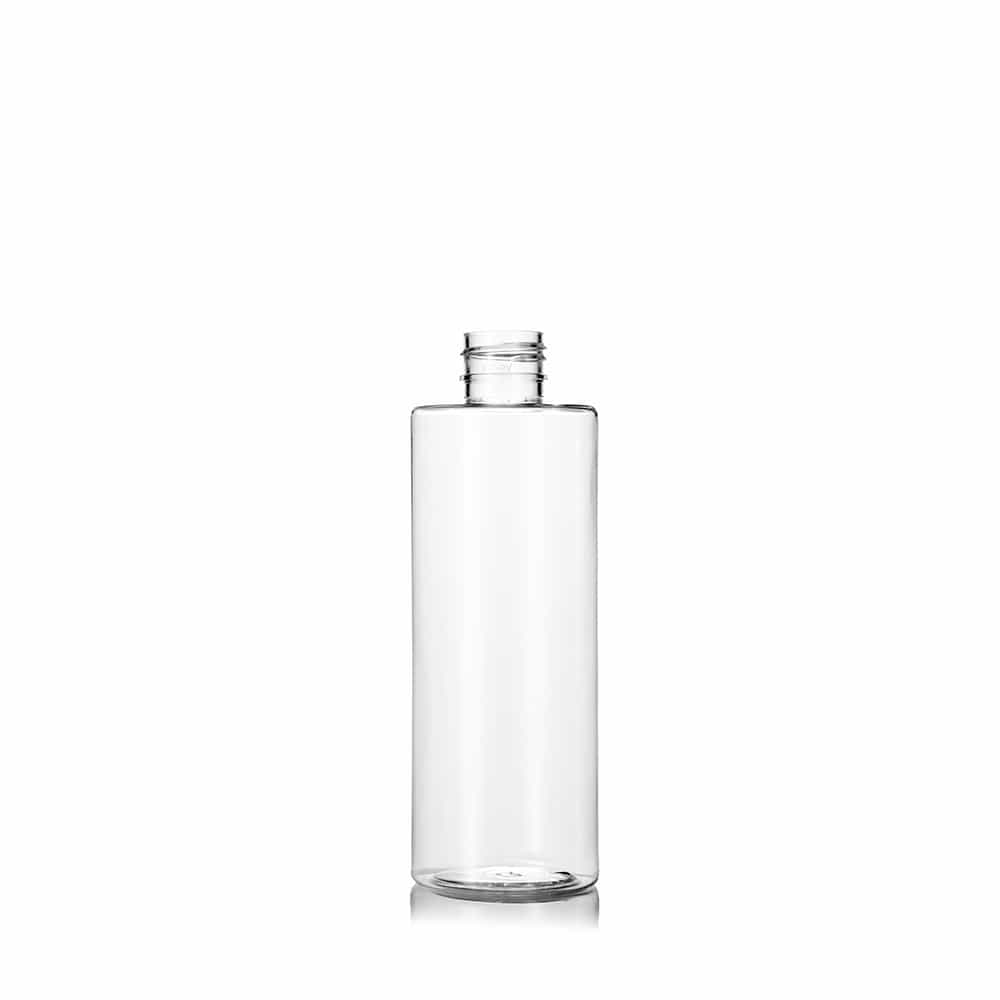
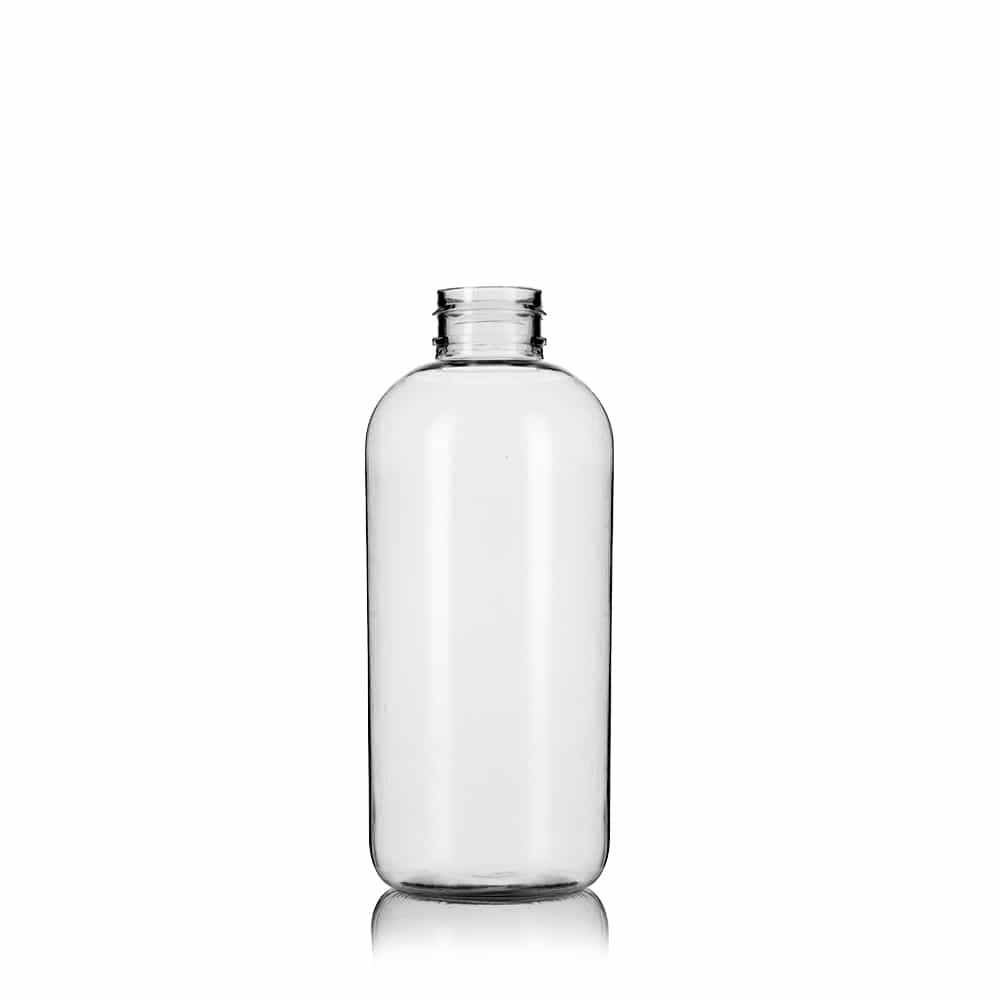
The bottle’s shape also dictates your label size. The flat surface available for a label is called the label panel. A 240 ml Boston Round bottle has a constantly curving surface. This limits the height of the label. A 240 ml Cosmo Oval bottle has a flatter, taller profile. It provides a larger vertical label panel. This allows for more branding and regulatory information. Consider your label design when selecting a bottle shape.
Choosing the Right PCR Bottle Size for Your Brand
Your bottle size is a strategic business decision. It influences your brand perception, your shipping costs, and your relationship with retailers. Selecting the right size requires balancing your product, your customer, and your operational realities.
Bottle size signals value to your customer. A small, heavy glass or PCR bottle can feel luxurious and premium. A large, one-liter bottle with a pump top suggests value and convenience for a family. Think about what message you want to send. Your packaging size should align with your product's price point and target audience.
Logistics are a major factor. Larger bottles mean more weight and volume per unit. This increases shipping costs. A case of 500 ml bottles costs significantly more to ship than a case of 100 ml bottles. Your bottle's footprint also affects how many units fit on a standard 40 by 48 inch pallet. A small change in diameter can reduce the number of cases per pallet by 10 to 15 percent. This directly impacts your storage and freight expenses.
Finally, consider the retail environment. Stores have specific requirements for shelf height, depth, and width. A bottle that is too tall might not fit on a standard shelf. A product that is too wide may take up too much valuable shelf frontage. Talk to your retail partners to understand their planogram requirements before finalizing your packaging.
Frequently asked questions
What is the difference between ml and cc?+
There is no difference for liquid volume measurement in packaging. One milliliter (ml) is equal to one cubic centimeter (cc). The two terms can be used interchangeably. Suppliers may use either term on technical specification sheets.
How do I know the overflow capacity of a bottle?+
The overflow capacity is the maximum volume a bottle holds when filled completely to the top. This information is always listed on the technical specification sheet, or "spec sheet", for the bottle. You should always request this document from your packaging supplier.
Are PCR bottles available in all standard sizes?+
Yes. Post-consumer recycled (PCR) plastics like rPET perform just like virgin plastics in the molding process. This means they can be manufactured into almost any standard bottle size or shape. Propacks offers PCR bottles from 15 ml to 1000 ml in common styles like Boston Round, Cosmo, and Cylinder.
Does the bottle size affect the percentage of PCR content?+
No. The size or volume of a bottle does not change the percentage of PCR material used. A small 30 ml bottle and a large 500 ml bottle can both be made from 100% PCR resin. The performance, color, and clarity of the bottle depend on the quality of the recycled resin itself, not the final container size.
What is the most popular bottle size for beauty products?+
For facial care products like serums and oils, the 30 ml (1 oz) and 50 ml (1.7 oz) sizes are the most popular choices. For hair and body care products like shampoo, conditioner, and lotion, the 240 ml (8 oz) and 250 ml sizes are the industry standards for full-size retail products.

Written by
Queenie FongQueenie Fong is the founder of Propack Solutions, a woman-owned sustainable packaging company based in Ontario, CA. With nearly a decade of experience in the packaging industry, she specializes in post-consumer recycled (PCR) materials, helping brands source rPET, PCR HDPE, and PCR PP packaging that meets regulatory requirements and sustainability goals.