CC vs ML: Are They the Same Thing?


Yes, cc and ml are exactly the same volume. One cubic centimeter (cc) equals one milliliter (ml), every single time, no exceptions. If you have been searching "cc vs ml" while trying to figure out what size bottle to order, you can relax. The two terms are interchangeable. The only real difference is where and when each term tends to show up. Medical and pharmaceutical fields lean on "cc," while the packaging and cosmetics world almost exclusively uses "ml." Understanding that simple distinction will save you confusion the next time you read a spec sheet, a product listing, or a bottle label.
Where the Terms Come From
The cubic centimeter is a unit of volume in the metric system. It describes the space inside a perfect cube that measures one centimeter on each side. The International Bureau of Weights and Measures (BIPM) defines the liter as equal to one cubic decimeter, which means one milliliter is exactly equal to one cubic centimeter. The National Institute of Standards and Technology (NIST) confirms this equivalence in its guide to the International System of Units (SI): 1 mL = 1 cm³.
So why do two names exist for the same measurement? History. Scientists measuring physical dimensions of objects preferred cubic centimeters because the term ties directly to length units. Medical professionals adopted "cc" for syringes and dosing because it was short, clear, and hard to misread on a vial. Meanwhile, chemists and manufacturers gravitated toward "ml" because it connects neatly to liters, the base unit used in liquid measurement worldwide. Over time, packaging, cosmetics, and food industries standardized on ml, and that is what you will see printed on nearly every bottle, jar, and tube on store shelves today.
CC vs ML in Packaging and Bottles
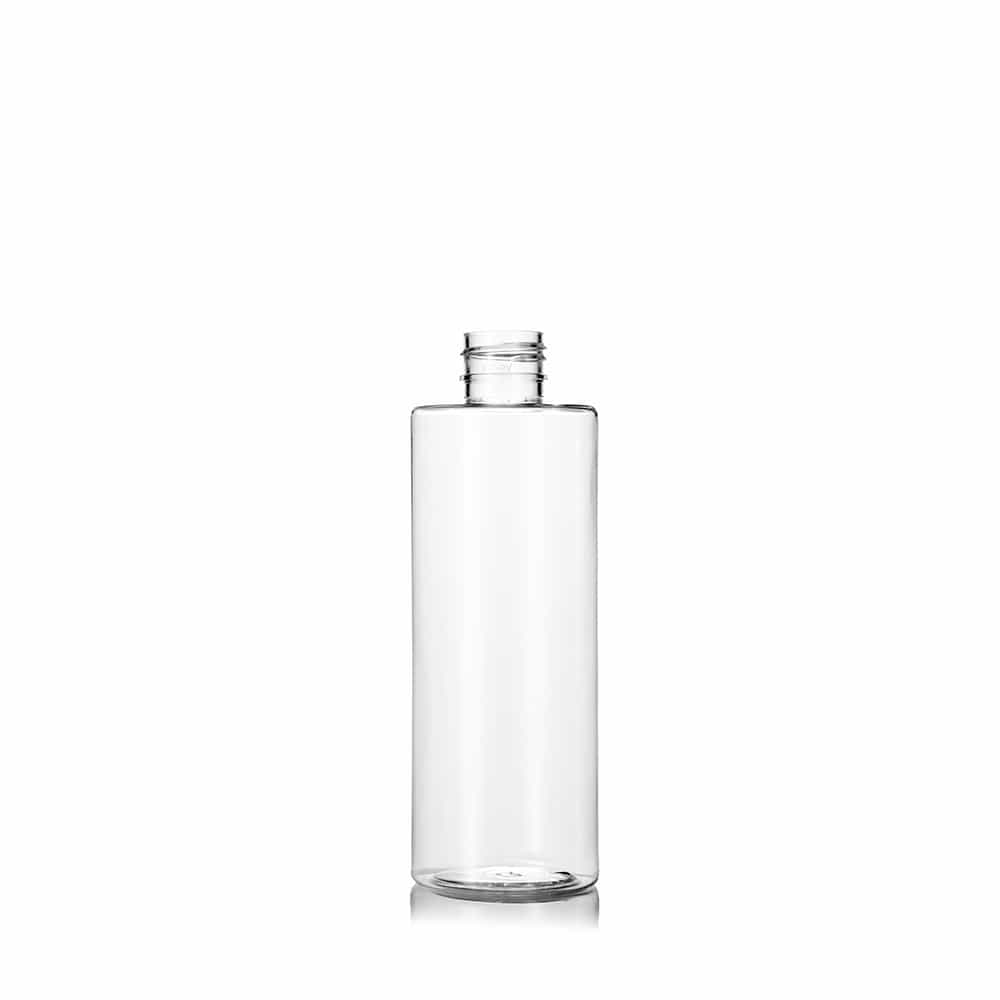
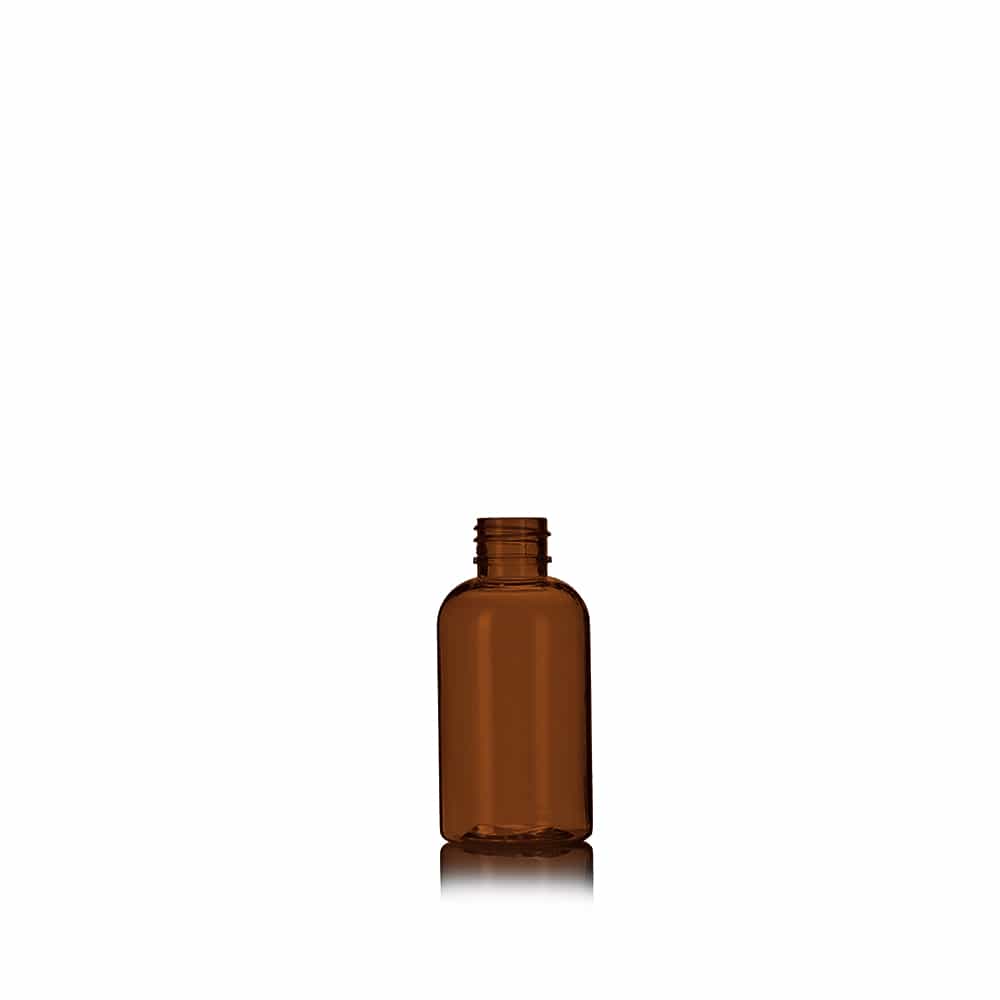
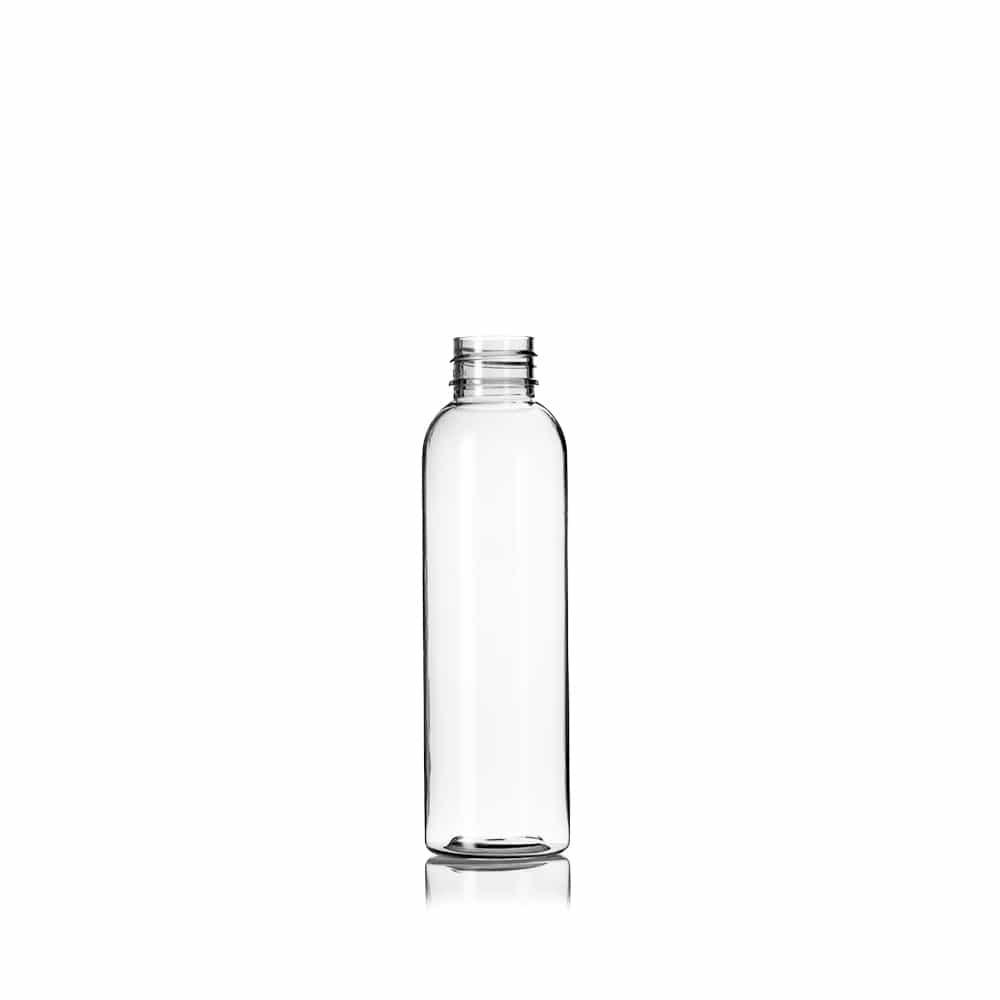
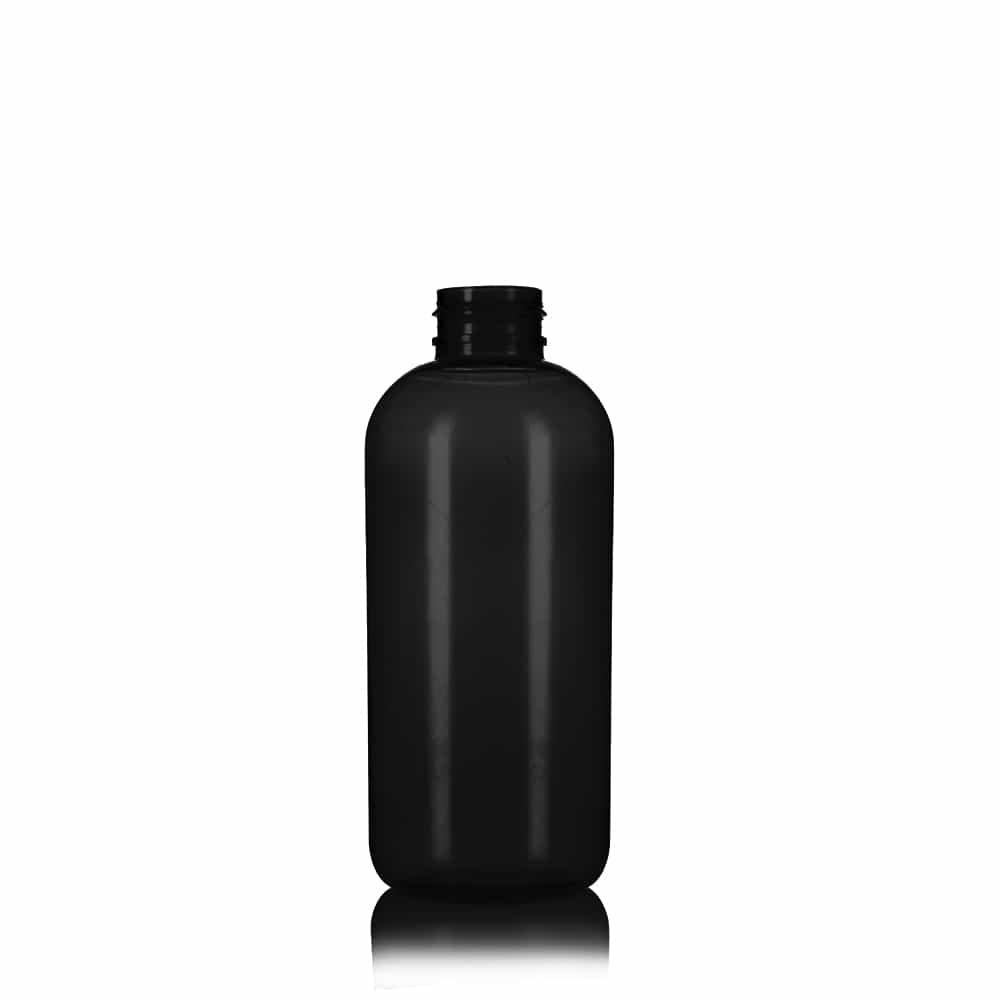
When you are shopping for bottles, you will almost always see capacity listed in ml or fluid ounces. A 30 ml essential oil bottle holds exactly 30 cc. A 120 ml toner bottle holds 120 cc. The numbers are identical. If your formulator sends you a spec sheet listing the fill volume in cc, you do not need to convert anything. Just match it to the ml size on the bottle listing.
Where cc does pop up regularly in the packaging world is in pump and dropper specifications. Pump output, also called dosage per stroke or discharge rate, is almost always expressed in cc. At Propacks, the treatment pumps and lotion pumps we carry list output as 0.5cc, 1cc, or 2cc per stroke. That tells you exactly how much product the pump dispenses each time a customer presses it down.
Here is why that matters for your business. If you sell a facial serum and you want each pump stroke to deliver a small, controlled dose, you would pick a 0.5cc pump. If you sell a body lotion and want a generous amount per stroke, a 2cc pump makes more sense. The "cc" label on the pump spec is just ml by another name, but the packaging industry has kept the cc convention for pump output because it originated from pharmaceutical dosing standards.
Dropper assemblies follow a similar pattern. Glass droppers and pipettes often include cc markings etched on the tube so users can measure precise amounts. This is especially common in supplement bottles and essential oil packaging where accurate dosing matters.
 Lotion pump mechanism showing cc per stroke output measurement
Practical CC to ML Conversion Table
Even though cc and ml are identical, it helps to see common bottle sizes laid out next to their cc equivalents and fluid ounce conversions. Use this table when matching your fill volume to the right bottle size. For a more detailed ounce breakdown, check out our oz to ml conversion guide or use the Propacks volume converter tool.
| Bottle Size (ml) | Same As (cc) | Approximate Fluid Ounces |
|---|---|---|
| 5 ml | 5 cc | 0.17 oz |
| 10 ml | 10 cc | 0.34 oz |
| 15 ml | 15 cc | 0.5 oz |
| 30 ml | 30 cc | 1 oz |
| 50 ml | 50 cc | 1.7 oz |
| 60 ml | 60 cc | 2 oz |
| 100 ml | 100 cc | 3.4 oz |
| 120 ml | 120 cc | 4 oz |
| 240 ml | 240 cc | 8 oz |
| 500 ml | 500 cc | 16.9 oz |
| 1000 ml | 1000 cc | 33.8 oz |
The "Same As" column drives the point home: cc and ml are always a 1:1 match. No math required.
 Common bottle sizes from 5ml to 1000ml with cc equivalents
When to Use CC and When to Use ML
Knowing that cc and ml are equal is the easy part. Knowing which term to put on your labels, spec sheets, and marketing materials is where most small brand owners get tripped up. Here are some straightforward guidelines.
Use ml on product labels. The U.S. Fair Packaging and Labeling Act and the FDA require net contents to be stated in metric units for most consumer products. The standard abbreviation is "mL" or "ml." You will almost never see "cc" on a finished retail label for a cosmetic, skincare, or supplement product.
Use cc when discussing pump specs. When you are talking to your packaging supplier or contract manufacturer about treatment pumps, lotion pumps, or fine mist sprayers, expect to see "cc per stroke" or "cc/stroke" in the spec sheet. This is industry standard and avoids any confusion with the total bottle volume, which is listed separately in ml.
Use cc when talking to pharmacists or medical professionals. If your product crosses into the pharmaceutical or clinical space (think: oral syringes, injectable vials, medical grade dropper bottles), cc is still widely used in conversation and documentation. That said, many medical organizations are moving toward ml to reduce prescription errors. Both are correct.
Use ml in your marketing copy. When listing your product size on your website, Amazon listing, or social media, stick with ml. Customers recognize it. It looks clean. It matches what they see on every other product in their bathroom cabinet.
The bottom line: for customer facing content, go with ml. For internal specs and pump documentation, cc is perfectly fine and expected.
Frequently asked questions
Is cc the same as ml?+
Yes. One cubic centimeter (cc) equals exactly one milliliter (ml). They measure the same volume. The only difference is the name. Medical and scientific fields tend to use cc, while packaging and consumer products use ml.
How do you convert cc to ml?+
You do not need to convert anything. The ratio is 1:1. If a spec sheet says 30 cc, that is 30 ml. If a pump dispenses 0.5 cc per stroke, that is 0.5 ml per stroke.
Why do pumps list output in cc instead of ml?+
Pump output specifications use cc because the convention comes from pharmaceutical dosing, where cc was the standard unit for precise liquid measurement. The packaging industry adopted the same convention. A pump listed as 1cc per stroke dispenses exactly 1 ml of product each time.
What does cc stand for?+
CC stands for cubic centimeter. It describes the volume of a cube that is one centimeter long on each side. In liquid measurement, it is identical to one milliliter.
Should I put cc or ml on my product label?+
Use ml. The FDA and the Fair Packaging and Labeling Act require metric volume declarations on most consumer products, and ml is the recognized standard abbreviation. CC is not wrong, but it is uncommon on retail labels and could confuse customers.
What size bottle do I need for a 50 cc fill?+
A 50 cc fill is 50 ml, so you need a bottle with at least 50 ml of capacity. Keep in mind that most bottles have slightly more capacity than their labeled size to allow for headspace and closure fit. A 60 ml bottle often works well for a 50 ml fill.

Written by
Queenie FongQueenie Fong is the founder of Propack Solutions, a woman-owned sustainable packaging company based in Ontario, CA. With nearly a decade of experience in the packaging industry, she specializes in post-consumer recycled (PCR) materials, helping brands source rPET, PCR HDPE, and PCR PP packaging that meets regulatory requirements and sustainability goals.