How Much Does Packaging Actually Cost Per Unit? A Breakdown for Indie Brands


Your packaging cost is somewhere between $0.62 and $2.37 per unit. That is the real answer. Everything after this paragraph explains how to land on your number.
Most packaging suppliers do not publish prices. They hide behind "request a quote" forms because the answer depends on volume, material, and how desperate you are. We publish ours, so we are going to use real numbers throughout this breakdown. Not ranges pulled from industry reports. Not "it depends." Actual per-unit costs you can plug into a spreadsheet tonight.
The Full Stack: Every Component That Goes Into One Unit
A finished product on a shelf has more packaging components than most founders realize when they start. Here is every piece, what it costs, and where the money actually goes.
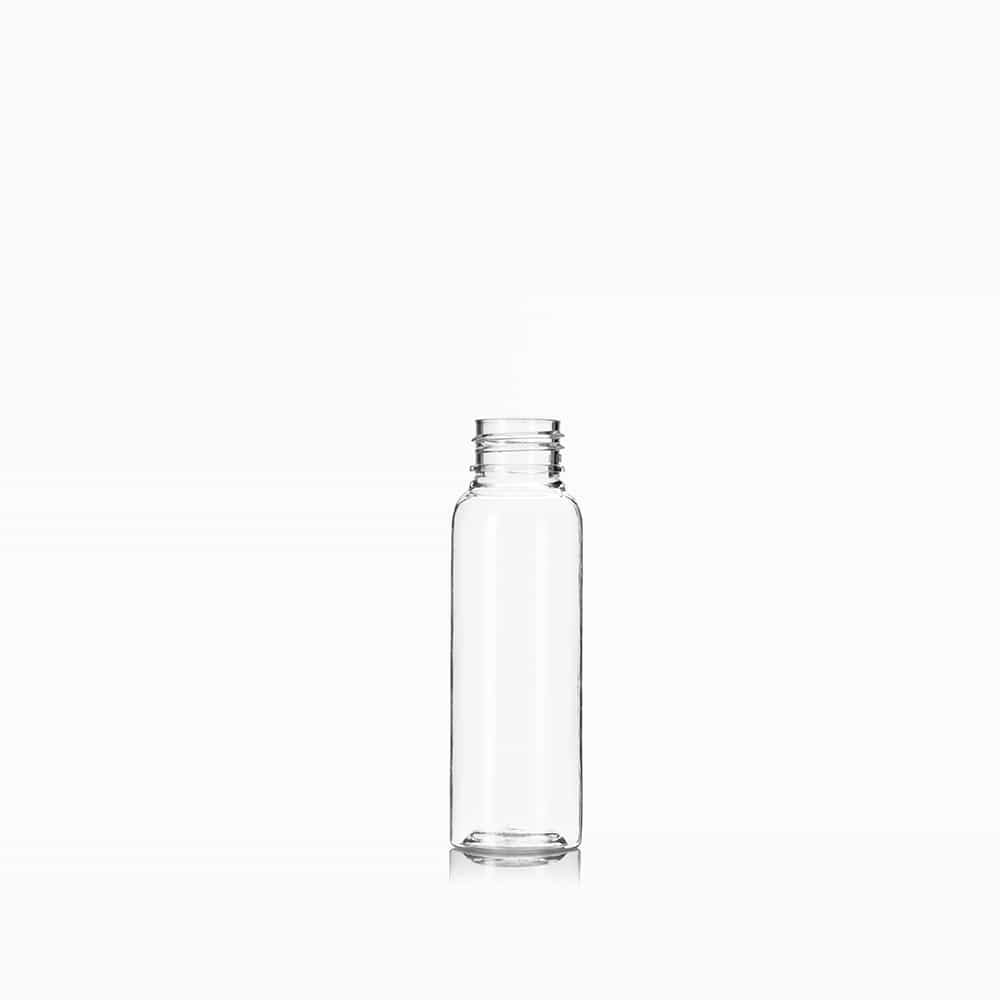
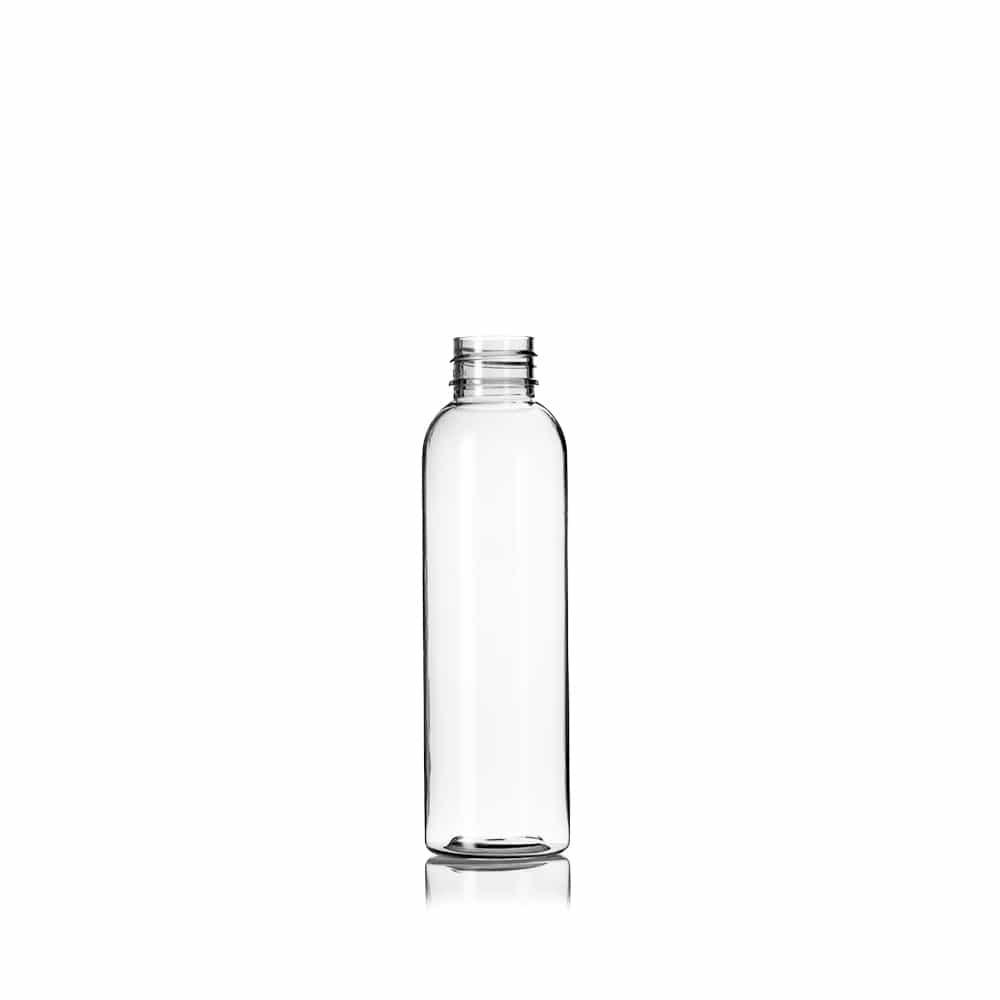
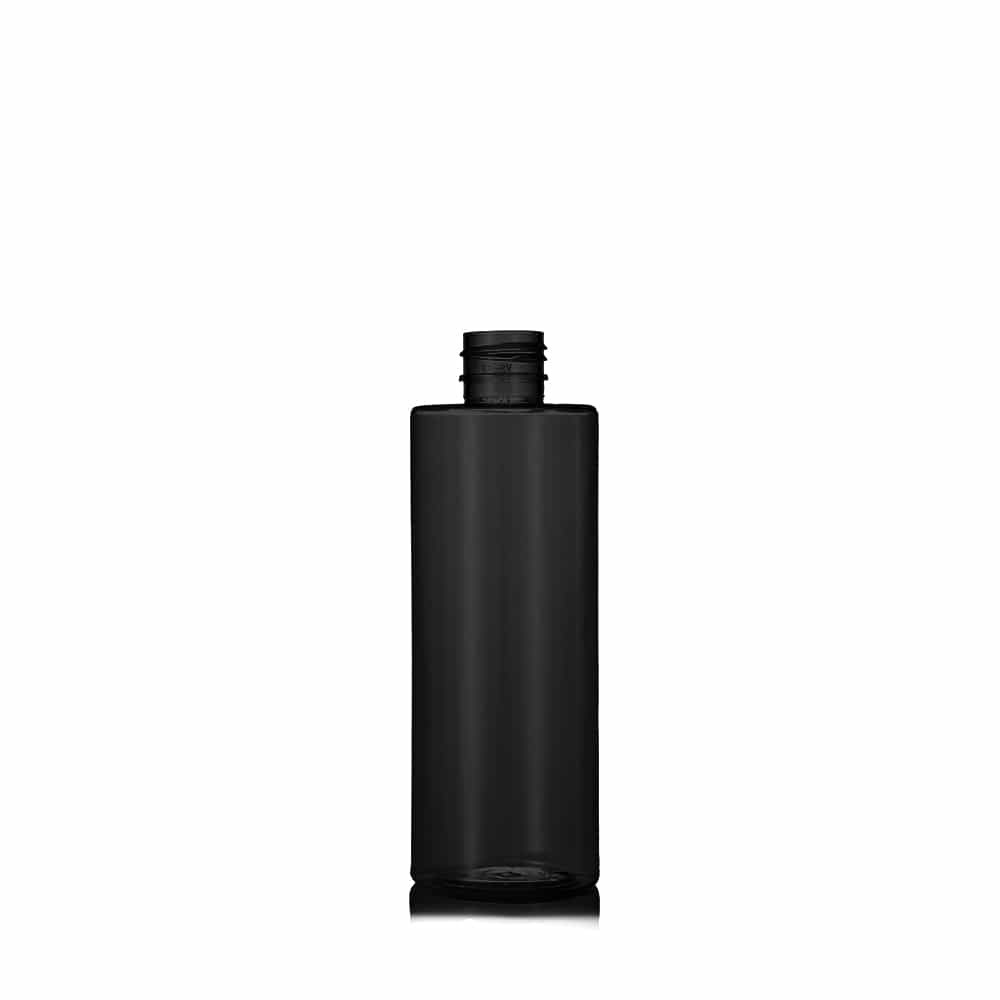
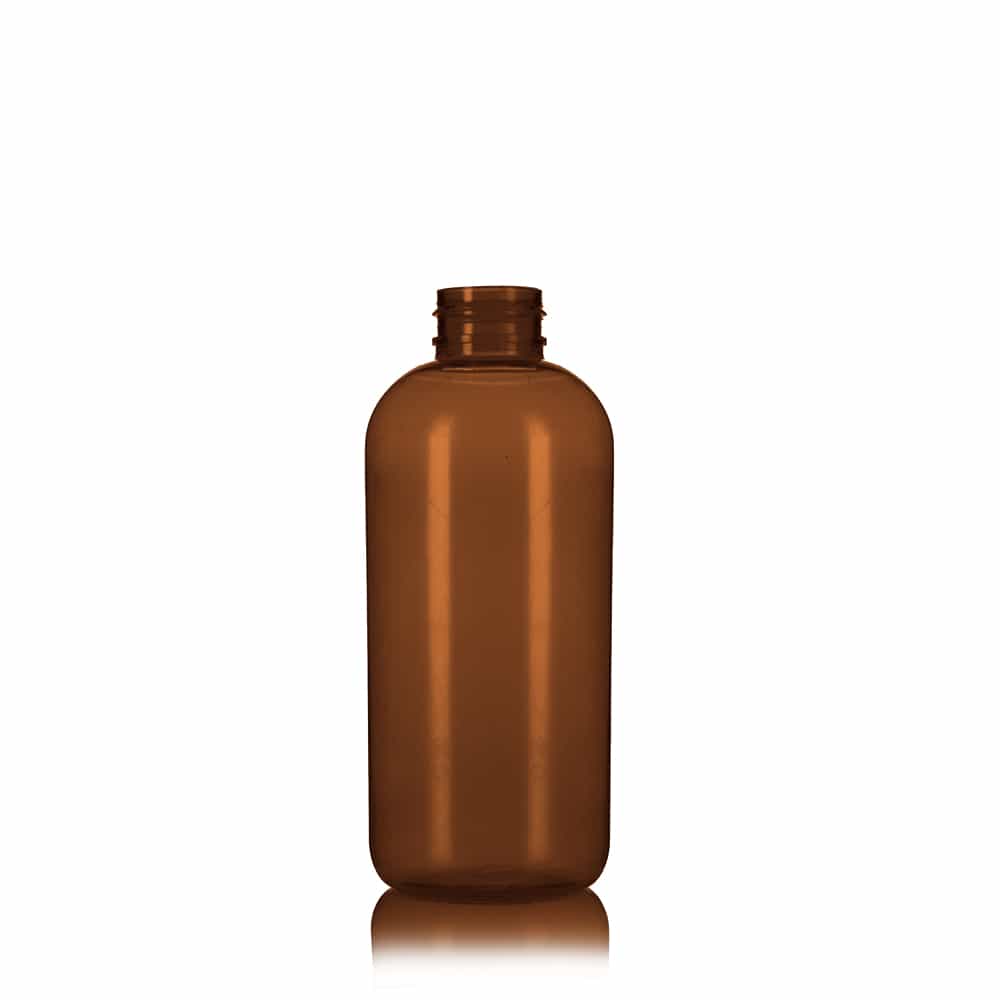
The bottle is the largest single cost. A standard 8 oz PET cylinder round runs $0.49 to $0.53 depending on quantity. A smaller 1 oz cosmo bottle for serums costs $0.16 to $0.17. A 12 oz boston round for body wash sits at $0.65 to $0.70. Bottles scale predictably: the more material, the more it costs. An easy rule is that bottle price roughly doubles when you triple the volume.
The closure is where most founders underestimate costs. A simple disc top cap costs $0.08 to $0.09. That is nothing. But the moment you need a pump, the price jumps. A standard lotion pump runs $0.20 to $0.35. A fine mist sprayer costs $0.15 to $0.25. A foamer pump for hand soap sits around $0.25 to $0.35. Trigger sprayers for cleaning products run $0.30 to $0.45. The closure type changes your per-unit cost more than the bottle size does in many cases.
The label is the third core component. Basic pressure-sensitive labels from a digital printer cost $0.05 to $0.15 per unit at small quantities (250 to 500 labels). At higher volumes (2,000 or more), the per-unit cost drops to $0.03 to $0.08. Waterproof vinyl labels for shower-use products add about 30 percent to those numbers. Custom die-cut shapes or metallic finishes push a single label past $0.20.
The shrink band is optional but common for tamper evidence. These cost $0.02 to $0.04 per unit. Cheap enough to add on almost every product. Some brands skip shrink bands and use induction sealed caps instead, which do not add a separate component cost since the seal liner is built into the cap.
The secondary packaging (the box your bottle sits in on a retail shelf or the mailer it ships in for DTC) varies the most. A simple kraft box runs $0.30 to $0.50. A printed folding carton with spot UV or foil stamping costs $0.80 to $1.50. A rigid magnetic closure box for luxury positioning costs $3.00 to $5.00 or more, but that is premium territory most indie brands do not need at launch.
Real Cost Examples by Product Type
Here is what a finished unit actually costs to package, using real component prices.
Skincare serum (1 oz cosmo bottle + treatment pump + label + box)
- Bottle: $0.17
- Treatment pump: $0.25
- Label: $0.10
- Shrink band: $0.03
- Folding carton: $0.45
- Total packaging cost per unit: $1.00
Hand soap or body wash (8 oz cylinder round + disc top + label)
- Bottle: $0.53
- Disc top cap: $0.09
- Label: $0.08
- Total packaging cost per unit: $0.70
Cleaning spray (16 oz cylinder round + trigger sprayer + label)
- Bottle: $0.85
- Trigger sprayer: $0.40
- Label: $0.10
- Total packaging cost per unit: $1.35
Room spray or body mist (4 oz bullet bottle + fine mist sprayer + label + box)
- Bottle: $0.31
- Fine mist sprayer: $0.20
- Label: $0.08
- Folding carton: $0.40
- Total packaging cost per unit: $0.99
Foaming hand soap (8 oz foam bottle + foamer pump + label)
- Bottle: $0.52
- Foamer pump: $0.30
- Label: $0.08
- Total packaging cost per unit: $0.90
These numbers assume quantities under 300 units. At 300 or more units, each component drops by about 5 to 10 percent.
 Five beauty products with packaging cost labels showing per-unit costs from $0.70 to $1.35
Where the Hidden Costs Live
The per-unit cost is not the full story. Founders who budget only for bottle, cap, and label get surprised by these.
Shipping to you. A case of 200 eight ounce bottles weighs about 8 pounds and ships for $12 to $18 via ground depending on distance. That adds $0.06 to $0.09 per unit. Heavier bottles (glass, 16 oz HDPE) cost more to ship per unit because carrier pricing is weight-based.
Label printing setup. Your first label order from a digital printer typically has a one-time setup fee of $25 to $75, depending on the printer. This is a sunk cost that disappears on reorders. When budgeting your first run, divide it across your total units. For a 200 unit run with a $50 setup fee, that is $0.25 per unit for setup alone. At 1,000 units, the same setup costs $0.05 per unit.
Minimum orders elsewhere. Most traditional packaging suppliers require 5,000 to 10,000 units minimum. If you cannot fill that order, the per-unit price is irrelevant because you cannot buy at all. Some suppliers will sell you 1,000 units but at a 2x to 3x markup over their listed pricing. This is the hidden cost of being small: you either pay the premium or you buy more than you need and hope it sells.
Fill line testing. Your bottle holds a specific overflow capacity, and your product fills to a specific line. If you switch bottles, you may need to recalibrate your fill equipment or adjust your formulation volume. For contract manufacturers, this recalibration costs $100 to $300 per SKU. Not a per-unit cost, but a real cost that founders forget when switching suppliers.
How Quantity Changes Everything
The relationship between order size and price is not linear. It follows a staircase pattern where specific volume thresholds trigger price breaks.
At 1 to 299 units, you pay list price. This is where most first-time founders start. An 8 oz cylinder round bottle at $0.53 and a disc top cap at $0.09 gives you $0.62 per unit for bottle and cap before labels.
At 300 or more units, most suppliers drop prices by about 8 to 10 percent. That same 8 oz bottle drops to $0.49 and the cap to $0.08. Your per-unit cost for bottle and cap falls to $0.57. On a 300 unit order, that saves you $15. Not life changing, but it compounds across every SKU.
At 1,000 or more units, you start seeing meaningful volume discounts of 15 to 25 percent from most suppliers. The catch: many suppliers set their minimum order quantity at exactly this threshold, so you cannot get the better price without committing to 1,000 units.
At 5,000 or more units, per-unit costs drop another 20 to 30 percent. At this point, you are a real account and most suppliers will assign a dedicated rep, offer net-30 terms, and negotiate custom pricing. This is where packaging stops being a sunk cost and starts being a lever you can pull for margin.
 Volume pricing comparison showing how 8oz bottle price decreases from $0.53 to $0.49 at higher quantities
What Your Competitor Is Paying
If you are a small brand selling a $24 skincare product, your competitor at scale is paying about $0.80 to $1.20 per unit for the full packaging stack (bottle, closure, label, shrink band, box). That is 3 to 5 percent of retail price.
You, at 200 to 500 units, are paying $1.00 to $2.00 per unit for the same components. That is 4 to 8 percent of retail price.
The gap is real, but it is not the gap most people imagine. The per-unit premium for being small is about 40 to 60 percent, not 200 to 300 percent. The place where small brands get destroyed on cost is not the per-unit price. It is minimum order quantities forcing them to buy 5,000 bottles when they need 300, tying up $2,500 in packaging inventory that might take a year to sell through.
PCR vs Virgin: Does Recycled Plastic Cost More?
At most suppliers, yes. The industry standard markup for post-consumer recycled plastic is 10 to 30 percent over virgin. That means a bottle that costs $0.50 in virgin PET costs $0.55 to $0.65 in PCR at most places.
We engineered price parity through two years of sourcing and formulation work. Our PCR bottles cost the same as what you would pay for virgin plastic at comparable suppliers. That is not because PCR resin magically became cheaper. It is because we built the business specifically to remove that price gap. When someone tells you sustainable packaging costs more, they are telling you about their supplier. Not about the material.
 Side by side comparison of virgin PET and PCR PET bottles showing identical appearance
The 10 Percent Rule and When to Break It
The general industry guideline is that packaging should be about 10 percent of your retail price. At $24 retail, that is $2.40 per unit for the entire packaging stack. Most indie brands can hit that target or beat it.
Break the 10 percent rule when the packaging IS the product experience. Luxury skincare in a heavy glass bottle with a bamboo cap and magnetic closure box might spend 20 to 30 percent on packaging. That works if the unboxing drives repeat purchases and social sharing. It does not work if you are selling hand soap on Amazon where nobody sees the box.
The formula that matters more than any percentage: does spending an extra $0.30 on packaging let you charge $2.00 more per unit? If yes, spend it. If not, save it. Every packaging upgrade should pay for itself through either higher margin or higher conversion.
Frequently asked questions
How much does packaging cost for a small business?+
For a typical beauty or personal care product, total packaging cost runs $0.62 to $2.37 per unit depending on bottle size, closure type, and whether you include secondary packaging like a box. A basic setup (8 oz bottle, disc top cap, and a label) comes in under $0.75 per unit at small quantities. Add a pump and a printed box and that climbs past $1.50.
What is the cheapest packaging option for a startup?+
The lowest cost per unit comes from using a standard cylinder round PET bottle with a disc top cap and a basic pressure-sensitive label. At small volumes (200 to 300 units), this combination costs around $0.65 to $0.75 per unit for the bottle, cap, and label combined. Skip the secondary box, skip the shrink band, and ship in a simple kraft mailer. Many successful DTC brands launched with exactly this setup.
Is sustainable packaging more expensive?+
At most suppliers, PCR (post-consumer recycled) plastic carries a 10 to 30 percent premium over virgin. That premium adds $0.05 to $0.15 per unit depending on bottle size. Some suppliers have eliminated this gap through sourcing optimization. If you are getting quoted a large premium for recycled content, shop around. The gap has been narrowing every year as PCR resin supply scales up.
How many bottles should I order for my first run?+
Start with enough to test the product with real customers. For most brands, 200 to 300 bottles covers a farmers market weekend, two months of Etsy orders, or 50 retailer samples with enough left over for photography and personal use. The mistake is ordering 1,000 bottles before you know if the product sells. The bottle costs $0.53. The unsold inventory sitting in your garage for a year costs a lot more than that.
Does bottle size affect the per-unit price?+
Yes. A 1 oz bottle costs about $0.17 while a 16 oz bottle costs about $0.85 to $1.00. Larger bottles use more resin and cost more to produce, but the per-ounce cost actually decreases. One 16 oz bottle costs less than four 4 oz bottles. If your product works in a larger format, sizing up is one of the easiest ways to reduce your effective packaging cost.

Written by
Queenie FongQueenie Fong is the founder of Propack Solutions, a woman-owned sustainable packaging company based in Ontario, CA. With nearly a decade of experience in the packaging industry, she specializes in post-consumer recycled (PCR) materials, helping brands source rPET, PCR HDPE, and PCR PP packaging that meets regulatory requirements and sustainability goals.