Travel Size Bottles: TSA Rules, Sizes, and What You Need to Know


Travel size bottles must be 3.4 oz (100 mL) or smaller to pass through TSA security in your carry on bag. That single fact saves thousands of travelers from the heartbreak of watching their favorite shampoo get tossed into a bin at the airport every single day. But there is more to the rule than most people realize, and getting the details right can mean the difference between a smooth security line and an awkward conversation with a TSA officer.
Whether you are packing for a weekend trip or you run a brand that sells products in travel size containers, this guide covers everything you need to know about travel size bottles, TSA liquid rules, and exactly what the screeners are looking for.
The TSA 3-1-1 Rule Explained
The TSA 3-1-1 rule is the foundation of every carry on packing decision that involves liquids, gels, creams, pastes, and aerosols. Here is how it breaks down:
- 3.4 oz (100 mL) is the maximum container size allowed per item
- 1 quart size bag is the only approved way to carry those containers through screening
- 1 bag per passenger is the limit
That is it. Three numbers, one simple rule. The TSA liquids rule page spells it out clearly, and it has been in effect since 2006.
A few things people often miss about the 3-1-1 rule:
- The quart size bag must be clear and resealable (a standard zip top plastic bag works fine)
- You need to remove the bag from your carry on and place it in a separate bin during screening
- The rule applies to all liquids and gel like substances, including things you might not think of as liquids, like peanut butter, yogurt, and toothpaste
The goal of the rule is to limit the total volume of liquids any single passenger can bring into the cabin. It is not about whether a product is dangerous. It is a volume restriction, plain and simple.
What Counts as Travel Size
The term "travel size" gets used loosely by brands and retailers, but for TSA purposes, travel size means one thing: the container holds 3.4 oz (100 mL) or less. That is the ceiling. Anything at or below that number qualifies.
Here is where it gets important. TSA checks the size of the container, not how much liquid is inside it. A half empty 6 oz bottle of lotion will still get flagged and confiscated, even though there might only be 2 oz of product left in it. The officers look at the container label and the container volume, not the fill level.
This is probably the single most common mistake travelers make. They think, "I used most of it, so it should be fine." It will not be fine. The container itself has to be 3.4 oz or smaller.
On the flip side, you can absolutely bring a 2 oz bottle that is completely full. You can bring a 1 oz bottle, a 0.5 oz bottle, or any size at or below the 3.4 oz limit. The only constraint beyond container size is that all your travel size bottles need to fit inside that one quart size bag.
For a deeper look at selecting the right packaging for different products, check out our guide on how to select the right bottle size.
Common Travel Bottle Sizes in mL and oz
Not all travel size bottles are the same. There are several standard sizes you will see on store shelves and in wholesale packaging catalogs, and each one works best for certain types of products.
| Size (oz) | Size (mL) | Common Products |
|---|---|---|
| 0.5 oz | 15 mL | Eye drops, essential oils, perfume samples |
| 1 oz | 30 mL | Serums, face oils, eye creams, trial sizes |
| 1.5 oz | 44 mL | Hand sanitizer, sunscreen, small lotions |
| 2 oz | 60 mL | Shampoo, conditioner, body wash, moisturizer |
| 3 oz | 89 mL | Shampoo, liquid soap, hair gel, larger lotions |
| 3.4 oz | 100 mL | Maximum TSA allowed: any liquid, gel, or cream |
The 3.4 oz (100 mL) size is the most popular travel bottle size because it gives you the maximum volume TSA allows. But smaller sizes are useful when you want to fit more products into that single quart size bag. A mix of 1 oz, 2 oz, and 3 oz bottles will fit more total items than five 3.4 oz bottles squeezed together.
Need help converting between ounces and milliliters? Our oz to mL conversion guide walks through the math, or you can use the Propacks volume converter tool for instant calculations.
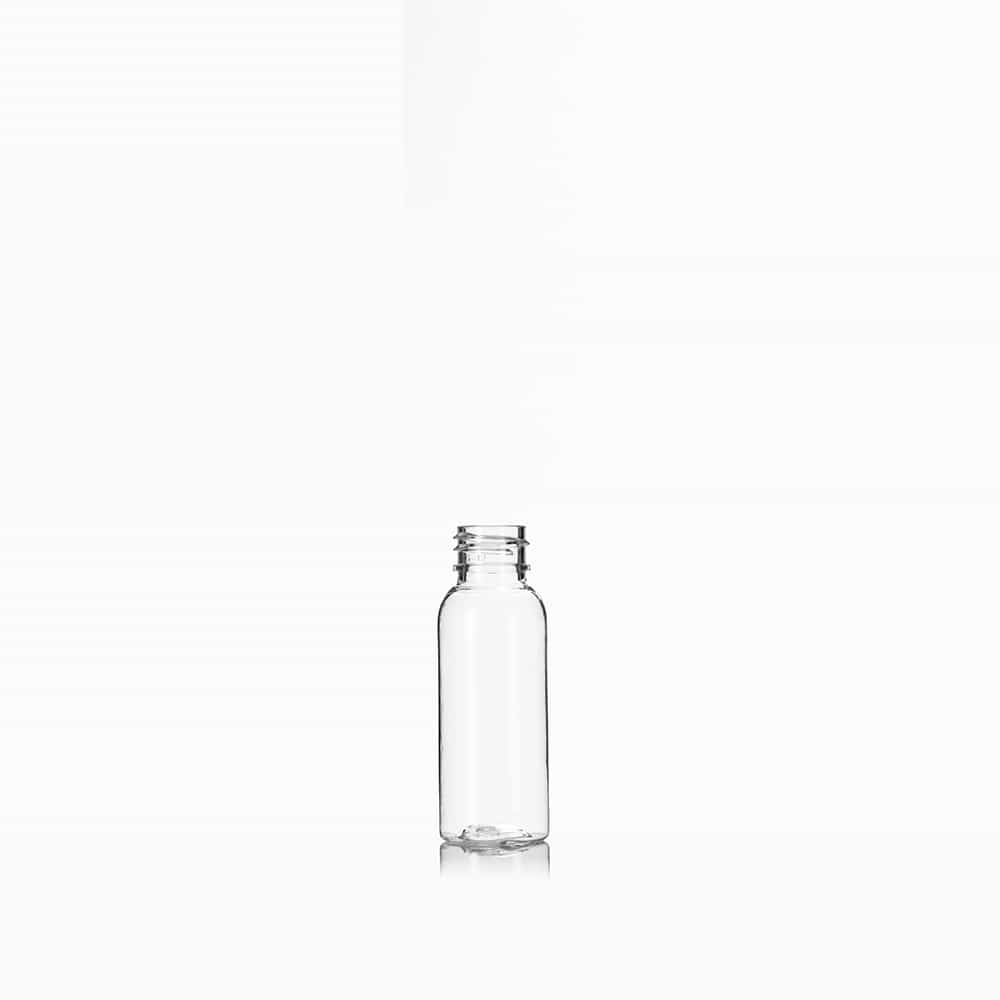
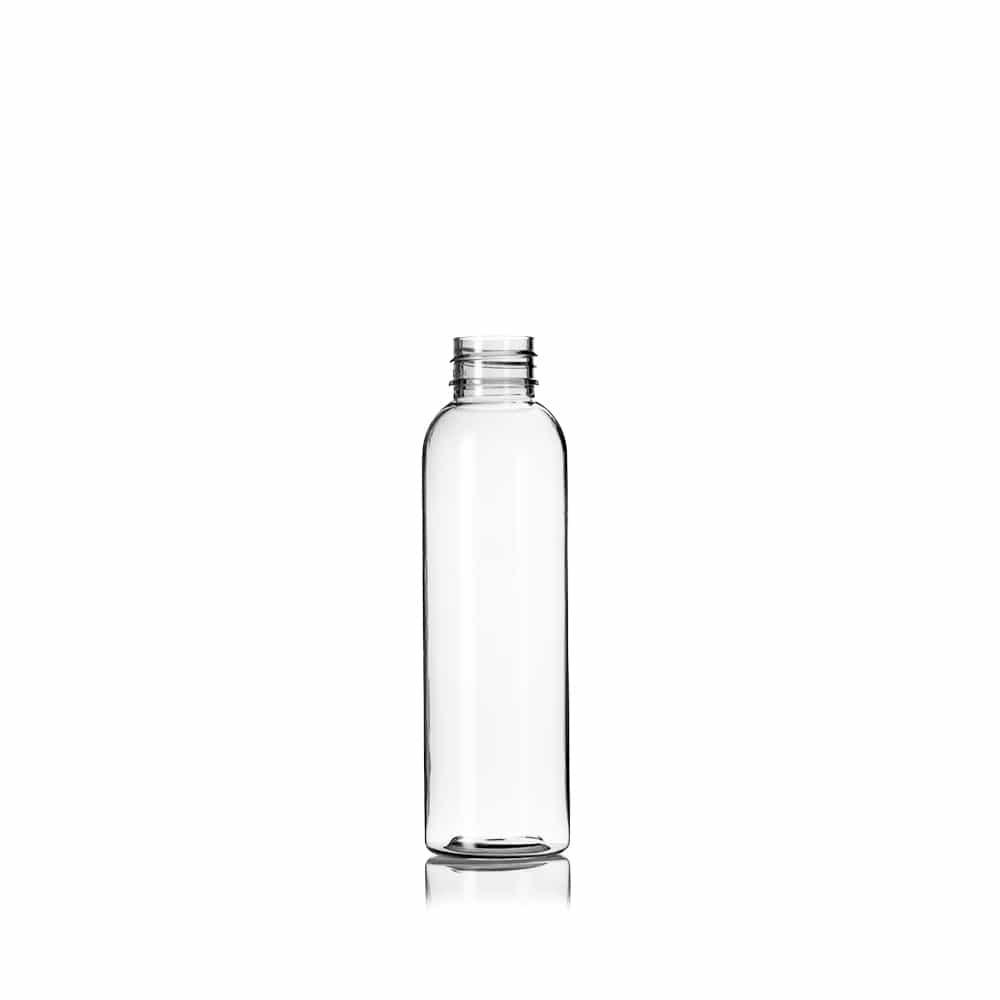
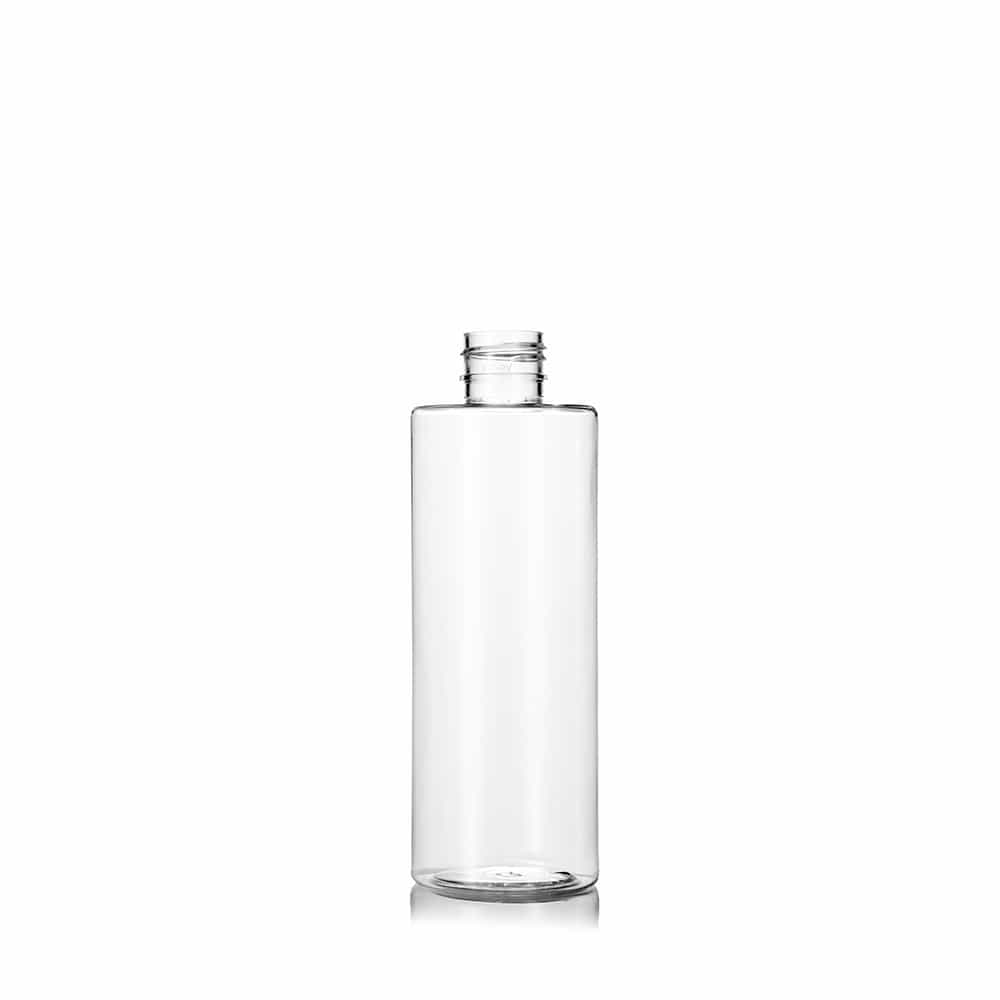
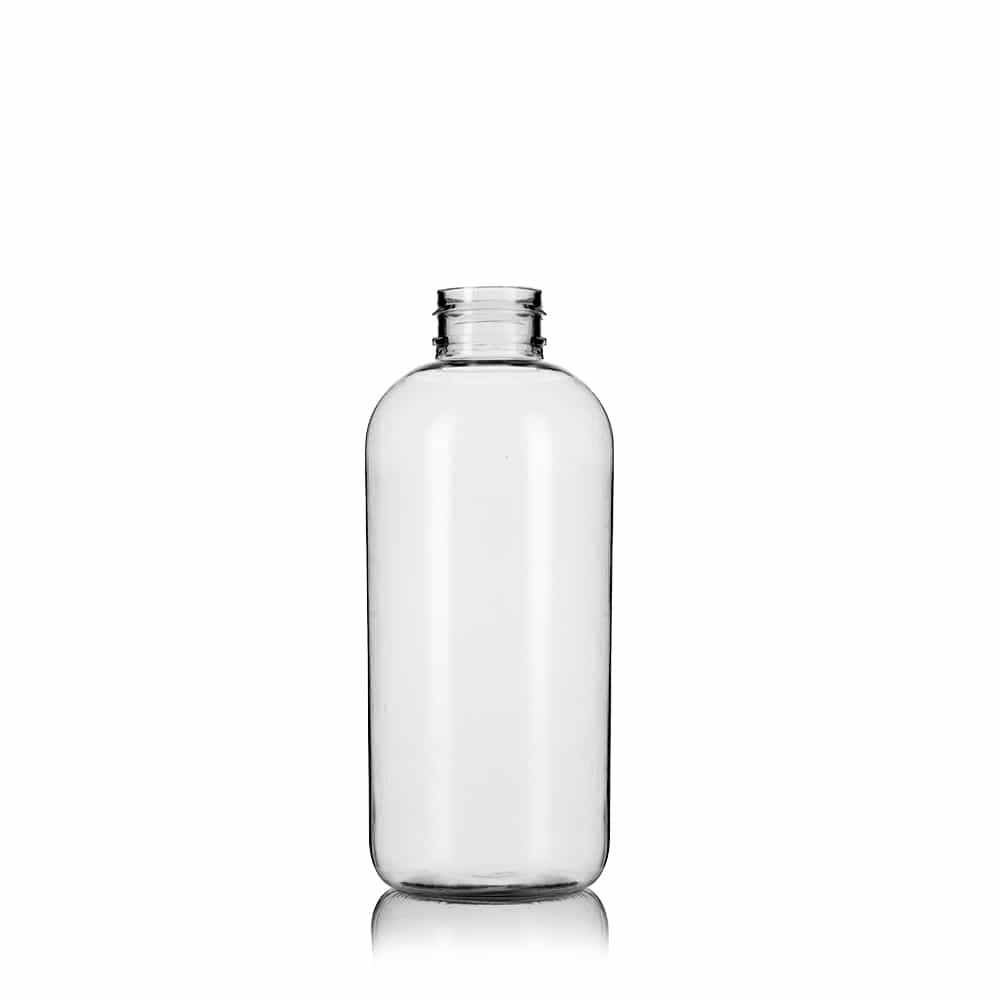
You can browse a full range of travel size containers in our travel size bottles collection, which includes options in all the standard sizes listed above.
What TSA Actually Checks at Security
Understanding what TSA officers look for can save you time and stress. The screening process for liquids is straightforward, but it helps to know the details.
When you place your quart size bag in the bin, officers check for three things:
- Container size. Is each individual container 3.4 oz (100 mL) or smaller? They look at the label, the markings on the bottle, and the overall size of the container. If a bottle says 6 oz on the label, it is getting pulled regardless of how full it is.
- Bag size and type. Is everything in a single, clear, quart size resealable bag? Gallon bags are too big. Opaque bags will not work. It needs to be quart size and see through.
- One bag per passenger. Each traveler gets one bag. You cannot split your liquids across two bags or ask your travel companion to carry your overflow.
A few additional things worth knowing based on TSA guidance:
- Medications in liquid form are allowed in reasonable quantities and do not need to fit in the quart bag, but you should declare them at the checkpoint
- Baby formula and breast milk are also exempt from the 3.4 oz limit
- Duty free liquids purchased after security screening are generally allowed, though rules can vary on connecting flights
If your container has no volume markings, TSA officers will make a judgment call based on the physical size of the bottle. This is one more reason to use properly labeled travel size bottles. Clear labeling eliminates guesswork and speeds you through the line.
Tips for Brands Selling Travel Size Products
If you sell products that travelers buy, getting your travel size packaging right is a genuine competitive advantage. Here is what brands should keep in mind when designing and sourcing travel size containers.
Label the volume clearly. Print "3.4 oz / 100 mL" on every travel size bottle. This is not just good practice for consumers. It is also what helps your product sail through TSA screening. When the volume is printed right on the container, there is no ambiguity at the checkpoint. Travelers remember which brands caused problems at security and which ones did not.
Stick to standard sizes. The most common travel bottle sizes (1 oz, 2 oz, 3 oz, and 3.4 oz) exist for a reason. They are the sizes travelers expect, retailers stock, and TSA officers recognize instantly. Going with 3.2 oz or 95 mL works fine from a compliance standpoint, but 3.4 oz and 100 mL are the sizes customers search for by name.
Design for the quart bag. Travel size containers should be slim enough and shaped well enough to fit alongside other products in a quart size zip top bag. Bulky or oddly shaped bottles eat up bag space and frustrate customers. Flat sided or oval bottles tend to pack more efficiently than round ones.
Consider your material. PCR (post consumer recycled) plastic is increasingly important to eco conscious travelers. Offering travel sizes in sustainable packaging signals that your brand cares about more than just convenience. It also aligns with growing retailer requirements around recycled content.
Think about the full size connection. Travel sizes are often a trial run. If a customer loves your 3.4 oz shampoo on vacation, they are likely to buy the full size when they get home. Make sure the travel version looks and feels like a miniature version of your flagship product, not an afterthought.
Propacks offers a full range of travel size bottles in PCR plastic, with options from 1 oz to 3.4 oz.
Frequently asked questions
What is the maximum liquid size for TSA carry on bags?+
The maximum container size for liquids in a TSA carry on bag is 3.4 oz, which equals 100 mL. Each container must be this size or smaller, and all containers must fit inside one clear, quart size, resealable plastic bag. One bag is allowed per passenger.
Can I bring a half empty bottle larger than 3.4 oz through TSA?+
No. TSA checks the size of the container, not the amount of liquid inside it. A half empty 6 oz bottle will still be confiscated even if it only contains 2 oz of product. The container itself must be labeled or sized at 3.4 oz (100 mL) or less.
Does toothpaste count as a liquid for TSA?+
Yes. TSA classifies toothpaste as a gel, which falls under the same 3-1-1 liquids rule. Your toothpaste tube must be 3.4 oz or smaller and must go inside your quart size bag along with your other liquids and gels.
Are there any liquids exempt from the TSA 3.4 oz rule?+
Medically necessary liquids, baby formula, breast milk, and juice for infants are exempt from the 3.4 oz container limit. You should declare these items to the TSA officer at the start of the screening process. They may receive additional inspection but will not be confiscated for being over 3.4 oz.
What happens if my travel bottle has no size marking?+
If your bottle does not have a volume marking, TSA officers will judge the container based on its physical size. If it looks like it could hold more than 3.4 oz, they may confiscate it. Using bottles with clear volume labels (such as "3.4 oz" or "100 mL" printed on the container) prevents this problem entirely.
Can I use any bag for my travel liquids or does it have to be a specific type?+
The bag must be clear, resealable, and quart sized (approximately 7 inches by 8 inches). A standard quart size zip top plastic bag from any grocery store works perfectly. The bag does not need to be a specific brand, but it does need to be transparent so TSA officers can see the contents without opening it.
How many travel size bottles can I bring on a plane?+
There is no specific limit on the number of bottles, but all of your travel size containers must fit inside one quart size bag. In practice, most travelers can fit between five and eight bottles depending on the sizes they choose. Using a mix of smaller containers (1 oz and 2 oz) alongside a few 3.4 oz bottles is a good strategy for maximizing what you can carry.

Written by
Queenie FongQueenie Fong is the founder of Propack Solutions, a woman-owned sustainable packaging company based in Ontario, CA. With nearly a decade of experience in the packaging industry, she specializes in post-consumer recycled (PCR) materials, helping brands source rPET, PCR HDPE, and PCR PP packaging that meets regulatory requirements and sustainability goals.