Low MOQ PCR Packaging: How Small Beauty Brands Go Sustainable


Small beauty brands that want PCR packaging often hit the same wall: suppliers require 10,000 to 50,000 units per SKU just to place an order. That minimum order kills the conversation before it starts. A brand doing 500 units a month cannot tie up $15,000 in packaging inventory for a single bottle size.
This is the central tension in sustainable packaging for indie brands. The regulatory pressure and consumer demand are real. California's AB 793 already requires 25 percent PCR in beverage containers as of 2025, with 50 percent mandated by 2030. Japan has imposed recycled content targets of up to 60 percent for cosmetics packaging. The Smithers consultancy's 2026 report found that major brands are shifting from voluntary sustainability goals to "explicit commitments for minimum purchases of PCR" baked into procurement contracts.
The market is moving. But most of the infrastructure was built for brands ordering millions of units, not thousands.
Why MOQs Are So High in the First Place
Understanding why minimums exist helps you negotiate around them.
Mold setup costs. Injection molding and blow molding machines need to be configured for each bottle shape and size. Running a short production batch means the setup cost is spread across fewer units, driving per-unit prices up. A 5,000-unit run might cost $0.85 per bottle. A 50,000-unit run of the same bottle might cost $0.35.
Resin changeover. Switching from virgin resin to PCR resin (or between PCR percentages) requires purging the machine, which wastes material and time. Manufacturers prefer long runs of a single material to minimize this loss.
Quality control overhead. PCR resin can have batch-to-batch variation in color and clarity. Quality control is proportionally more expensive on small runs because the inspection process is the same whether you are checking 500 bottles or 50,000.
These are real costs, not arbitrary gatekeeping. But they are also costs that specific types of suppliers have figured out how to eliminate.
The Four Types of Suppliers and How Their MOQs Differ
Not all packaging suppliers operate the same way, and the MOQ you encounter depends entirely on the supplier's business model.
1. Direct manufacturers (MOQ: 10,000 to 100,000+). These are factories, often overseas, that produce bottles to order. They offer the lowest per-unit prices but the highest minimums. For a brand doing $50,000 or more per month in revenue, direct manufacturing makes sense. For everyone else, it is a trap that locks up capital in inventory you cannot move fast enough.
2. Distributors and trading companies (MOQ: 5,000 to 25,000). Companies like Container and Packaging, SKS Bottle, and Berlin Packaging stock bottles from multiple manufacturers and sell them with lower minimums. They add a margin but provide variety and flexibility. PCR options are growing in this channel but remain limited compared to virgin options.
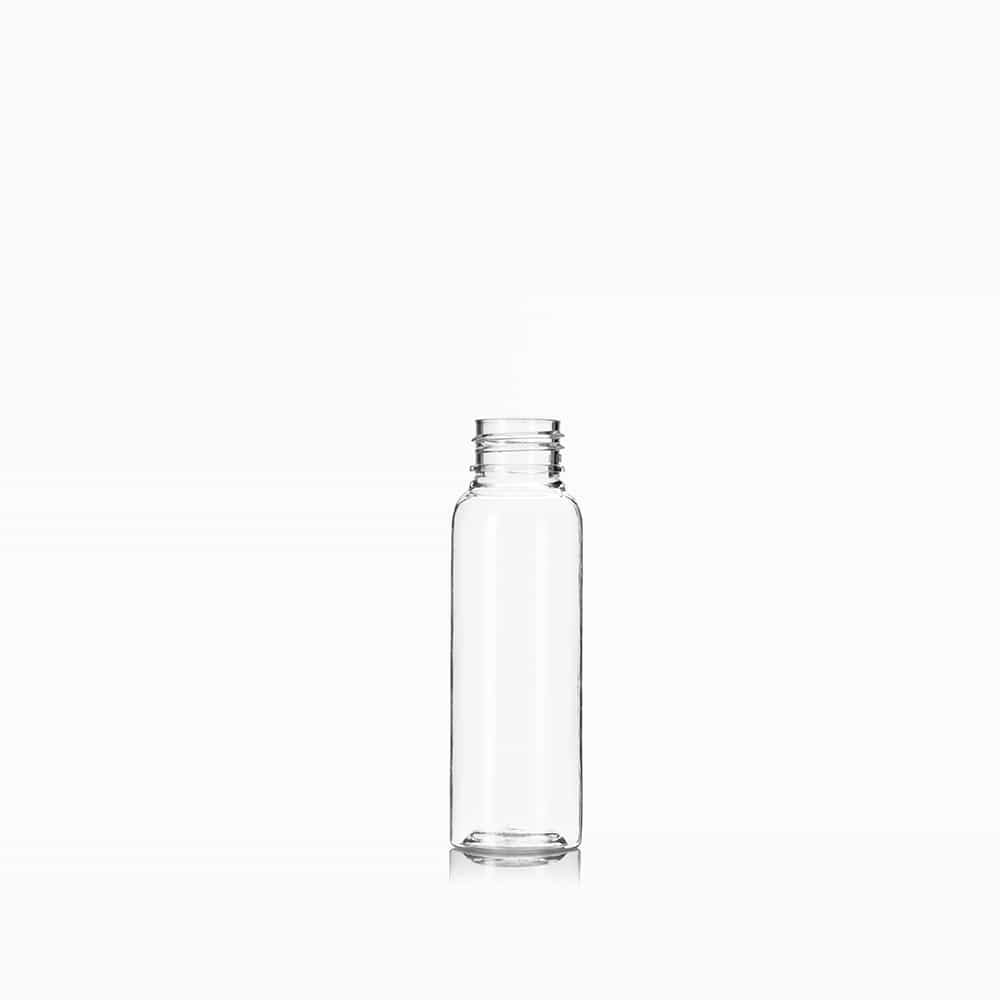
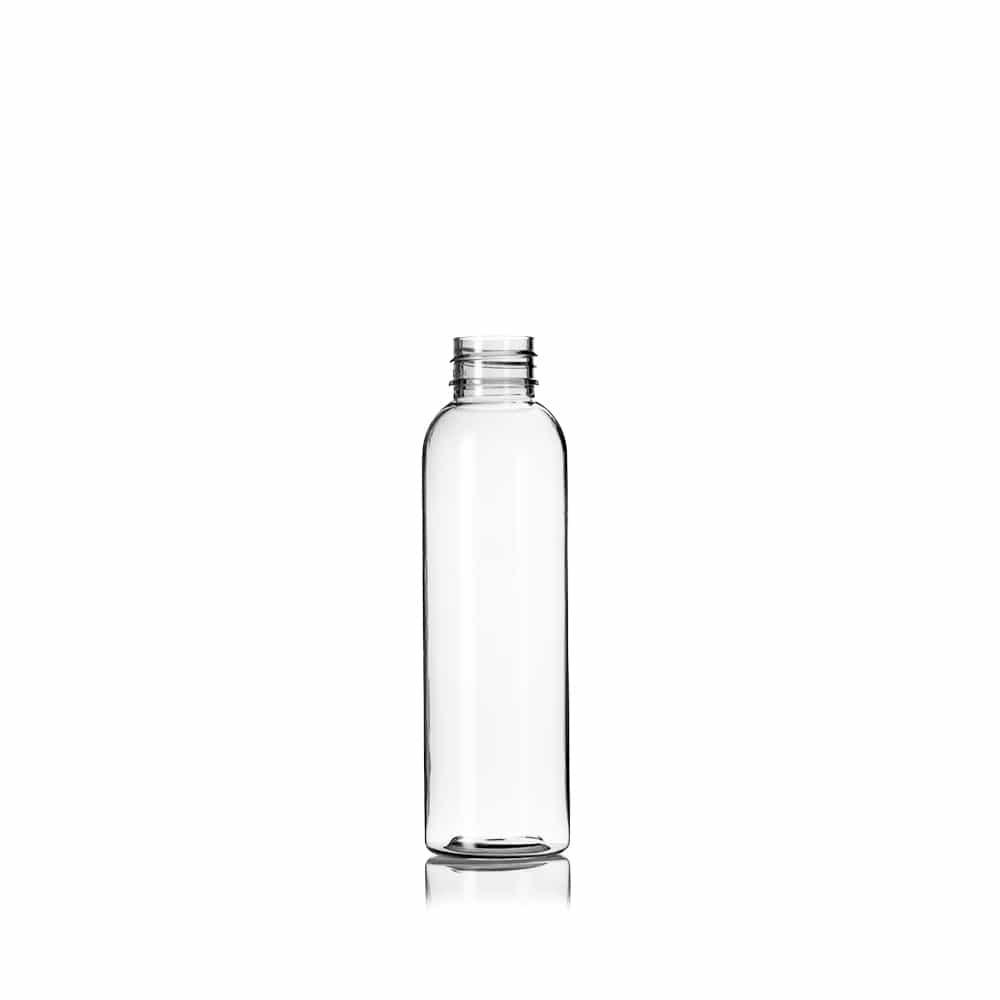
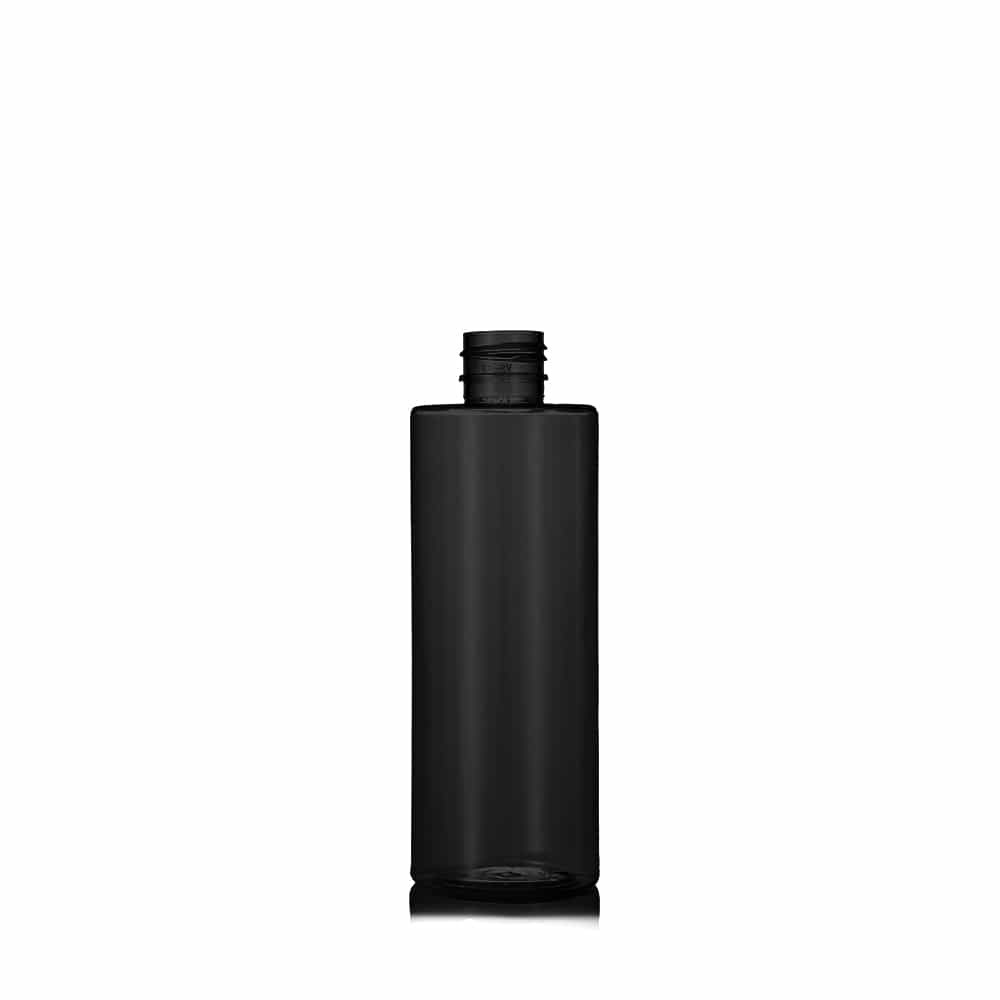
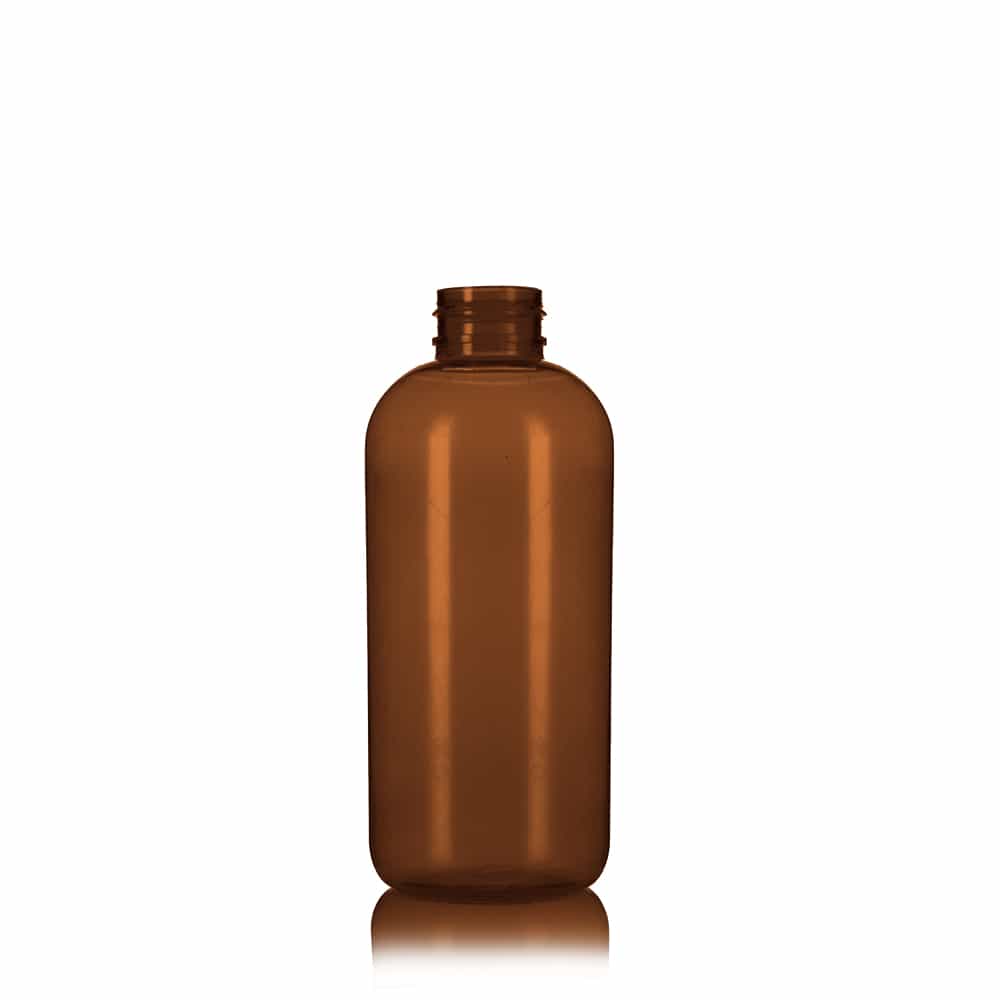
3. Stock-and-ship suppliers (MOQ: 1 to no minimum). This is where small brands should focus. These suppliers maintain inventory of standard bottle shapes, sizes, and materials, and sell them as needed. The per-unit cost is higher than factory direct, but you order only what you need, when you need it. No dead inventory. No cash trapped in boxes of bottles you will not use for nine months.
Propacks operates this model for PCR specifically. Standard PCR bottles and closures are stocked and available with no minimum order. This is unusual because most PCR inventory requires the supplier to absorb the resin premium upfront across their entire stock.
4. Custom packaging houses (MOQ: varies wildly). These companies design and produce bespoke packaging. MOQs depend on the complexity of the design. Custom molds alone cost $5,000 to $20,000 before a single bottle is produced. Unless your brand has a specific design requirement that no stock bottle can meet, custom packaging is the most expensive and slowest option available.
What "No Minimum" Actually Costs
Here is where small brands need to be honest with themselves about the math.
A supplier offering no-minimum PCR bottles is not doing charity. The economics work because:
- They buy at scale from reclaimers and manufacturers, absorbing the 33 percent PCR resin premium (per Smithers 2026 data) across large purchase orders.
- They stock standard sizes and neck finishes, eliminating custom tooling and changeover costs.
- They price for the convenience. A 4-ounce PCR bottle from a no-minimum supplier might cost $0.50 to $0.65 per unit. The same bottle from a factory at 50,000-unit MOQ might cost $0.25 to $0.35.
The per-unit difference is $0.15 to $0.30. On a product retailing for $28, that packaging cost difference is less than 1 percent of the retail price. It is invisible to your customer and irrelevant to your margin unless you are operating at extreme scale.
This is the calculation most indie brands get wrong. They chase the lowest per-unit price and end up with 40,000 bottles in a storage unit, $12,000 of cash locked up, and a product that has not been validated by the market yet.
How to Start Without Overcommitting
Step 1: Pick one hero SKU. Do not try to convert your entire line to PCR at once. Choose your best-selling product and switch that bottle first. One success story is more valuable than five simultaneous experiments.
Step 2: Use stock bottles with standard neck finishes. The 24-410 and 20-410 neck finishes are the most widely available in PCR. They are compatible with disc-top caps, flip-top caps, pumps, and sprayers from virtually every closure supplier. Choosing a standard finish gives you maximum flexibility.
Step 3: Order what you need for 60 to 90 days. Do not forecast a year ahead. Order enough for two to three months, validate that the packaging works with your formulation, and reorder. This is the entire point of low-MOQ sourcing: you trade a few cents per unit for the ability to iterate.
Step 4: Test compatibility before committing. PCR bottles can interact differently with certain formulations, especially those containing essential oils, high alcohol content, or acidic ingredients. Order a small sample batch and run a 30-day stability test with your actual product inside. Look for discoloration, warping, scent absorption, or closure fit changes.
Step 5: Update your marketing immediately. The moment your first PCR product ships, update your product page, your About page, and your social media. "Made with 100% post-consumer recycled plastic" is a specific, verifiable, compelling claim. It is also increasingly a baseline expectation rather than a differentiator, so move now while it still carries weight.
The Certification Question
Allison Kustic, state government relations manager at the Association of Plastic Recyclers, testified before California's legislature in July 2025 that there is currently "no system to verify the authenticity of recycled content claims." Senator Catherine Blakespear, who introduced the PCR verification bill SB 633, noted that when similar validation requirements were applied to reusable grocery bags, "a majority of manufacturers were unable to prove their bags were made from recycled material."
This matters for small brands because your sustainability claims need to be defensible. Ask your PCR supplier for:
- GRS (Global Recycled Standard) certification, third-party chain-of-custody verification
- Certificate of compliance stating exact PCR percentage and material origin
- Resin supplier documentation showing the source of the recycled feedstock
If a supplier says "our bottles are eco-friendly" but cannot produce certification, keep looking. The regulatory environment is tightening, and unverified claims are the fastest path to a greenwashing accusation.
When to Graduate to Higher MOQs
Low-MOQ sourcing is a launch strategy, not a permanent one. As your brand scales, the per-unit savings from larger orders become meaningful.
The typical graduation path:
- 0 to 1,000 units/month: No-minimum stock suppliers. Focus on product-market fit, not packaging cost optimization.
- 1,000 to 5,000 units/month: Negotiate case pricing with your stock supplier. Many offer 10 to 15 percent discounts at case quantities (typically 200 to 500 units).
- 5,000 to 20,000 units/month: Move to a distributor with 5,000-unit MOQs. The per-unit savings now justify the larger order.
- 20,000+ units/month: Explore direct manufacturer relationships. At this volume, custom molds and factory-direct pricing make economic sense.
The mistake is jumping to the high-MOQ tier before your revenue justifies it. Capital tied up in packaging inventory is capital you cannot spend on marketing, product development, or hiring.
The Bottom Line
The PCR packaging market was valued at $23.25 billion in 2025, according to Fortune Business Insights, and it is growing at 8.17 percent annually. That growth is being driven by regulatory mandates, brand commitments, and consumer expectations that are not going away.
Small brands do not need to wait until they can afford 50,000-unit orders to participate. No-minimum PCR suppliers exist specifically to solve this problem. The per-unit premium is real but small relative to your retail price. And the brand value of shipping in recycled packaging, with verifiable certification to back it up, compounds over time.
Start with one SKU. Use stock bottles. Get certified. Tell your customers. Scale when the numbers say to scale.

Written by
Queenie FongQueenie Fong is the founder of Propack Solutions, a woman-owned sustainable packaging company based in Ontario, CA. With nearly a decade of experience in the packaging industry, she specializes in post-consumer recycled (PCR) materials, helping brands source rPET, PCR HDPE, and PCR PP packaging that meets regulatory requirements and sustainability goals.