How to Select the Right Bottle Size


Choosing the correct bottle size requires balancing your product, customer, price, and distribution strategy. The right size optimizes user experience and reinforces your brand’s value. This guide compares 2 oz, 4 oz, 8 oz, and 16 oz bottles to help you make an informed decision for your product line.
Match Bottle Size to Product Type
Your product’s formula and usage dictate its ideal container size. Each bottle size serves a specific purpose for the consumer.
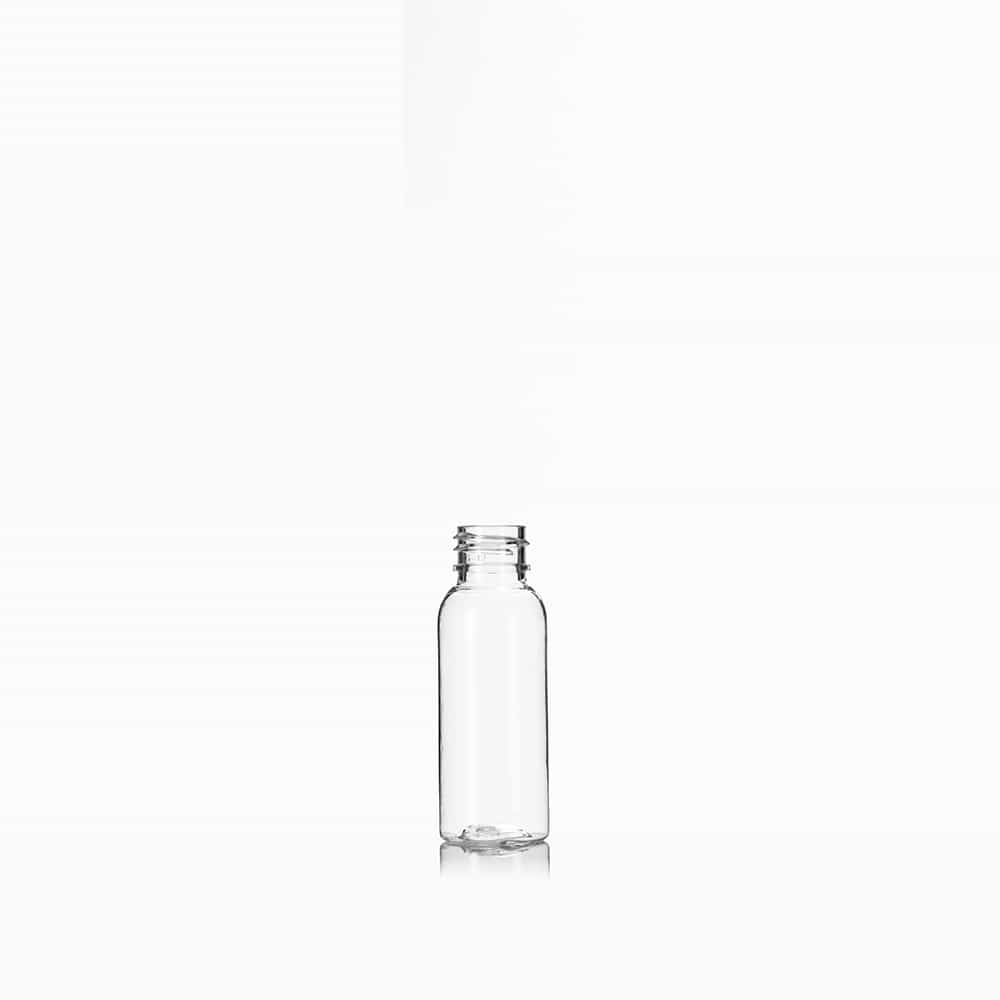
A 2 oz (59 ml) bottle is perfect for concentrated or trial-size products. It works well for facial serums, essential oils, and eye creams. This size is also TSA-compliant for air travel, making it the standard for travel kits. Its small volume suits products where a little goes a long way.
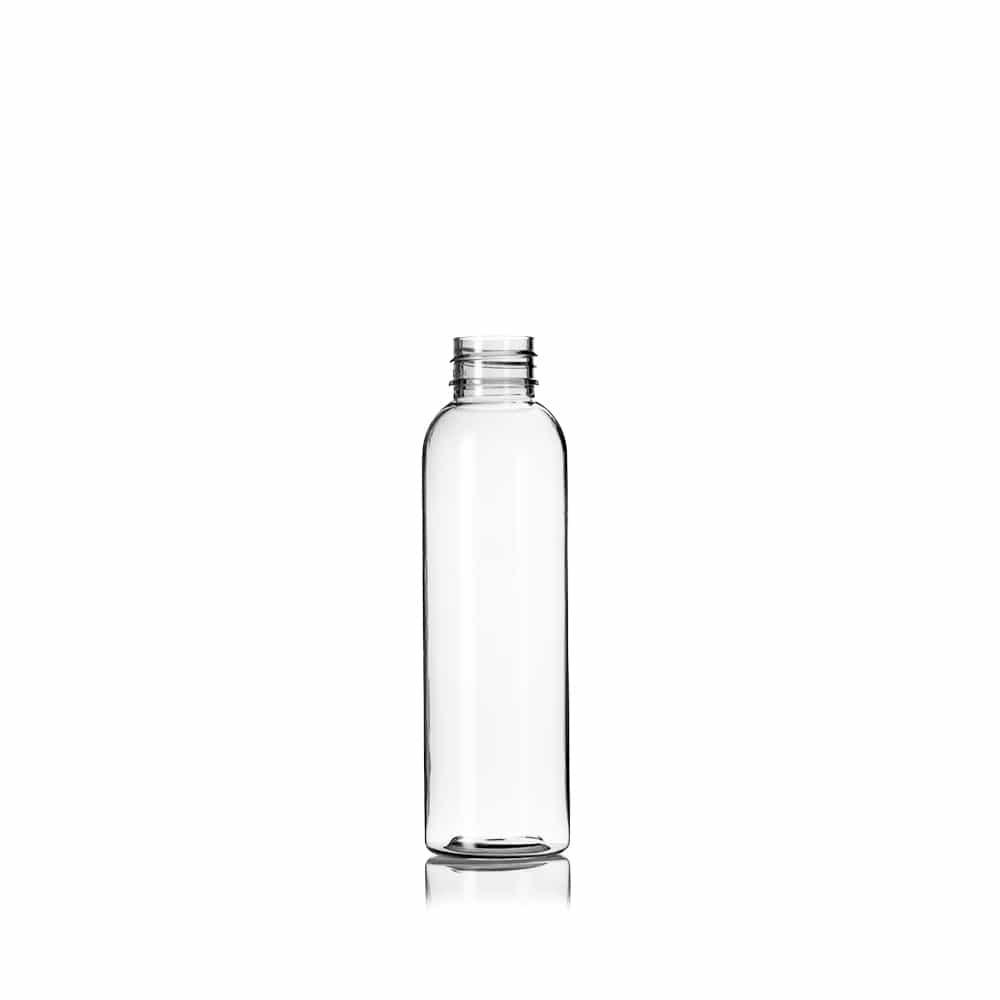
The 4 oz (118 ml) bottle offers a versatile mid-range option. It is a popular choice for daily facial cleansers, specialty hair treatments, and premium hand lotions. This size provides enough product for regular use without being bulky. It balances value and portability effectively.
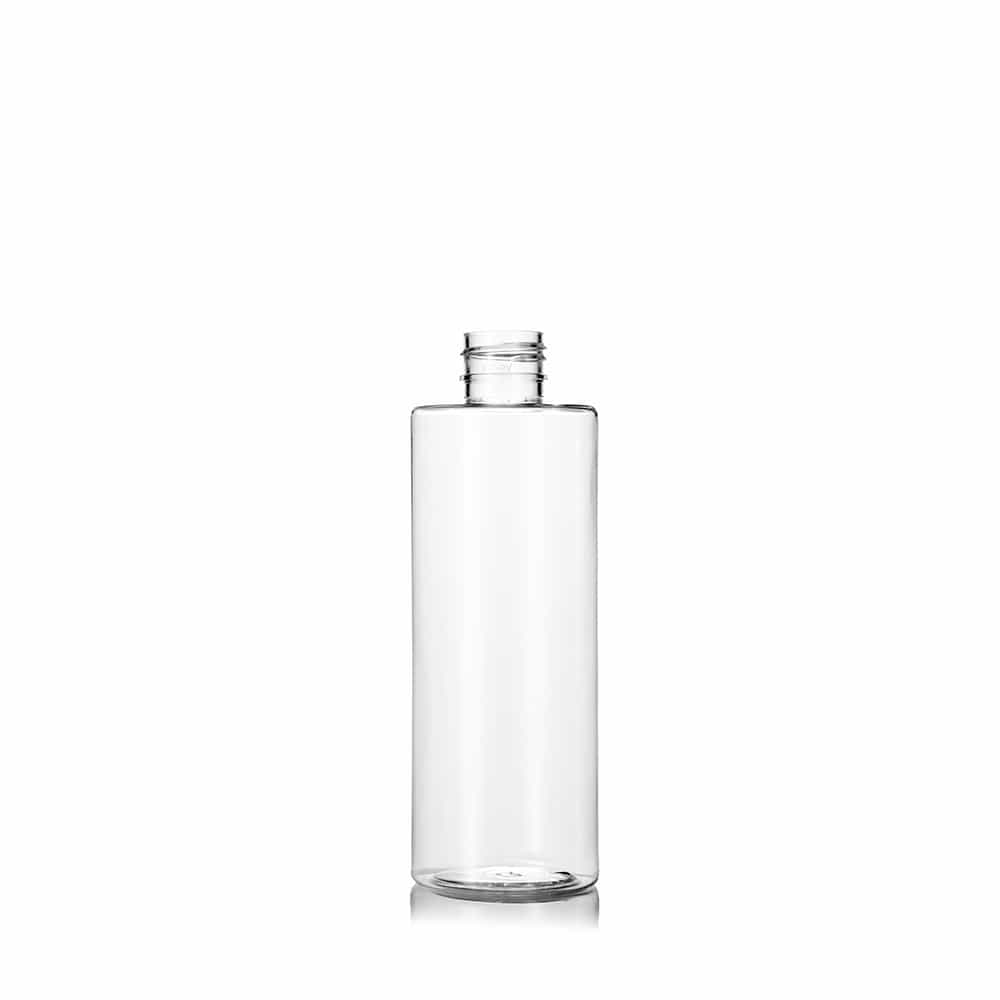
An 8 oz (237 ml) bottle is the industry standard for many personal care staples. Shampoos, conditioners, body washes, and lotions commonly use this size. It sits well on retail shelves and in shower caddies. Consumers recognize the 8 oz format as a full-size product, signaling a fair value for routine purchases.
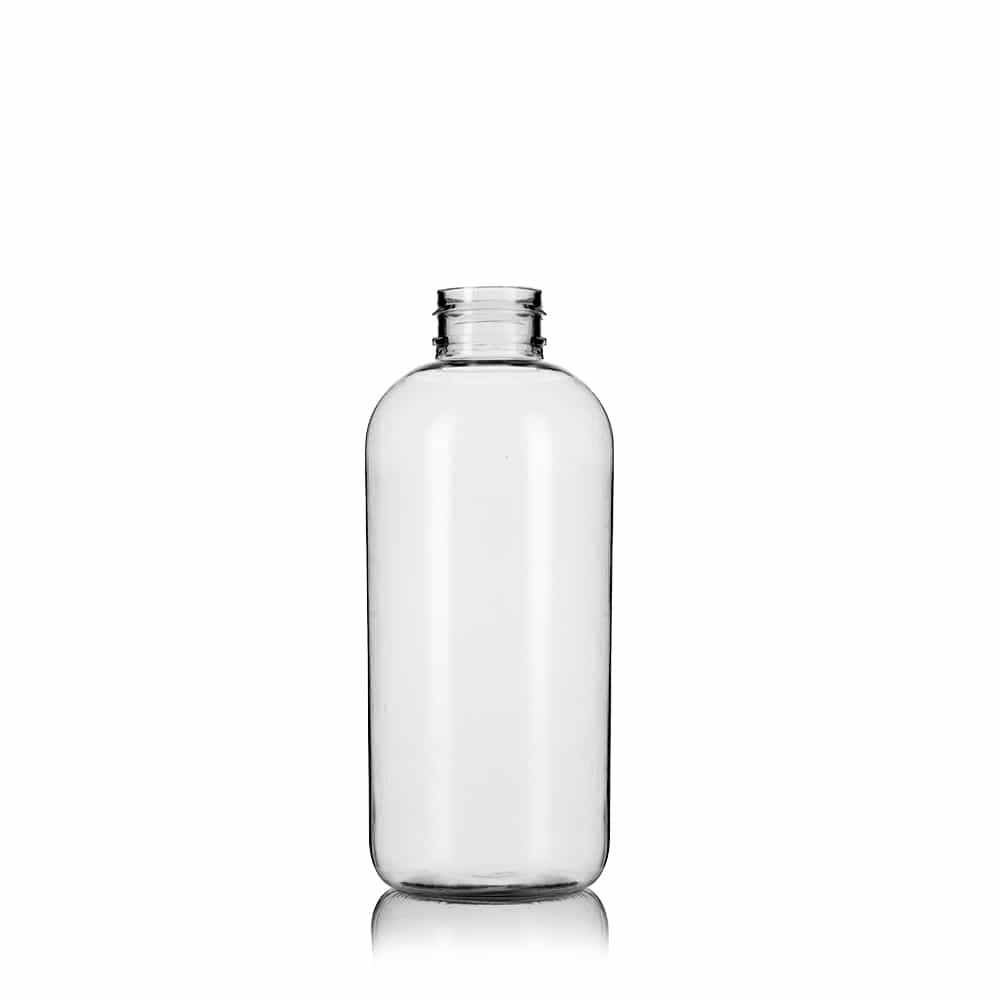
The 16 oz (473 ml) bottle targets value and bulk purchasing. It is ideal for family-size hand soaps, body lotions, and professional-use products. This size reduces the frequency of repurchase. It appeals to loyal customers and households looking for cost-effective solutions.
Align Size with Your Customer and Price
Bottle size directly influences customer perception and purchasing behavior. It can attract new buyers or reward loyal ones.
The Power of Trial Sizes
Small bottles lower the risk for new customers. A 2 oz bottle allows someone to try a premium serum for $15 instead of committing to an $80 full-size version. This strategy converts skeptical buyers. It also makes products accessible to a wider audience. Samples and discovery kits rely on this size to drive future sales.
Communicating Value
Larger sizes communicate better value per ounce. An 8 oz body lotion may cost $12, while a 16 oz version costs $20. The larger option saves the customer money and builds brand loyalty. This format is effective for everyday essentials where consumers prioritize quantity and cost savings. It is a powerful tool for customer retention.
Supporting Subscription Models
Subscription services thrive on predictable consumption cycles. A 4 oz or 8 oz bottle often contains a 30-day or 60-day supply of product. This predictable timeline simplifies auto-replenishment for both the brand and the consumer. The size ensures customers receive their next shipment just as they run out.
Factor in Your Distribution Channel
Where you sell your product impacts your ideal bottle size. Ecommerce logistics differ greatly from brick-and-mortar retail requirements.
Ecommerce Shipping Costs
Weight and dimensions determine shipping costs. Lighter, smaller packages are cheaper to ship.
- 2 oz and 4 oz bottles: These sizes keep package weights low. They reduce costs for direct-to-consumer (D2C) brands that absorb shipping fees.
- 8 oz and 16 oz bottles: These heavier bottles increase shipping expenses. A case of 150 16 oz bottles weighs approximately 31 pounds. A case of 700 2 oz bottles weighs about 22 pounds. These differences impact freight costs and last-mile delivery fees.
Brick-and-Mortar Retail Presence
On a physical shelf, size creates visibility. A tall 16 oz bottle can stand out more than a small 2 oz bottle. Retailers use planograms to design shelf layouts, and standard sizes like 8 oz fit easily into these plans. Small bottles can get lost unless placed in designated travel or trial-size sections. Larger packaging often appears more substantial to in-person shoppers.
Hospitality and Amenity Programs
The hospitality industry requires small, convenient sizes. The 2 oz bottle is standard for hotel shampoos, conditioners, and lotions. It meets guest expectations for single-use or short-stay amenities. It also complies with Transportation Security Administration (TSA) rules for carry-on liquids, which limits containers to 3.4 ounces (100 ml).
Review Technical and Sustainability Specs
Your bottle choice has technical and environmental implications. Consider material usage, recyclability, and labeling requirements.
Material Use and PCR Content
Larger bottles require more raw material. A 16 oz bottle uses roughly double the plastic of an 8 oz bottle. Choosing packaging made from 100% Post-Consumer Recycled (PCR) material is the most sustainable option. Using our rPET bottles displaces the need for virgin plastic, regardless of size. This significantly lowers your product's carbon footprint.
Recyclability by Size
All PET bottles with the #1 resin code are highly recyclable. However, the machinery at recycling facilities can sometimes miss very small items. Bottles under 2 inches in diameter may fall through sorting screens. To improve recovery rates, we advise consumers to empty the bottle and reattach the cap before recycling. This helps the entire package move through the sorting system successfully.
Labeling and Compliance
Surface area on the bottle dictates your label design. A 2 oz bottle offers limited space for branding, ingredients, and regulatory text. An 8 oz or 16 oz bottle provides a large canvas for detailed information. This is critical for products that must list extensive directions, warnings, or certifications. Proper labeling ensures compliance with FDA regulations and state laws like California's SB 54.
Frequently asked questions
What is the most popular bottle size for beauty products?+
The most popular size depends entirely on the product category. For facial serums and treatments, 1 oz and 2 oz bottles are standard. For daily cleansers, toners, and moisturizers, 4 oz and 6 oz sizes are common. Shampoos, conditioners, and body lotions are most frequently sold in 8 oz and 16 oz bottles.
How does bottle size affect shipping costs?+
Bottle size significantly impacts shipping costs through weight and volume. Carriers calculate fees based on actual weight or dimensional weight, whichever is greater. For example, a standard case of 150 16 oz PET Boston Round bottles weighs about 31 lbs. A case of 700 2 oz PET Boston Round bottles weighs 22 lbs. Heavier shipments increase freight and parcel delivery costs, affecting your profit margins.
Are small bottles like 2 oz sizes recyclable?+
Yes, 2 oz PET bottles are recyclable. PET plastic is one of the most recycled materials globally. The main challenge is at the Material Recovery Facility (MRF), where small items can sometimes fall through sorting screens. To maximize the chance of recovery, instruct customers to empty the bottle and screw the cap back on before placing it in their recycling bin.
Does using a larger bottle improve my brand's sustainability?+
A larger bottle can be more sustainable in one specific way. It lowers the packaging-to-product ratio. This means less plastic is used per ounce of formula. However, the most impactful sustainability choice is using high-PCR content. A 100% rPET bottle of any size prevents the creation of new virgin plastic, which provides a greater environmental benefit than size alone.

Written by
Queenie FongQueenie Fong is the founder of Propack Solutions, a woman-owned sustainable packaging company based in Ontario, CA. With nearly a decade of experience in the packaging industry, she specializes in post-consumer recycled (PCR) materials, helping brands source rPET, PCR HDPE, and PCR PP packaging that meets regulatory requirements and sustainability goals.