The Real Cost of Switching Packaging Suppliers (And Why It Is Probably Lower Than You Think)


Your current packaging supplier is fine. Not great. Fine. The bottles arrive, mostly on time. The prices crept up, but not enough to justify the headache of finding someone new. You have other things to worry about.
That calculation keeps brands locked into packaging relationships that cost them thousands of dollars a year in overpaying, inflexibility, and missed deadlines. The real cost of switching is almost always lower than the cost of staying. Here is what actually happens when you change suppliers, what breaks, what does not, and how to run the transition without disrupting a single production day.
Why Brands Stay With Bad Suppliers
The most common reason brands do not switch packaging suppliers is not loyalty. It is inertia. The switching cost feels enormous in your head because you are imagining everything going wrong at once: your caps do not fit the new bottles, your labels need reprinting, your fill line needs recalibrating, and your next order ships late while you figure it all out.
That scenario almost never happens. Here is why.
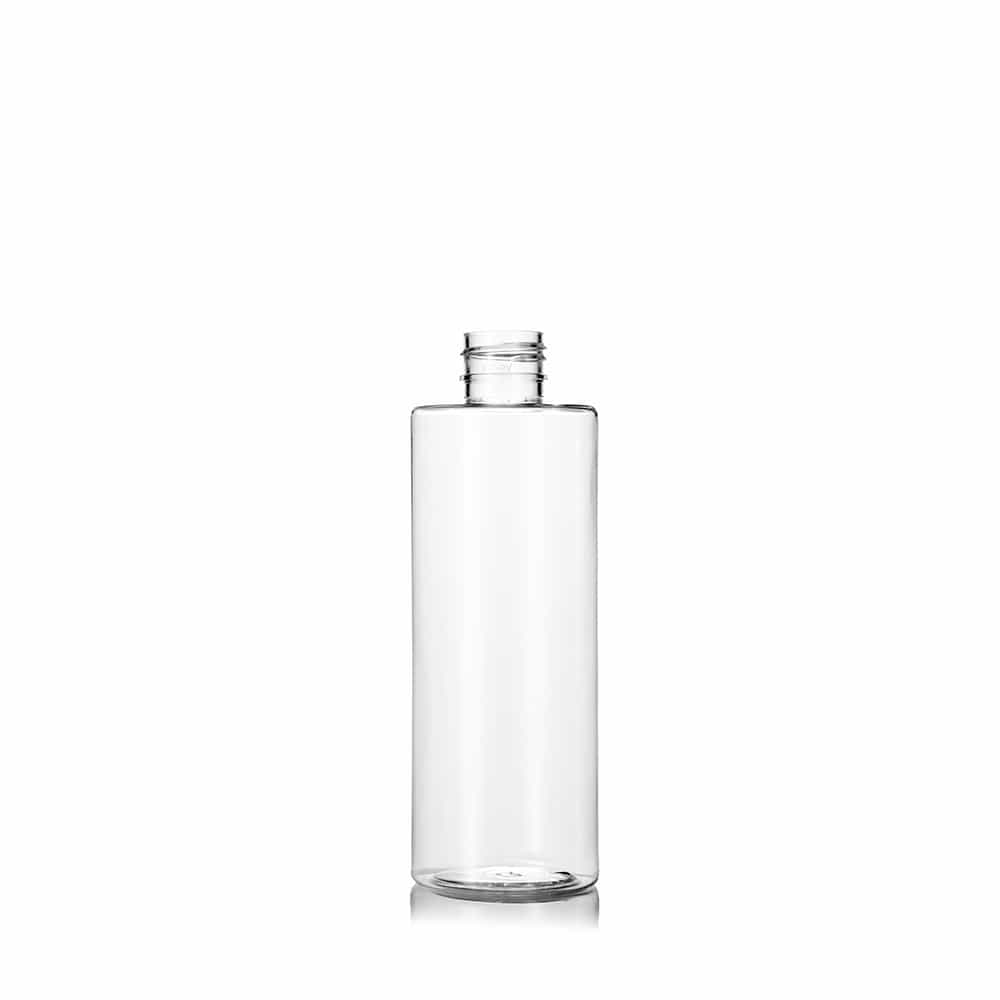
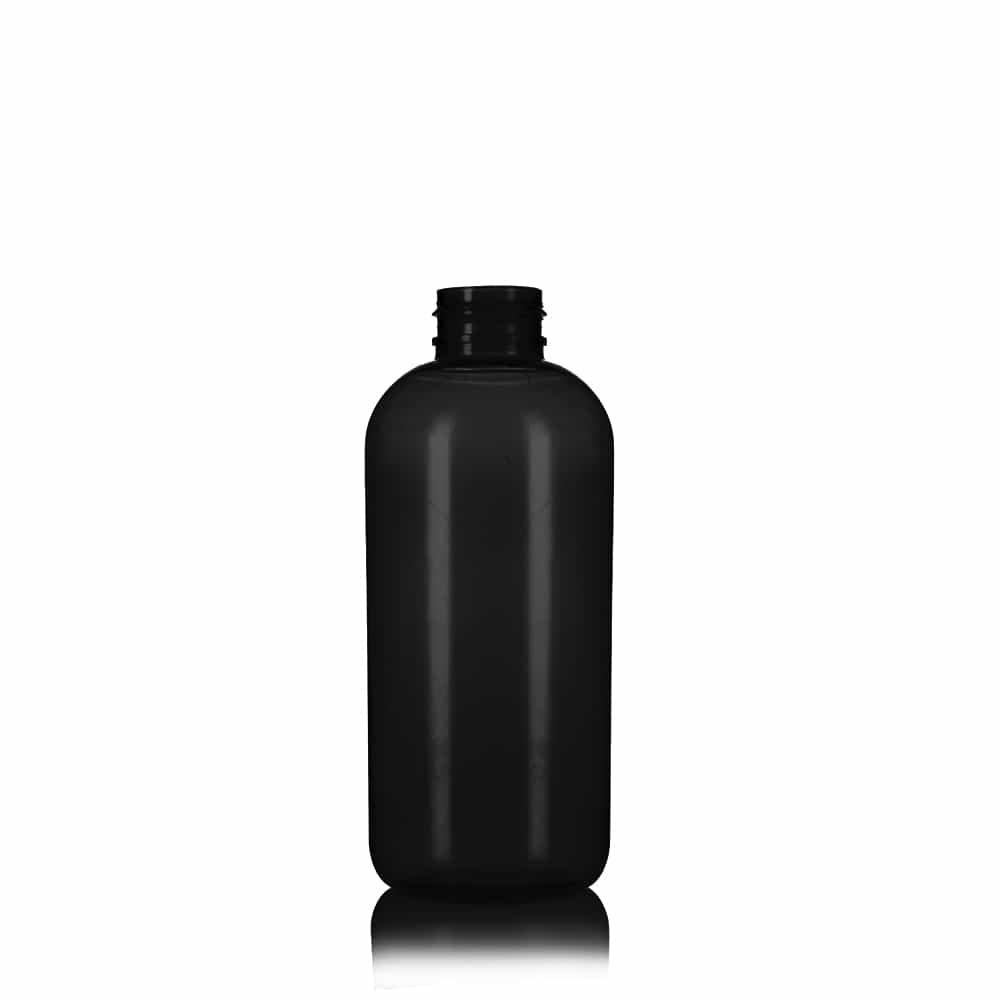
Bottles and closures follow industry standards. A 24-410 neck finish is a 24-410 neck finish regardless of who manufactured the bottle. If your current supplier ships you an 8oz boston round with a 24-410 neck, any other supplier selling the same spec will produce a bottle your existing caps, pumps, and lotion dispensers fit without modification.
The fear of incompatibility is valid. The frequency of actual incompatibility is extremely low when you verify one number: the neck finish.
What Actually Changes When You Switch
Some things change. Most do not. Knowing the difference is what separates a messy transition from a seamless one.
What changes
Wall thickness and weight. Different manufacturers use slightly different mold specs. Your bottles might weigh a few grams more or less. This rarely matters for the product inside, but it can affect how your label sits. Order a sample and test before committing.
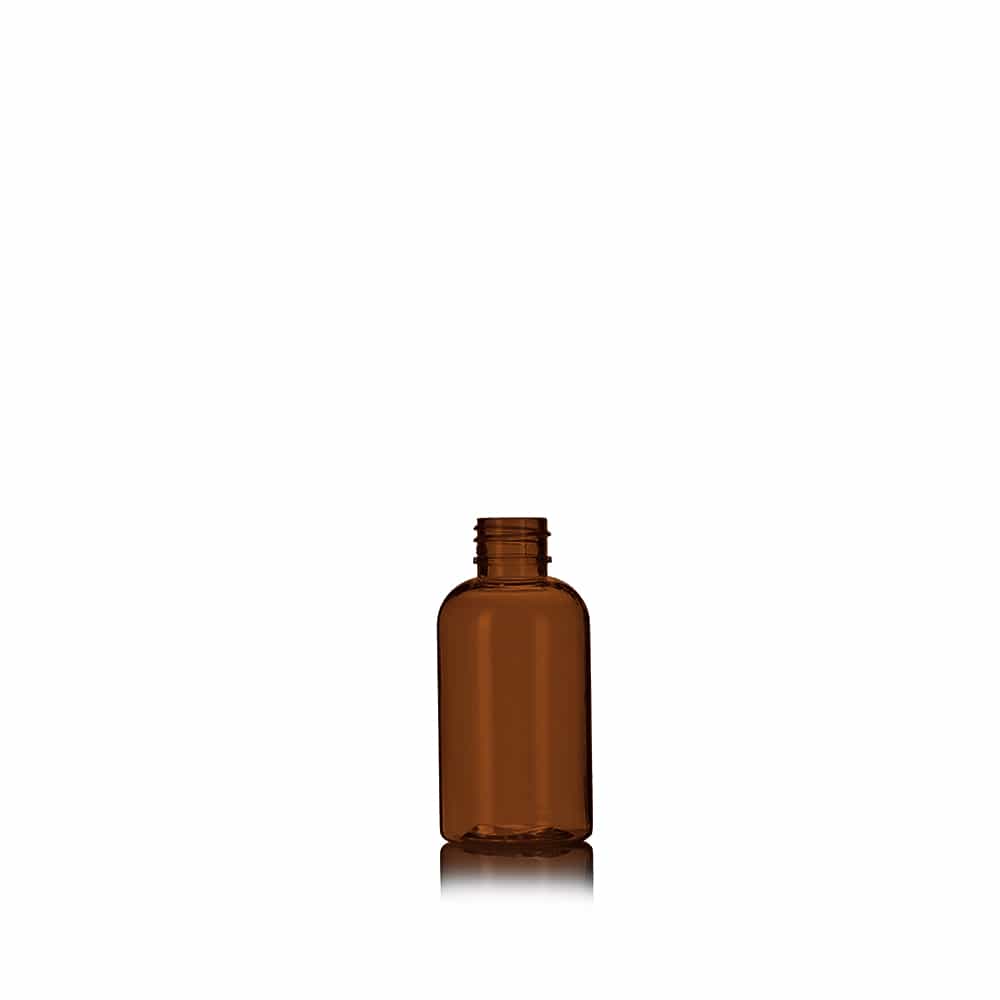
Color consistency. If you use colored bottles, every manufacturer has a slightly different formulation. The amber from Supplier A will not match the amber from Supplier B exactly. For most brands selling shampoo, body wash, or supplements, this does not matter because customers are not comparing bottles side by side on a shelf. But if you sell through retailers where old and new inventory sit next to each other, order samples and verify the color match first.
Pricing and terms. This is usually the reason you are switching. Look at total landed cost, not just the per unit price. Factor in shipping, case pack quantities, payment terms, and whether the new supplier charges for samples.
What does not change
Neck finish compatibility. A 28-410 is a 28-410. Your existing closures, pumps, trigger sprayers, and disc tops will fit any bottle with the same neck finish spec.
Fill volumes. An 8oz bottle from one supplier holds the same liquid volume as an 8oz bottle from another. Overflow capacity (the absolute maximum a bottle can hold when filled to the brim) might differ by a few milliliters, but working fill capacity is standardized.
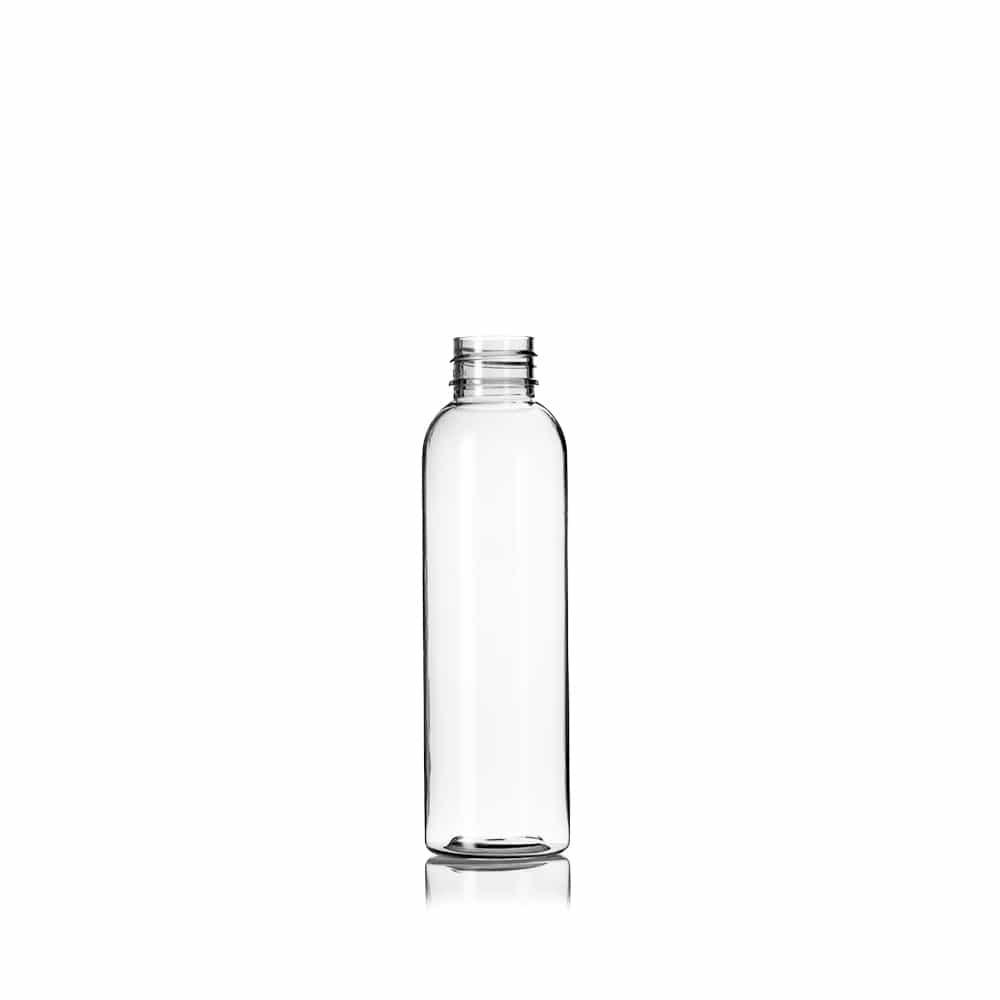
Label dimensions. If you are using the same bottle shape and size, your existing labels will fit. The only exception is if the new bottle has a slightly different panel height or diameter, which happens occasionally with bullet and cosmo shapes. Measure the label area on a sample before reprinting.
Regulatory compliance. PCR content, food contact certifications, and material safety data do not change based on who sells the bottle. They are properties of the resin and the manufacturing process. Ask for the relevant certificates (GRS for recycled content, FDA compliance letters for food contact) and verify them. This is good practice regardless of whether you are switching suppliers or not.
 Two plastic bottles with different closures side by side for comparison
The Parallel Test: How Smart Brands Eliminate Risk
You do not have to quit your current supplier to test a new one. The smartest way to switch is to run both in parallel.
Order a small batch from the new supplier. Two hundred bottles is enough to test everything that matters: how your formula reacts to the resin, how your labels adhere, how the closure seals, and how the fill line handles the bottle. Run that small batch through your actual production process, not just a visual inspection on a desk.
If everything works, shift your next full order to the new supplier. If something does not work, you still have your existing supplier filling orders while you troubleshoot. Zero downtime. Zero risk.
This only works if the new supplier actually sells in small quantities. If they require a 5,000 unit minimum just to test, you are being asked to gamble instead of evaluate. A supplier that will not let you test with 200 bottles is telling you something about how they will treat you after you become a customer.
The Five Questions That Reveal a Bad Supplier
Before you decide whether to switch, verify that the problems you are experiencing are actually supplier problems and not process problems on your end. Ask yourself:
Are lead times getting worse? If your supplier used to ship in five days and now takes three weeks, that is a capacity or prioritization issue on their end. You are being deprioritized.
Do prices increase without explanation? Resin prices fluctuate, and legitimate cost increases happen. But if your invoices go up 15 percent with no advance notice and no explanation of what changed, you are being overcharged because your supplier assumes you will not leave.
Is your rep responsive? If getting a response to a simple question takes four days, that is not a staffing problem. That is a relationship signal. The brands spending more money get faster replies.
Are you hitting MOQ walls? If you need 500 hand soap bottles but your supplier forces you to buy 5,000, they are not built for your business. You are subsidizing their operational model.
Do you have visibility into what you are buying? If you cannot see prices, specs, or material certifications without calling a sales rep, your supplier benefits from your confusion. Transparent pricing and public specs are table stakes in 2026.
If three or more of these apply, you are not getting a supplier relationship. You are getting a vendor who processes your orders. The difference matters.
 Sample order of 200 bottles in a shipping box for supplier testing
What a Good Transition Looks Like
A clean supplier switch takes two to four weeks, not months. Here is the sequence.
Week one. Order samples of your core SKUs from the new supplier. Match the neck finish, volume, and shape to your current bottles. Request material certificates (GRS, FDA compliance) at the same time.
Week two. Run fit tests. Put your caps, pumps, and closures on the new bottles. Fill them with your actual product. Check for leaks, dispensing issues, and label adhesion. If you use foaming bottles, test the foam quality because foamer pumps are more sensitive to bottle geometry than standard closures.
Week three. Place a production order with the new supplier while your current supplier fills your existing pipeline. There should be zero gap in your inventory.
Week four. Evaluate the first production batch. If everything checks out, stop ordering from the old supplier. If something needs adjustment, you still have runway.
The most common mistake is not the switch itself. It is waiting too long to start. Every month you delay costs you the difference between what you are paying now and what you could be paying.
Hidden Costs of Not Switching
The cost of switching gets all the attention. The cost of staying is invisible, which makes it more dangerous.
Overpriced per unit costs. If you have not benchmarked your bottle prices in the last 12 months, you are almost certainly overpaying. The packaging market has shifted significantly, especially for PCR bottles where suppliers like us have eliminated the traditional sustainability premium.
Inflexible order sizes. High MOQs force you to over-order, which ties up cash in inventory. That cash could be spent on marketing, product development, or simply kept in reserve. A brand ordering 5,000 conditioner bottles when they only need 500 is spending ten times more than necessary on packaging inventory.
Opportunity cost of bad service. Every hour you spend chasing your supplier for a tracking number, a spec sheet, or a certificate is an hour you are not spending on your product. If you added up those hours over a year, the number would make you angry.
Compliance risk. If your supplier cannot provide clear documentation on recycled content percentages, you may be out of compliance with California SB 54 requirements without knowing it. The penalties for non-compliance are not theoretical anymore. CalRecycle approved the enforcement regulations in June 2026.
 Supplier evaluation checklist next to plastic bottle samples
How to Compare Suppliers Without Wasting a Month
You do not need to evaluate fifteen suppliers. You need to evaluate two, maybe three. Here is what to compare.
Price transparency. Can you see prices on their website without requesting a quote? If yes, they are confident in their pricing. If no, they are planning to charge you based on how desperate you sound on the phone.
Minimum order quantity. What is the smallest order you can place? This tells you who the supplier is built to serve. If the minimum is 200 units, they are built for growing brands. If the minimum is 5,000, they are built for enterprise procurement teams.
Sample availability. Can you order samples before committing to a full run? If the supplier makes this difficult, walk away. Testing before buying is not optional for packaging.
Material documentation. Can they provide GRS certificates, SCS recycled content verification, or FDA compliance documentation within 48 hours of you asking? If they need to "check with their team" and get back to you in two weeks, their supply chain documentation is a mess.
Catalog depth. Do they carry both bottles and compatible closures? If you are buying bottles from one supplier and essential oil caps from another, you are creating a compatibility risk that does not need to exist.
Frequently asked questions
Will my existing labels fit bottles from a new supplier?+
If you are ordering the same bottle shape and size, your labels will almost certainly fit. The only variable is minor differences in panel height or body diameter between manufacturers. Always order a sample and dry-fit your label before placing a production order. Differences of one or two millimeters can cause a label to wrinkle at the edges or leave a visible gap.
How do I know if my closures will work with new bottles?+
Match the neck finish specification exactly. A 24-410 closure fits any 24-410 bottle regardless of manufacturer. The first number is the diameter in millimeters. The second number is the thread pattern. If both numbers match, the closure will fit. When in doubt, order a sample bottle and physically test every closure you currently use.
What happens to my current supplier relationship if I switch?+
Nothing, unless you have an exclusivity agreement (which is rare for standard bottle orders). Most brands maintain relationships with two suppliers as backup anyway. If your current supplier asks why you are leaving, honest feedback helps the industry improve. But you are not obligated to explain.
How long does a full supplier transition take?+
Two to four weeks for standard bottle and closure orders. Custom molds or proprietary shapes take longer because tooling must be recreated. If you are buying stock shapes (boston round, cosmo round, cylinder), the transition is straightforward and can happen within a single reorder cycle.
Is it worth switching if I only save a few cents per bottle?+
Yes. A few cents per bottle multiplied by thousands of units per year adds up fast. A brand ordering 2,000 bottles per month that saves $0.05 per bottle saves $1,200 per year. That is before factoring in savings from lower MOQs, better service, and reduced time spent managing a difficult supplier relationship. The financial case almost always justifies the switch. The question is whether you will actually do it.

Written by
Queenie FongQueenie Fong is the founder of Propack Solutions, a woman-owned sustainable packaging company based in Ontario, CA. With nearly a decade of experience in the packaging industry, she specializes in post-consumer recycled (PCR) materials, helping brands source rPET, PCR HDPE, and PCR PP packaging that meets regulatory requirements and sustainability goals.