How to Transition to rPET Bottles Under California SB 54


If you sell packaged products in California, SB 54 is pushing packaging toward formats that are recyclable in practice and measurable in reporting. SB 54 creates an extended producer responsibility program for packaging and plastic food service ware, and CalRecycle is still finalizing the permanent regulations through rulemaking.
That uncertainty is exactly why the safest transition path is one you can defend with documentation, component by component, while keeping food and pharma requirements intact.
What SB 54 is pressuring brands to do
SB 54 is tied to statewide targets that include recyclable or compostable packaging by 2032 and escalating recovery and source reduction expectations. Public summaries commonly cite a 25 percent plastic reduction target and a 65 percent recycling rate by 2032.
The practical takeaway is that materials with established recovery pathways are lower risk. For rigid bottles, that usually means PET and HDPE. rPET is attractive because it uses an established PET recovery stream.
Start with what can actually be rPET
Most brands cannot make the entire package recycled content on day one. Not because they do not want to, but because the package is not one material.
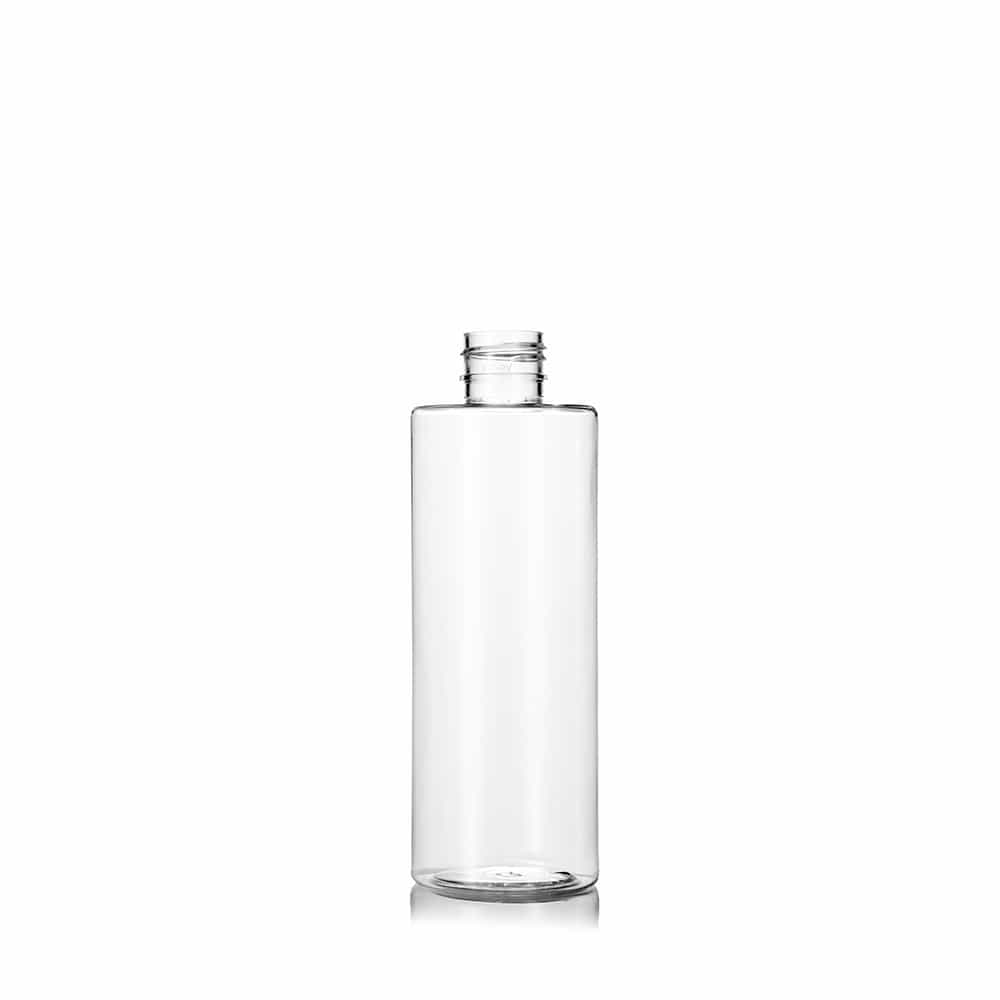
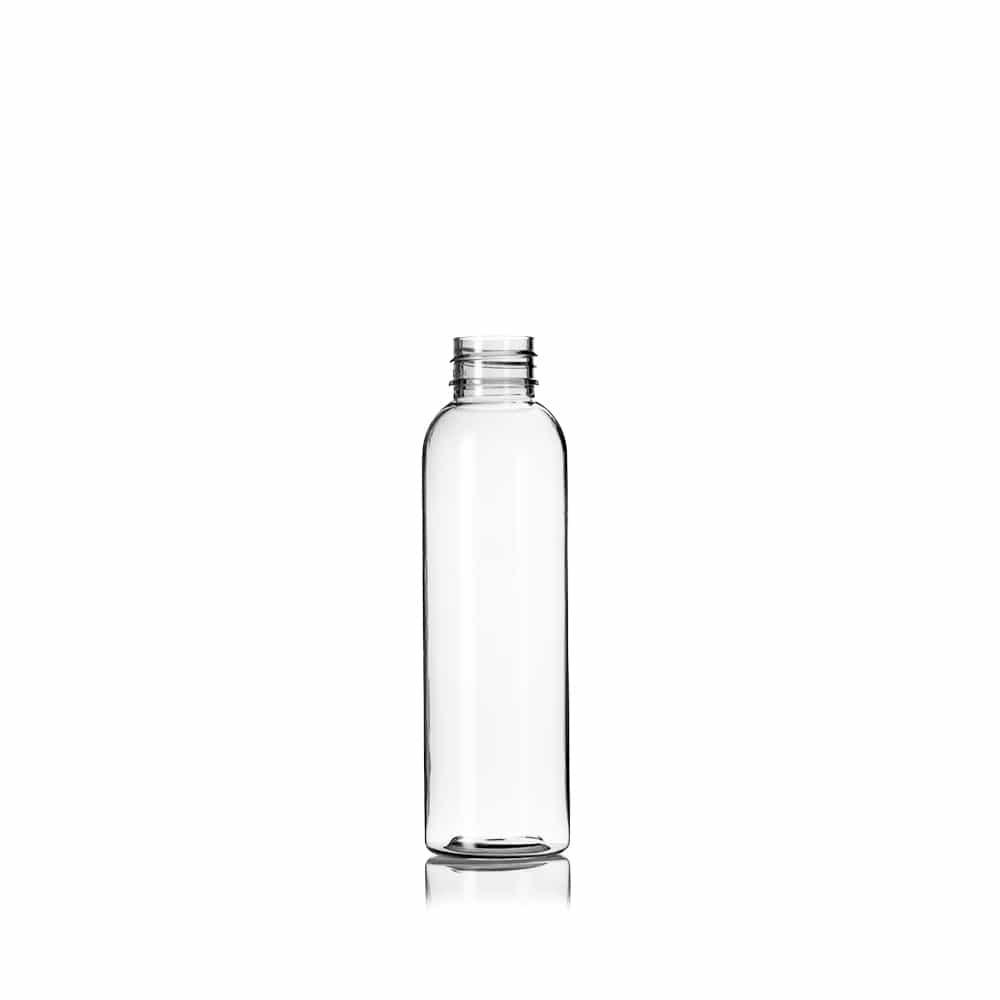
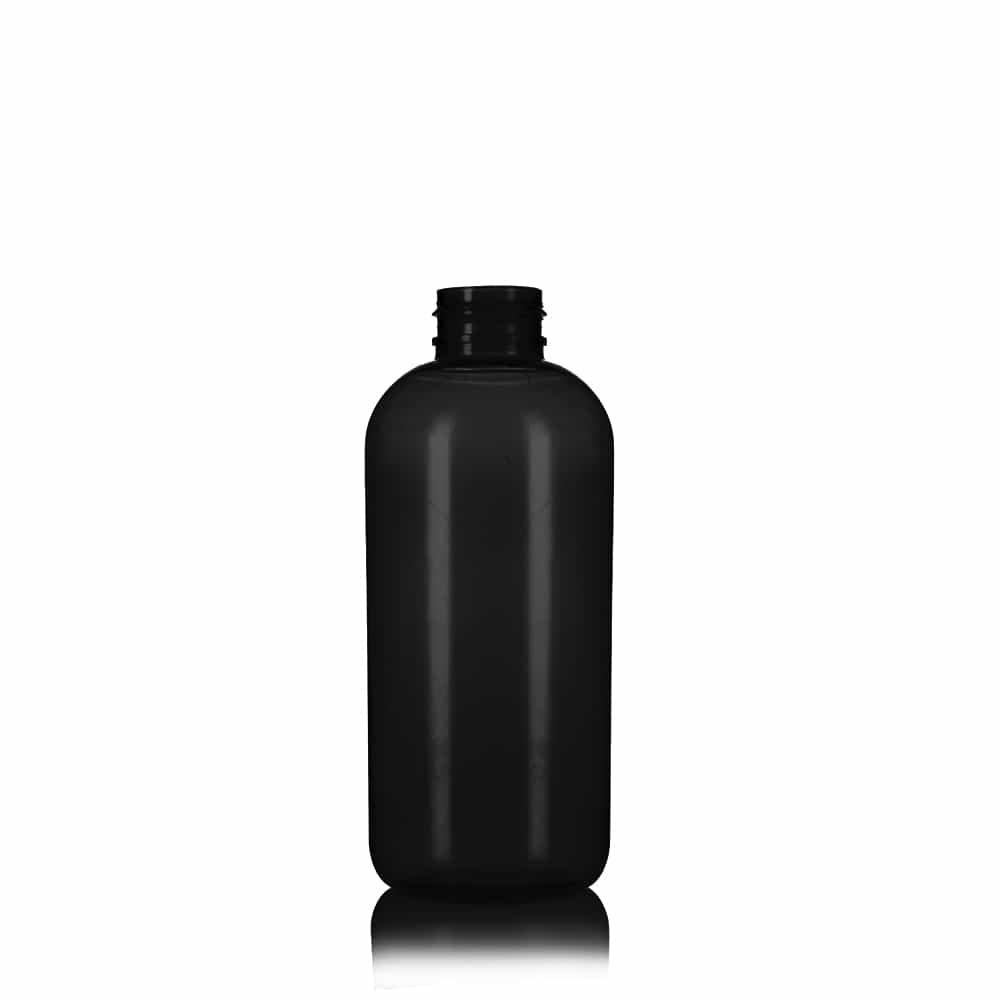
A typical “bottle” system includes the bottle body, cap, liner, label, adhesive, and sometimes a pump or sprayer. The bottle body is usually the largest mass of plastic, and it is also the easiest to convert to rPET without changing how the package is used.
That is why rPET transitions usually begin with the bottle body and leave caps and dispensing systems as a later workstream.
Build your transition phases around constraints, not preferences
rPET bottle body with a compliance buffer for the rest
Move the PET bottle body to rPET at a percentage you can source consistently and validate. Your buffer is everything that is not realistically rPET yet, especially closures and pumps.
Caps are commonly PP, not PET. Pumps and sprayers often include multiple plastics and metal springs. Even if the bottle body is highly recyclable, these components can complicate both recyclability outcomes and recycled content accounting.
If you need a recyclable outcome, design guidance from recyclers emphasizes evaluating every component of a package, not just the base resin.
Recyclability design fixes that protect recovery
After the bottle body, the most common failure points are sleeves, labels, adhesives, and color. Full body sleeves can interfere with sorting and contaminate PET recycling if not designed for removability and compatibility.
This phase is usually where brands make changes that improve real world recyclability without changing the product, such as sleeve material choices, label coverage, adhesive selection, and avoiding pigments that reduce sortability.
Closure strategy, not just closure material
If you want to improve the closure side, treat it as an engineering program. Many closures are PP by design and separate from PET during recycling processes. The goal is often to avoid designs that trap materials together or introduce hard to remove components, not to force everything into one resin.
Food and pharma packaging: what “FDA compliant” really means
For food contact rPET, the critical point is that the FDA’s review is process based. The FDA evaluates recycling processes intended to produce food contact materials and maintains a public database of submissions on post consumer recycled plastics.
Also, FDA “letters of no objection” are not the same thing as a general approval of all recycled plastics. They apply to the specific recycling process and the intended use conditions described.
So the transition requirement for food and pharma is documentation. You need to be able to show that your rPET supply is tied to an acceptable process for your intended use and that your packaging system still meets the relevant performance and safety expectations.
The minimum documentation you should demand from suppliers
For a defensible rPET transition, keep a file that includes the recycled content percentage, resin specs, and traceability. For food contact, keep documentation that links the rPET to an FDA reviewed recycling process and intended use conditions.
For SB 54 readiness, track CalRecycle’s rulemaking updates because the reporting and compliance details are still being finalized and have seen delays and revisions.
How ProPacks fits into this transition
ProPacks supports rPET bottle programs where the bottle body carries the recycled content transition first, while closures and dispensing systems are handled with realistic buffers. We can also support custom solutions when you need a specific neck finish, bottle geometry, or label approach that stays compatible with recyclability targets.
For regulated categories, we support FDA compliant and pharma appropriate packaging requirements through documented material sourcing and component selection aligned to real supply chain constraints. For food contact rPET specifically, we align sourcing with FDA reviewed recycling process expectations and maintain the documentation trail needed for defensible claims.
Frequently asked questions
Does SB 54 require rPET in every bottle?+
SB 54 is an EPR program tied to packaging outcomes and reporting rather than a single universal rPET mandate for every package. CalRecycle’s SB 54 EPR page and rulemaking page are the authoritative sources for the evolving requirements.
Why can the bottle be rPET but the cap is not?+
Because caps are usually PP and pumps often include mixed materials and metal. Most brands transition the bottle body first and treat closures as a separate workstream with a buffer.
Can rPET be used for food packaging?+
It can, when sourced from recycling processes that have been reviewed for food contact use conditions and supported with proper documentation.
What design choices most often break PET bottle recyclability?+
Full body sleeves, incompatible label materials, problematic adhesives, and certain colorants are common issues. Recycler guidance such as APR design guidance is the standard reference point for evaluating these risks.
What is the deadline for California SB 54 recycled content requirements?+
California SB 54 phased in recycled content requirements starting in 2022. Plastic beverage containers must contain 15% postconsumer recycled content by 2022, 25% by 2025, and 50% by 2030. Non-beverage plastic packaging has separate thresholds and timelines. Brands should review the specific requirements for their packaging format and confirm compliance with their packaging suppliers.
Do I need to update my packaging labels when switching to rPET under SB 54?+
SB 54 does not require brands to label PCR content on their packaging, though voluntary disclosure is encouraged and common. If you choose to make a recycled content claim on your label, it must comply with FTC Green Guides: be specific about percentage, be accurate, and be substantiated with supplier documentation. Claims like 'made with 50% postconsumer recycled content' are preferred over vague terms like 'eco-friendly' or 'sustainable.'

Written by
Queenie FongQueenie Fong is the founder of Propack Solutions, a woman-owned sustainable packaging company based in Ontario, CA. With nearly a decade of experience in the packaging industry, she specializes in post-consumer recycled (PCR) materials, helping brands source rPET, PCR HDPE, and PCR PP packaging that meets regulatory requirements and sustainability goals.