How to Choose the Right Bottle and Closure for Your Beauty Product


Choosing the wrong closure for a beauty product bottle is one of the most expensive mistakes a brand can make, and it happens more often than anyone in the industry likes to admit. A single mismatched neck finish means your entire order of caps, pumps, or sprayers will not fit. You cannot force a 24-410 closure onto a 24-400 bottle. The threads are different. The seal will fail. The product leaks. The inventory is dead.
This guide exists to prevent that. It covers how bottle neck finishes work, how to read the numbering system, how to match closures to bottles, and how to cut a dip tube to the correct length. If you are launching a beauty or personal care product and sourcing packaging for the first time, this is the technical reference you need before placing an order.
How Bottle Neck Finishes Work
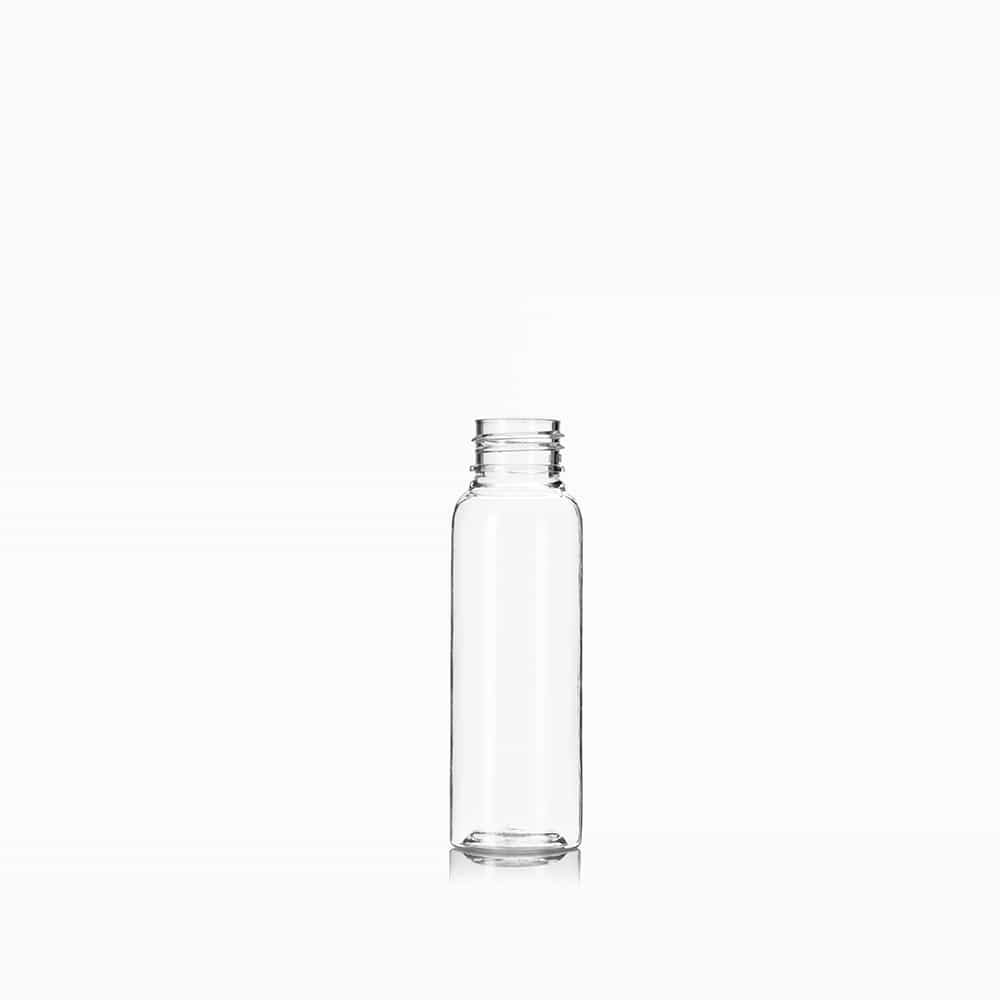
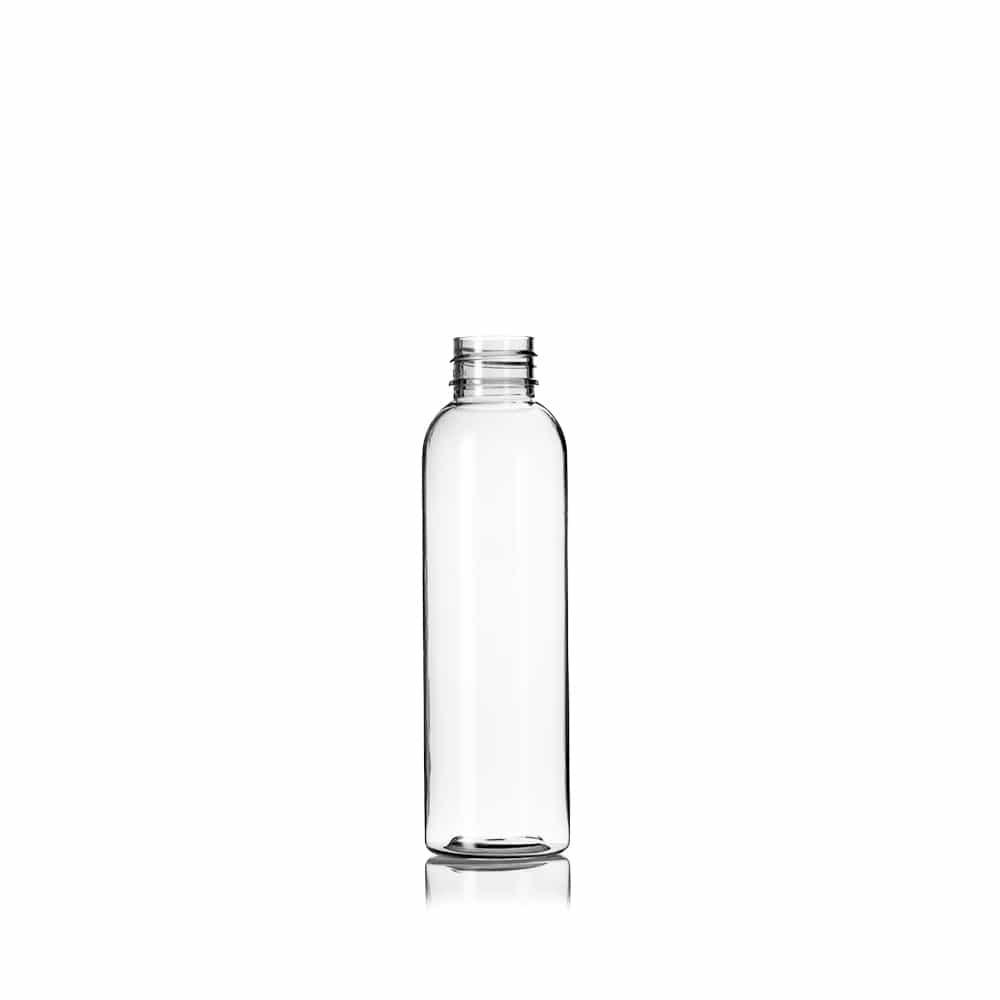
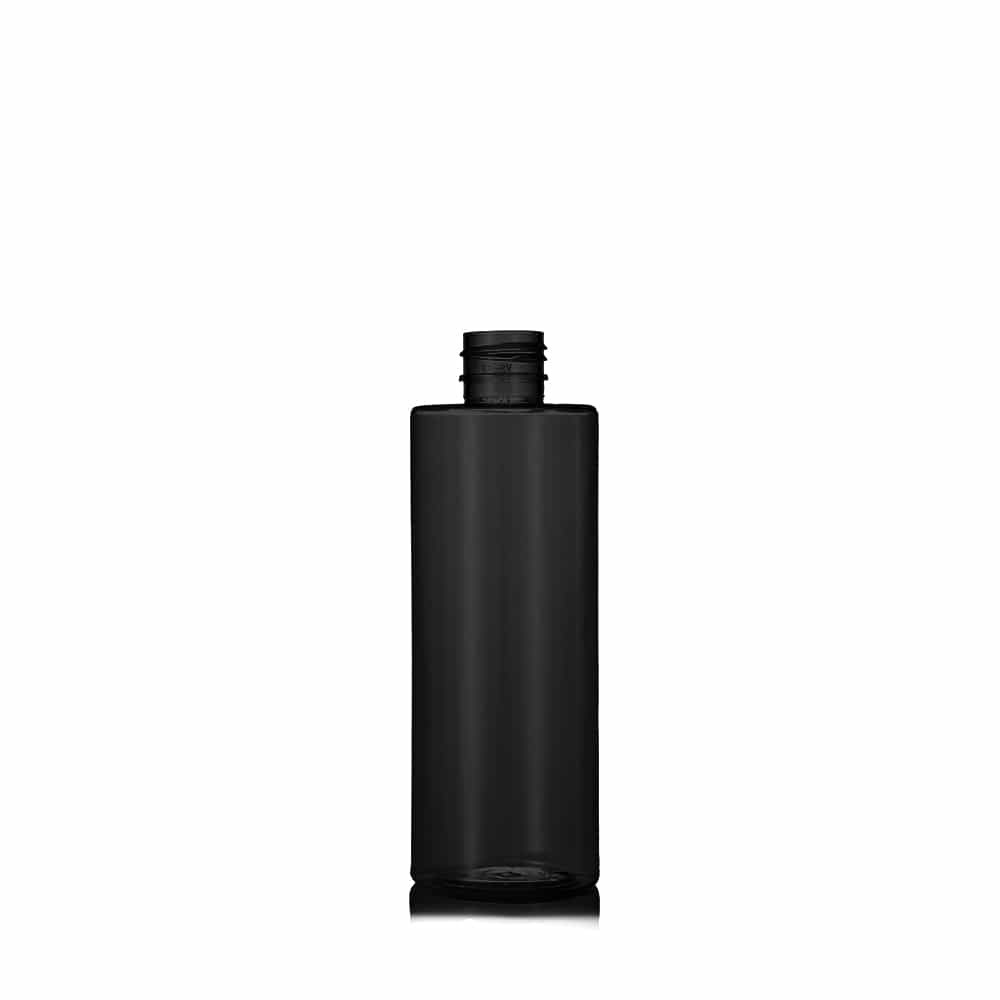
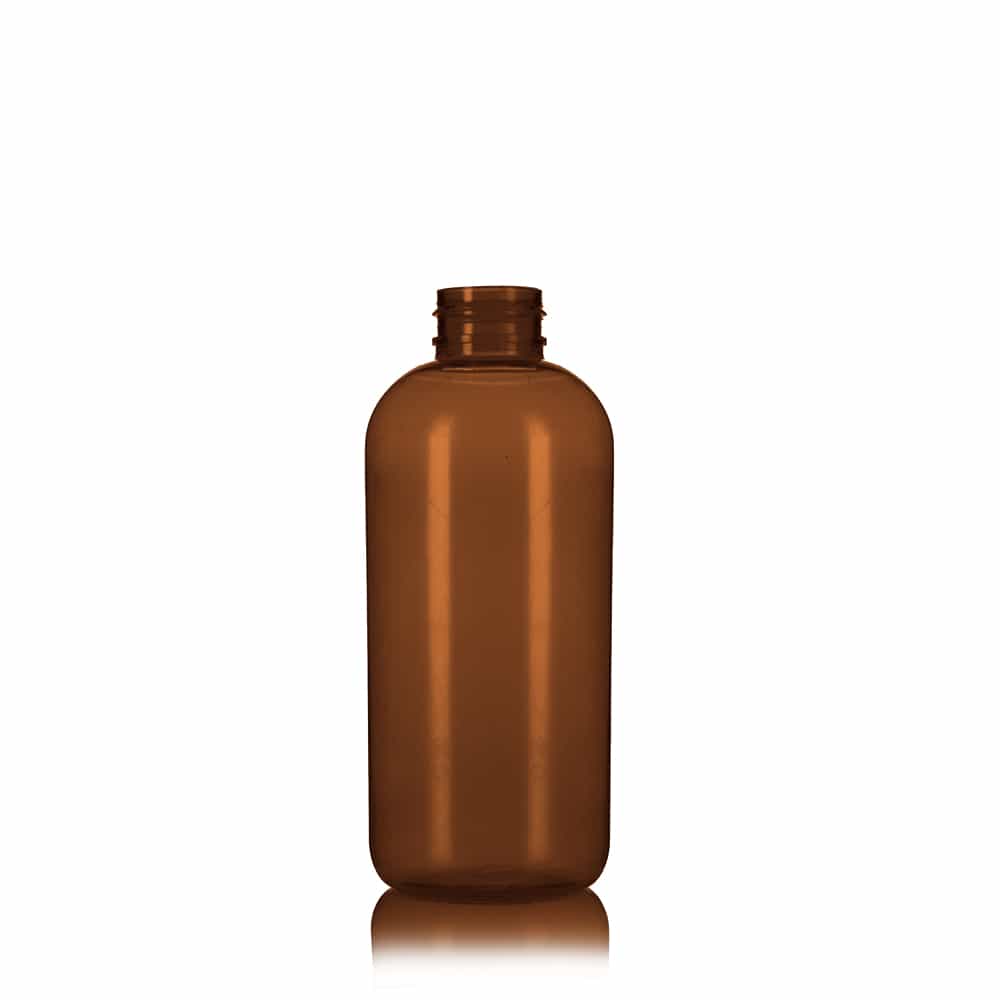
Every bottle has a neck finish, which is the threaded or snap-fit opening where the closure attaches. The neck finish determines which closures are compatible with the bottle. Get it right and everything seals properly. Get it wrong and nothing works.
According to Paramount Global's technical guide on bottle neck finishes, the neck is "the narrowest part of the bottle" where the design tapers from the body diameter to the mouth opening. The critical measurements are:
T (thread diameter). The outer diameter of the threads on the bottle neck, measured in millimeters. This is the first number in the neck finish code.
E (external thread height). The distance from the top of the bottle to the bottom of the last thread.
I (internal diameter). The inner opening of the bottle neck, which determines how much product can flow through.
S (thread style/turns). The number and pattern of threads, which determines how the closure engages. This is the second number in the neck finish code.
Reading the Neck Finish Code
The code "24-410" means:
- 24 = 24mm thread diameter
- 410 = 410 thread style (a specific pattern defined by the GPI, Glass Packaging Institute, which standardized thread patterns for both glass and plastic)
Common neck finishes for beauty and personal care:
| Neck Finish | Typical Use | Common Closures |
|---|---|---|
| 20-410 | Serums, eye drops, small bottles (1-2 oz) | Treatment pumps, fine mist sprayers, droppers |
| 24-410 | Lotions, shampoos, body washes (4-16 oz) | Disc-top caps, flip-top caps, lotion pumps |
| 24-400 | Similar to 24-410 but different thread pattern | Not interchangeable with 24-410 closures |
| 28-410 | Larger bottles (16-32 oz) | Pumps, sprayers, disc-tops |
| 28-400 | Beverage-style bottles | Press-on caps, flip-tops |
| 30-400 | Personal care, larger format | Disc-tops, snap caps |
| 42-410 | Wide-mouth jars and bottles | Jar caps, wide flip-tops |
The critical rule: the thread style number (410, 400, etc.) must match between bottle and closure. A 24-410 bottle takes a 24-410 closure. A 24-400 bottle takes a 24-400 closure. They are not interchangeable despite having the same diameter. The thread pitch, depth, and engagement pattern are different.
This is where new brands most commonly make errors. They see "24mm" on the bottle spec and "24mm" on the closure spec and assume compatibility. Without matching the second number, the closure may thread on loosely, fail to seal, or cross-thread and strip.
Choosing the Right Closure Type for Your Product
The closure is not just a cap. It is part of the user experience, and different formulations demand different dispensing mechanisms.
Disc-top caps. The workhorse of personal care packaging. User flips the disc to dispense and closes it flat. Best for: lotions, shampoos, conditioners, body washes, and any pourable liquid with medium viscosity. Pros: simple, low cost, reliable seal. Cons: not ideal for very thick formulas (hard to squeeze out) or very thin ones (can drip).
Flip-top caps. Hinged cap that snaps open and closed. Similar use case to disc-tops but with a more "premium" feel. Common in hair care. Pros: one-hand operation, audible snap closure. Cons: hinge can wear over time with heavy use.
Treatment pumps. Small-output pumps typically paired with 20-410 neck bottles. Designed for precise dispensing of serums, foundations, and oils. Pros: controlled dose, minimal air exposure. Cons: higher cost per unit, dip tube must be cut to length.
Lotion pumps. Larger-output pumps for body lotions, hand creams, and conditioners. Usually paired with 24-410 or 28-410 necks. Pros: high-viscosity formulas dispense easily, no squeezing required. Cons: pump mechanism adds to cost, spring mechanism can fail with very thick products.
Fine mist sprayers. For toners, setting sprays, body mists, and room sprays. The spray pattern and droplet size matter. Pros: even coverage, premium feel. Cons: highest closure cost, clogs with particle-containing formulas, dip tube critical.
Dropper assemblies. Glass or plastic pipette with a rubber bulb. Standard for facial serums and oils. Usually paired with 18-410 or 20-400 neck finishes. Pros: precise control, premium aesthetic. Cons: not mess-free, bulb can degrade with certain essential oils.
For reading bottle specs including overflow capacity and label dimensions, see our bottle dimensions guide.
How to Measure and Cut a Dip Tube
Every pump, sprayer, and treatment pump uses a dip tube: the plastic straw that extends from the closure down into the bottle to draw product up. The dip tube length must be cut to match the specific bottle you are using.
Container and Packaging's technical guide breaks this into seven steps, but the core formula is simple:
Correct dip tube length = inner height of the bottle minus 0.25 inches
The 0.25-inch gap prevents the dip tube from pressing against the bottom of the bottle, which would block product flow.
How to measure inner height:
- Find the top of the closure gasket (the rubber or plastic seal on the underside of the pump collar).
- Insert a thin rod or straw straight down into the bottle until it touches the bottom.
- Mark the rod at the point where it meets the gasket.
- Measure from the mark to the bottom end.
- Subtract 0.25 inches.
Berlin Packaging's guide adds an important note: the measurement should be taken with the closure hand-tightened onto the bottle, not loosely placed. The compression from threading changes the effective internal height by a few millimeters, which matters for short bottles.
Common mistakes:
- Measuring from the top of the bottle neck instead of from the gasket. This gives you a tube that is too long.
- Using the manufacturer's "bottle height" spec, which is the external dimension including the neck. Internal height is always shorter.
- Not accounting for wall thickness differences between virgin and PCR bottles. PCR bottles can have slightly thicker walls, reducing the internal height by 1 to 2mm.
If you are ordering pre-cut dip tubes from your closure supplier, always specify the exact bottle model you are using and request a sample assembly before placing a production order.
Matching Bottles and Closures: A Practical Checklist
Before placing any order, verify these five things:
1. Neck finish codes match exactly. Both numbers. 24-410 to 24-410. Not "close enough."
2. Material compatibility. PP closures on PET bottles work. PP closures on PP bottles work. Avoid mixing materials that have significantly different thermal expansion rates, which can cause closures to loosen or tighten unpredictably with temperature changes.
3. Liner/gasket is appropriate for your formula. Some closures include foam liners, pressure-sensitive liners, or induction seals. If your product contains solvents (nail polish remover, alcohol-based toners), verify that the liner material is chemically compatible. Standard PE foam liners work for most water-based and oil-based cosmetics.
4. Dip tube is cut and tested. Do not ship product with an untested dip tube length. Fill the bottle with product, assemble the pump or sprayer, and actuate it 20 times. Product should dispense smoothly from the first pump and draw down to within 5 percent of the bottom of the bottle.
5. Closure torque is appropriate. Over-tightened closures are hard for customers to open. Under-tightened closures leak in transit. If your filling operation uses automatic capping equipment, calibrate the torque setting with your specific bottle and closure combination.
Sourcing PCR Bottles with the Right Neck Finish
All of the technical requirements above apply equally to virgin and PCR bottles. The recycled content of the plastic does not change the neck finish specifications, the thread standards, or the closure compatibility rules.
What PCR does change:
- Wall thickness tolerance. PCR bottles may have slightly wider wall thickness tolerance than virgin, which affects internal dimensions and dip tube length. Always measure the actual bottle, not the spec sheet.
- Color options. PCR PET has a slight tint. If color matching is critical for your brand, request samples in the specific PCR percentage you plan to order.
- Availability by neck finish. Not every PCR supplier stocks every neck finish. The most widely available PCR neck finishes are 24-410, 20-410, and 28-410. Specialty finishes (18-415 for droppers, 33-400 for wide-mouth jars) may have longer lead times in PCR.
Propacks stocks PCR bottles in the most common beauty and personal care neck finishes (24-410, 20-410, 28-410, 42-410) with matched closures, eliminating the compatibility guesswork. If you are sourcing bottles and closures separately from different suppliers, the verification steps above are not optional.
Quick Reference: Most Common Beauty Packaging Configurations
| Product | Bottle Size | Neck Finish | Closure | Notes |
|---|---|---|---|---|
| Facial Serum | 1 oz / 30ml | 20-410 | Treatment pump or dropper | Cut dip tube to inner height minus 0.25" |
| Facial Toner | 4 oz / 120ml | 24-410 | Fine mist sprayer | Verify spray pattern with sample |
| Body Lotion | 8 oz / 240ml | 24-410 | Lotion pump | Need pump rated for viscous formula |
| Shampoo | 10 oz / 300ml | 24-410 | Flip-top or disc-top | PCR HDPE for shower durability |
| Conditioner | 10 oz / 300ml | 24-410 | Flip-top or disc-top | Wide-mouth option for thick formulas |
| Body Wash | 16 oz / 480ml | 28-410 | Lotion pump or disc-top | Larger neck for higher-volume dispensing |
| Hair Oil | 2 oz / 60ml | 20-410 | Treatment pump | PCR PET, verify EO compatibility |
This is not a suggestion list. These are the configurations that work. Deviate from them when you have a specific product reason to deviate, not because a custom bottle looks cooler on Instagram.

Written by
Queenie FongQueenie Fong is the founder of Propack Solutions, a woman-owned sustainable packaging company based in Ontario, CA. With nearly a decade of experience in the packaging industry, she specializes in post-consumer recycled (PCR) materials, helping brands source rPET, PCR HDPE, and PCR PP packaging that meets regulatory requirements and sustainability goals.