How to Choose the Right Bottle Material: PET, PETG, HDPE, and LDPE


The material your bottle is made from affects chemical compatibility, recyclability, clarity, flexibility, and how well it holds up to the formulas inside it. Choosing the wrong material can cause leaching, cloudiness, bottle deformation, or pump failure. This guide covers the four plastics Propacks bottles are available in and which applications each one is built for.
PET (Polyethylene Terephthalate)
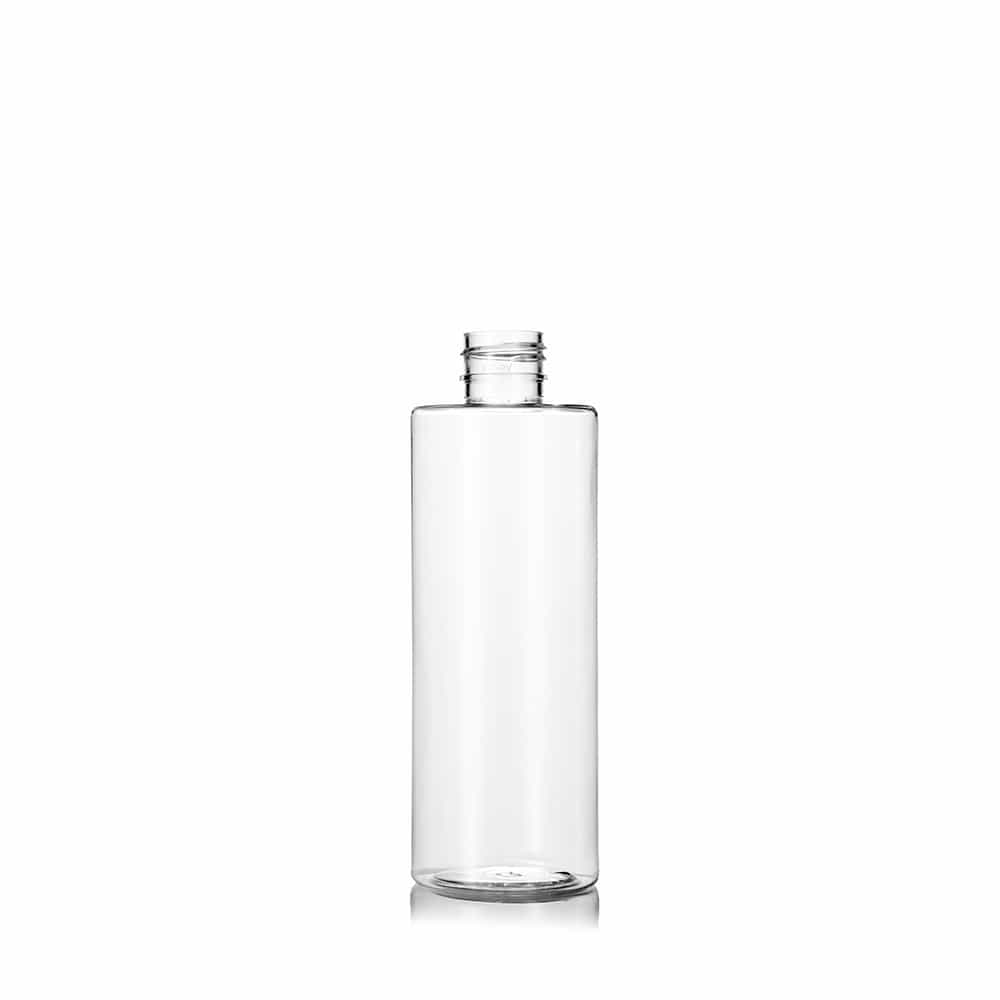
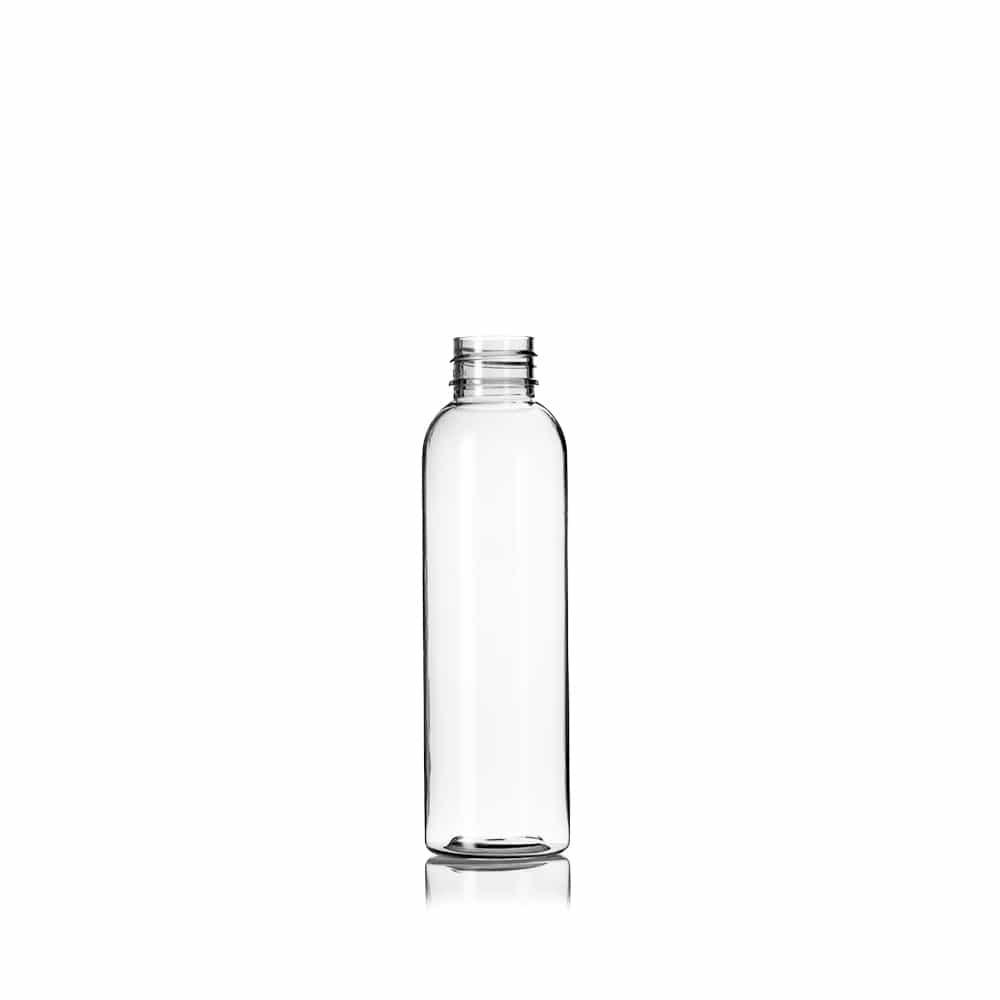
PET is the most widely used plastic in personal care and consumer packaging. It is lightweight, strong, and produces bottles with excellent clarity, making it the default choice when brands want a clear bottle that shows off the formula inside. PET has good barrier properties against moisture and gas, which keeps product integrity intact over a standard shelf life. It is also highly compatible with most personal care formulas including water-based serums, toners, and cleansers, as well as many household cleaning products.
PET carries resin code 1, the most recognized and widely accepted code in municipal recycling programs across the United States and internationally. This makes PET the easiest plastic to position in sustainability messaging and the most straightforward to certify as recyclable under programs like How2Recycle.
Best for: facial toners, serums, body mists, shampoo, conditioner, hand soap, household cleaners, liquid supplements
Industries that use it most: skincare, personal care, household cleaning, wellness, food and beverage
Avoid for: products containing strong solvents, essential oils at high concentration, or products requiring hot fill above 60 degrees Celsius
PCR note on PET
rPET (recycled PET) has the strongest post-consumer supply chain of any plastic. It is produced at scale from collected beverage bottles and personal care packaging, which means rPET is widely available and cost-competitive at 25, 50, and 75 percent recycled content. rPET is the most practical choice for brands targeting SB 54 compliance without significant cost premium. At high rPET percentages, expect some reduction in clarity compared to virgin PET, ranging from a faint haze at 50 percent to more visible cloudiness at 75 to 100 percent.
PETG (Polyethylene Terephthalate Glycol)
PETG is a modified version of PET with glycol added during polymerization. The modification produces a plastic that is clearer, more impact-resistant, and more chemically resistant than standard PET. PETG does not shatter or crack under impact the way standard PET can, and it handles a broader range of cosmetic and fragrance formulas without crazing or clouding. These properties make it the preferred material in prestige cosmetics and specialty skincare where both appearance and formula compatibility are non-negotiable.
PETG is also used in packaging for products that experience temperature variation during shipping or retail storage, since it tolerates thermal stress better than standard PET. It is more expensive than PET and HDPE, which positions it in premium and mid-premium packaging tiers.
Best for: prestige skincare, facial oils, fragrance, specialty cosmetics, products with complex ingredient profiles, packaging where crystal clarity is a brand requirement
Industries that use it most: prestige and luxury cosmetics, skincare, fragrance, specialty personal care
Avoid for: cost-sensitive commodity products where the price premium is not justified by formula or brand requirements
PCR note on PETG
PETG has a significantly smaller post-consumer recycling stream than standard PET. rPETG availability is limited and the material is more expensive at recycled content percentages. Brands targeting high PCR content for SB 54 compliance will find standard rPET a more practical path. If PETG is required for formula or aesthetic reasons and PCR content is also a priority, work directly with your supplier on minimum order requirements and certification documentation.
HDPE (High-Density Polyethylene)
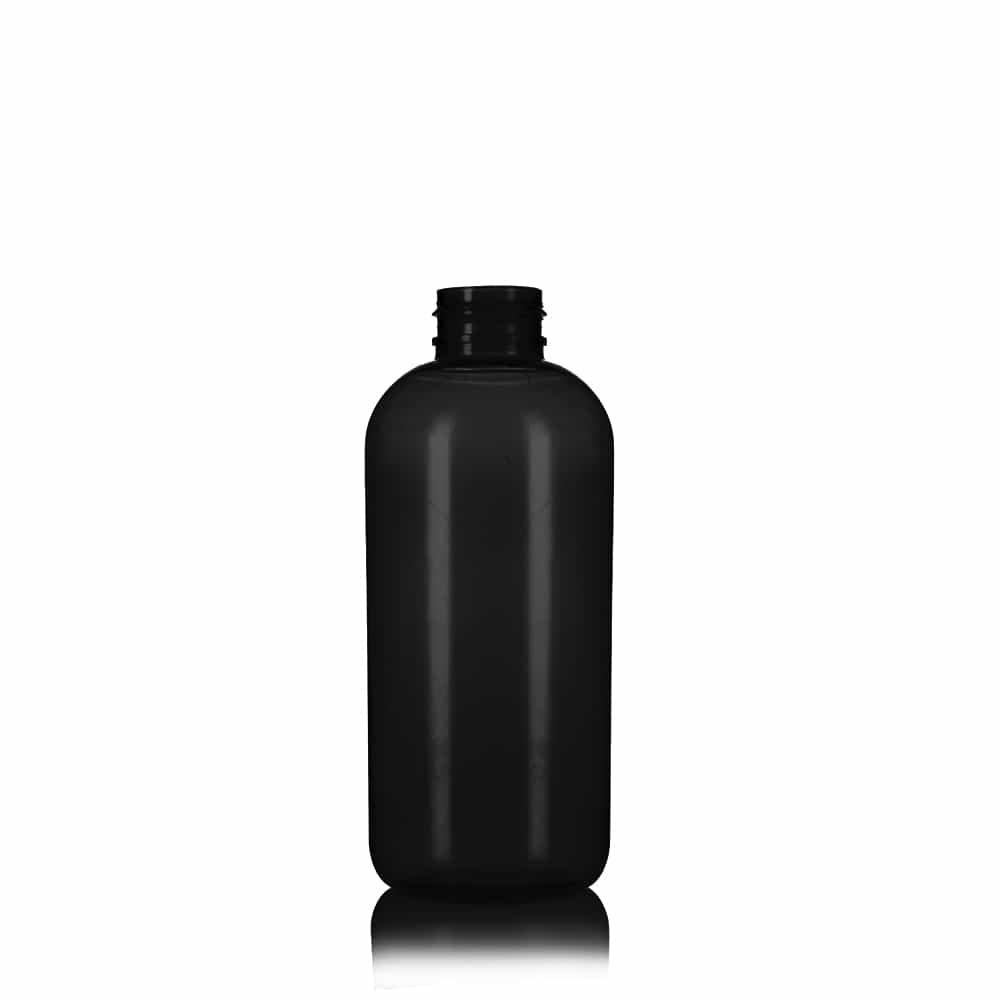
HDPE is the workhorse of the personal care and household cleaning industries. It is rigid, chemical-resistant, and compatible with a wider range of formulas than PET or PETG, including products containing essential oils, surfactants, bleach, and other chemically aggressive ingredients that would attack PET. HDPE bottles are naturally opaque or translucent rather than clear, which limits clarity as a design option but adds light-blocking properties that benefit light-sensitive formulas without requiring colored pigment.
HDPE carries resin code 2 and is accepted in nearly all curbside recycling programs alongside code 1 PET. It has the second-strongest post-consumer recycling infrastructure after PET.
Best for: shampoo, conditioner, body wash, household cleaners, bleach-based products, essential oil-heavy formulas, products with strong surfactant concentrations, supplements and powders in rigid bottles
Industries that use it most: personal care, household cleaning, nutraceuticals, industrial and commercial cleaning, agricultural
Avoid for: applications requiring crystal clarity, since HDPE does not produce transparent bottles
PCR note on HDPE
rHDPE has a well-developed supply chain from collected personal care and household cleaning bottles. It is available at 25, 50, and higher recycled content percentages. rHDPE is the most reliable PCR material for opaque bottles including white, natural, and colored formats. As noted in the color guide, the main consideration at high rHDPE percentages is color consistency: natural and amber are the easiest to achieve cleanly, while bright white becomes increasingly off-white as PCR percentage rises.
LDPE (Low-Density Polyethylene)
LDPE is a softer, more flexible version of polyethylene that produces squeezable bottles and tubes. Where HDPE is rigid, LDPE flexes easily under hand pressure, making it the material of choice for products dispensed by squeezing the body of the bottle rather than using a pump or closure mechanism. The personal care and food industries use LDPE for products where squeeze dispensing is part of the user experience: condiment bottles, squeeze tubes for topical creams and ointments, and flexible packaging for thick formulas that would not flow easily through a pump.
LDPE carries resin code 4. It is less widely accepted in curbside recycling programs than codes 1 and 2, though many grocery store drop-off programs and specialty recycling streams accept it. This is an important consideration for brands with strong sustainability messaging since LDPE has a lower recycling rate than PET or HDPE in most markets.
Best for: squeeze bottles for sauces and condiments, topical creams and ointments in squeeze format, thick body butters dispensed by squeezing, flexible tubes for personal care
Industries that use it most: food, pharmaceutical and OTC topicals, personal care for squeeze-format products, cosmetics in tube format
Avoid for: products where recyclability messaging is central to the brand, or for any formula requiring a rigid bottle structure
PCR note on LDPE
Post-consumer rLDPE supply is more limited than rPET or rHDPE. The lower recycling rate of code 4 plastic means less collected material flows back into the supply chain. rLDPE is available but typically at higher cost and lower volume than the other materials in this guide. Brands prioritizing PCR content and SB 54 compliance with the cleanest path forward will find PET or HDPE the more practical choice.
How to Match Material to Product
Use this as a quick reference:
- Clear bottle needed, standard personal care formula: PET
- Crystal clear bottle needed, prestige cosmetics or fragrance: PETG
- Chemical-resistant opaque bottle, essential oils or surfactants: HDPE
- Squeezable bottle for thick or viscous formulas: LDPE
- Highest PCR content availability: PET (rPET) or HDPE (rHDPE)
- SB 54 compliance with lowest cost premium: rPET or rHDPE
Frequently asked questions
What is the difference between PET and PETG?+
PET is the standard clear plastic used across personal care and consumer packaging. PETG is a modified version with added glycol that produces greater clarity, impact resistance, and chemical resistance. PETG is used in prestige and specialty applications where standard PET is not sufficient. It is more expensive than PET.
Can I use a PET bottle for essential oils?+
Not at high concentrations. Essential oils at significant concentration levels can attack PET and cause crazing, cloudiness, or structural weakness over time. HDPE or PETG are the correct choices for essential oil formulas.
Which material is easiest to get in high PCR content?+
PET (rPET) and HDPE (rHDPE) have the strongest post-consumer recycling supply chains and are the most practical for high PCR content. rPET is particularly well-supplied because of the beverage bottle recycling stream.
Is LDPE recyclable?+
LDPE carries resin code 4 and is not widely accepted in curbside recycling programs. Many grocery store drop-off programs accept it. If recyclability is important to your brand messaging, PET or HDPE offer stronger recycling infrastructure and cleaner sustainability claims.
What material should I choose to meet SB 54 requirements?+
Both rPET and rHDPE are practical options for meeting SB 54 recycled content thresholds. rPET is available at 25, 50, and higher percentages with strong supply. rHDPE is similarly available. Work with your supplier to confirm certification documentation for any recycled content claims.
Does bottle material affect which closure I can use?+
Material does not directly affect closure compatibility. The neck finish determines which closure fits. However, LDPE squeeze bottles typically do not use pump or disc top closures since the flexible walls are incompatible with the vacuum draw those closures require.

Written by
Queenie FongQueenie Fong is the founder of Propack Solutions, a woman-owned sustainable packaging company based in Ontario, CA. With nearly a decade of experience in the packaging industry, she specializes in post-consumer recycled (PCR) materials, helping brands source rPET, PCR HDPE, and PCR PP packaging that meets regulatory requirements and sustainability goals.