Amazon FBA Packaging for Bottles: Seals, Labels and Sample Selection


For a US brand selling filled bottles through Amazon FBA, the useful starting point is the complete retail pack: bottle, closure, liner, any dispenser, protective packaging and barcode. A matching neck finish narrows the component choices, but it does not establish seal performance or Amazon acceptance. Order and test that assembly before committing to a production run.
This guide covers non-aerosol liquid products for the US marketplace. Product eligibility, dangerous-goods classification and the current preparation instructions for your ASIN must be checked separately. The bottle-and-lid examples below are candidates for sampling, not pre-approved FBA packages.
Images illustrate generic packaging concepts, not actual Propacks SKUs, Amazon approval or validated test results. Propacks is an independent packaging supplier.
Choose the Bottle Around the Fill and Customer Use
Start with the formula, intended fill and how the customer will dispense it. A pourable product can be evaluated in a bottle with a screw-off lid. A lotion, controlled-dose treatment or spray usually calls for a different dispensing system; a shipping lid does not replace that customer requirement.
Compare the actual filled samples for grip, pouring, headspace and label space. Check compatibility with the bottle, liner and all other contact materials. Neither PET nor HDPE is suitable for every oil, solvent, fragrance or concentrate simply because it is a familiar packaging resin.
Bottle color is another specification, not a stability guarantee. Clear bottles make the fill visible, but a light-sensitive formula needs evidence for the chosen package. See the bottle neck finish guide before matching components: the full finish, such as 20-410 or 24-410, matters, not just the first number.
Two Bottle and Lid Combinations to Sample
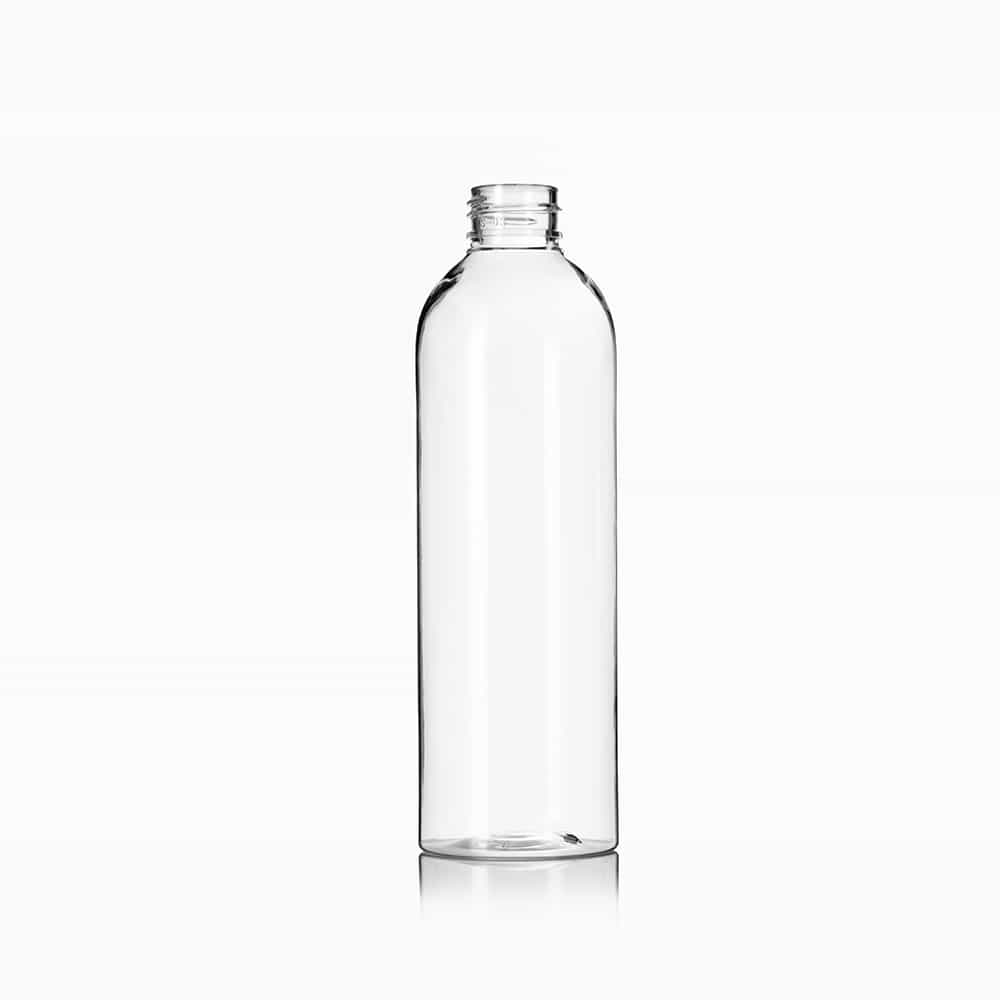
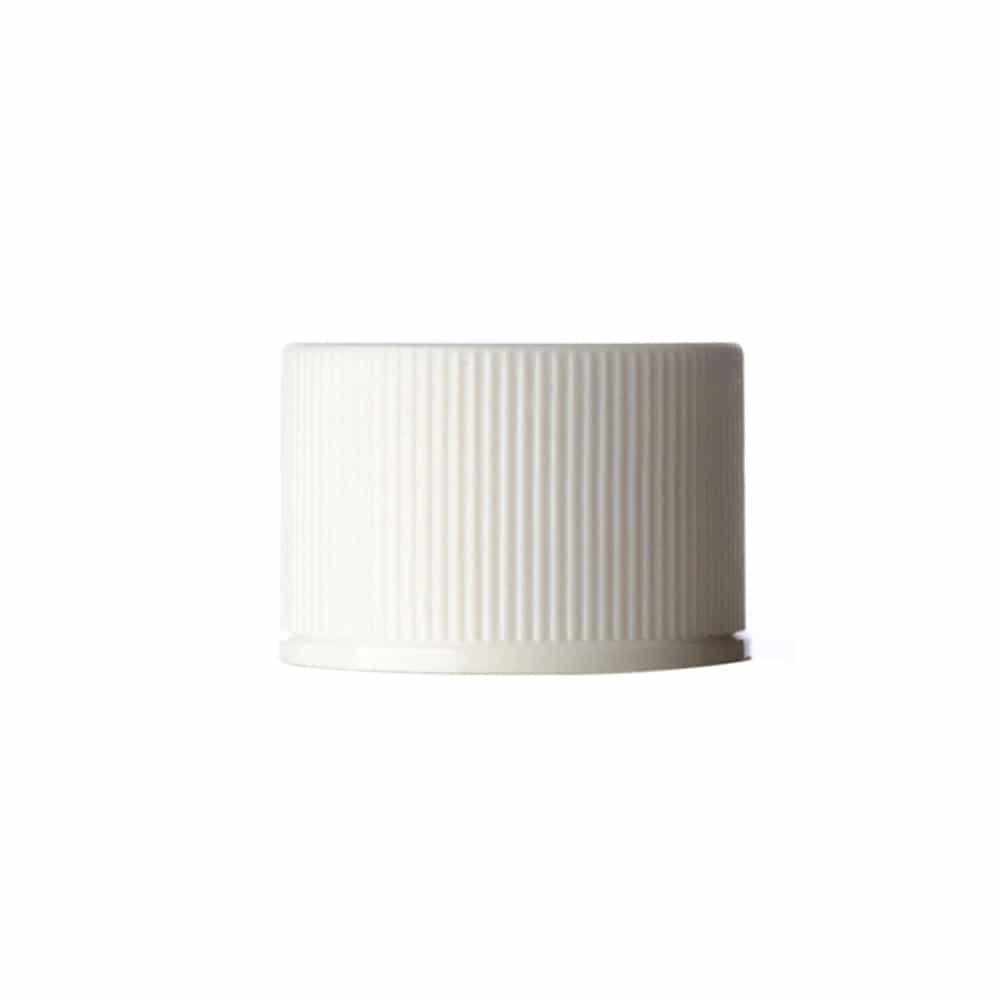
For an 8 oz pourable personal-care product, evaluate the 8 oz clear PET Bullet bottle with a 24-410 neck finish with the separately purchased white PP ribbed 24-410 lid with a heat-induction liner. The selected bottle variant contains 35% PCR; the lid is PP with 0% PCR. This is a non-dispensing lid, so assess whether pouring is appropriate for the actual product rather than treating it as a shampoo pump or lotion dispenser.
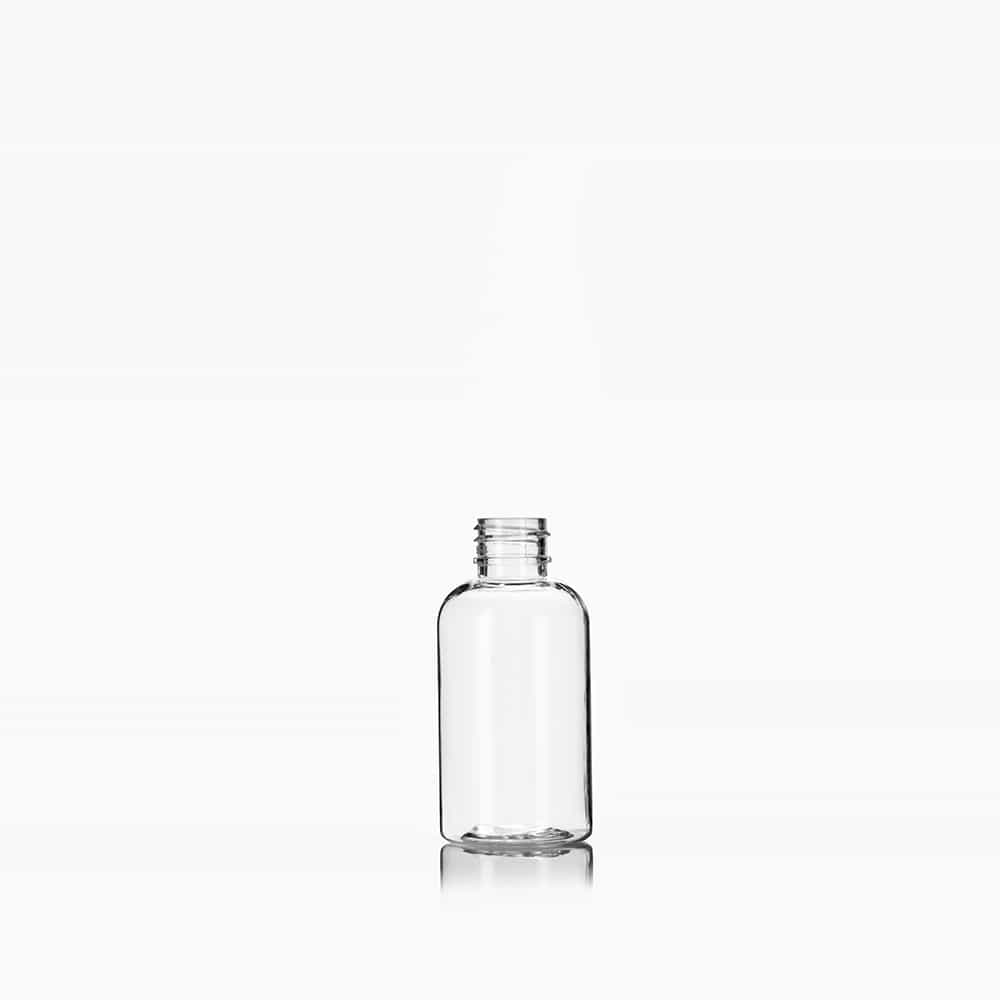
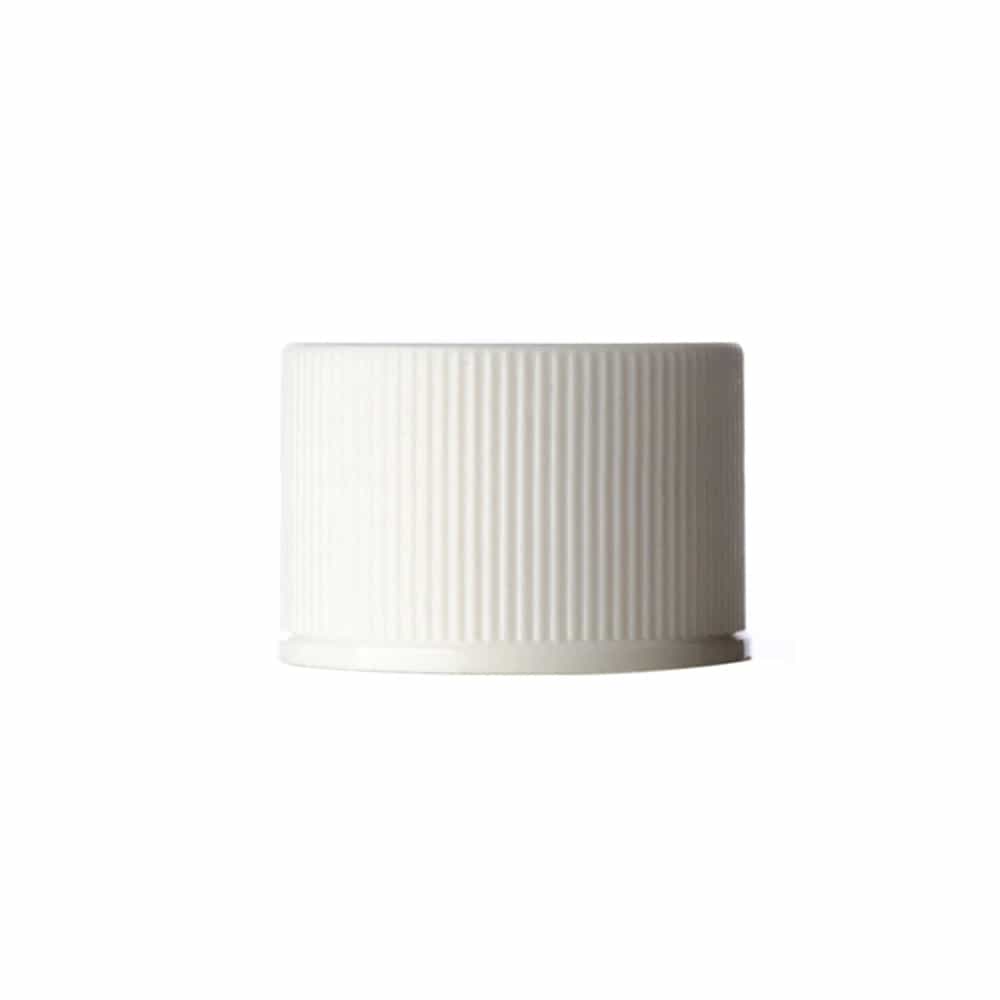
For a compact or trial-size pourable liquid, compare the 2 oz clear PET Boston Round bottle with a 20-410 neck finish and the separate white PP ribbed 20-410 lid with a heat-induction liner. This bottle variant also contains 35% PCR, while its PP lid contains 0% PCR. The small format is not a metered-dose system and should not be presented as one.
Use the sample-request option on each linked product page to request the bottle and lid separately. The listings showed allocation/on-route status when reviewed, so confirm availability and timing with Propacks before scheduling a fill. Matching threads alone does not verify these combinations: confirm the liner construction for PET and your formula, then qualify the filled assembly.
Confirm What the Induction Liner Actually Does
An induction-lined cap needs a compatible sealing layer and suitable induction equipment. After capping, the induction field heats the liner's foil layer so the sealing layer can bond at the bottle rim. Buying a cap that contains a liner does not mean the package has already been sealed.
Ask the filler or component supplier to confirm the liner specification, container material, rim condition, cap application and equipment settings. Evaluate the seal after the product has been filled, sealed, stored and handled. Do not assume every dispensing cap accepts the same liner, or that a successful seal on one container transfers to another.
Application torque, seal formation and customer opening are related but different checks. The closure torque guide explains why tightening a cap harder is not a universal answer to leakage. An induction liner does not by itself certify child resistance, chemical compatibility, dangerous-goods packaging or FBA acceptance.
 Illustrative close-up of an empty clear bottle; not a tested seal or an actual Propacks SKU photograph.
Specify Pumps and Sprayers Before Choosing Shipping Protection
If your product needs a pump or sprayer, specify the dispenser as part of the retail pack rather than adding it after choosing the bottle. Confirm the full neck finish, dip-tube reach, output and formula compatibility. Then evaluate accidental actuation, leakage, priming and the customer's first use after opening.
A pump lock, protective overcap, shrink band and sealed bag perform different functions. Do not assume a locked actuator is a liquid-tight seal, or that a shrink band solves a leaking bottle-to-closure interface. Any separate dispenser also needs a clear, secure place in the packaged retail unit.
Check Amazon's liquid-product guidance and cap-seal requirements for the applicable construction. Do not use a blanket instruction to detach every pump or trigger, or to keep every dispenser attached. Confirm the required arrangement for the actual product and closure before ordering prep materials.
Check Bags, Warnings and Barcode Visibility Together
When bagging is required, test the bag around the finished retail unit, including the closure and any accessory. Confirm that it can be closed securely without crushing an actuator or leaving the pack poorly contained. The bag is part of the final preparation system, not a substitute for resolving a defective closure.
Before ordering bags, check the current requirements for material thickness, permitted overhang, warning applicability and warning size. Use the applicable Seller Central instructions rather than transferring specifications from another marketplace or a supplier's generic packaging listing. If instructions are unclear, obtain clarification before placing a bulk order.
Check barcode scanning after the bag or wrap is applied. Depending on the permitted arrangement, the correct barcode must remain readable through the packaging or be applied to its exterior. Amazon's general FBA prep guide emphasizes secure packaging, readable identification and product-specific preparation; the detailed help instructions control the specifications you buy against.
 Illustrative bagged bottle with a generic label; not evidence of compliant warnings or approved FBA preparation.
Choose the Correct Barcode Before Printing Labels
Do not start with the assumption that every FBA unit requires the same FNSKU-label arrangement. In an Amazon staff clarification of the March 31, 2026 change, Amazon distinguishes eligible brand-owner use of manufacturer barcodes from reseller use of Amazon barcodes. Brand ownership alone should not be treated as a guarantee that every product qualifies.
Check the barcode assigned to the actual SKU in Seller Central. Consumable, topical or dangerous-goods products can have additional eligibility restrictions, so a general brand-owner example is not enough for a shampoo, supplement or cleaner. Confirm the applicable instructions before printing a production quantity of labels.
Scan the prepared unit, not just the unused label sheet. Curvature, wrinkles, glare and packaging placed over the code can change readability. Keep unit identification distinct from shipping-carton identification, and check which other codes must be covered under the applicable instructions.
 Illustrative application of a blank label to an empty bottle; not a verified FNSKU or scanning test.
Test the Final Pack Instead of Assuming Plastic Will Pass
PET does not make a bottle automatically drop-test compliant, and an induction liner does not make leakage impossible. Fill weight, wall design, closure application, formula interaction and protective materials all affect the result. Test the exact configuration that will enter the fulfillment network.
Use the current applicable Amazon test instructions for the required acceptance check. Separately, work with the filler or a qualified packaging-testing provider on any additional distribution and stability testing appropriate to the product. Do not substitute an empty-bottle demonstration for a filled-pack assessment or invent an accelerated shelf-life equivalent.
Inspect the bottle, closure, seal, label and protective packaging after testing. Record leakage, damage, unintended dispensing and unreadable barcodes against defined acceptance criteria. If the construction changes, assess what needs to be retested before releasing the revised pack.
Prepare Cartons From Current Shipment Instructions
Choose a carton and protective arrangement that prevent uncontrolled movement and damaging contact between retail units. Measure and weigh the completed carton, not just its empty box. Check the applicable size, weight, labeling and packing-material requirements in the current shipment workflow before dispatch.
Verify that the shipment's declared contents match the physical contents. Place required carton and carrier labels where they remain readable, without confusing them with the retail-unit barcode. A generic bottle-count estimate is not a substitute for a trial-packed carton using the actual finished units.
 Illustrative shipping-box scene; not a validated packout or transport-test result.
The illustrated box arrangement is not a shipping instruction. Approve the actual packout and protective materials through the applicable checks before dispatch.
Understand the US Prep-Service Change Without Inventing Penalties
Amazon confirmed that US FBA prep and item-labeling services ended for shipments created from January 1, 2026. Shipments created before that date were treated differently under the transition. Plan for the responsible seller, filler or prep provider to complete the required work before dispatch rather than relying on an optional Amazon prep service.
That change does not establish a universal per-unit penalty or mean warehouses never perform remedial handling. In a separate Amazon staff explanation, improper prep can be recorded as a defect and receive corrective handling; affected damaged or untraceable products can be ineligible for reimbursement. Check the current policy and actual defect notice instead of budgeting from an unsupported fixed fee range.
Turn the Packaging Shortlist Into a Sample Request
Send Propacks the intended product category, formula compatibility requirements, target fill, preferred dispensing method and the bottle/closure finishes you are considering. Include your retail-pack arrangement and any confirmed Amazon prep constraints. Bottles and closures are separate components unless a specific offer explicitly states otherwise.
Start with the linked samples above when their size and pourable format suit the application, or compare the bottle catalog and closure catalog for a different format. Confirm the liner specification and component availability before scheduling the test fill. Move to the production quantity only after approving the final assembly, preparation instructions and test results; sample availability and a matching finish are not approval of the finished package.
Frequently asked questions
What are the packaging requirements for Amazon FBA?+
For filled bottles, check product eligibility, the applicable liquid and closure preparation, readable unit identification and the shipping-carton requirements. Use the current instructions for the product and marketplace instead of assuming every bottle needs an identical bag-and-seal arrangement. A bottle sold for personal care is not automatically FBA-approved; qualify the finished pack before dispatch.
How do I pack my products for Amazon FBA shipments?+
Start with the filled bottle and its specified closure, then add the protective arrangement required for the product. Verify the barcode after bagging or wrapping and trial-pack the actual retail units into the carton. Test the finished configuration against applicable acceptance criteria and ensure the physical contents match the shipment records.
What are the requirements for a poly bag for Amazon FBA?+
Check the current bag material, thickness, fit, closure and warning specifications in Seller Central before purchasing. Evaluate the bag around the complete retail unit and keep the required barcode readable through the packaging or correctly placed outside it. A bag does not resolve a defective bottle seal, and choosing a thicker bag alone does not establish compliance.
What are the requirements for a poly bag warning label?+
Use the applicable Amazon instructions to determine whether a suffocation warning is required and which wording, size and placement apply. Check the actual bag dimensions and make sure the warning remains legible after the product is packed. Do not use an editorial image or a bag supplier’s generic warning as proof that your finished pack meets those instructions.
Do I need barcodes to sell on Amazon?+
For FBA, units need identification that meets Amazon’s applicable barcode rules; a listing identifier exemption is not permission to send unidentifiable inventory. Eligible brand-owner products may use manufacturer barcodes, while reseller inventory requires Amazon barcodes under the March 31, 2026 change. Check the current SKU assignment and product eligibility in Seller Central, especially for consumable, topical or dangerous-goods products.
How does an induction seal work?+
An induction field heats the foil layer of a liner so its compatible sealing layer can bond at the bottle rim. The bottle material, liner construction, rim condition, cap application and equipment settings must work together. A lined cap is not already sealed, and a foil liner alone does not guarantee leak performance, child resistance or Amazon acceptance.
What are the biggest FBA mistakes to avoid?+
For bottle brands, important avoidable mistakes include ordering closures by diameter alone, assuming a lined cap needs no sealing equipment, printing labels before confirming barcode eligibility and testing an empty bottle instead of the finished pack. Another is budgeting from unsupported rejection statistics or universal fee claims. Confirm component availability and approve the actual packaging before scheduling the production shipment.

Written by
Queenie FongQueenie Fong is the founder of Propack Solutions, a woman-owned sustainable packaging company based in Ontario, CA. With nearly a decade of experience in the packaging industry, she specializes in post-consumer recycled (PCR) materials, helping brands source rPET, PCR HDPE, and PCR PP packaging that meets regulatory requirements and sustainability goals.