PET, PP, and HDPE Bottles: The Essential Packaging Material Guide


Picking the right plastic for your product packaging is a critical decision. It directly affects product safety, brand image, and supply chain efficiency. Polyethylene terephthalate (PET), polypropylene (PP), and high-density polyethylene (HDPE) are three of the most common plastic resins used for bottles today. Each offers a distinct set of properties, making them suitable for specific applications across many industries.
This guide helps brands understand the core differences between these plastics. We will compare PET, PP, and HDPE by looking at their physical and chemical characteristics, typical applications, cost factors, and environmental impact. The goal is to give buyers the knowledge needed to make informed choices that match their product's needs and sustainability goals. Understanding these materials ensures product integrity, consumer satisfaction, and operational efficiency.
PET Plastic Bottles: Clear, Strong, and Recyclable
Polyethylene terephthalate, or PET, is a thermoplastic polymer resin from the polyester family. It carries the resin code '1'. PET is known for its excellent clarity, strength, and barrier properties. These characteristics make PET bottles a common choice for beverages, food products, and personal care items.
PET offers superior transparency. This allows consumers to clearly see the product inside. This visual appeal is especially valuable for cosmetics, spirits, and clear liquid food items where product visibility helps with marketability. Beyond looks, PET resists impacts well. It is much less likely to shatter compared to glass. This durability is a major benefit in shipping and handling, as it reduces breakage and related costs.
One of PET's most important features is its effective barrier against oxygen and moisture. This property helps keep oxygen-sensitive products fresh and extends their shelf life. Examples include carbonated beverages, juices, and certain food items. The Association of Plastic Recyclers APR reports that PET has a recycling rate exceeding 29 percent in the United States. This shows a strong recycling infrastructure for the material.
PET is also lightweight. This leads to lower transportation costs and reduced carbon emissions compared to heavier packaging. The National Association for PET Container Resources NAPCOR highlights PET's role in sustainable packaging solutions. This is due to its recyclability and energy efficiency during production. Many brands now choose rPET, or recycled PET, to meet mandates for recycled content. California's SB 54, for example, sets thresholds for post-consumer recycled content in plastic packaging.
PET's versatility allows for various bottle shapes and sizes, offering a wide range of design possibilities. The material can be molded into intricate forms, enhancing brand differentiation on store shelves. Its smooth surface is also highly receptive to labels and printing, supporting diverse branding strategies.
The manufacturing process for PET bottles typically involves injection stretch blow molding. This method produces bottles with consistent wall thickness and high strength. The process begins with injection molding a preform, which is then heated and stretched into the final bottle shape using pressurized air. This biaxial orientation enhances the material's mechanical properties and barrier performance.
PET exhibits good chemical resistance to many common substances, including oils, alcohols, and dilute acids. However, it can be susceptible to strong bases and certain solvents, which may cause degradation or stress cracking. Manufacturers must carefully assess product compatibility to ensure the integrity of the packaging over the product's shelf life. The Food and Drug Administration FDA has approved PET for food contact applications, affirming its safety for packaging consumables.
Specific barrier properties of PET are crucial for product integrity. For instance, PET offers excellent carbon dioxide retention, which is vital for maintaining the fizz in carbonated soft drinks. It also provides a good barrier against oxygen ingress, protecting sensitive food items from spoilage. According to a study published by the Journal of Applied Polymer Science Wiley Online Library, PET's barrier properties are significantly influenced by its molecular orientation during processing.
The demand for recycled PET (rPET) is increasing due to corporate sustainability commitments and regulatory pressures. Brands are actively seeking packaging solutions that incorporate post consumer recycled content. The use of rPET reduces reliance on virgin plastic and lowers the carbon footprint associated with packaging production. This aligns with circular economy principles, promoting the reuse of valuable resources. Challenges in PET recycling include sorting mixed plastics and removing contaminants, but advanced sorting technologies are continuously improving these processes, as noted by the Plastics Recycling Foundation PRF.
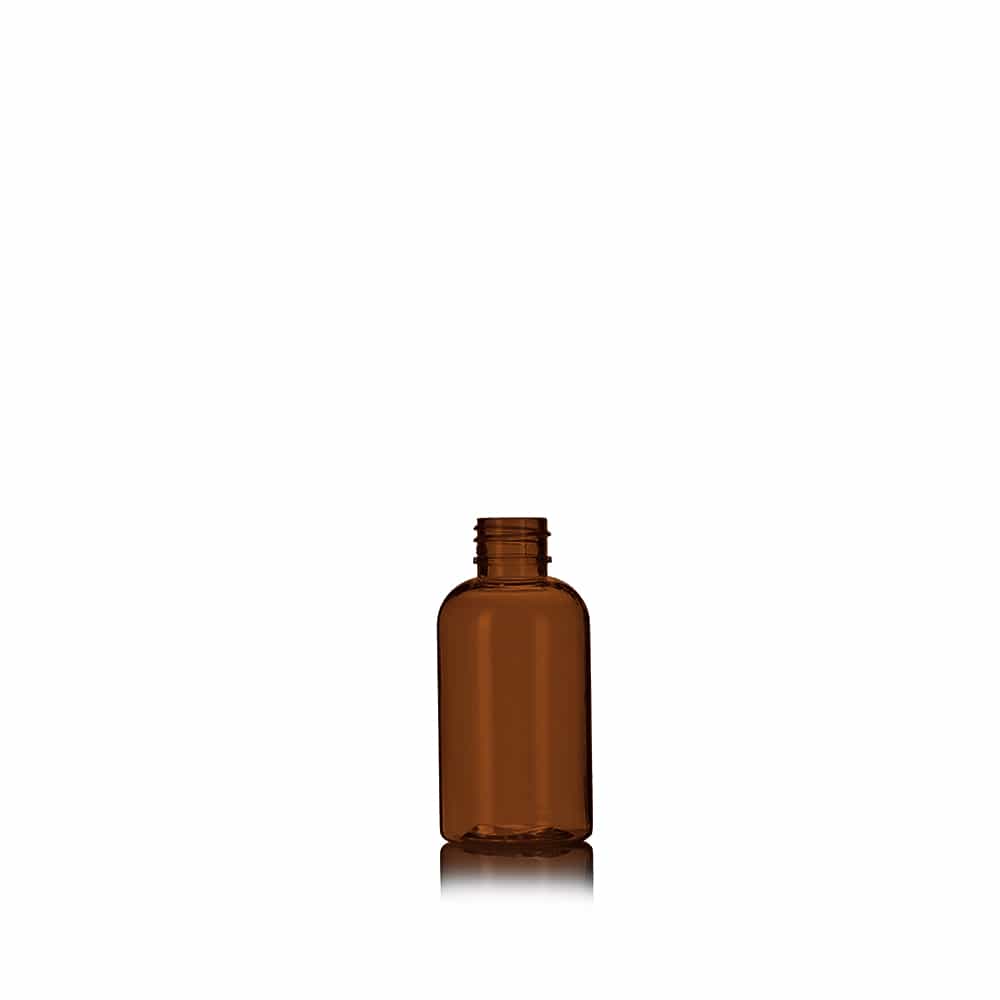
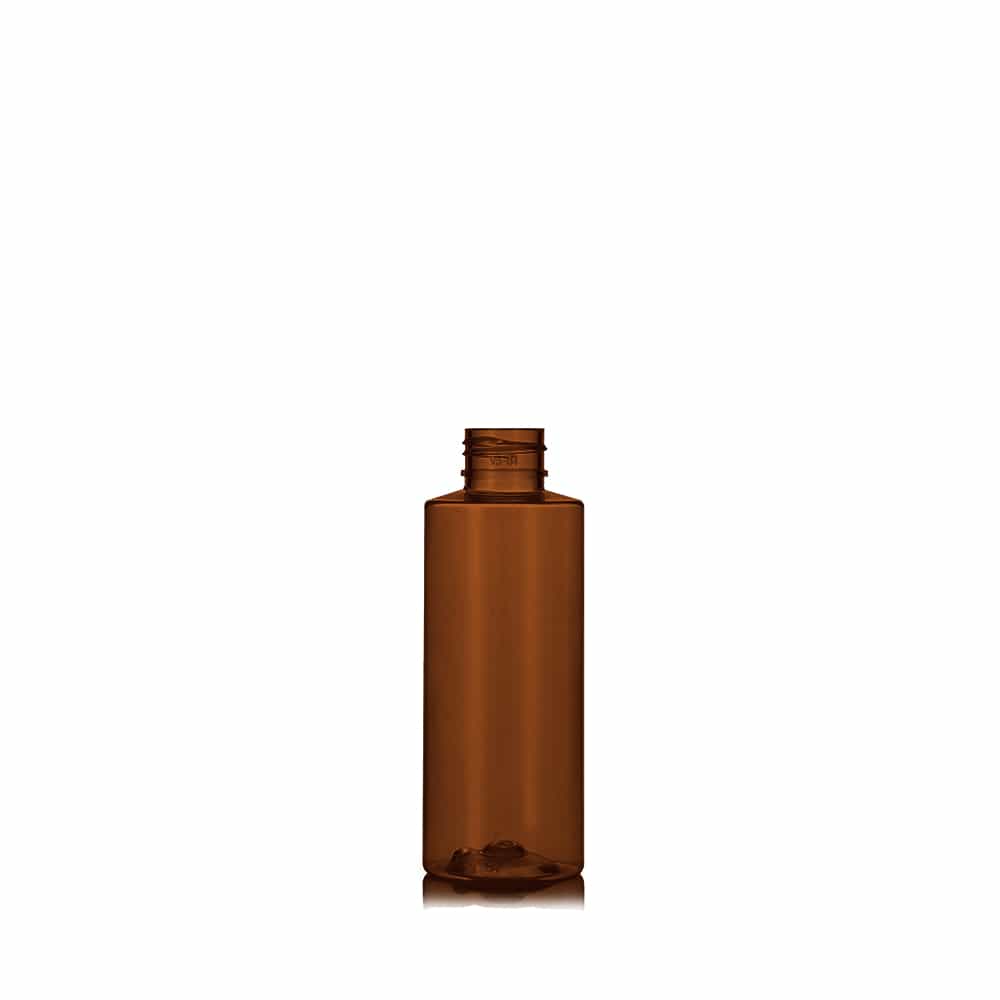
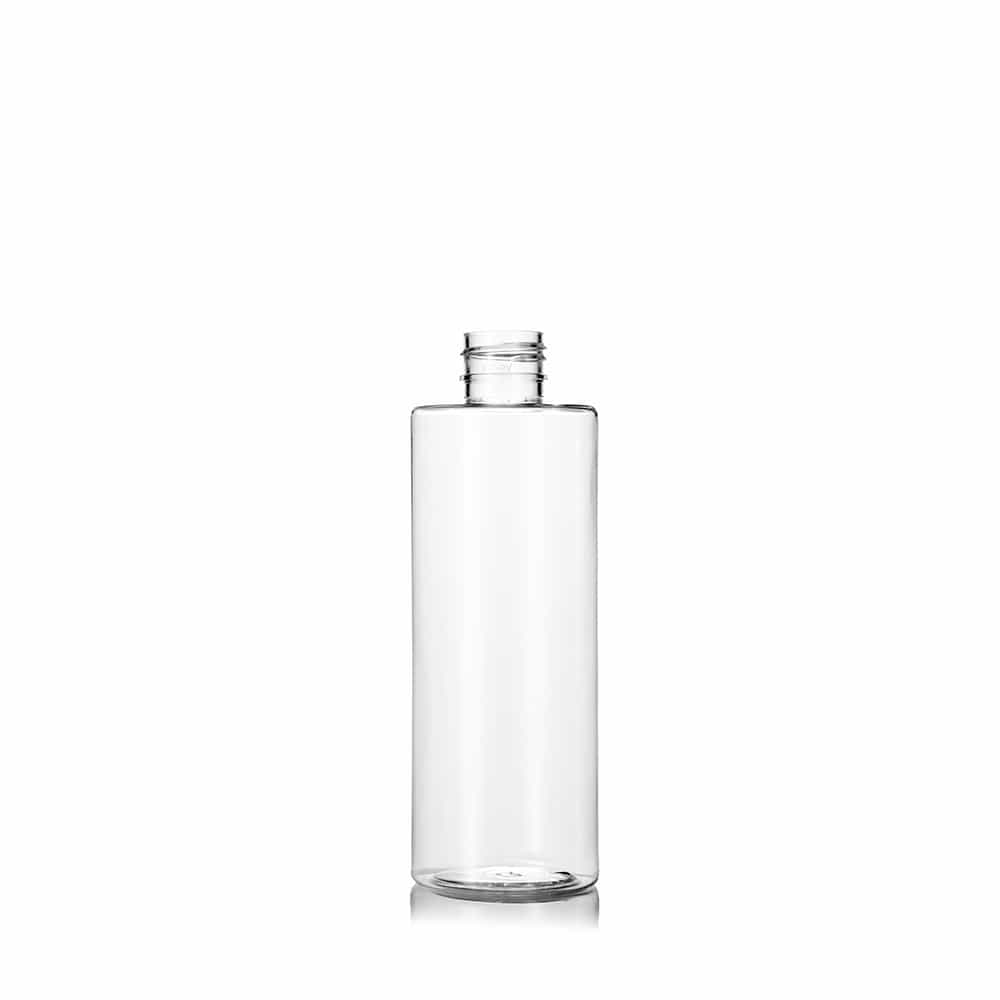
 Clear PET beverage bottles on a grey background.
HDPE Bottles: Durable, Opaque, and Versatile
High-density polyethylene, or HDPE, is a thermoplastic polymer produced from the monomer ethylene. It is identified by the resin code '2'. HDPE is characterized by its high strength-to-density ratio, making it a robust and durable material. Unlike PET, HDPE is typically opaque or translucent, rather than clear.
HDPE offers excellent chemical resistance, particularly to a wide range of acids, bases, and many organic solvents. This property makes it an ideal choice for packaging household cleaning products, automotive fluids, and industrial chemicals. The material does not readily react with its contents, preserving product efficacy and preventing container degradation. Its robust nature ensures product safety during storage and transport.
Specific examples of HDPE's chemical resistance include its inertness to strong acids like hydrochloric acid and strong bases like sodium hydroxide. However, it can be susceptible to strong oxidizing agents or certain aromatic hydrocarbons, which may cause swelling or degradation over prolonged contact. Manufacturers should consult chemical compatibility charts for specific product formulations, as recommended by plastic material suppliers such as LyondellBasell.
The opacity of HDPE provides a protective barrier against ultraviolet (UV) light. This is crucial for products that are sensitive to light degradation, such as milk, certain vitamins, and pharmaceutical liquids. The material's inherent rigidity and impact strength prevent breakage, even when subjected to significant stress. This durability is a key factor in its widespread use across various demanding applications.
HDPE bottles are commonly manufactured using blow molding techniques, including extrusion blow molding and injection blow molding. These processes are efficient and cost effective for producing a wide array of bottle shapes and sizes. The versatility of HDPE allows for intricate designs and integrated handles, enhancing user convenience for larger containers. The material's melt flow index can be adjusted to suit specific processing requirements, allowing for optimization of cycle times and part quality.
Common applications for HDPE bottles include milk jugs, detergent bottles, motor oil containers, shampoo bottles, and various food storage containers. Its ability to withstand both hot and cold temperatures without significant structural changes makes it suitable for diverse environments. The material maintains its physical properties across a broad temperature range, ensuring consistent performance. The Food and Drug Administration FDA has approved HDPE for food contact applications, particularly for dairy and water products, affirming its safety and inertness.
From an environmental perspective, HDPE is widely recyclable. It is one of the most commonly recycled plastics globally, with robust collection and reprocessing infrastructures in many regions. The American Chemistry Council ACC reports on the significant volume of HDPE collected for recycling annually. Recycled HDPE (rHDPE) is frequently used in non food contact applications, such as drainage pipes, plastic lumber, and new packaging for non food items. Efforts are also increasing to utilize rHDPE in food contact applications through advanced purification processes, as highlighted by the Association of Plastic Recyclers APR.
The cost effectiveness of HDPE is another significant advantage. The raw material is relatively inexpensive, and its processing requires less energy compared to some other plastics. This contributes to lower overall packaging costs, which is a critical consideration for high volume consumer goods. Its lightweight nature also reduces transportation expenses, further enhancing its economic appeal. Different grades of HDPE, such as high molecular weight HDPE (HMW-HDPE), are available for specialized applications requiring enhanced toughness or stress crack resistance, offering tailored solutions for specific product needs.
 Opaque HDPE bottles for milk, detergent, and shampoo on wood.
PP Bottles: Heat Resistant, Flexible, and Chemically Stable
Polypropylene, or PP, is a thermoplastic polymer identified by the resin code '5'. It is known for its excellent heat resistance, chemical stability, and fatigue resistance. PP is often used for packaging products that require hot filling, microwaving, or sterilization. Its unique properties make it distinct from both PET and HDPE.
PP offers a higher melting point than PET and HDPE, allowing it to withstand elevated temperatures without deforming. This characteristic is particularly valuable for hot fill applications, such as sauces, syrups, and certain beverages. It also makes PP suitable for medical containers that undergo steam sterilization processes, known as autoclaving, without compromising structural integrity. The material maintains its structural integrity under thermal stress, making it reliable for demanding thermal environments.
While not as transparent as PET, PP can be manufactured to achieve a translucent or even clear appearance, especially in thin wall applications. Its natural clarity is often described as contact clarity, meaning it becomes clearer when filled with a liquid. This property is utilized in some food containers where product visibility is desired but extreme clarity is not essential. The material's surface can also be modified for printing and labeling, supporting various aesthetic requirements.
One of PP's distinguishing features is its excellent flexural strength, which allows it to be used in living hinge applications. These are thin sections of plastic that can bend repeatedly without breaking, commonly found in bottle caps and closures. This fatigue resistance contributes to the longevity and functionality of PP packaging components. The material's molecular structure provides this inherent flexibility, making it ideal for integrated designs, as explained by the Society of Plastics Engineers SPE.
PP exhibits very good chemical resistance to a broad range of acids, bases, alcohols, and many organic solvents. This makes it a reliable choice for packaging aggressive chemicals, laboratory reagents, and pharmaceutical products. The inert nature of PP ensures that it does not leach harmful substances into the product, maintaining product purity. The material's stability under various chemical exposures is a key benefit, making it suitable for a wide array of non food and food contact applications. For example, it resists attack from most detergents and cleaning agents.
Common applications for PP bottles include yogurt cups, medicine bottles, ketchup bottles, syrup containers, and various industrial chemical containers. Its versatility extends to closures and caps for other plastic bottles, leveraging its excellent sealing properties and durability. The material's low density also contributes to lightweight packaging solutions, which helps reduce transportation costs and environmental impact. Different types of PP, such as homopolymers, random copolymers, and block copolymers, offer varying degrees of stiffness, clarity, and impact resistance, allowing for tailored performance.
Regarding recyclability, PP is recyclable, though its recycling infrastructure is not as widespread as PET or HDPE in all regions. The Plastics Industry Association PLASTICS advocates for increased PP recycling efforts. Recycled PP (rPP) is used in automotive parts, industrial fibers, and other durable goods. Efforts are ongoing to expand PP collection and reprocessing capabilities, with new technologies emerging to improve the quality of rPP for a broader range of applications, as reported by the American Chemistry Council ACC.
The cost of PP resin is generally competitive, making it an economically viable option for many packaging needs. Its ease of processing, primarily through injection molding and blow molding, further contributes to its cost effectiveness. The ability to produce complex shapes and integrated features efficiently adds to its appeal for manufacturers. PP also boasts good moisture barrier properties, making it suitable for products where moisture ingress or egress is a concern.
 PP containers for yogurt, medicine, and condiments on concrete.
PET vs HDPE vs PP: A Comparative Analysis
Selecting the optimal plastic for bottle packaging requires a detailed understanding of the distinct properties of PET, HDPE, and PP. Each material offers specific advantages and disadvantages that directly impact product performance, cost, and sustainability. This comparative analysis provides a framework for informed decision making.
Clarity and Aesthetics
PET stands out for its exceptional clarity and transparency. It allows for full product visibility, which is highly valued in beverages, cosmetics, and premium food items where visual appeal enhances marketability. The crystal clear appearance of PET mimics glass but offers superior durability and lightness, providing a premium aesthetic without the fragility.
HDPE is characterized by its opacity or translucency. It does not offer the same level of clarity as PET, making it suitable for products where light protection is necessary or where product visibility is not a primary concern, such as milk, detergents, and motor oils. The opaque nature can also convey a sense of robustness and protection, often associated with industrial or household cleaning products.
PP can range from translucent to clear, depending on the specific grade and processing. While it typically does not achieve the glass-like clarity of PET, certain grades of PP, particularly random copolymers, can offer good contact clarity when filled with liquid. This makes it a viable option for some food containers where product visibility is desired but extreme transparency is not essential, offering a balance between aesthetics and functionality, as noted by plastic resin manufacturers like ExxonMobil.
Chemical Resistance
PET exhibits good chemical resistance to many common substances, including oils, alcohols, and dilute acids. However, it can be susceptible to degradation or stress cracking when exposed to strong bases, certain ketones, or chlorinated solvents. This limitation requires careful compatibility testing for specific product formulations to prevent package failure.
HDPE offers excellent chemical resistance to a wide range of acids, bases, and many organic solvents. Its robust molecular structure makes it highly inert to most common chemicals, preserving product efficacy and preventing container degradation. This superior resistance makes it a preferred choice for aggressive chemicals, industrial cleaners, and automotive fluids, as confirmed by industry material guides Plastic Bottle Corporation.
PP also demonstrates very good chemical resistance to a broad spectrum of acids, bases, alcohols, and many organic solvents. It generally surpasses PET in overall chemical stability and often rivals HDPE in its inertness to various chemical agents. This makes PP a reliable material for laboratory reagents, pharmaceutical products, and hot-fill food items that may contain acidic or alkaline components.
Temperature Resistance
PET has a moderate temperature resistance, suitable for ambient and cold-fill applications. While standard PET is not ideal for hot-fill processes, specialized heat-set PET grades can withstand higher temperatures, typically up to 85°C (185°F), without significant deformation. This allows for its use in some pasteurized juice or tea applications, as described by the PET Resin Association PETRA.
HDPE performs well across a broad temperature range, maintaining its physical properties in both cold and moderately warm environments. However, its melting point is lower than PP, typically around 120-130°C (248-266°F). At very low temperatures, HDPE can become somewhat brittle, although its impact strength is generally robust. It is not typically recommended for hot-fill applications above 60°C (140°F).
PP boasts the highest temperature resistance among the three, with a melting point typically ranging from 160-170°C (320-338°F). This property makes it exceptionally suitable for hot-fill applications, microwavable containers, and products requiring steam sterilization (autoclaving). PP bottles maintain their structural integrity and chemical stability even under prolonged exposure to elevated temperatures, making them ideal for medical and food service packaging.
Impact Strength and Durability
PET offers good impact resistance, making it shatterproof compared to glass and reducing breakage during transport and handling. Its inherent rigidity provides structural integrity, allowing for lightweight designs that do not compromise strength. This balance of rigidity and impact resistance contributes to its widespread use in beverage packaging.
HDPE possesses excellent impact strength and is highly durable, making it very robust and resistant to cracking or breaking, even under significant stress. Its flexibility and toughness contribute to its ability to withstand drops and rough handling, which is crucial for products like detergents and motor oils. This material is known for its resistance to stress cracking, a common failure mode in some plastics, as highlighted by plastic resin producers like Chevron Phillips Chemical.
PP provides good impact strength, particularly its copolymer grades, which are formulated for enhanced toughness. A standout feature of PP is its exceptional flexural fatigue resistance, enabling the creation of living hinges that can bend repeatedly without breaking. This characteristic makes PP ideal for integrated closures and components that require repeated opening and closing, ensuring long-term functionality.
Barrier Properties
PET offers excellent barrier properties against oxygen and carbon dioxide. This is critical for preserving the freshness and carbonation of beverages and extending the shelf life of oxygen-sensitive food products. Its ability to prevent gas permeation is a primary reason for its dominance in the bottled water and soft drink markets, according to the European PET Bottle Platform EPBP.
HDPE provides a very good barrier against moisture vapor transmission, effectively preventing products from drying out or absorbing unwanted moisture. However, its barrier to oxygen and other gases is relatively poor. This makes it suitable for products where moisture protection is paramount, such as milk or certain dry goods, but less ideal for oxygen-sensitive items like carbonated beverages.
PP offers a good moisture barrier, comparable to HDPE, which helps protect products from humidity changes. Its oxygen barrier properties are moderate, generally better than HDPE but not as effective as PET. For applications requiring enhanced oxygen barrier, PP is often used in multi-layer structures with additional barrier materials, as discussed by packaging material science experts Packaging World.
Recyclability and Sustainability
PET is one of the most widely recycled plastics globally, identified by resin code '1'. It has a well-established collection and reprocessing infrastructure, and the market for recycled PET (rPET) is robust and growing. The use of rPET significantly reduces the environmental footprint of packaging, aligning with circular economy principles and regulatory mandates for recycled content, as supported by the Association of Plastic Recyclers APR.
HDPE is also extensively recycled, carrying resin code '2', with a strong and mature recycling infrastructure in many regions. Recycled HDPE (rHDPE) is commonly used in a variety of non food contact applications, including drainage pipes, plastic lumber, and new packaging for non food items. Advances in recycling technology are expanding its use into more demanding applications, including food-grade rHDPE, as reported by the American Chemistry Council ACC.
PP is recyclable, identified by resin code '5', but its recycling infrastructure is less developed compared to PET and HDPE in some areas. However, efforts are rapidly increasing to expand PP collection and reprocessing capabilities. Recycled PP (rPP) finds applications in automotive parts, industrial fibers, and durable goods. The Plastics Industry Association PLASTICS actively promotes initiatives to enhance PP recycling rates and develop new end markets for rPP.
Cost and Processing
PET generally has a moderate raw material cost. Its primary processing method, injection stretch blow molding, is highly efficient for producing high-strength, clear bottles with excellent dimensional accuracy. The versatility of PET allows for complex bottle designs, which can be a key factor in brand differentiation. Energy consumption during PET production is also a consideration, though its lightweight nature helps offset transportation costs.
HDPE is typically one of the most cost effective plastic resins. Its raw material is relatively inexpensive, and its processing through extrusion blow molding is highly efficient for high-volume production of bottles and containers. The ease of processing and lower energy requirements contribute to competitive unit costs, making HDPE a preferred choice for mass-market consumer goods where cost efficiency is paramount. Its lightweight nature further reduces logistical expenses.
PP offers competitive raw material costs, making it an economically viable option for many packaging applications. It is highly versatile in processing, suitable for both injection molding and blow molding, allowing for the creation of complex shapes, integrated features, and living hinges efficiently. This processing flexibility, combined with its favorable material properties, contributes to its overall cost effectiveness in various market segments, as noted by resin suppliers like SABIC.
Specific Applications and Market Segments
PET bottles dominate the beverage market, including bottled water, carbonated soft drinks, juices, and sports drinks, due to their clarity, barrier properties, and shatter resistance. They are also widely used for food items like peanut butter, salad dressings, and cooking oils, as well as personal care products such as shampoos, lotions, and mouthwash. The premium appearance of PET also makes it a popular choice for spirits and cosmetics.
HDPE bottles are prevalent in packaging milk, detergents, household cleaners, motor oils, and various industrial chemicals. Their opacity protects light-sensitive contents, and their excellent chemical resistance ensures product integrity. HDPE is also used for some food storage containers and pharmaceutical liquids where its durability and cost effectiveness are advantageous. Its robust nature makes it suitable for products requiring sturdy, reliable packaging.
PP bottles and containers are frequently used for hot-fill food products like ketchup, syrups, and sauces, as well as yogurt cups and other dairy products. Its heat resistance makes it ideal for microwavable containers and medical bottles that require sterilization. PP is also extensively used for closures, caps, and living hinge applications across many industries, leveraging its flexibility and fatigue resistance, as detailed by packaging industry reports Packaging Digest.
Frequently asked questions
Which is better, HDPE or PET bottles?+
The 'better' material between HDPE and PET depends on the specific product and its packaging requirements. PET offers superior clarity, strength, and excellent oxygen/moisture barrier properties, making it ideal for beverages, food, and clear personal care items where product visibility is key. While not detailed in the provided text, HDPE is generally known for its durability and chemical resistance, often chosen for opaque products like milk or detergents. Propacks offers both rPET and rHDPE options, emphasizing their recyclability and suitability for various applications.
What are the key differences between PP, PET, and HDPE plastics?+
PET is distinguished by its excellent clarity, strength, and superior barrier properties against oxygen and moisture, making it ideal for clear beverages and food items. While not fully detailed in the provided text, PP is generally known for its heat resistance and flexibility, often used for hot-fill products or closures. HDPE typically offers high durability and chemical resistance, commonly used for opaque containers like detergents or milk jugs, and is also a robust option for various products. Each material serves specific packaging needs based on its unique properties and performance characteristics.
Is PET cheaper than HDPE?+
The article mentions cost considerations but does not provide a direct price comparison between PET and HDPE, as pricing can fluctuate based on market conditions and specific resin grades. However, Propacks offers both rPET and rHDPE bottles with post-consumer recycled content at prices comparable to virgin bottles. This suggests that for their product lines, the cost difference might be minimized or parity achieved, especially when considering sustainable options.
Which plastic is better, PP or PET?+
The choice between PP and PET depends entirely on the product's specific requirements and desired packaging attributes. PET excels in clarity, strength, and barrier protection against oxygen and moisture, making it ideal for transparent products like beverages and cosmetics where visual appeal is important. PP, while not elaborated in the provided text, is typically favored for its heat resistance and flexibility, often used for hot-fill applications or closures due to its thermal properties. Propacks offers various plastic packaging options, including rPET, to suit diverse product needs.

Written by
Queenie FongQueenie Fong is the founder of Propack Solutions, a woman-owned sustainable packaging company based in Ontario, CA. With nearly a decade of experience in the packaging industry, she specializes in post-consumer recycled (PCR) materials, helping brands source rPET, PCR HDPE, and PCR PP packaging that meets regulatory requirements and sustainability goals.