How to Start a Beard Care Line: Costs, Packaging, and Launch Checklist


For a first beard care range, choose the dispensing system before ordering a matching set of bottles. Beard oil needs controlled application and a reliable seal; wash needs a cap or pump that works with its flow; balm needs access to a much thicker product. One attractive bottle rarely serves all three well.
This guide starts with the packaging decisions: material, size, color, neck finish and closure, followed by two real catalog combinations to sample. Manufacturing, costs and US cosmetic requirements remain part of the launch, but the immediate goal is to avoid ordering bottles that look right and dispense badly. Product recommendations are sampling shortlists, not compatibility approvals.
Choose the First Product Around a Specific Customer
A lightweight oil for someone who dislikes a greasy finish has a different brief from a styling balm for a longer beard. Describe the intended user, desired feel, application method, fragrance direction and claims. Define what the product should not do as carefully as what it should do.
A beard oil can support conditioning and grooming, while a wash addresses cleansing. A conditioner or leave-in lotion brings a different texture and use pattern. Balms and waxes may provide styling or hold, but their consistency and temperature behavior require their own packaging assessment.
A small range limits the number of formulas, labels and components that need approval. It does not need to contain every step of a grooming routine. Begin with a product you can explain and support, then add a companion when sales and feedback justify the inventory.
Test the proposition with likely customers or barbers before designing a full range. Ask about residue, fragrance preference, ease of dispensing and how the product fits into existing habits. Customer preference testing is useful commercial evidence, but it is not a substitute for product safety assessment.
Choose Bottle Size Around Use, Not Just Shelf Appearance
For beard oil, compare compact 1 oz and 2 oz formats before defaulting to the largest bottle. A 1 oz format is a useful starting candidate for a trial or compact retail pack; a 2 oz format gives more fill for a larger offering. The better choice depends on actual use, price positioning and how long the tested formula remains suitable after opening, not on a universal industry size.
For beard wash, compare a smaller 4 oz pack with a larger format such as 8 oz if the expected use and channel justify it. A foaming pack and a conventional liquid-wash pack should not be compared on bottle volume alone. Evaluate the actual amount dispensed, foam performance where relevant, and the customer's washing routine.
Do not calculate a number of uses from bottle capacity without a measured dispensing assumption. Ask the filler about the intended net fill, required headspace and container capacity. A bottle's advertised size is not permission to fill to the brim, and a generous-looking bottle is not proof of more usable product.
Check the physical package in the hand and in its shipping carton. A slim Cosmo bottle and a wider Boston Round can carry similar volumes while offering different label space and grip. Include carton dimensions and shipping weight in the size decision before artwork and bulk purchasing.
 Illustrative beard-care still life with oil and wash packaging, balm texture, a comb and a grooming brush; not a Propacks SKU photograph.
Choose Between PET, HDPE and Glass
PET is a practical candidate when you want a lightweight bottle with a clear or colored appearance. HDPE designs are worth comparing when a translucent or opaque appearance and easier squeezing are useful. Neither material is a universal winner: wall design, resin grade, formulation and the closure assembly determine whether a particular pack works.
Glass is another format to evaluate if its feel or barrier characteristics suit the product, but it adds weight and breakage considerations. A glass bottle does not solve an incompatible dropper bulb, gasket or cap liner. The linked Propacks shortlist here is plastic packaging; it is not evidence of a glass or dropper assortment.
The Thermo Scientific Nalgene chemical-resistance guide explains how temperature, concentration, exposure duration and mechanical stress affect chemical resistance. Its ratings apply to its own labware, not directly to a retail beard-oil bottle. Use such guidance to frame supplier questions, then evaluate the final formula and pack rather than transferring a generic chart rating.
Specify the actual PCR percentage separately from the resin name. A 35% PCR PET bottle and a closure sold as standard PP are not an entirely recycled package. Request component-level documentation, and do not assume recycled content alone proves either compatibility or inferior performance.
Choose Color and Shape for the Product and the Label
Clear packaging lets customers see the product; amber, white and black can give the range a different appearance. If light exposure is relevant to the formula, request appropriate packaging information and stability evidence. Visible color alone does not establish UV performance or justify a longer shelf-life claim.
For the beard-care shortlist below, amber bottles and black closures create a coordinated appearance across oil and foaming wash. That is a merchandising recommendation, not a claim that amber is mandatory for every beard oil. A clear or opaque alternative may be preferable when supported by the formulation and brand brief.
Check the straight-sided label panel and shoulder shape before choosing the final silhouette. A curved shoulder or taper can limit where a flat label sits cleanly. Bottle width and height are not a printing template; obtain the dieline or label-panel dimensions and check a printed sample on the actual bottle.
Make space for the required product information before finalizing decoration. Test adhesion, scuffing and legibility with oily hands for the oil pack and wet handling for the wash. A label that looks good on an empty sample may behave differently after filling and everyday use.
Choose the Closure for Oil, Liquid Wash or Foam
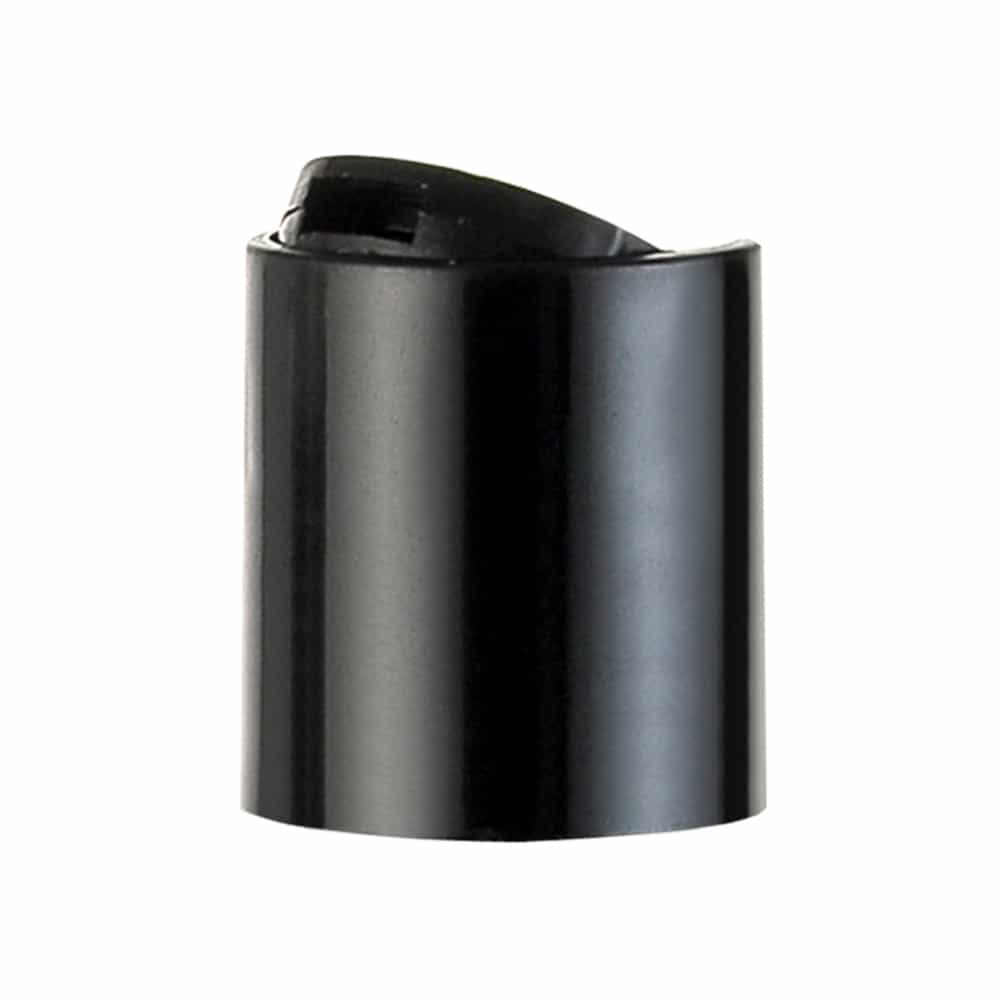
For beard oil, compare a dispensing cap, a treatment pump or a dropper system according to how you want the user to apply the product. A disc top is a simple pour-or-dispense candidate, but it is not a calibrated dropper. Treatment pumps and droppers can support different application habits; their presence in an illustration does not mean those options are in the linked catalog.
Test how much oil comes out, whether it dribbles after use, and whether the cap can be closed reliably with oily hands. A standard screw lid may be suitable for a storage or refill format when paired with the right seal and use instructions. Do not reject or approve a closure simply because another brand uses it.
For a liquid beard wash, assess a flip top or a suitable pump with the actual formula. Thicker wash can be difficult to pour or draw through a small dispenser. Compare priming, dispensing effort, clogging and access to the remaining product rather than choosing from the external appearance alone.
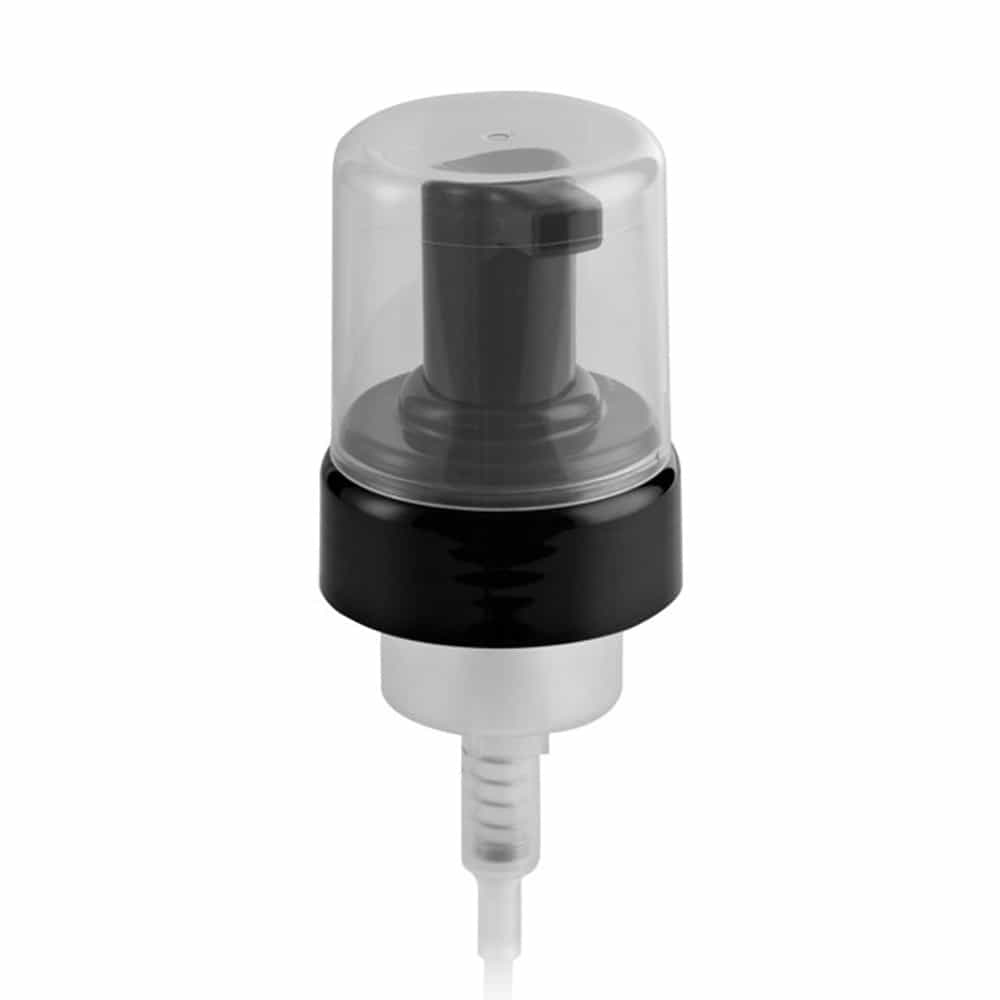
For a foaming wash, select a formula developed for foaming delivery and test it with the bottle and foamer. An ordinary thick cleanser does not become a validated foaming product by fitting a foaming pump. Do not dilute a commercial formula ad hoc: changing its composition can affect preservation, stability and labeling as well as foam.
Match the complete neck finish, such as 20-410 or 42-410, using the bottle neck-finish guide and the component specifications. Confirm liner requirements, closing settings, dip-tube reach and transport performance on the assembled sample. Balms and waxes may need a separately sourced wide-mouth pack rather than either liquid format.
Two Beard Care Packaging Combinations to Sample
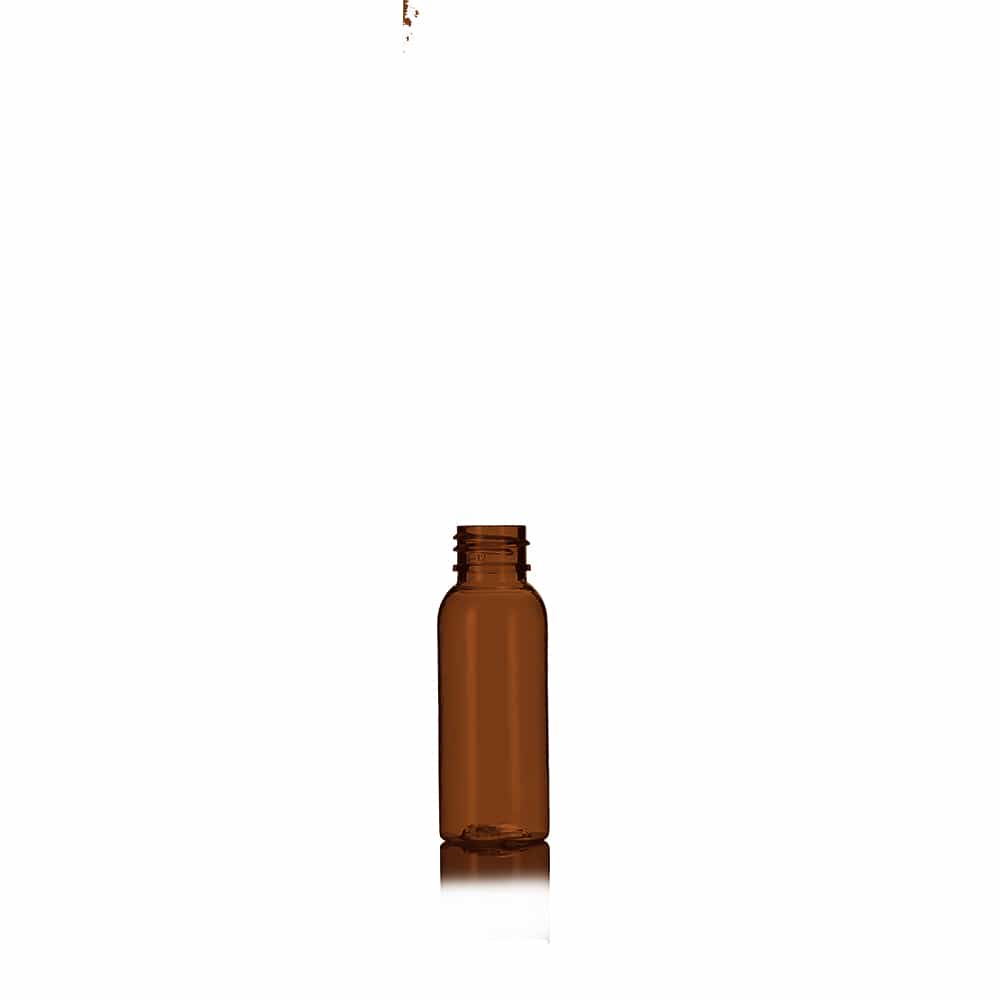
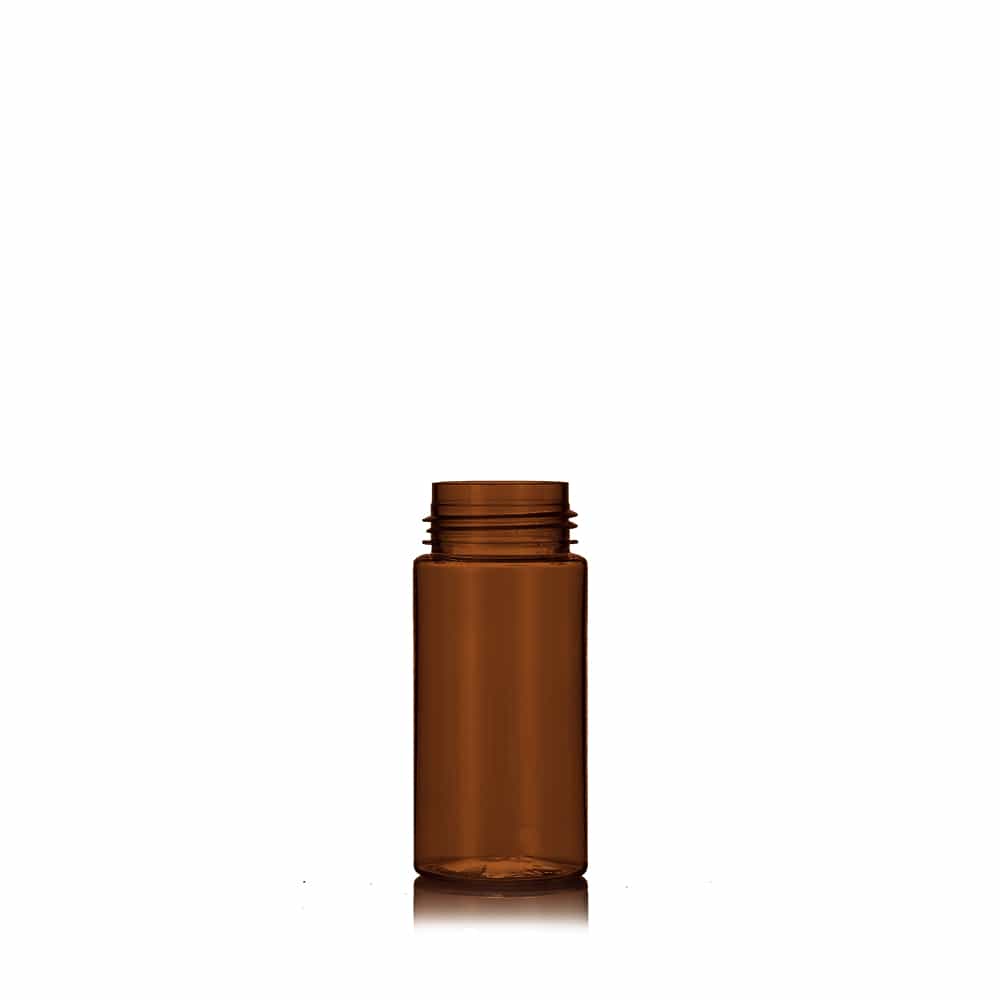
For a coordinated amber-and-black first range, our sampling shortlist starts with these two formats. The bottle examples use the listed 35% PCR PET variants; the black PP closures are separate components and are not described as PCR. Confirm variant availability before planning the production order.
For beard oil, compare the 1 oz amber PET Cosmo bottle, 20-410 with the black PP smooth disc-top cap, 20-410. This is a compact dispensing-cap option, not a glass dropper or a measured-dose pump. The cap is unlined: test oil flow, dribble control, seal integrity and transport leakage with the final blend before adopting it.
For a foaming beard wash, compare the 4 oz amber PET foam bottle, 42-410 with the black PP foaming pump, 42-410, with a 3-inch dip tube. The pump is listed for 4 oz foam bottles. Use a purpose-formulated low-viscosity foaming wash, not neat beard oil or an ordinary thick cleanser; verify tube reach, priming, output and leakage on the actual assembly.
Amber is a visual choice here, not a verified UV-protection or shelf-life claim. These are sample candidates, and matching neck finishes do not establish formula compatibility or guarantee assembled performance. For balm, source a suitable wide-mouth format separately rather than trying to use either liquid pack.
 Illustrative empty grooming bottle and separated dispenser beside a beard comb; actual component materials and fit require confirmation.
Test the Filled Package and the Product Together
Have the formulator, manufacturer and an appropriately qualified laboratory or assessor define the safety and stability program. Test the final formula with the intended bottle, dispenser, decoration and filling process. Record component lots and formula versions so results can be connected to later production.
Checks may include appearance, odor, viscosity, leakage, dispensing, weight changes and label adhesion. Oil residue on a label and water exposure around a wash dispenser create different practical tests. The chemical-compatibility guide provides background, but acceptance criteria must suit the actual product.
Water-containing washes and conditioners require an appropriate microbiological and preservative assessment. An anhydrous oil or balm still needs a product-specific review of safety, oxidation and foreseeable handling. Neither “natural” nor “water-free” establishes a complete safety or shelf-life claim.
Assess realistic shipping and storage exposure, especially where balm may soften or where a dispenser can be actuated inside a parcel. Accelerated testing can help reveal weaknesses, but an arbitrary number of weeks at elevated temperature does not automatically prove years of shelf life. Qualified specialists should choose the methods and interpret the evidence.
Agree on the Manufacturing Route and Responsibilities
An existing manufacturer formula can reduce development work. Custom formulation gives more control over texture and performance, but introduces additional sample rounds and approval decisions. Suppliers use private label and white label inconsistently, so ask what the service includes rather than relying on the term.
Find out whether the quote covers bulk formula only or a filled, labeled product. Confirm the packaging used for any existing stability or compatibility evidence. A test report for the manufacturer's original bottle does not automatically cover your selected dispenser or a modified fragrance.
For custom work, document the performance brief, revision process and release criteria. Agree who owns the formula, whether exclusivity is included and what information can be transferred if you change manufacturers. Development fees alone do not establish intellectual-property ownership.
Put responsibility for safety documentation, batch records, complaints and ingredient substitutions in writing. A manufacturer may need to share confidential formulation information directly with a qualified assessor. An SDS alone is not a complete cosmetic safety dossier.
Keep the filler's batch minimum separate from packaging minimums. A no-MOQ bottle order makes sampling and smaller component purchases possible, but it does not change a manufacturer's production minimum or a printer's setup cost. Align all three before committing money.
Build a Quote-Based Budget, Not a Generic Startup Number
The cost of starting a beard care brand depends on the formula, development route, testing, quantity and sales channel. There is no reliable universal launch price. Request written quotes for the actual finished-product specification, including the bottle and closure rather than only the bulk liquid.
The US Small Business Administration's startup-cost guidance separates one-time expenses from recurring expenses. For a beard line, the first group can include formulation, testing, artwork and setup. Inventory, fulfillment, insurance, marketing and routine operating costs need their own cash plan.
For an illustration, assume one product launches with 500 finished units at $5 each. That is $2,500 in inventory; a hypothetical additional $3,500 for development, testing and setup produces a $6,000 subtotal before other expenses and reserves. These are planning assumptions, not supplier quotes, market averages or a guarantee that this allowance covers a particular product.
Check what is inside the finished-unit cost. Bulk formula, filling, bottle, dispenser, label, carton, inbound freight and production losses may be billed separately. A cheaper container can become expensive if it increases leakage, rework or customer returns.
Model each channel beyond the retail gross margin. Payment fees, pick-and-pack, delivery subsidies, acquisition costs and returns reduce the contribution available for overhead. Wholesale needs a separate calculation because the selling price and order-handling costs differ from direct-to-consumer sales.
Keep Conditioning Claims Separate From Hair-Growth Claims
The FDA's cosmetic-versus-drug guidance explains that intended use determines the regulatory category. Cleansing, conditioning and appearance claims differ from claims to grow hair or treat disease. A familiar cosmetic ingredient does not make a therapeutic claim acceptable.
Review product names, labels, website copy, advertising and the claims given to sales partners together. Do not describe a beard oil modestly on the bottle while promising new growth online. Stronger claims may bring different legal requirements and should be assessed before development and artwork are finalized.
Ordinary cosmetics generally do not require FDA premarket approval, although applicable color-additive requirements remain. That is not permission to sell an unsafe or incorrectly labeled product. Registration or listing must not be presented as FDA approval.
The Federal Trade Commission's advertising-substantiation policy requires a reasonable basis for objective advertising claims before they are made. Keep the evidence appropriate to claims about performance or safety. Customer enthusiasm and attractive before-and-after photographs do not automatically substantiate the underlying claim.
Set Up MoCRA and Labeling Responsibilities
The Modernization of Cosmetics Regulation Act includes requirements relating to safety substantiation and adverse-event reporting. Identify the responsible person and establish who maintains records and handles incoming complaints. The responsible-person concept is tied to the manufacturer, packer or distributor whose name appears on the label, not simply whoever answers the customer-service inbox.
Assess facility-registration and product-listing requirements for the actual business and products. Limited small-business exemptions exist, with exceptions. Do not assume every brand owner operates a registrable facility, or that a small-business exemption removes product safety and labeling obligations.
The responsible person must report qualifying serious adverse events to FDA within 15 business days of receipt. Establish an escalation process that uses the applicable legal definition, rather than treating every customer complaint as the same kind of report. Preserve the information needed to investigate a suspected product problem.
Use the FDA Cosmetics Labeling Guide when reviewing identity, net contents, business information, ingredients and applicable warnings. Account for MoCRA's applicable contact-information requirement for reporting adverse events. Check the finished artwork on the physical bottle for legibility, barcode performance and oil or water resistance.
Release a Pilot, Then Plan the Reorder
Set a pilot quantity around the manufacturing process and agreed test plan, not an arbitrary industry rule. Check filling accuracy, headspace, closing settings, label placement and dispenser function on the actual run. Reserve enough retained samples for the planned evaluation and later investigation.
Define who approves commercial release and how deviations are handled. Connect finished batches with their formulation and packaging records. If the bottle supplier changes a resin or the manufacturer changes a fragrance, review which tests and approvals are affected before shipping the revised combination.
Prepare customer instructions, complaint handling, traceability and reorder timing before launch. Follow feedback on application, residue, scent and leakage alongside repeat purchasing. Adding another beard product should follow evidence that the first formula and operating process work, not simply the availability of matching containers.
 Illustrative beard-care pack-out with closed bottles, plain cartons, a towel and comb; not actual Propacks products.
Where Propacks Fits in a Beard Care Launch
Propacks supplies plastic bottles and closures, including PCR options, with no minimum order quantity and California fulfillment. That gives brands a way to sample formats and order components in smaller quantities. It does not replace a manufacturer's batch minimum or the testing needed for the complete product.
Bring the formula category, desired volume, color, neck finish and dispensing requirements to the packaging discussion. Confirm the selected variants and evaluate filled samples before placing the production order. Propacks supplies packaging, while the brand, manufacturer and qualified specialists establish the product's safety, suitability and applicable compliance.
Frequently asked questions
Is a PET bottle safe for oil?+
PET can be a suitable candidate for some beard-oil formulas, but the answer depends on the complete blend and the actual bottle grade and design. Ask the supplier to review the intended fill, then test the final oil with the bottle, liner or seal, and closure for leakage, changes in appearance and dispensing performance. The 1 oz amber PET bottle linked above is a sampling candidate, not approval for every oil or fragrance blend.
What is the difference between PET and HDPE bottles?+
PET commonly offers a clear or colored presentation, while HDPE is commonly used for translucent or opaque packs. For beard wash, compare the feel and dispensing effort of the actual designs if squeezing matters; resin name alone does not determine rigidity. For beard oil, prioritize formula compatibility and the closure seal over appearance. Both the bottle and its contact components need evaluation with the final fill.
What is the purpose of an amber bottle?+
Amber is used as part of a light-management and visual-design strategy, and it can give an oil-and-wash range a consistent appearance. It is not automatically a verified UV barrier: performance depends on the material and construction, not simply the visible color. Request relevant specifications and test the formula in the final package before making stability or shelf-life claims.
How long should a bottle of beard oil last?+
Separate the number of uses from shelf life. Estimate uses from the actual net fill and measured average amount applied; a larger bottle or a different dispenser changes that calculation. Unopened and after-opening shelf life depend on the formula, packaging and supporting stability assessment, so do not promise a fixed number of months from bottle size alone.
What is the purpose of a dropper bottle?+
A dropper helps transfer small amounts of liquid, but it is not automatically a calibrated dosing device. For beard oil, compare ease of use, bulb and seal compatibility, drips and repeatable application against a dispensing cap or treatment pump. The catalog shortlist here uses a disc-top cap rather than a dropper; if drop-by-drop delivery is essential to the product, source and qualify that complete system separately.
Can I put regular soap in a foam pump?+
Only if the actual formulation is suitable for that foaming dispenser. Thick beard wash may fail to draw or foam properly, so specify a purpose-formulated low-viscosity foaming wash and test priming, repeated use and clogging. The 4 oz amber foam bottle and black foamer above are a candidate assembly for that type of wash, not for neat beard oil. Do not casually dilute a finished cleanser, because that also changes its preservation and stability conditions.
How to determine bottle cap size?+
Obtain the full neck-finish specification from the bottle supplier, then select a closure with the corresponding finish. In this shortlist, the oil bottle and disc top use 20-410, while the foam bottle and foamer use 42-410. Matching a diameter alone is insufficient, and even a matching designation does not confirm liner fit, dip-tube length or sealing performance. Test the physical assembly before production.
What is the standard size for beard oil labels?+
There is no universal label size for a 1 oz or 2 oz beard-oil bottle. Request the selected bottle’s label-panel dimensions or dieline, allow for shoulder curvature and the seam, and test a printed sample on the real component. Fit the required label information before approving artwork, then assess oil resistance, adhesion and barcode scanning. Do not treat overall bottle height and diameter as a ready-made label template.

Written by
Queenie FongQueenie Fong is the founder of Propack Solutions, a woman-owned sustainable packaging company based in Ontario, CA. With nearly a decade of experience in the packaging industry, she specializes in post-consumer recycled (PCR) materials, helping brands source rPET, PCR HDPE, and PCR PP packaging that meets regulatory requirements and sustainability goals.