Private Label Skincare: The Complete Guide to Formulas, Packaging, and MOQ


Private label skincare lets you sell a finished product made by a contract manufacturer under your own brand. You pick the formula, the packaging, and the label. The manufacturer makes it, fills it, and ships it to you ready to sell. You skip the chemistry, the lab, and the FDA-registered facility, and you focus on the brand.
That is the appeal, and it is real. It is also where most first-time founders underestimate the work. The formula is the easy part. The packaging, the minimums, the labeling rules, and the unit economics are where launches stall. This guide walks through all of it, including the parts manufacturers gloss over.
What Private Label Skincare Actually Means
Private label means you sell a manufacturer's product as your own brand. White label is the same idea with one difference: a white label product is a generic formula offered to many brands, while a true private label product is customized for you. Most "private label" skincare sold to small brands is closer to white label. The base serum is the same one your competitor down the street is selling. You changed the scent, the label, and the bottle.
That is not a problem. Plenty of strong brands launch on stock formulas and differentiate on positioning and packaging. But you should know which one you are buying, because it changes your margins, your minimums, and how defensible your product is.
Contract manufacturing is the third model. Here you bring a formula, or develop one with a chemist, and the manufacturer produces it to your spec. This costs more and carries higher minimums, but the product is yours. For a first launch, most founders start with white label or light private label and move to custom formulation once they have sales.
The Real Cost of Launching a Line
The formula is rarely the expensive part. A stock white label moisturizer might cost two to four dollars per unit at low volume. The costs that surprise people are everywhere else.
Packaging is the big one. A bottle, a pump or cap, a label, and a box add up fast, and the packaging often costs more than the formula inside it. Minimum order quantities on packaging are where many launches break. A filler may happily run 500 units, but the bottle supplier wants you to buy 10,000 bottles to get a reasonable price.
Then come the soft costs: label design, FDA-compliant copy review, lab testing for stability and challenge testing, product liability insurance, and photography. None of these are optional if you plan to sell at retail or on a marketplace.
A useful planning number for a first skincare SKU is three to eight dollars in landed cost per unit at low volume, before you have negotiated anything. Whether you can sell that at a 60 to 75 percent gross margin depends almost entirely on the price you can command, which comes back to brand and packaging.
 The packaging components of a private label skincare product: bottle, closure, label, and box
Packaging Is the Decision That Defines the Brand
Customers cannot feel your formula through a screen. They judge your product by the bottle, the cap, and the label. This is the single most controllable lever a new skincare brand has, and it is where the no-minimum problem hits hardest.
Most packaging suppliers are built for large brands. They quote pallet quantities and treat a 500-unit order as a nuisance. That is why so many indie founders end up with a great formula and no way to package it at a sane cost. Sourcing packaging without a minimum order is the unlock that lets you test a line before committing to ten thousand units. Propacks was built for exactly this gap, supplying PCR bottles and closures with no minimum order quantity so a first run can be 200 units instead of 20,000.
The format follows the formula. Serums and facial oils go in dropper bottles because the dropper meters a small dose and signals a premium, concentrated product. Lotions and creams move to lotion bottles with treatment or lotion pumps, which dispense a controlled amount without contaminating the rest of the product. Toners and facial mists use fine-mist sprayers. Cleansers and washes often use foaming pumps or disc-top caps depending on viscosity.
One detail trips up nearly every first-timer: the neck finish. A bottle and its closure must share the same neck finish, written as two numbers like 24-410, where 24 is the neck diameter in millimeters and 410 is the thread style. A 24-410 cap does not thread onto a 20-410 bottle. If you buy bottles from one place and pumps from another, the finishes have to match or nothing fits. Buying the bottle and closure as a matched set from one supplier avoids this entirely. The bottle neck finish guide walks through how to read and match them.
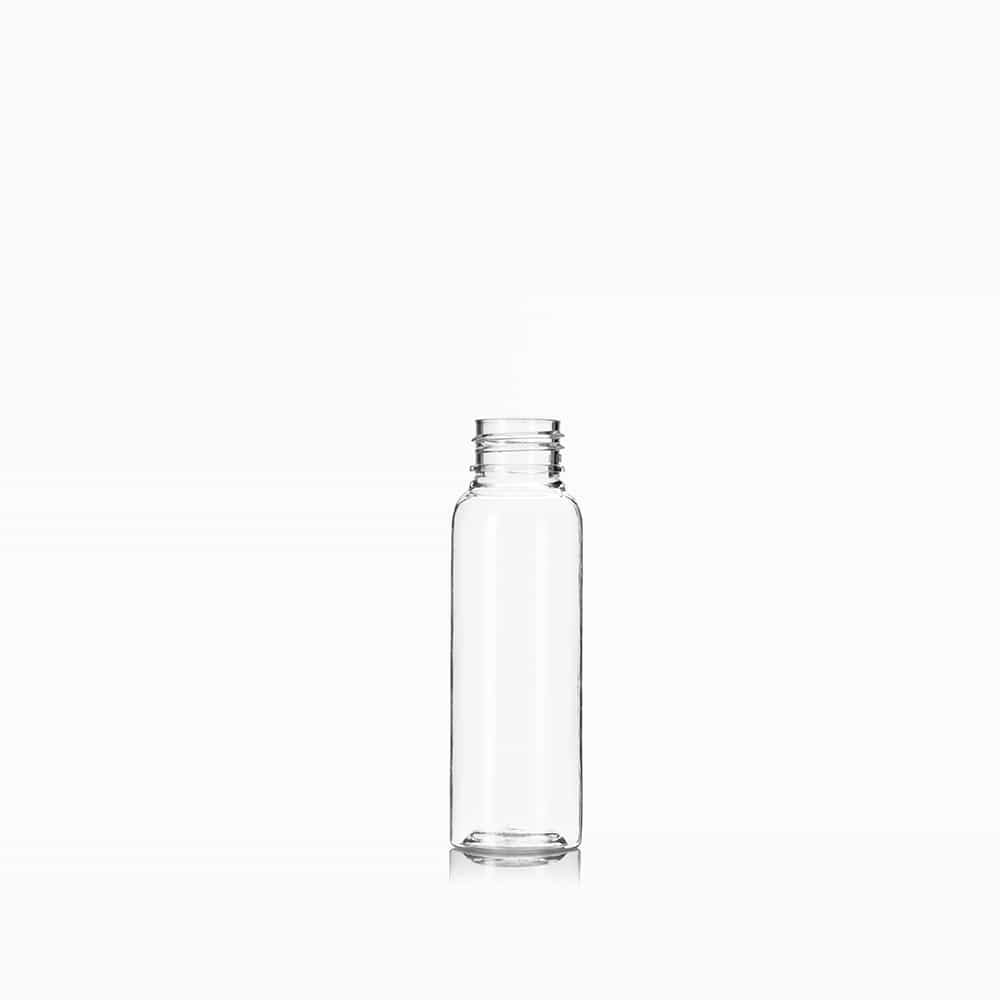
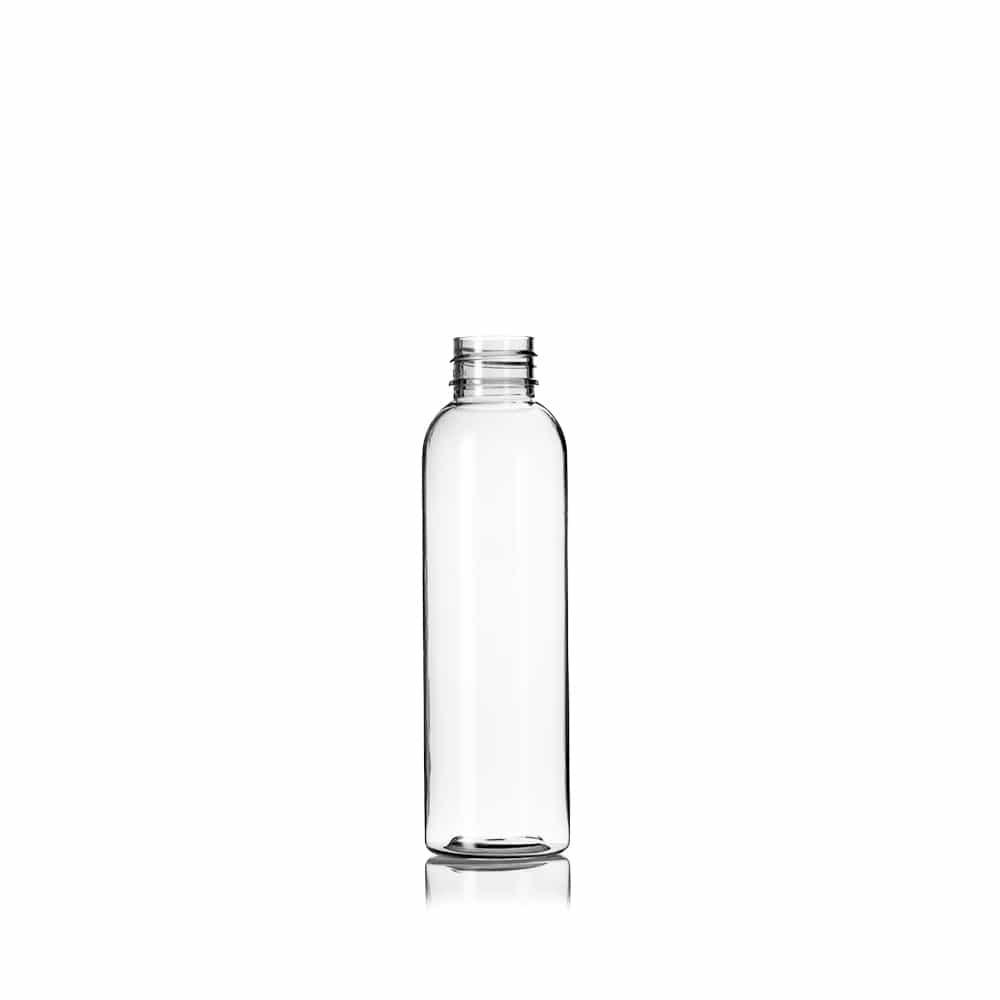
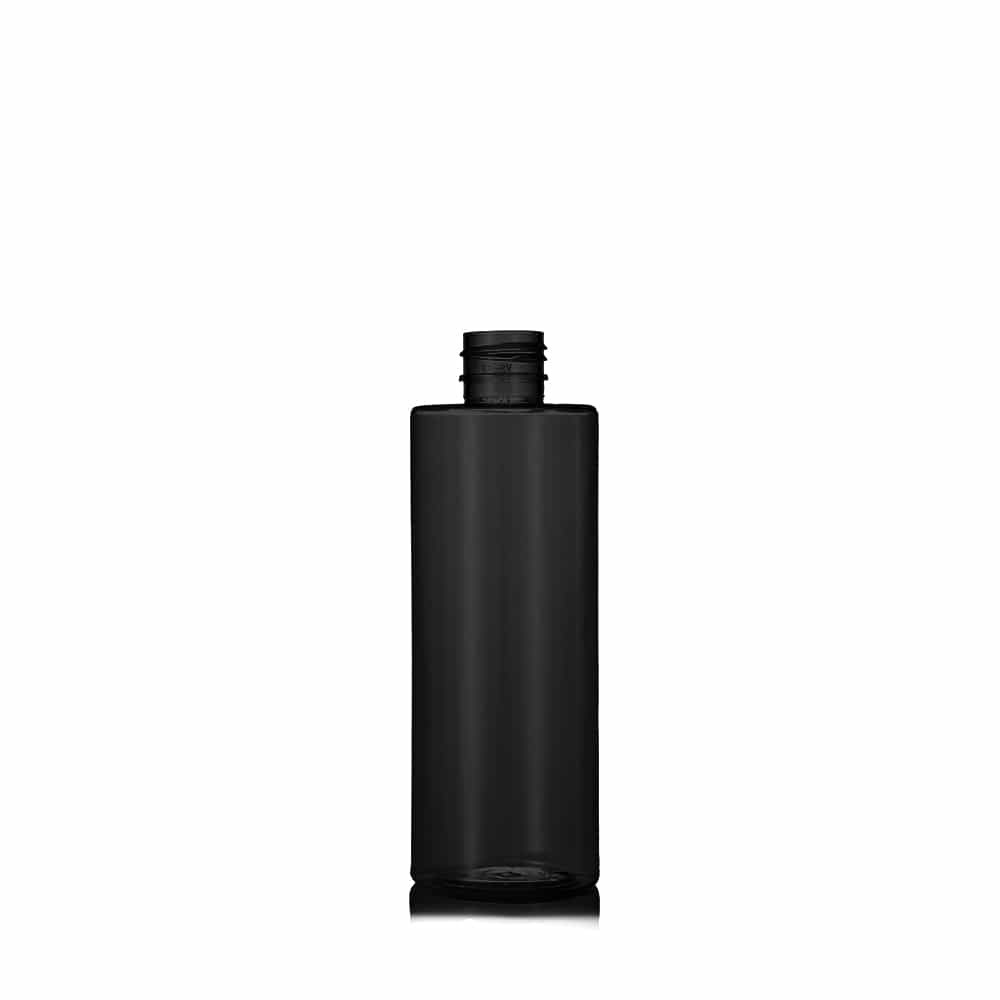
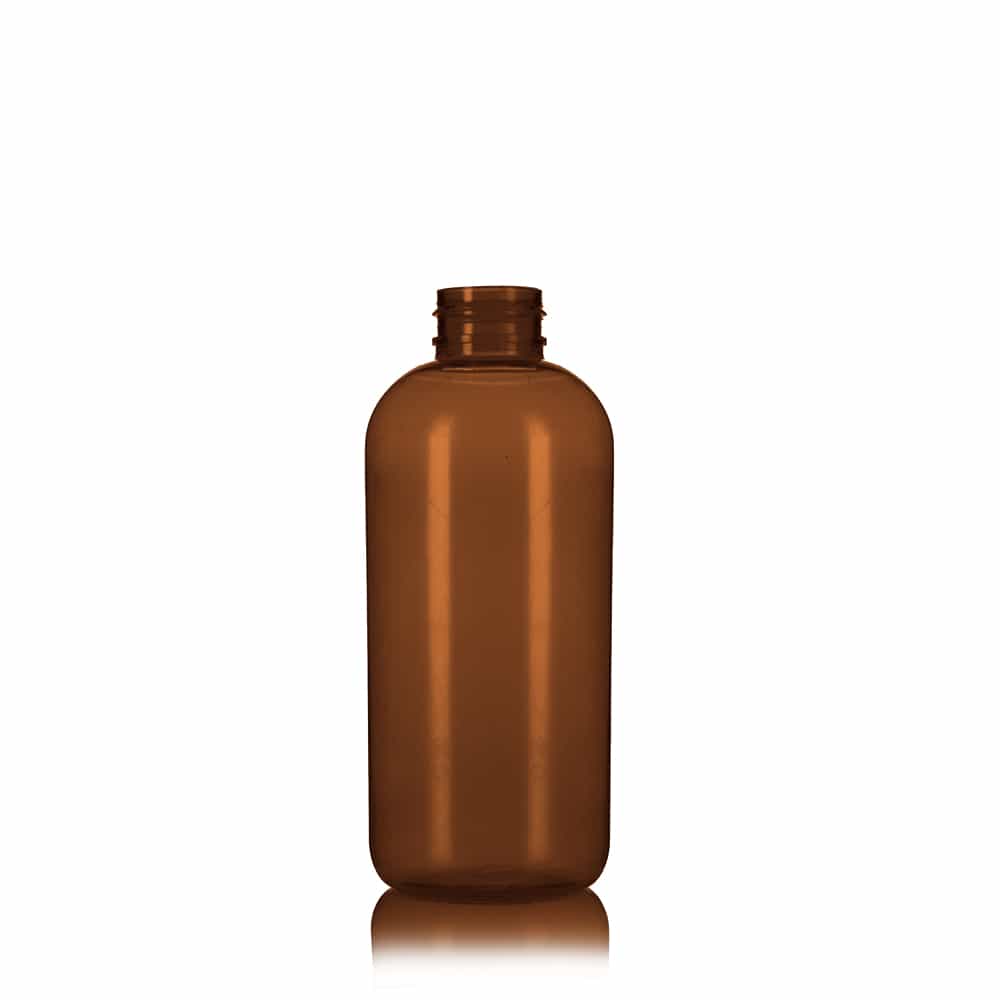
Material matters too. Clear rPET suits serums and toners that benefit from showing the product. Opaque rHDPE suits lotions and washes, and protects light-sensitive actives. Amber or violet bottles add another layer of light protection for ingredients like vitamin C and retinol. If you are deciding between formats, the guide on choosing the right bottle and closure for a beauty product covers the tradeoffs.
 Skincare packaging formats matched to product type: dropper for serum, pump for lotion, mist sprayer for toner
Licensing, Testing, and What the FDA Requires
Skincare in the United States is regulated as a cosmetic, and the rules changed recently. The Modernization of Cosmetics Regulation Act of 2022, known as MoCRA, is the largest expansion of FDA cosmetic authority in decades. The U.S. Food and Drug Administration now requires facility registration and product listing for cosmetics, plus safety substantiation for every product.
If you use a contract manufacturer, the manufacturing facility carries much of the registration burden, but you as the brand owner still hold responsibility for safety substantiation and correct labeling. According to the FDA's cosmetics labeling guide, your label must list ingredients in descending order of predominance, show net quantity, and carry the name and place of business of the responsible party.
There is a hard line to understand. A product that only cleanses, moisturizes, or beautifies is a cosmetic. The moment you claim it treats a condition, blocks UV, or changes the structure of the skin, it may be regulated as a drug. The FDA's guidance on whether a product is a cosmetic, a drug, or both lays this out. Sunscreen is a drug. An anti-acne treatment with active drug ingredients is a drug. "Reduces the appearance of fine lines" is cosmetic language; "repairs sun damage" crosses into drug claims. The FDA enforces this distinction, and getting it wrong on your label is a common and expensive mistake.
Testing is the other non-negotiable. Stability testing confirms the product does not separate or degrade over its shelf life. Challenge testing, also called preservative efficacy testing, confirms the formula resists microbial growth once a customer opens it and dips a finger in. A reputable manufacturer should provide or arrange both. Do not skip them to save a few hundred dollars, because a contaminated product is a recall and a lawsuit.
 A bottle neck finish and matching closure thread, illustrating 24-410 compatibility
A First-Order Checklist
Before you place a first private label order, work through this sequence. Define the product and the single claim you want to make, then confirm that claim keeps you in cosmetic territory rather than drug territory. Choose the formula, whether stock white label or custom, and request the ingredient list and any existing stability and challenge test data.
Match the packaging to the format. Pick the bottle, the closure, and confirm the neck finishes agree. Order samples and fill them with the actual formula to confirm fit and compatibility, since some essential oils and actives react with certain plastics. Lock the label copy against the FDA labeling rules, including ingredient order, net contents, and responsible party.
Price the full landed unit cost, formula plus packaging plus label plus fill plus freight, then set retail at a multiple that leaves a 60 percent or better gross margin. Buy product liability insurance before the first sale. Order a small first run, sell it, learn, and reorder. The no-minimum path exists precisely so the first run can be small.
Why Starting Small Wins
The instinct on a first launch is to order big to get the unit price down. For a brand with no sales history, that is the fastest way to end up with a garage full of product nobody wants. A test run of a few hundred units tells you whether the formula, the price, and the packaging actually sell. You lose a little margin per unit, but you keep your capital and your flexibility.
Once a SKU proves itself, scale the order, negotiate packaging price at volume, and move toward custom formulation if you want a product competitors cannot copy. Brand and packaging carry the early sales; the formula earns loyalty once people are already buying. Build in that order.
Frequently asked questions
What is the difference between private label and white label skincare?+
White label skincare is a generic formula sold to many brands, where you add your own label and packaging. Private label is customized to some degree for your brand, such as a tweaked scent, a different active, or a unique blend. In practice, most skincare sold to small brands is white label with private label branding. Custom formulation, where you own the formula outright, is a separate and more expensive path.
How much does it cost to start a private label skincare line?+
Landed cost for a first skincare SKU typically runs three to eight dollars per unit at low volume, combining formula, packaging, label, fill, and freight. On top of per-unit cost, budget for label design, FDA-compliant copy review, stability and challenge testing, product liability insurance, and photography. Packaging and testing surprise most founders more than the formula does.
Do I need FDA approval to sell private label skincare?+
The FDA does not pre-approve cosmetics, but under the Modernization of Cosmetics Regulation Act you must register the manufacturing facility, list the product, substantiate safety, and label the product correctly. If your product makes a treatment claim, blocks UV, or alters skin structure, it may be regulated as a drug, which carries far stricter requirements. Keep your claims in cosmetic territory unless you are prepared for drug regulation.
What packaging do I need for a skincare line?+
Match the package to the formula. Serums and oils use dropper bottles, lotions and creams use pump bottles, toners and mists use fine-mist sprayers, and cleansers use foaming pumps or disc-top caps. Confirm the bottle and closure share the same neck finish, such as 24-410, so they fit. Buying bottles and closures as a matched set from one supplier avoids mismatched threads.
What is the minimum order to start a skincare brand?+
It depends on the supplier. Many fillers run a few hundred units, but packaging suppliers often impose minimums in the thousands or tens of thousands. Sourcing packaging with no minimum order quantity lets you launch a first run of a few hundred units, test the market, and reorder once a product proves itself, rather than committing capital to inventory you have not validated.

Written by
Queenie FongQueenie Fong is the founder of Propack Solutions, a woman-owned sustainable packaging company based in Ontario, CA. With nearly a decade of experience in the packaging industry, she specializes in post-consumer recycled (PCR) materials, helping brands source rPET, PCR HDPE, and PCR PP packaging that meets regulatory requirements and sustainability goals.