How to Start a Supplement Company: Costs, Packaging, and Launch Checklist


Choose supplement packaging by dosage form before choosing a matching bottle range. Liquids, tablets, capsules and powders have different filling, dosing, barrier and closure requirements. This guide starts with those decisions and real liquid-format sample combinations, then covers manufacturers, costs, labels and the US launch process.
Select One Product, One Customer, and One Sales Channel
A first product should solve a defined customer problem without forcing the company to manage several formulas, labels, inventory forecasts, and claim files at once. One product also makes manufacturing quotes easier to compare because every supplier receives the same formulation brief, serving count, dosage form, testing plan, and packaging specification.
The dosage form changes the entire operating model. Capsules and tablets usually fit packer or round bottles, powders may need wide mouth containers and scoops, gummies create moisture and sticking concerns, and liquid supplements require formula specific compatibility and dispensing tests.
The primary sales channel changes the package as well. Direct to consumer shipping rewards low breakage and efficient case packing, Amazon adds marketplace preparation requirements, and retail buyers may require tamper evidence, specific case quantities, barcodes, insurance, and longer payment terms.
Write the product brief before approaching manufacturers. It should define the target user, serving format, ingredient direction, target retail price, sales channel, expected first run, required certifications, target launch date, and packaging assumptions.
Choose a Liquid Bottle or a Solid-Dose Packer First
Select the package around the dosage form before choosing a bottle color. A liquid needs a compatible sealed bottle plus a suitable dosing method where required. Capsules and tablets need an appropriately specified packer, blister or other solid-dose format; a narrow-neck liquid bottle is not interchangeable with a capsule packer.
For capsules or tablets, evaluate the actual unit dimensions and target count in physical samples. Leave room for the validated packaging system, which may include a desiccant or other insert where justified. Do not infer the number of capsules from an ounce capacity or treat one capsule size as representative of all formulas.
For liquids, distinguish net contents from dose measurement and brimful container capacity. Specify the intended fill and headspace with the manufacturer, and validate the measuring or dispensing method separately. The two linked catalog examples in this guide are liquid formats only, not evidence of a capsule/tablet packer assortment.
 Illustrative supplement launch planning with packer bottles, capsule samples, a powder format and sample cartons.
Compare Bottle Material, Color and Barrier Needs
PET, HDPE and glass are candidates with different weight, appearance and handling tradeoffs. Choose between them using the finished formula's stability and compatibility evidence, along with shipping and filling requirements. Glass does not solve an incompatible liner, and a familiar plastic resin does not by itself establish food-contact suitability for the intended use.
Amber or opaque packaging can be considered where light management matters, but color alone does not establish UV transmission or shelf life. For a moisture-sensitive solid, assess the whole package's moisture-control performance, including the closure and any specified desiccant. A thicker wall or darker bottle is not a substitute for supporting data.
Under 21 CFR 111.70, contact-packaging specifications must address safe and suitable intended use. Obtain application-specific material documentation and have the manufacturer approve the assembly. Keep PCR percentage, contact suitability and recyclability claims separate.
Specify Packaging as a Complete System
The bottle is one component of a package that also includes the closure, liner, tamper evidence when selected, desiccant or insert when used, label, lot code, expiration marking when used, shipper case, and filling process. Changing one component can affect seal integrity, line performance, label fit, moisture control, and the amount of product that fits.
Do not assume every dietary supplement is subject to a universal federal tamper evidence mandate. Tamper features may be driven by product risk, retailer or marketplace requirements, channel expectations, or a product specific rule, so confirm the requirement for the actual formula and sales path.
Part 111 requires specifications for packaging that contacts dietary supplements. Section 111.70 states that contact packaging must be safe and suitable for its intended use and must not be reactive, absorptive, or otherwise affect product safety or quality.
Propacks' supplement packaging guide explains how product format, bottle material, color, closure, neck finish, and dose count shape the selection. Its live Supplement Bottles collection provides stock 2 oz, 4 oz, and 8 oz formats with matching closure options and no minimum order requirement.
A usable packaging specification should identify bottle resin and recycled content, capacity, color, dimensions, neck finish, closure, liner, tamper feature, label panel, decoration method, case pack, and acceptance criteria. The manufacturer should approve that specification against its filling and capping equipment before the brand authorizes a production order. FDA's labeling guide says expiration dating is not generally required for dietary supplements, but a date used on the label should be supported by valid data.
Specify the Lid, Liner and Seal as Separate Decisions
Match the bottle and closure neck finish, then confirm the liner construction for the container material and product. An induction liner uses a foil layer heated by an induction field to activate its sealing layer at the bottle rim. It needs compatible materials, suitable cap application and validated equipment settings; the presence of a foil liner alone does not prove an effective seal.
A pressure-sensitive liner adheres through its adhesive system and closure application rather than the same induction-heating process. Do not treat the two liner types as equivalent barriers or equivalent evidence of package integrity. Choose and validate the actual construction against the protection and distribution requirements.
Child resistance is a separate feature from a ribbed lid or an induction seal. Confirm whether product-specific rules or the chosen channel require special packaging or tamper evidence, and obtain suitable evidence for the completed package. Do not imply every dietary supplement has identical closure requirements.
Two Liquid Supplement Packaging Combinations to Sample
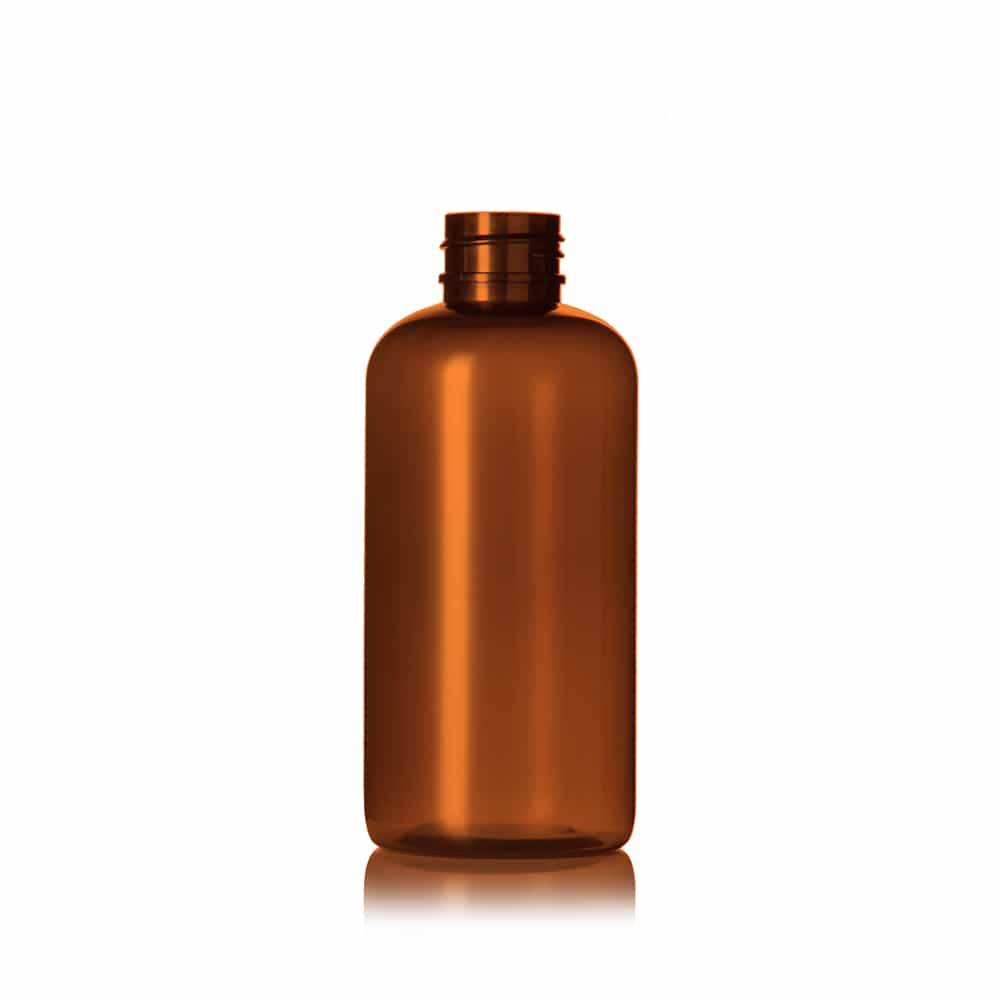
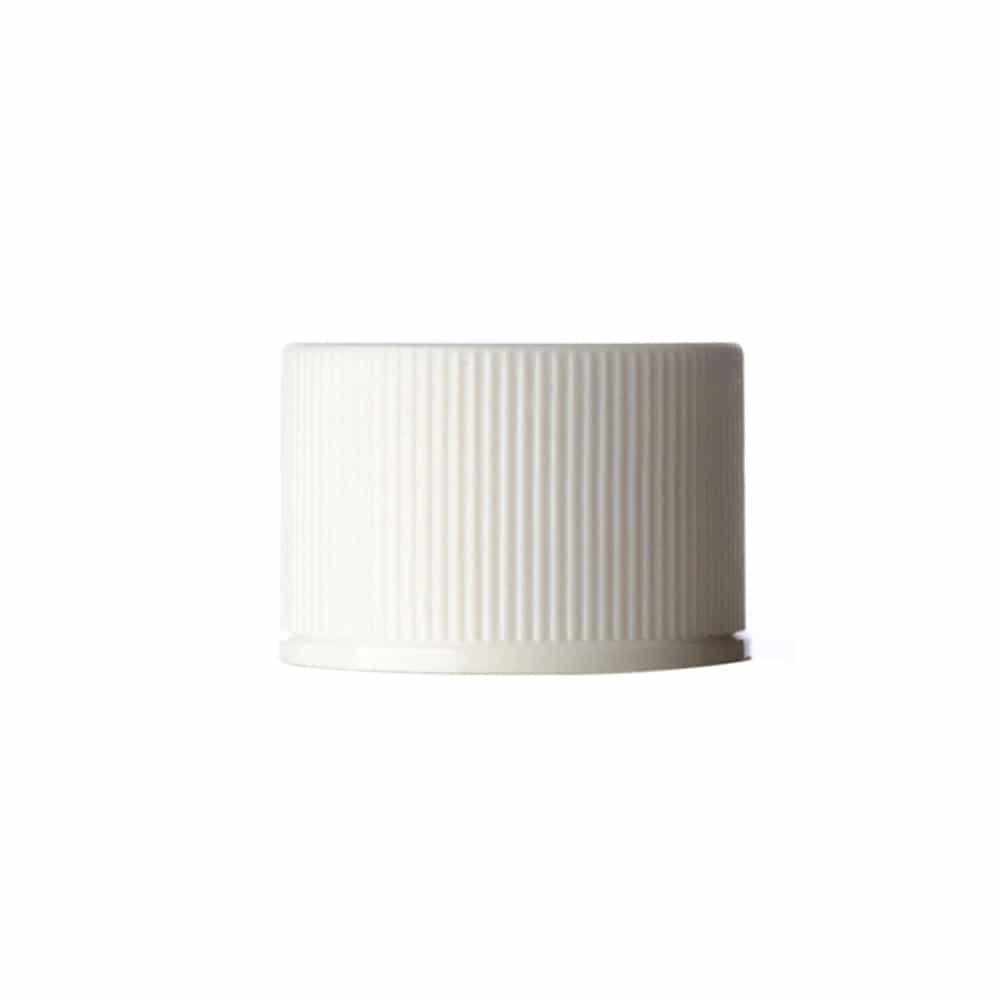
These catalog examples are for liquid supplements only, not capsules, tablets or powders. For a standard liquid format, compare the 4 oz amber PET Modern Round bottle, 24-410 with the white PP ribbed lid, 24-410, with a heat-induction seal. Confirm the liner specification is suitable for PET and the actual formula, and validate the sealing process with the filler.
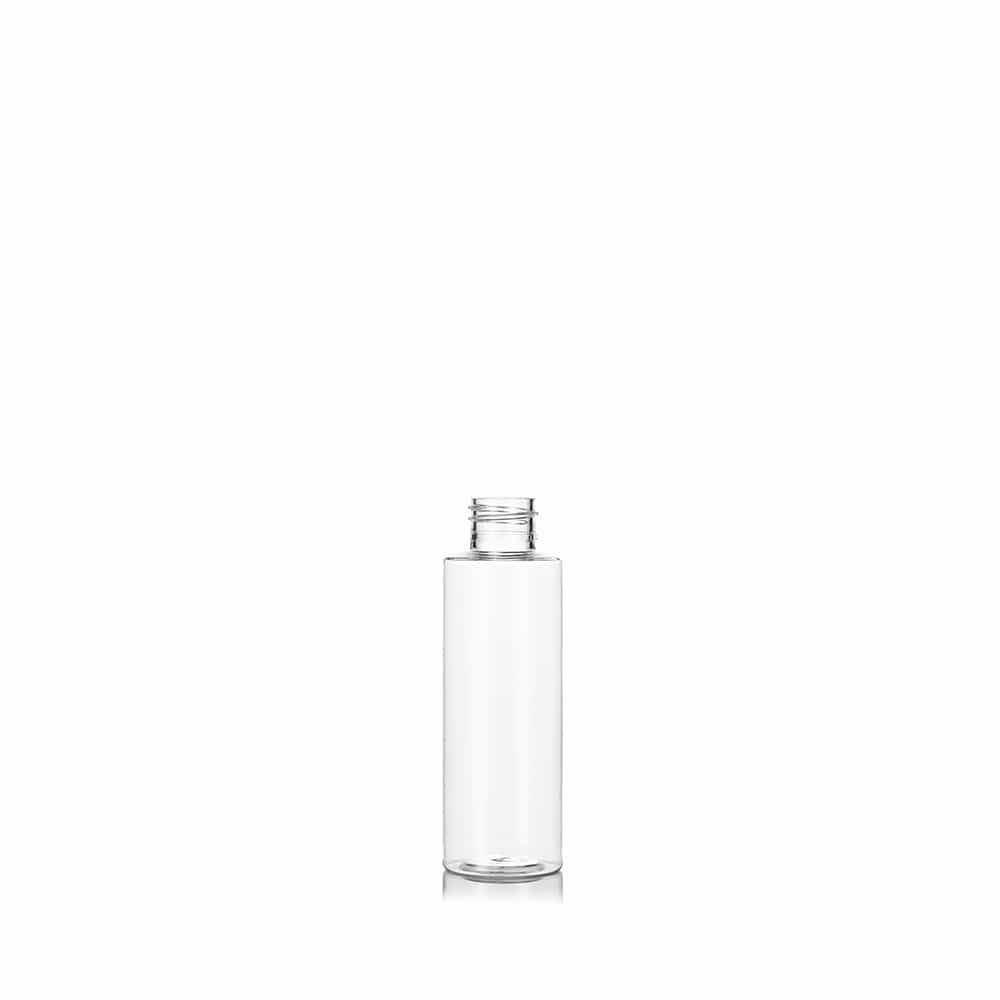
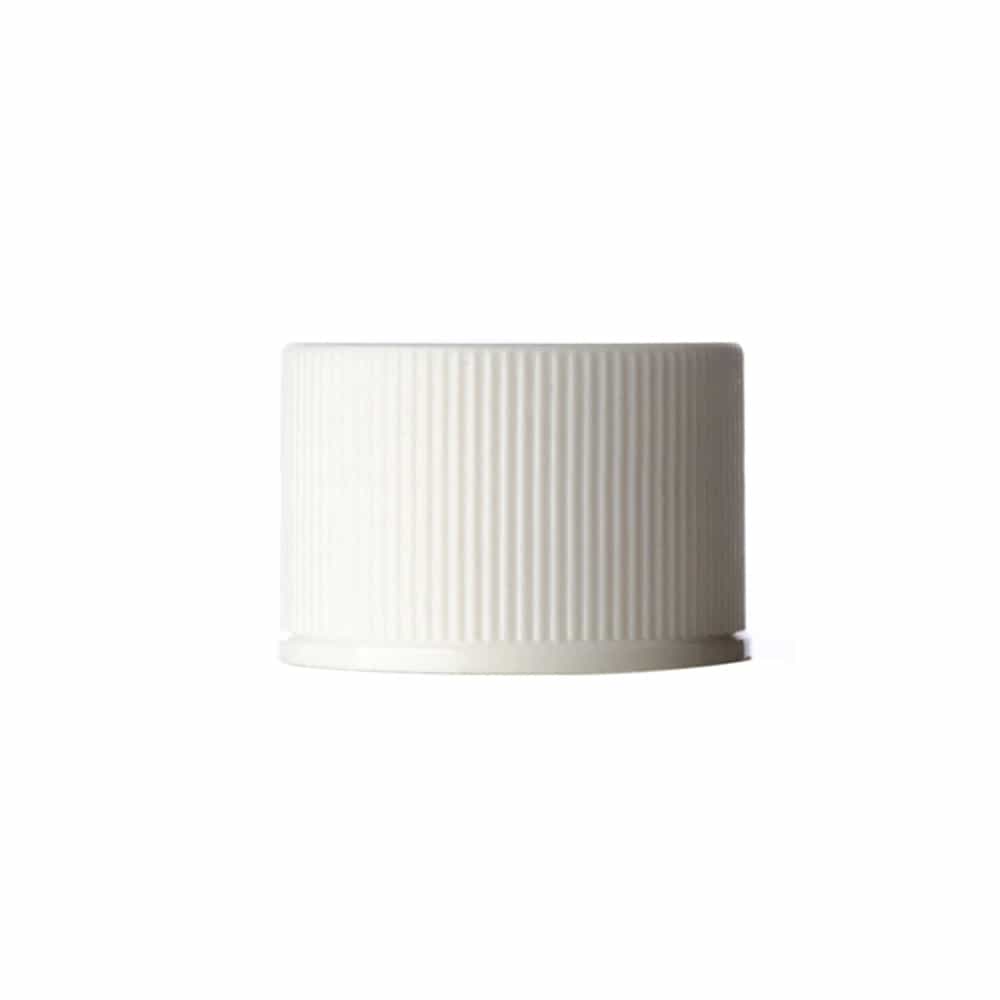
For a smaller trial format, compare the 2 oz clear PET Cylinder Round bottle, 20-410 with the white PP ribbed lid, 20-410, with a heat-induction seal. Specify a suitable dosing method separately where required: neither bottle volume nor this cap establishes dose accuracy or a tablet count. Assess light and shelf-life requirements for the actual liquid.
The bottle examples use the listed 35% PCR PET variants and separate white PP closures. Obtain application-specific food-contact documentation, confirm availability and validate the formula, liner and finished seal. A ribbed lid is not a certified child-resistant closure; induction-seal performance and any required tamper evidence or special packaging must be established for the finished system. Capsule and tablet launches need a separately specified packer format.
 Illustrative supplement bottle, cap and sealing-liner review with capsule samples in a counting tray.
Test the Formula, Package, and Filling Process Together
A bottle that looks correct when empty can fail after filling. Oils may interact with liners, hygroscopic powders may need stronger moisture control, liquid formulas may leak through a mismatched closure, and a label that fits a digital template may lift on a curved or tapered panel.
Begin with physical samples. Propacks' packaging sample guide covers visual inspection, closure fit, dispensing, label trials, and formula compatibility work before a larger order.
Compatibility testing should use the finished formula, intended fill volume, actual closure, expected storage orientation, and realistic temperature conditions. The chemical compatibility testing guide explains accelerated aging, weight change, migration, stress cracking, sensory checks, and dimensional inspection.
The first filled pilot should also test capping torque, liner compression, tamper evidence, lot coding, label application, case packing, and shipping. Record the approved combination as a controlled specification rather than relying on a bottle name in an email thread.
Choose a Launch Model Before You Choose Ingredients
The first decision is not whether to sell magnesium, collagen, or an herbal blend. It is how much product control, speed, and inventory risk the business can support. Suppliers use “white label” and “private label” inconsistently, so compare formula ownership, exclusivity, change rights, testing, and minimums rather than relying on the name of the program.
White Label Is the Fastest Market Test
A white label product uses an existing formula and usually an existing package selected from a manufacturer's catalog. The founder supplies the brand, label artwork, sales channel, and marketing plan while accepting limited control over the formulation.
This model works when the goal is to test a customer, offer, or channel without funding custom development. The tradeoff is weak differentiation because another brand may sell the same underlying formula.
Private Label Adds Brand Control Without Full Development
Private label programs normally offer a stock or lightly configurable formula with choices around dosage, flavor, bottle, closure, count, and label. They require more coordination than white label, but they can preserve a faster timeline than a formula built from scratch.
Private label is often the practical first step for a founder who has clear positioning but has not yet proven demand. It creates room to improve packaging and customer experience without placing every dollar into formulation work.
Custom Formulation Buys Differentiation at a Cost
A custom product can control ingredients, dose, excipients, flavor system, dosage form, and intellectual property terms. It also adds formulation work, sourcing risk, pilot samples, analytical testing, stability questions, and generally larger minimum production runs.
Custom formulation makes more sense when the brand has validated demand or when the formula itself is the defensible product. It is a poor default when the founder has not yet tested price, acquisition cost, or repeat purchase behavior.
Build the Full Startup Budget Before Requesting Quotes
There is no official startup cost for a supplement company. The U.S. Small Business Administration recommends separating one time expenses from monthly expenses and accounting for inventory, insurance, professional services, licenses, marketing, and working capital.
A manufacturer's production quote is therefore not the launch budget. It may omit brand development, label review, independent testing, insurance, freight, storage, ecommerce fees, customer acquisition, and the cash deposit for a reorder.
One April 2026 operating model from Inventory Ready places a single 5,000 unit capsule launch at $14,200 to $29,500 and a comparable gummy launch at $31,000 to $56,000. The source describes these bands as orientation from operational experience, not survey data, and excludes branding, legal review, insurance, paid acquisition, and some channel costs. Replace the scenario with at least two itemized manufacturer quotes before committing capital.
Separate One Time and Recurring Costs
Entity formation, trademark work, initial label design, formula development, photography, and some setup charges are primarily launch expenses. Manufacturing, packaging, testing, freight, insurance, storage, software, and marketing continue after the first sale.
This separation matters when evaluating unit economics. A first run may appear unprofitable after absorbing every setup expense, while a second run improves because the formula, artwork, and packaging specification already exist.
Keep Reorder Cash Outside the Launch Budget
A product that sells through but cannot be reordered is not a successful launch. Contract manufacturers commonly require deposits, and the next batch may enter the schedule weeks before the current one runs out.
Reserve reorder cash before deciding how much to spend on custom packaging or launch creative. The practical question is not only whether the first order is affordable, but whether the business can pay for the second order while the first batch is still turning into cash.
Form the Business and Map Regulatory Responsibilities
The brand needs an appropriate legal entity, tax registrations, banking, insurance, contracts, and any state or local permits that apply to its activities. The SBA licensing guide notes that requirements vary by business activity, location, and issuing agency, so there is no universal supplement business license that replaces state and local research.
Dietary supplements are regulated differently from conventional foods and drugs. The FDA dietary supplement overview states that manufacturers and distributors are responsible for evaluating safety and labeling before marketing and for ensuring that products are not adulterated or misbranded.
A founder should also distinguish a brand entity from the physical facilities that manufacture, pack, or hold food. FDA facility registration obligations generally attach to covered facilities, subject to exemptions, rather than automatically requiring every brand owner to register a separate office.
Outsourcing production does not outsource every responsibility. Contracts should identify who owns the formula, approves specifications, releases batches, maintains records, reviews labels, handles complaints, manages recalls, files required notifications, and carries which insurance.
The postmarket system must also exist before the first sale. FDA's adverse event reporting guidance explains that a responsible person receiving a serious adverse event report must submit it to FDA no later than 15 business days after receipt, with follow up reports required when qualifying new medical information arrives.
Vet the Contract Manufacturer as a Quality System
A manufacturer should be evaluated on the operations it performs, not on a badge placed in a website footer. The binding federal requirements sit in 21 CFR Part 111, which covers personnel, facilities, equipment, production controls, quality control, components, packaging, labels, laboratory operations, records, complaints, and distribution.
FDA's small entity compliance guide for dietary supplement CGMP explains that firms remain responsible for the provisions applying to the operations they perform. A distributor using a contract manufacturer still needs enough visibility into those activities to make informed decisions about specifications and product release.
Verify the Audit, Not Just the Phrase GMP
FDA requires CGMP compliance, but “FDA registered” does not mean FDA approved. Registration is an administrative requirement, while compliance depends on the facility's actual quality system and inspection history.
Ask for the scope and date of the most recent independent audit, the corrective action process, and documentation showing that the facility and dosage form are covered. NSF describes NSF/ANSI 455-2 as a dietary supplement GMP audit standard encompassing regulatory requirements, retailer requirements, and industry practices.
Review Specifications, Testing, and Batch Release
Request a sample certificate of analysis, an explanation of incoming ingredient identity testing, finished product specifications, laboratory methods, out of specification procedures, and the person authorized to release a batch. A polished sales deck is not a substitute for these records.
FDA makes dietary supplement and food related warning letters publicly searchable. They can help a buyer understand the kinds of manufacturing, labeling, and claim failures regulators are finding, although a historical letter should be read with any later closeout or corrective context.
Compare Manufacturers With the Same Brief
Send every serious candidate the same formula direction, dosage form, count, testing expectations, packaging specification, first run quantity, and timeline. A low quote based on a stock bottle and minimal testing cannot be compared directly with a quote that includes custom development, independent testing, decorated packaging, and freight.
Ask who purchases the packaging and who bears the risk if the bottle, closure, liner, label, or filling line is incompatible. Also confirm production tolerances, deposit terms, overrun and underrun policy, artwork deadlines, ownership of tooling, reorder lead time, and the documents delivered with each batch.
Lock Claims and Label Architecture Before Printing
FDA does not preapprove a supplement label, but the label still has required elements. The agency's Dietary Supplement Labeling Guide covers the statement of identity, net quantity, Supplement Facts, ingredient declarations, name and place of business, and other labeling questions. The responsible person's domestic address or phone number must also support serious adverse event reporting from the label.
The formula, serving size, ingredient quantities, warnings, manufacturer or distributor statement, and package dimensions all affect the artwork. Printing labels before the final product and package specification is approved creates a relabeling risk.
Structure and Function Claims Need Their Own File
A supplement may use qualifying structure and function statements, but those statements cannot claim to diagnose, treat, cure, or prevent disease. FDA's structure and function claims guide explains that the company needs substantiation before making the claim, must use the required disclaimer, and must notify FDA within 30 days after first marketing a product bearing the claim.
Marketing copy creates separate exposure. The FTC Health Products Compliance Guidance says both express and implied health claims need appropriate substantiation and that objective health claims generally require competent and reliable scientific evidence.
Check New Dietary Ingredient Status Early
A custom formula may raise a new dietary ingredient question. FDA's NDI background for industry explains that an ingredient not marketed in the United States as a dietary supplement before October 15, 1994 may require a safety based notification at least 75 days before introduction into interstate commerce, unless an exception applies.
There is no authoritative master list of every pre 1994 ingredient. Ingredient status and the chemical form being used therefore belong in the regulatory review before the company commits to a custom formula or launch date.
Size the First Order Around Sell Through and Reorder Time
The manufacturer's minimum batch and the packaging supplier's minimum order are different constraints. A turnkey manufacturer may bundle packaging into its quote, while a brand supplying its own components may be able to test several bottle and closure combinations without buying the entire production quantity first.
Propacks carries stock packaging without a minimum order on most listed components. That lets a brand buy samples, conduct a pilot, and hold a limited replacement reserve without committing to a custom packaging run before product demand is proven.
Set the production quantity from a conservative sales forecast rather than the lowest unit price shown on a large volume quote. The reorder point is expected demand during the manufacturing and packaging lead time plus an explicit safety stock allowance.
A cheaper unit cost can still be an expensive decision if inventory sits for a year, the label changes, or the formula needs revision. The packaging lead time guide can be used with the manufacturer's production schedule to determine when the second packaging and production orders must begin.
Build a Launch Sequence That Prevents Rework
Start with the customer, product concept, price, launch model, channel, and total cash limit. Move next to a common manufacturer brief and compare qualified partners on the same scope.
After selecting the provisional manufacturer, finalize formula direction, ingredient status, specifications, testing, claims, and label architecture. Approve the bottle and closure only after the manufacturer confirms line fit and the formula passes the planned package tests.
Release printed labels and production packaging after the formula, serving information, warnings, package dimensions, and lot coding plan are controlled. Keep independent testing, insurance, fulfillment setup, customer complaint procedures, and reorder cash on the launch plan rather than treating them as work for after the first sale.
The final commercial gate is simple: the company should know who releases the batch, what documents prove it met specifications, where each lot is stored and shipped, how a complaint reaches a responsible person, and how the next batch will be financed. If those answers are unclear, the product is not ready for traffic.
A packaging adviser can help turn the approved formula, serving count, and filling requirements into a sample set and component specification. Brands can contact Propacks to compare stock supplement bottle and closure combinations before committing to the first full order.
 Illustrative small supplement batch with broad-cap packer bottles, sample capsules and divided cartons.
Frequently asked questions
What is the best way to package capsules?+
Compare an appropriately specified capsule packer or blister system against the actual capsule size, count, stability needs and filling process. Check physical fill and any required insert or moisture-control system instead of estimating capsule count from bottle ounces. The product references in this article are liquid formats, not verified capsule packers.
What are the common types of packaging used for tablets?+
Tablet packaging options include suitable packer bottles and blister formats, selected around the product, filling process and protection required. Validate the actual tablet count and dimensions, package integrity and any justified moisture-control system. Do not substitute one of this article’s narrow-neck liquid bottles without establishing its suitability for the solid dosage form.
What is the difference between a pressure-sensitive seal and an induction seal?+
A pressure-sensitive liner adheres through its adhesive system and closure application; an induction liner uses a foil layer heated by an induction field to activate a compatible sealing layer at the bottle rim. They are not automatically equivalent moisture barriers or tamper-evidence systems. Choose the actual liner construction for the bottle material and product, and validate application and seal integrity with the filler.
What is an induction seal on a bottle?+
It is a liner system whose foil layer is heated by induction so the compatible sealing layer bonds at the bottle rim. The liner, container material, cap application and sealing settings must work together. It does not automatically make the pack hermetic, child-resistant or suitable for every supplement.
Is glass packaging better than plastic?+
Neither material is universally superior; the choice depends on the formula's compatibility, shipping requirements, and specific product needs. Plastic options like PET or HDPE may offer advantages in weight and breakage resistance, while glass may be preferred for specific chemical stability or aesthetic reasons. The decision must be based on testing the actual formula against the candidate material to ensure safety and quality.
Should I remove the desiccant from pill bottles?+
Follow the product manufacturer’s storage instructions and retain the intended original packaging and desiccant when specified. Do not eat the desiccant or replace it with an improvised loose material. For a new supplement brand, the type, quantity and retention of any desiccant belong in the validated package specification rather than being added as a generic accessory.
How to determine bottle cap size?+
Cap size is determined by the specific neck finish of the bottle, such as 24-410 or 20-410, which must match the closure's threading. Matching the finish is an initial screening step, but it does not guarantee a tested fit or proper sealing performance. You must validate the closure and bottle combination through physical samples and torque testing to ensure line compatibility and seal integrity.
What are the different types of packaging tests?+
Packaging tests include chemical compatibility, accelerated aging, weight change, migration, stress cracking, and sensory checks. Physical tests also cover closure fit, capping torque, liner compression, and label application on the actual bottle geometry. These tests must be conducted with the finished formula and realistic storage conditions to verify that the package protects the product's safety and quality.

Written by
Queenie FongQueenie Fong is the founder of Propack Solutions, a woman-owned sustainable packaging company based in Ontario, CA. With nearly a decade of experience in the packaging industry, she specializes in post-consumer recycled (PCR) materials, helping brands source rPET, PCR HDPE, and PCR PP packaging that meets regulatory requirements and sustainability goals.