Your Packaging RFQ: A Template and Checklist for Brands


A packaging request for quote (RFQ) is a crucial document for brands seeking pricing on bottles, closures, pumps, or other packaging components. It gives suppliers the exact details of your needs, allowing them to provide accurate quotes instead of guesses. Many brands skip this step, sending vague inquiries that lead to incorrect, delayed, or incomplete pricing.
A well-structured RFQ makes procurement easier. It ensures you get accurate pricing quickly, simplifies comparisons between different suppliers, and cuts down on the back-and-forth communication that often delays product launches by weeks. This guide offers a detailed template for packaging RFQs, covering what to include, common oversights, and critical mistakes to avoid. Our goal is to make your sourcing efforts more effective.
Why a Detailed Packaging RFQ Matters for Your Brand
Sending an unclear quote request often forces suppliers to make assumptions. They might choose a material you did not specify, propose a neck finish incompatible with your chosen closure, or estimate a quantity tier that does not match your actual order volume. The result is a quote that means little, requiring a complete restart of the process. A precise RFQ serves three main purposes in packaging procurement.
First, it ensures you receive accurate pricing. Packaging costs change significantly based on material, volume, color, and neck finish. Without these specific details, a supplier cannot provide a reliable cost estimate. For example, the price difference between a PET and HDPE bottle of the same size can be over 20 percent per unit, according to industry analysis from Smithers in 2024. Specifying your requirements removes this uncertainty.
Second, a detailed RFQ makes direct supplier comparison possible. When you send the same comprehensive RFQ to multiple suppliers, their responses become directly comparable, line by line. Without this consistency, you try to compare different proposals, which makes an informed decision difficult. The Association of Plastic Recyclers (APR) states the importance of clear specifications for efficient material flow in the recycling stream.
Third, a professional RFQ shows your seriousness and organization. This often leads to better supplier service. Suppliers tend to prioritize buyers who clearly understand their needs and are ready to place an order. This can mean faster response times, better pricing, and dedicated attention from sales teams, ensuring your project gets the focus it needs. Packaging industry experts at Packaging World advise that clear communication forms the foundation of successful supplier relationships.
 Close-up of different bottle neck finishes and matching caps
Building Your Packaging RFQ: A Section-by-Section Guide
A well-structured packaging RFQ walks suppliers through every part of your project. It ensures they have all the necessary information to provide an accurate and competitive quote. Each section builds on the last, creating a full picture of your brand's requirements. This organized approach reduces misunderstandings and makes the quoting process as efficient as possible.
Company Overview and Project Context
Start your RFQ with a brief introduction to your company and project. This section gives the supplier essential background without too much detail. Include your company name, website, and the primary contact person’s name, email, and phone number. Briefly state your product category, such as skincare, supplements, or cleaning products. Also, mention your main sales channels, like direct-to-consumer (DTC), Amazon, or wholesale retail. Indicate if this is your first packaging order or if you have prior experience.
This context matters because different sales channels have different packaging needs. For example, a brand selling through Amazon FBA will have different durability and labeling needs than one selling only through boutique retail. A supplier who knows your sales channel can spot potential compatibility issues or regulatory concerns before they become expensive problems. This early insight helps keep projects on time and within budget.
Detailed Product Specifications
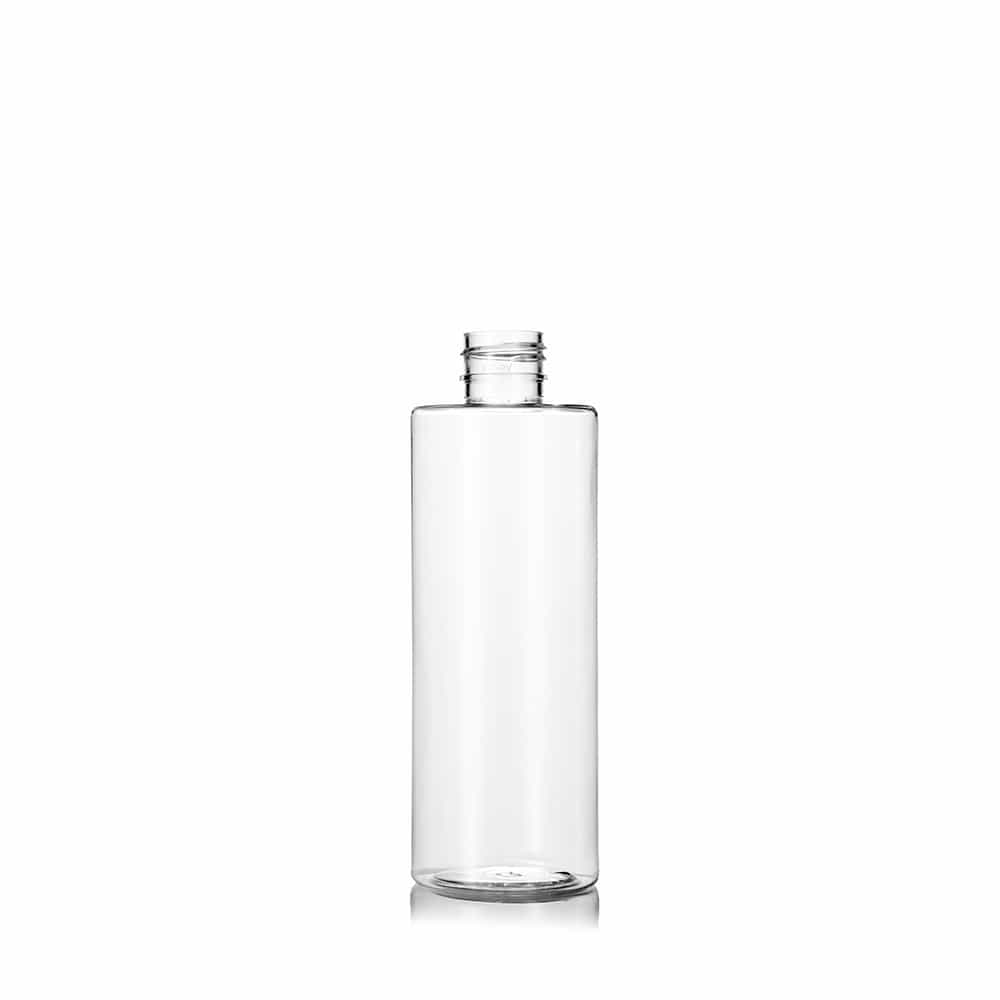
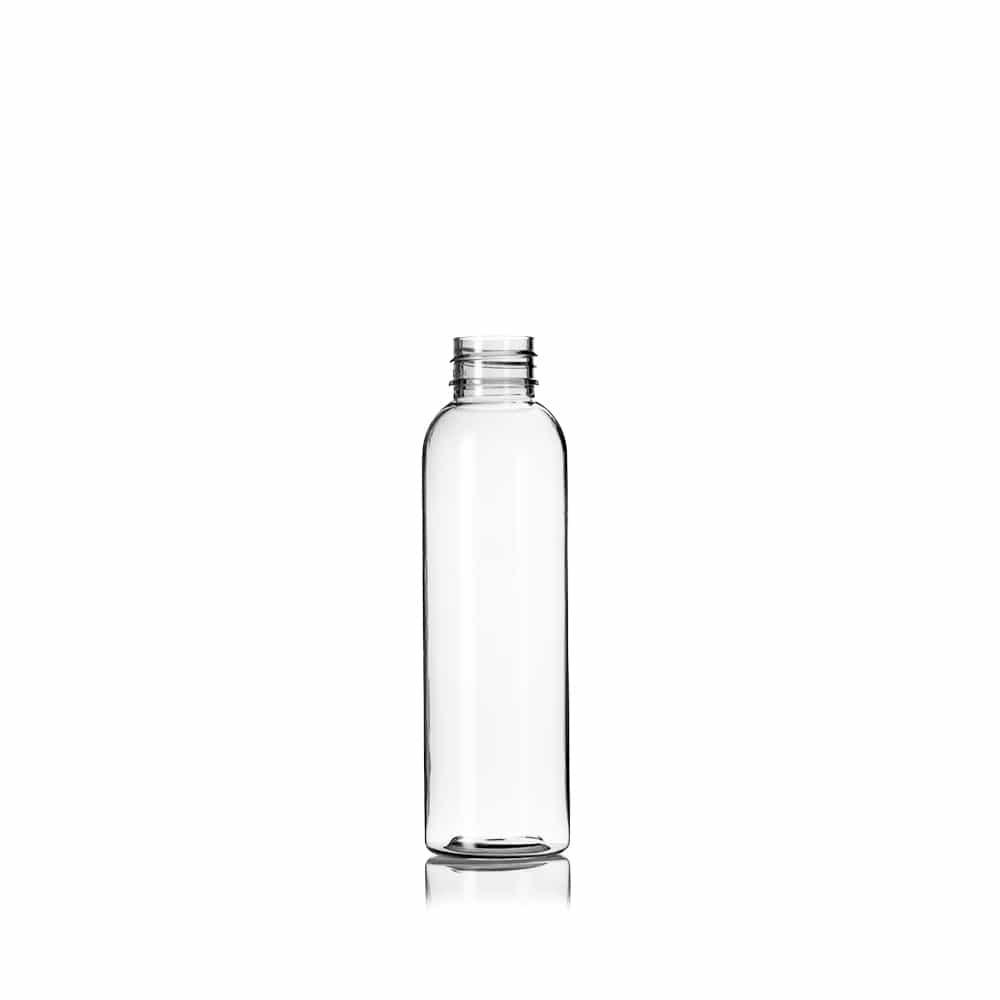
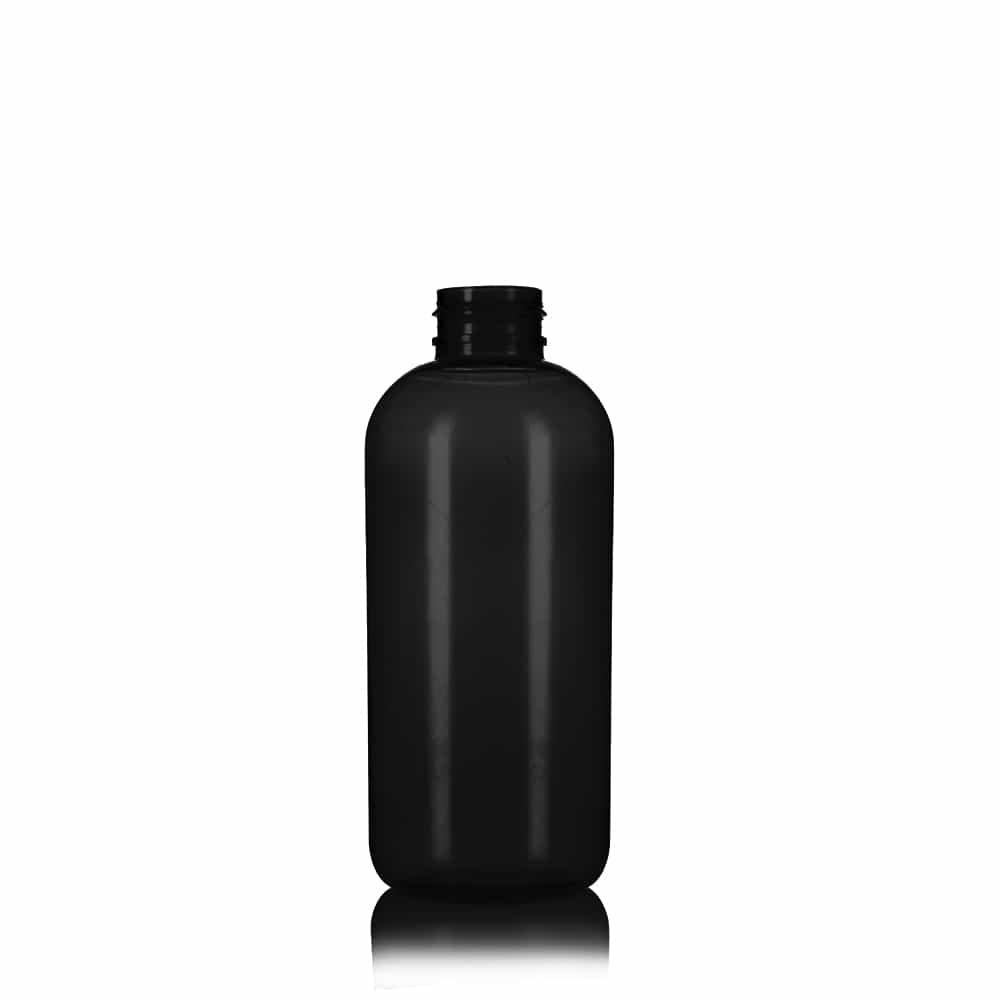
This is the most critical section of your RFQ, requiring extreme accuracy. Provide full details for each packaging component you need. For bottles, specify the desired material, such as rPET, rHDPE, or virgin plastic. If you have specific recycled content requirements, like 35 percent or 50 percent PCR, state them clearly. Propacks, for instance, offers proprietary formulations that achieve virgin-equivalent aesthetics with high PCR content, as detailed in our sustainability report. Detail the exact volume in ounces or milliliters, the preferred color, and the precise neck finish (e.g., 24-410 or 28-410). Include the bottle shape, such as Boston round or cosmo round, and any specific dimensions like height and diameter.
For closures, specify the type (e.g., screw cap, flip-top, lotion pump, fine mist sprayer), material (e.g., PP, PCR PP), and matching neck finish. If a pump or sprayer is needed, include the dip tube length and any desired output per stroke. For labels, provide dimensions, material, and placement guidelines. The more specific you are, the more accurate the quote will be. The U.S. Environmental Protection Agency (EPA) emphasizes that material choice significantly impacts environmental footprint, making clear specification vital for sustainability goals.
Quantity, Volume Tiers, and Delivery Schedule
Clearly state the exact quantities needed for each packaging component. If your project involves multiple stock-keeping units (SKUs) or different product sizes, list quantities for each separately. It helps to provide potential future order volumes or tiered pricing requests for larger quantities. For example, you might ask for pricing for 1,000, 5,000, and 10,000 units. Specify your desired delivery timeline, including any critical deadlines for product launches or seasonal campaigns. This helps suppliers check their capacity and provide realistic lead times.
Propacks, for instance, operates with no minimum order quantity (MOQ), which gives flexibility for brands exploring small runs or initial product launches. However, even with no MOQ, providing volume tiers helps suppliers understand your growth plans and offer more competitive pricing for future, larger orders. Clear communication about quantity and schedule ensures that suppliers can match their production and logistics to your business needs. Supply chain experts at Supply Chain Dive note that predictable volume data improves supplier relationships and pricing.
Sustainability and Compliance Requirements
In today's market, specifying sustainability and compliance standards is mandatory. Clearly state any requirements related to post-consumer recycled (PCR) content, such as minimum percentages or specific certifications like GRS (Global Recycled Standard) or ISO 9001. If your products are sold in California, reference compliance with SB 54 or other relevant state-specific regulations. For food or pharmaceutical products, specify FDA food-contact compliance or other applicable regulatory standards. The National Association for PET Container Resources (NAPCOR) provides extensive resources on PCR content verification.
These details are critical not only for regulatory adherence but also for matching your brand's values and consumer expectations. Suppliers need these requirements upfront to ensure they can provide compliant materials and documentation. Failing to specify these can lead to expensive delays, product recalls, or damage to your brand's reputation. The Ellen MacArthur Foundation champions clear material specifications to advance circular economy principles in packaging.
Decoration, Labeling, and Artwork
This section covers all aesthetic and branding elements of your packaging. Detail your decoration requirements, including whether you need screen printing, hot stamping, labeling, or other embellishments. Specify the number of colors, print locations, and any specific color matching (e.g., Pantone codes). Provide exact dimensions for labels and artwork placement, ensuring they fit the contours of your chosen bottles or closures. If you plan to apply labels in-house, simply state that you need blank, undecorated packaging.
It is important to outline your artwork submission requirements. Specify the preferred file formats (e.g., AI, EPS, PDF), resolution, and any bleed or safety zone specifications. This ensures that the supplier’s production team can accurately reproduce your design without problems. Clear guidelines prevent misprints and ensure brand consistency across your product line. Packaging designers regularly stress the importance of precise artwork specifications for high-quality results.
Shipping, Logistics, and Samples
Conclude your RFQ with practical details about shipping, logistics, and samples. Specify your preferred shipping method (e.g., ground, expedited freight), the destination address, and any specific delivery requirements, such as liftgate service or appointment scheduling. If you have a preferred carrier or account number, include that information. For international orders, clarify who is responsible for customs duties, taxes, and tariffs.
Detail your sample request process. Clearly state how many samples of each component you need, whether they should be decorated or undecorated, and the desired timeline for receiving them. Samples are essential for compatibility testing with your product formulations and for evaluating the aesthetic appeal and functionality of the packaging. Propacks ships from Ontario, CA, offering various shipping options. The American Chemistry Council (ACC) points out that efficient logistics are key to minimizing supply chain disruptions.
 Assortment of PCR bottles and closures with specification labels
Common RFQ Mistakes That Cost You Time and Money
Despite the clear benefits of a detailed RFQ, many brands fall into common traps that hurt their procurement efforts. These mistakes often lead to inaccurate quotes, longer lead times, and ultimately, higher costs. Recognizing and avoiding these pitfalls is as important as knowing what to include in your RFQ. A common error is a lack of specificity, where brands use general terms instead of precise measurements or material codes. This forces suppliers to guess, and their guesses rarely match the buyer’s true intent.
Another frequent mistake is providing unrealistic timelines. Expecting a custom mold to be designed, produced, and shipped within a few weeks is impractical. It sets both parties up for failure. Lead times for packaging, especially for custom or high-volume orders, can range from several weeks to several months, depending on complexity and material availability. The Plastics Industry Association recommends budgeting ample time for all stages of the procurement process.
Failing to provide clear contact information or assigning a single point of contact for the RFQ can also cause delays. Suppliers need direct access to someone who can answer clarifying questions quickly. Furthermore, neglecting to specify sustainability requirements, such as PCR content or recyclability, is a growing oversight. As regulations like California SB 54 become stricter, these details are no longer optional. Omitting them can lead to non-compliant packaging and potential legal issues.
Finally, some brands make the error of focusing only on the lowest price. While cost is a major factor, it should not be the only one. Factors such as supplier reliability, quality control, communication, and lead times are equally, if not more, important for long-term success. A slightly higher-priced quote from a reputable supplier with excellent service can save more in avoided problems and delays than a rock-bottom price from an unreliable source. Industry procurement specialists consistently advise a holistic evaluation of supplier proposals.
 Comparing packaging supplier quotes side-by-side on a desk
Evaluating Supplier Quotes: Beyond the Bottom Line
Once you receive responses to your RFQ, the job shifts from writing to evaluating. This process goes beyond simply comparing the final price. A full evaluation considers many factors to ensure you select a supplier that matches your brand's quality standards, operational needs, and long-term goals. Start by checking that each quote fully addresses all items in your RFQ. Any missing information or differences should be flagged for clarification before moving forward. A common mistake is to overlook these discrepancies, leading to misunderstandings later.
Beyond the itemized costs, examine the proposed lead times. Do they match your product launch schedule? Unrealistic or overly long lead times can impact your market entry. Assess the supplier's minimum order quantities, even if you are not currently ordering at their highest tiers. Propacks, for example, offers the flexibility of no MOQ, which can be a significant advantage for small businesses or those testing new product lines. This flexibility can save warehousing costs and reduce inventory risk. The American Production and Inventory Control Society (APICS) highlights the importance of lead time accuracy in production planning.
Evaluate the quality of the materials and manufacturing processes described in the quote. If certifications like GRS or ISO 9001 were requested, confirm their inclusion and validity. Review the supplier’s communication style and responsiveness throughout the RFQ process. This often indicates their level of service during an actual order. Consider their track record, customer references, and any provided samples. A supplier’s ability to provide high-quality samples for compatibility testing is a strong sign of their commitment to customer satisfaction. Ultimately, the goal is to find a partner, not just a vendor, who can consistently deliver on quality, schedule, and cost. Procurement best practices suggest that a balanced scorecard approach yields the best supplier selection.
RFQ vs. Simple Quote Request: When to Use Each
Understanding the difference between a formal RFQ and a simple quote request is crucial for efficient procurement. While both aim to gather pricing information, their scope, formality, and the types of projects they suit differ significantly. A simple quote request is usually a brief, informal inquiry for standard, off-the-shelf products where specifications are well-known and minimal. For instance, if you need a common 8oz clear PET bottle with a standard screw cap, and you already know the neck finish and material, a quick email or phone call might be enough. This approach works best for straightforward reorders or initial pricing checks for readily available items.
Conversely, an RFQ is a structured, detailed document designed for more complex or custom packaging projects. It is essential when you require specific material compositions, such as particular PCR percentages, custom colors, unique bottle shapes, or intricate decoration. An RFQ is also appropriate when you are sourcing for the first time, evaluating multiple new suppliers, or when compliance with specific regulations like California SB 54 is mandatory. The depth of an RFQ ensures that all potential variables are covered, minimizing the risk of miscommunication and ensuring that all suppliers are quoting on the exact same basis. The National Institute of Governmental Purchasing (NIGP) defines an RFQ as a formal solicitation for pricing.
While an RFQ focuses on price for clearly defined goods or services, a Request for Proposal (RFP) is used for more complex projects where the solution itself is not fully defined. An RFP invites suppliers to propose innovative solutions, methodologies, and pricing, often for services or highly customized products where creativity and problem-solving are paramount. For packaging, an RFP might be used for developing an entirely new sustainable packaging system or a bespoke dispenser mechanism. However, for most standard and semi-custom bottle and closure sourcing, an RFQ is the appropriate and most efficient tool. It provides the necessary detail without the extensive scope of an RFP. The procurement industry generally distinguishes between these based on how well the solution is defined.
Frequently asked questions
What is a RFQ checklist?+
A packaging RFQ checklist is a guide that outlines all essential inclusions and common oversights to ensure your request is comprehensive. It helps brands verify they've provided precise details about materials, dimensions, quantities, and other specifications. This ensures suppliers can deliver accurate pricing and prevents delays from incomplete information.
How to write an RFQ?+
To write an effective packaging RFQ, you must provide precise details about your needs, including material, volume, color, and neck finish specifications. A well-structured RFQ streamlines the procurement process, ensuring accurate pricing and facilitating direct comparisons between suppliers. It's crucial to outline all requirements clearly to avoid assumptions and receive actionable quotes.
What mistakes should I avoid in my RFQ?+
A primary mistake to avoid in your RFQ is sending vague or imprecise inquiries, which can lead to suppliers making incorrect assumptions about materials or specifications. Failing to specify details like material type, neck finish, or exact quantities results in quotes that are not actionable. This often necessitates a complete restart of the process, delaying your product launch.
What are the key elements of an RFQ?+
Key elements of an RFQ include precise specifications for packaging components such as material type (e.g., PET, HDPE), desired volume, color, and neck finish. It should also detail the required quantities, any specific design or functional requirements, and relevant timelines. Providing these comprehensive details enables suppliers to offer accurate and comparable pricing.
What information should I include in my RFQ?+
Your RFQ should include specific information like the type of packaging component (e.g., bottle, closure), desired material (e.g., PCR plastic options from Propacks), exact dimensions, and neck finish. Additionally, specify the required order volume, color, any decoration needs, and your target delivery timeline. This level of detail ensures suppliers understand your exact requirements for an accurate quote.
What is the RFQ process step by step?+
The RFQ process typically involves first clearly defining your packaging needs and specifications, such as material, size, and quantity. Next, draft a comprehensive RFQ document using a detailed template, ensuring all critical information is included. Finally, submit this identical RFQ to multiple potential suppliers to receive comparable quotes and make an informed decision. This structured approach ensures efficiency and accuracy in procurement.

Written by
Queenie FongQueenie Fong is the founder of Propack Solutions, a woman-owned sustainable packaging company based in Ontario, CA. With nearly a decade of experience in the packaging industry, she specializes in post-consumer recycled (PCR) materials, helping brands source rPET, PCR HDPE, and PCR PP packaging that meets regulatory requirements and sustainability goals.