PP Food Packaging: FDA Food-Contact Basics for Trays, Lids, and Caps


Polypropylene, or PP, shows up across food packaging because it can handle a practical mix of heat, moisture, grease, rigidity, and molding detail. It is used in takeaway trays, deli tubs, hinged containers, lids, cups, and the caps or dispensing components that close packaged food and beverage products.
But “made from PP” is not a complete food-contact answer. A buyer needs to evaluate the finished item, the exact use conditions, and the documentation behind it. A black PP meal tray, a microwaveable lid, and a 24-410 PP cap may share a resin family while carrying very different performance and compliance questions.
This guide explains what to verify before selecting PP packaging for food or beverage use. It also covers where closures matter, why a test report is not a blanket certificate, and how recycled content changes the diligence required.
Why PP is common in food-contact packaging
PP is resin code #5. It is lightweight, tough, and readily injection molded into shapes with ribs, compartments, threads, snap features, or flexible hinges. Those properties make it useful when a package needs to move from filling line to shelf, delivery bag, refrigerator, or microwave without losing its intended function.
A tray may need enough stiffness to stack. A lid may need to seat securely while food is transported. A cap may need to thread cleanly onto a bottle and preserve the seal through shipping. Material choice is only the beginning; the geometry, wall thickness, closure fit, food type, and temperature exposure determine whether the package works in the real world.
The applicable U.S. food-contact regulation for olefin polymers is 21 CFR 177.1520. It describes conditions under which specified olefin polymers may be used in food-contact articles. Buyers should treat it as a starting point for a product-specific review, not a substitute for supplier documentation.
 Stacked polypropylene food trays and matching lids with visible molded rims
What “FDA compliant” should mean in a buyer conversation
“FDA approved” gets used too casually in packaging. The more useful question is whether the supplier can provide records showing that the exact article and intended use are supported by the relevant food-contact framework.
Ask what the sample was, which material and additives were used, what foods or food simulants were considered, how long contact lasts, and at what temperature the article will be used. A cold deli container, a hot-fill tray, and a microwaveable lunch box do not present the same conditions.
The FDA’s food-contact materials resources explain that packaging components are evaluated in relation to their intended use and potential migration into food. That is why a generic material data sheet is useful but incomplete: it may identify the resin, while leaving the actual finished-package conditions unanswered.
A credible supplier should be able to connect the item a buyer is purchasing to the relevant documentation. When the order is substantial, request the current report rather than relying on an old product-page badge or a broad marketing statement.
A test report is evidence about a named sample
Third-party testing can be valuable, especially when it identifies the sample, method, conditions, result, and reporting date. It helps a buyer understand what was actually tested rather than accepting an undefined “food grade” claim.
It also has limits. A report for one white tray is not automatically evidence for every color, wall thickness, molded design, or new production run. A report tied to a particular food-contact condition should not be stretched to cover a different temperature, food type, or reuse pattern.
 Polypropylene container and lid prepared for product-specific food-contact review
Trays, lids, and caps are one packaging system
Food packaging failures often happen at interfaces. A tray may be sound while the lid does not maintain its seal. A bottle may be compatible with the product while the liner, pump, or cap creates an unexpected leak path. The right purchase decision considers all contact components together.
For tray-and-lid systems, confirm the lid is designed for the exact rim profile and that both components have been tested under the temperature and transport conditions the program expects. A package that performs in a room-temperature sample test can behave differently after hot filling, stacked storage, or a forty-minute delivery trip.
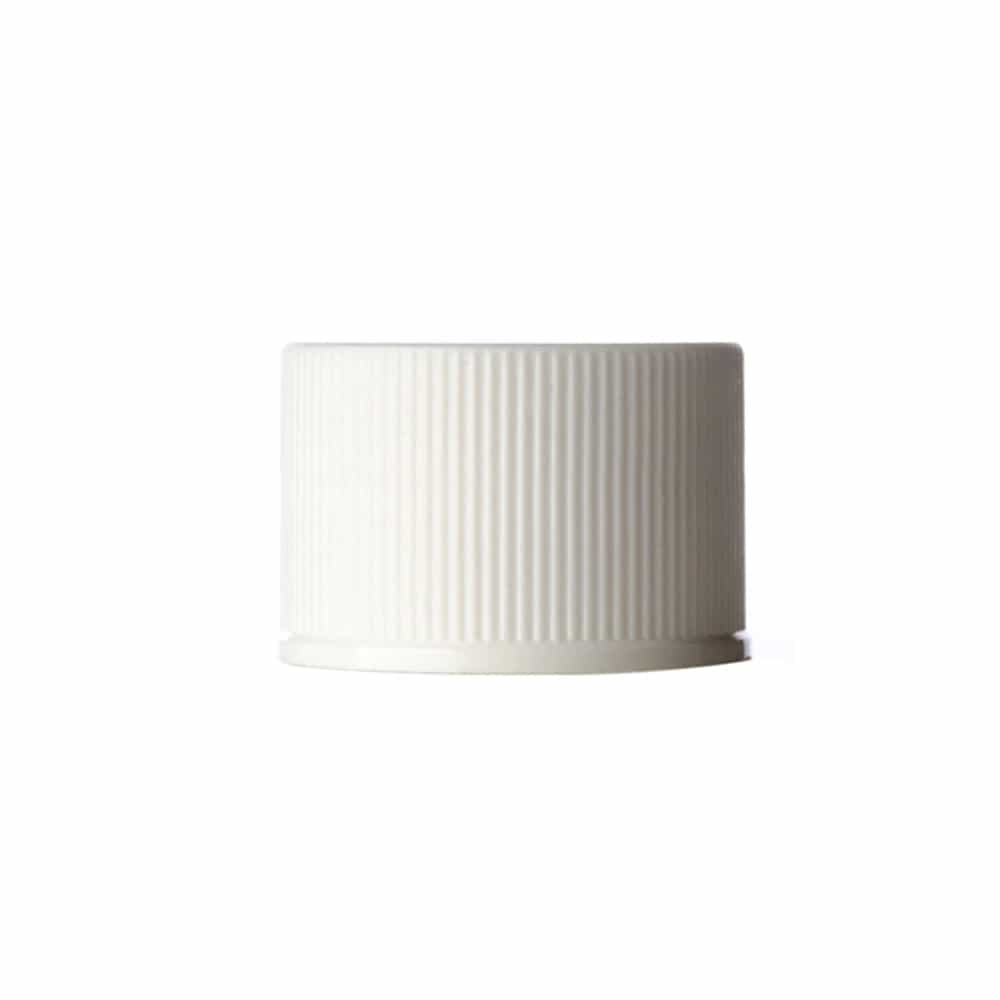
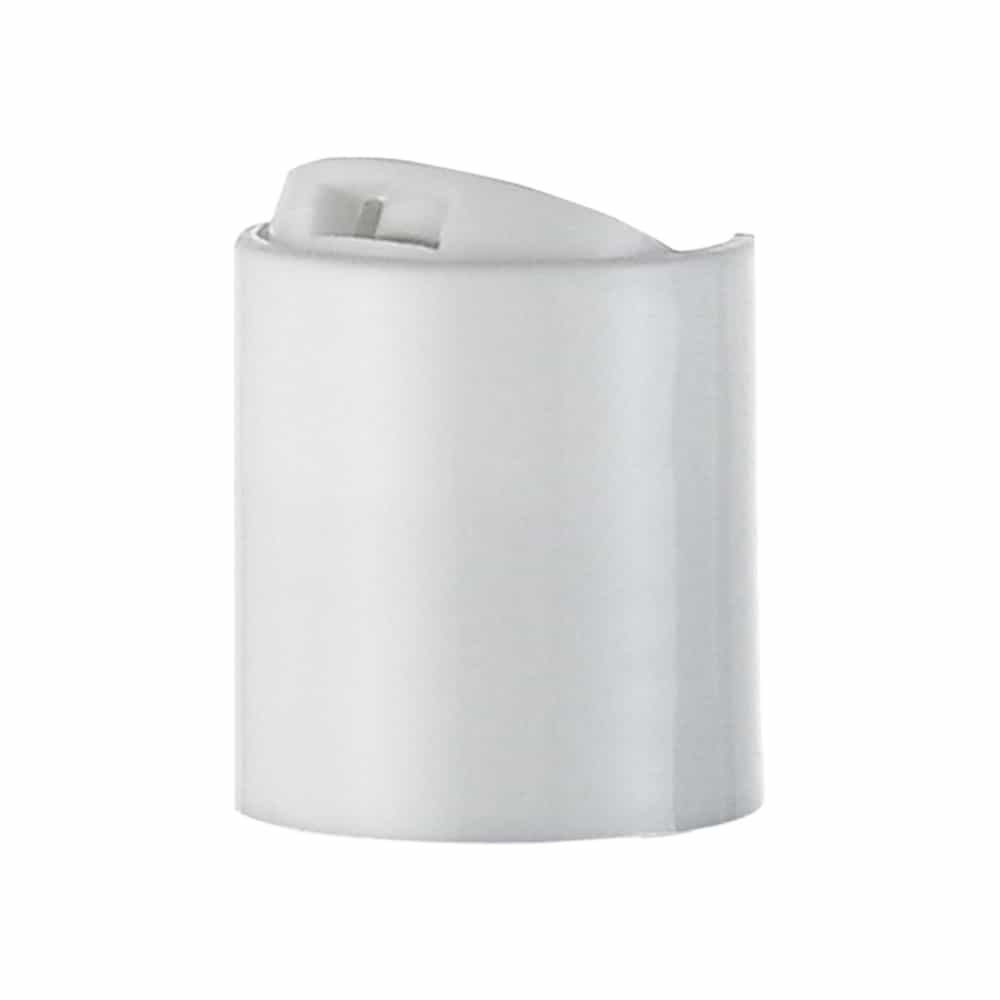
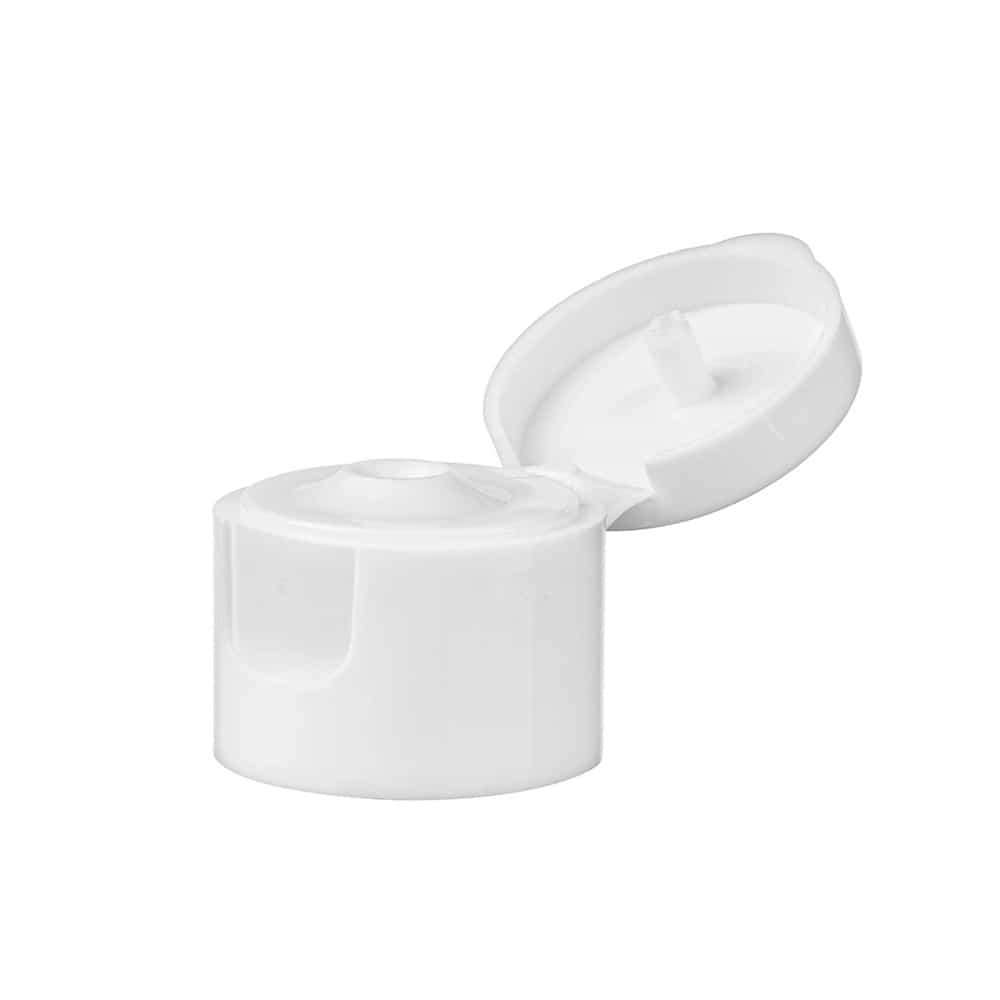
For liquid food, beverage, nutrition, or condiment packaging, the closure is a functional part of the food-contact system. PP is commonly used for caps, lids, pumps, and flip tops because it can form threads and molded moving parts reliably. Browse ProPacks PP closures by neck finish and closure type, then test the assembled bottle and closure with the actual fill.
Neck finish matters here. A 24-410 closure is designed for a 24-410 finish; it is not a rough estimate of opening size. The ProPacks closure torque guide explains why application torque, removal torque, liner type, and the filling process have to be checked together.
Heat, food type, and intended use change the brief
“Microwave safe” should not be inferred from the word polypropylene alone. The finished package, additives, thickness, design, and stated conditions of use matter. Heat changes the migration question, the structural question, and the user-experience question at the same time.
Start with the food. Dry snacks, oily prepared meals, acidic sauces, hot soup, and refrigerated supplements can make different demands on the package. Then define whether the item is for one use, repeated use, hot filling, reheating, freezing, or short-duration takeaway service.
The buyer’s written specification should record that intended use before samples are approved. This gives the supplier a concrete brief and makes it easier to compare alternatives honestly. It also prevents a purchasing team from treating a convenience-oriented stock item as if it had been validated for every application.
 PP cap and lid components paired with a clear PET bottle
Recycled PP needs additional, not lower, diligence
Recycled content can be a sensible packaging choice, but it does not create a universal food-contact claim. The FDA’s guidance on recycled plastics in food packaging focuses on contamination controls, the recycling process, and the intended conditions of use.
That distinction is important because the base polymer name alone does not explain the quality of the feedstock or the effectiveness of decontamination. Food-contact suitability for recycled plastic is linked to the process and the finished article, not simply to a recycled-content percentage on a product listing.
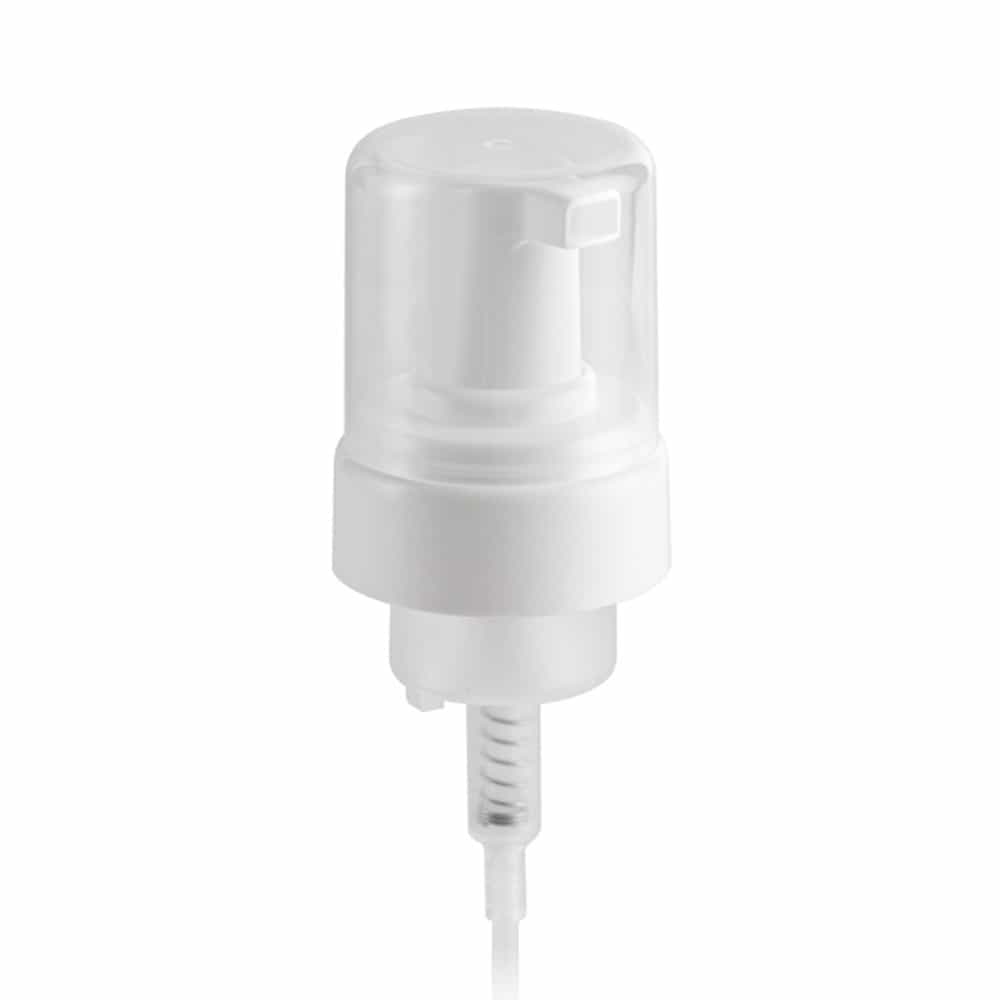
For non-food uses such as beauty, wellness, household cleaning, and personal care, recycled PP closures can be a practical way to add recycled content to a bottle system. ProPacks offers PP caps, pumps, sprayers, and lids with 35% and 50% post-consumer recycled content, while the food-grade PCR guide explains the extra questions that apply before a direct food-contact claim is made.
BPA is not the only question
Polypropylene is not polycarbonate, and BPA is not used to make PP. The FDA describes BPA as a component used in polycarbonate and certain epoxy-resin coatings.
That makes a BPA question relevant but incomplete. A safe packaging review still considers the entire article: resin, colorants or additives, tray or bottle geometry, lid or cap, liner, intended food, temperature, and contact duration. “BPA free” is not a shortcut around that work.
A practical PP packaging approval sequence
Start with the use case rather than a generic material request. Define the food type, fill temperature, expected hold time, storage conditions, reheating or freezing needs, and whether the package will be single-use or reused.
Then request the exact documentation for the selected SKU and keep the sample identifiers with the purchasing file. Test the full package with the real food or formulation, including the tray and lid or bottle and closure. Inspect sealing, leakage, deformation, odor transfer, visual changes, and removal experience after the conditions customers will actually create.
For a bottle program, a cap is not an afterthought. It is the component that protects the seal and determines how the product is opened, dispensed, and transported. For a foodservice tray, the lid is just as consequential. The best PP package is the one whose material, geometry, evidence, and use conditions all agree.
Frequently asked questions
Is PP safe for food packaging?+
PP can be used in food-contact packaging when the finished article and its intended conditions of use are appropriate. Verify the documentation for the exact item, including its food type, temperature, contact duration, and whether it is single-use or repeated-use.
Is polypropylene FDA approved?+
FDA food-contact compliance is not a blanket approval for every item called polypropylene. The relevant question is whether the specific finished article is supported for its intended food-contact use under the applicable framework and supplier documentation.
Are PP food trays microwave safe?+
Some PP food trays are designed for microwave use, but it should be confirmed for the exact tray and stated conditions. Do not assume that every PP tray, lid, or container is suitable for every reheating temperature or duration.
Is PP plastic BPA free?+
PP is not made with BPA. BPA is associated with polycarbonate and certain epoxy-resin coatings. That does not eliminate the need to review the full food-contact package and intended use.
Can recycled PP be used for food packaging?+
Potentially, but recycled content needs additional evidence. The recycling process, contamination controls, and intended food-contact conditions determine whether a particular recycled PP article is suitable. Ask the supplier for records tied to the exact item and application.

Written by
Queenie FongQueenie Fong is the founder of Propack Solutions, a woman-owned sustainable packaging company based in Ontario, CA. With nearly a decade of experience in the packaging industry, she specializes in post-consumer recycled (PCR) materials, helping brands source rPET, PCR HDPE, and PCR PP packaging that meets regulatory requirements and sustainability goals.