A Complete Guide to Requesting and Testing Packaging Samples


Getting packaging samples is essential for any brand launching a new product or updating an existing one. This allows you to physically check bottles, jars, tubes, and closures before committing to a large production order. This step is particularly vital in industries such as cosmetics, pharmaceuticals, food and beverage, and home care, where product integrity and consumer safety are paramount. Working with suppliers early on for samples helps avoid major financial losses and protects your product's quality.
Product damage during shipping costs consumer goods companies billions of dollars each year, according to the International Safe Transit Association ISTA. This makes thorough sample testing a non negotiable step, safeguarding both financial investment and brand reputation. Early testing identifies potential issues before they escalate into costly recalls or customer dissatisfaction.
Packaging samples are the actual containers your product will use. They let brands check key details like material quality, wall thickness, clarity, and how precisely closures fit. This hands on check is vital to confirm the chosen packaging meets your product's specifications and expected performance. For instance, a bottle that looks good in a catalog might feel flimsy in hand, or a cap might not seal as tightly as expected. This early evaluation helps catch such discrepancies. Most packaging distributors have sample programs, but the terms, fees, and quantity limits can differ significantly between providers.
Understanding Packaging Samples and Their Importance
A packaging sample is a physical unit, or a very close model, that a supplier provides for you to evaluate. These samples let brands inspect the container closely before placing a large order. You should test several factors, including wall thickness, material clarity, the quality of the neck finish threading, and how securely the chosen closure fits. For example, a common neck finish like 24 410 needs a closure that matches precisely to prevent leaks.
Different materials, such as PET, HDPE, or glass, each have unique properties affecting durability and chemical compatibility. This step confirms that the materials meant for your product meet all necessary functional and aesthetic standards. The material choice directly impacts product stability, shelf life, and consumer perception, making sample evaluation critical for long term product success.
New buyers often underestimate the differences between sample types. Misunderstanding these distinctions can lead to unexpected costs or delays later in the production cycle. Stock samples come directly from a supplier's current inventory. They represent standard designs and configurations. These are best for initial product lines, providing a fast way to check common packaging options.
Custom samples, on the other hand, involve more specific changes. This could mean new molds, unique color formulations, or altered dimensions. These usually need longer lead times because of the specialized production required. The investment in custom samples is higher, reflecting the bespoke nature of the tooling and manufacturing process.
The U.S. Small Business Administration SBA recommends that new consumer product businesses set aside money for prototype testing before launch. Packaging samples are a key part of this testing. If you wait until a co packer is ready for filling, you might not have time to switch containers if problems appear. For instance, a closure might not seal properly, or the bottle material might react negatively with your product. This can cause expensive delays and rework. Testing samples early protects against manufacturing and distribution problems, saving both time and money.
Beyond basic fit, samples allow for critical compatibility testing between the packaging material and the product formulation. The Plastics Industry Association PLASTICS emphasizes the importance of material selection for chemical resistance and product integrity. A material that appears suitable might leach chemicals into the product or absorb components from the product, altering its efficacy or safety. This unseen interaction can compromise product quality and consumer health.
Stock Versus Custom Samples
Stock samples usually come straight from a supplier's existing inventory. They show standard designs, materials, and colors that are already in production. These samples are quick to get and often the best way for brands to check basic fit and appearance. They let you quickly try out common bottle shapes, such as Boston rounds or Cosmo rounds, along with standard closure types like disc tops, flip tops, or continuous thread caps. While convenient, stock samples offer limited customization, meaning you might need to adjust your brand vision to fit available options.
Stock samples are generally more cost effective because no new tooling or specialized production runs are required. They are ideal for brands with tighter budgets or rapid launch timelines, allowing for quick validation of basic packaging concepts. However, relying solely on stock options may limit brand differentiation in a competitive market, as many other products might utilize identical packaging components.
Custom samples mean a more complex process. This often requires new molds, specific color matching, or unique dimensions not found off the shelf. For example, creating a bottle with a unique ergonomic grip or a cap with an embossed logo falls into custom sampling. These samples are vital for brands with very specific design needs or those wanting a distinct brand identity. The lead time and cost for custom samples are much higher because of the engineering and production work involved, often spanning several weeks to months. Brands should have a clear vision, detailed design specifications, and a substantial budget for custom tooling and iterative prototyping.
Custom packaging allows a brand to create a unique consumer experience and reinforce its identity. According to Packaging World, custom designs can significantly enhance shelf appeal and brand recognition. This bespoke approach ensures the packaging perfectly aligns with the product's unique attributes and target market, offering a competitive edge. However, the initial investment and longer development cycle necessitate careful planning and commitment.
Choosing between stock and custom samples depends on several factors, including budget, timeline, desired brand image, and production volume. For startups or small batch productions, stock samples provide a practical starting point. Larger brands or those with established market positions often leverage custom samples to maintain a distinctive presence and meet specific functional requirements. A hybrid approach, utilizing stock components with custom decoration, can also offer a balance between cost and uniqueness.
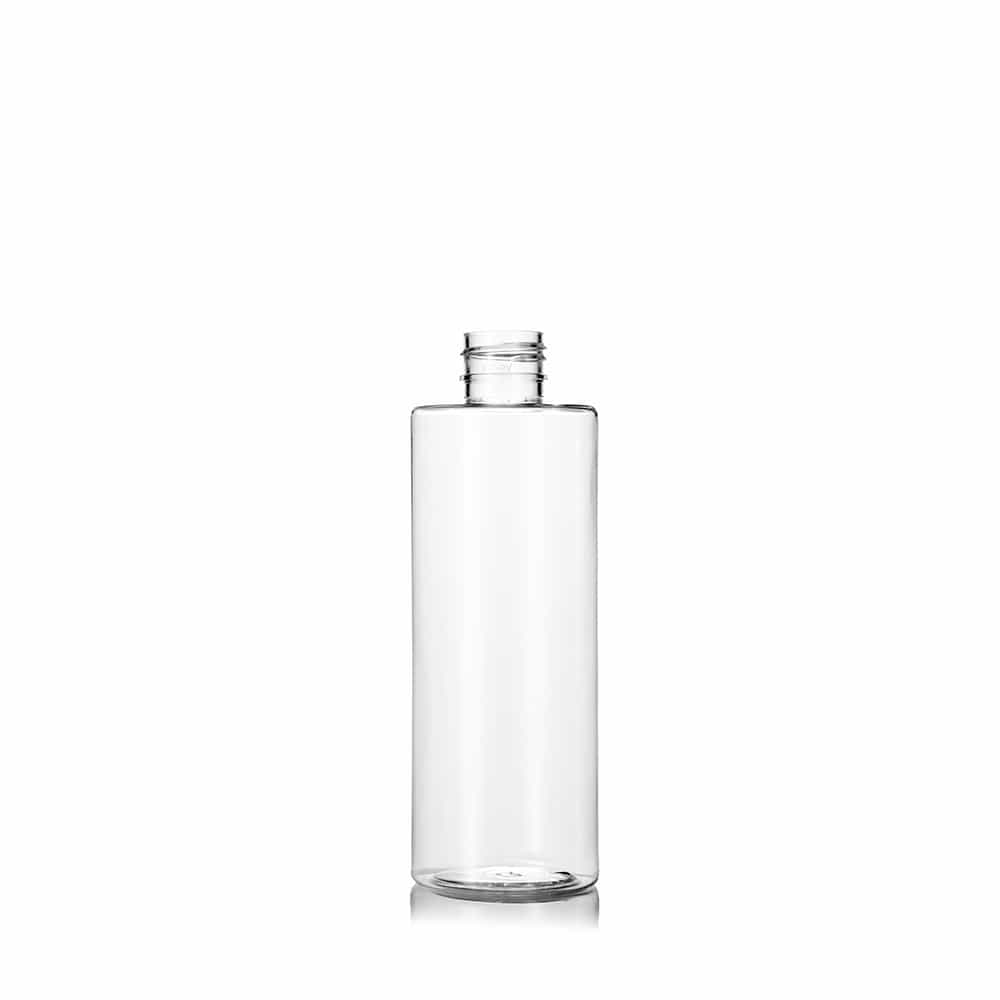
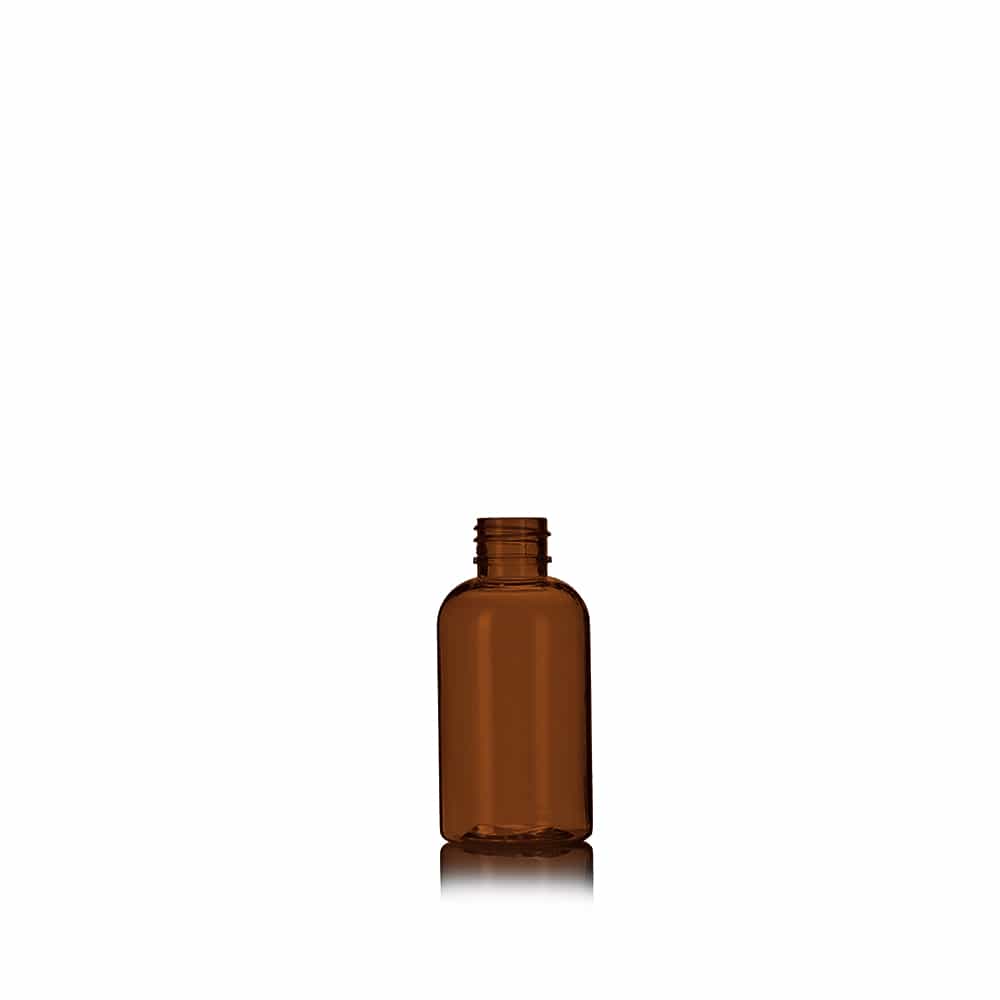
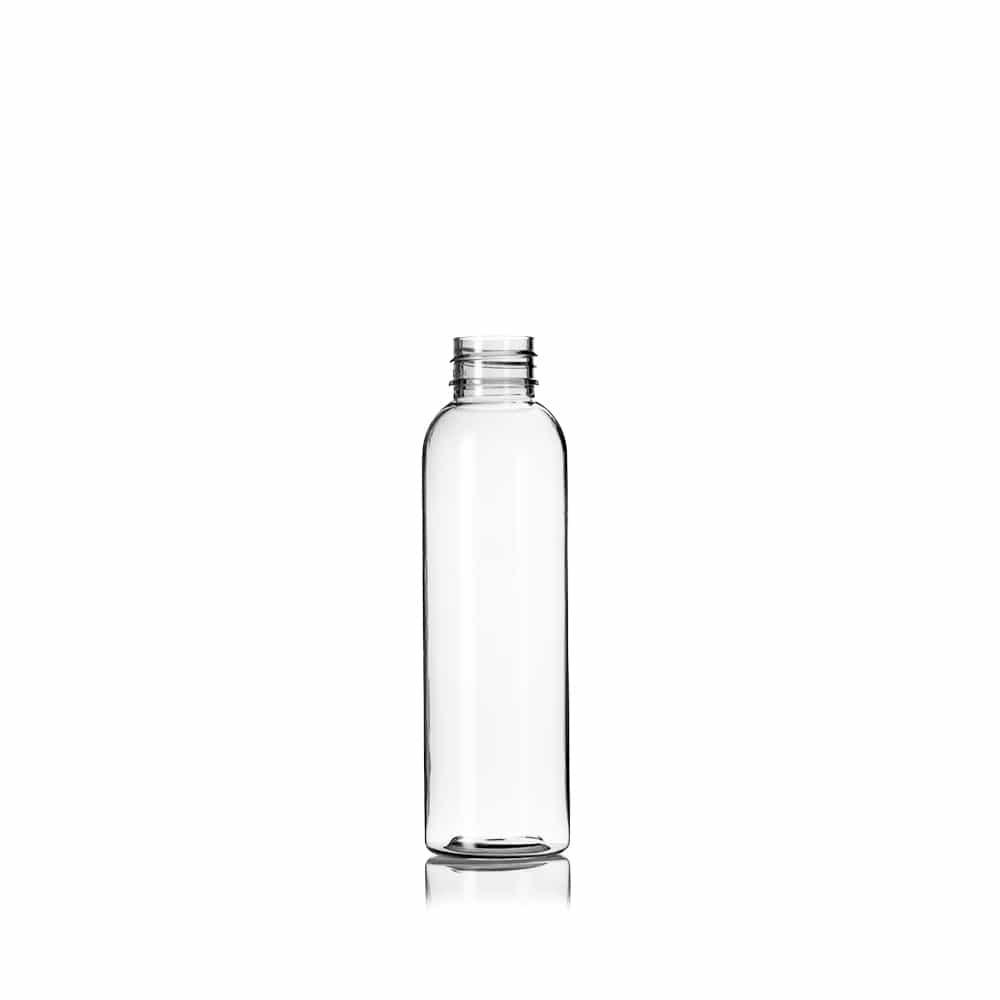
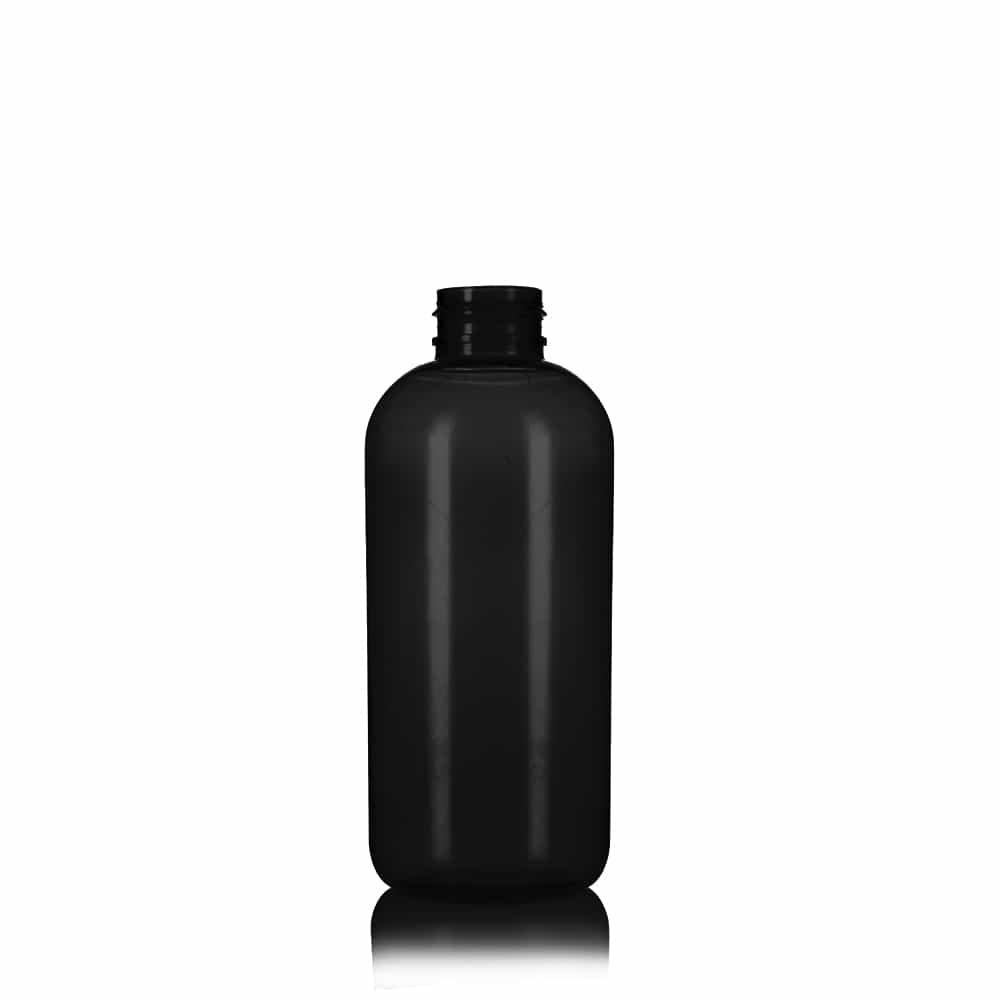
 Three different empty plastic containers on a white background.
The Process of Requesting Packaging Samples
Requesting packaging samples effectively requires a systematic approach, beginning with thorough supplier identification and clear communication of needs. This initial phase sets the foundation for a smooth sampling process and helps avoid misunderstandings that could lead to delays or unsuitable samples. Brands must understand that suppliers manage numerous requests, so providing precise information is paramount for efficient service.
Identifying Reputable Suppliers
Identifying the right packaging suppliers is a critical first step. Brands can begin by exploring online directories such as Thomasnet or attending industry trade shows like Pack Expo. These platforms offer extensive listings of manufacturers and distributors, often categorized by material, product type, and capabilities. Referrals from industry peers or consultants can also provide valuable insights into reliable partners.
When evaluating potential suppliers, consider their experience, range of materials, and certifications. A supplier with a long history in your specific industry, such as cosmetics or food, will likely possess specialized knowledge and appropriate regulatory compliance. Check for certifications like ISO 9001 for quality management or specific material certifications, which indicate adherence to recognized standards. The National Association of Container Distributors ACD provides resources for finding qualified packaging distributors.
Customer service and sample policies are also crucial criteria. A responsive supplier with a clear, reasonable sample program demonstrates a commitment to client satisfaction. Inquire about their typical lead times for samples, any associated fees, and their capacity for technical support during the evaluation phase. Building a strong relationship with a supplier can lead to better pricing, priority service, and collaborative innovation in the long run.
Crafting Your Sample Request
Once potential suppliers are identified, crafting a detailed sample request is essential. Your request should include comprehensive information about your product, desired packaging, and testing requirements. Begin by specifying the product type, its viscosity, and any unique chemical properties that might interact with packaging materials. This helps the supplier recommend appropriate materials like PET for clarity or HDPE for chemical resistance.
Clearly state your desired packaging format, such as a bottle, jar, tube, or pump, along with specific dimensions and capacity in milliliters or ounces. Provide details on the preferred neck finish, such as 20 410 or 24 410, to ensure closure compatibility. If you have a specific aesthetic in mind, describe the desired finish, color, and any decorative elements. For example, specify a matte black finish or a clear, high gloss appearance.
It is often beneficial to request multiple options for comparison. Ask for samples in different materials, colors, or with varying closure types to broaden your evaluation scope. Always inquire about the cost of samples and shipping fees upfront. Some suppliers offer a limited number of free samples, while others charge a nominal fee or require a shipping account number. Understanding these costs helps manage your budget effectively.
Managing Sample Logistics
Effective management of sample logistics ensures a smooth and organized testing process. Once requests are submitted, maintain a tracking system to monitor the status of each sample order. This could be a simple spreadsheet detailing the supplier, date requested, expected delivery, and tracking number. This proactive approach helps you follow up on delayed shipments and ensures all samples arrive as planned.
Upon receiving samples, immediately inspect the shipment for accuracy against your request. Verify that the correct items, quantities, and specifications have been delivered. Organize the samples systematically, perhaps by supplier or by material type, to facilitate easy access during the testing phase. Labeling each sample clearly with its origin and specifications prevents confusion later on.
Documentation is key throughout this process. Record the date of receipt, any discrepancies, and initial observations. This meticulous record keeping creates an audit trail for your packaging development, which is invaluable for troubleshooting or future reference. The Consumer Brands Association CBA advocates for robust documentation in product development to ensure compliance and quality assurance.
 Two white HDPE bottles with different caps on a wooden table.
Comprehensive Testing Protocols for Packaging Samples
Thorough testing of packaging samples is non negotiable for ensuring product integrity, consumer safety, and brand reputation. A systematic approach to testing covers various aspects, from visual aesthetics to functional performance and compatibility with the product formulation. Skipping any of these steps can lead to costly failures in the market, impacting both sales and consumer trust.
Visual and Tactile Inspection
The initial phase of sample evaluation involves a detailed visual and tactile inspection. Examine the aesthetics of the packaging, including color consistency, material clarity, and surface finish. Check for any manufacturing defects such as scratches, molding flaws, uneven surfaces, or inconsistent wall thickness. The overall appearance should align with your brand's quality standards and design intent.
Assess the ergonomics of the container. How does it feel in hand? Is it easy to grip, open, and close? Consider the user experience for your target demographic, especially if the product is intended for children or individuals with limited dexterity. The weight and balance of the container also contribute to the perceived quality and ease of use. A container that feels too light might convey cheapness, while one that is too heavy could be inconvenient.
Verify critical dimensions using calipers or micrometers. Measure the overall height, diameter, and especially the neck finish to ensure it matches specifications. Inconsistent dimensions can lead to problems during filling, capping, or labeling on automated production lines. The Society of Plastics Engineers SPE provides guidelines on dimensional tolerances for plastic packaging, emphasizing precision in manufacturing.
Functional Testing
Functional testing evaluates how the packaging performs its intended purpose. Closure integrity is paramount; conduct leak tests by filling samples with water or a surrogate liquid, sealing them, and inverting them or applying pressure. Torque testing, using a torque meter, measures the force required to open and close caps, ensuring they are secure but not overly difficult for consumers. The Closure Manufacturers Association ISBT offers standards for closure performance.
For dispensing mechanisms like pumps, sprays, and droppers, test their performance repeatedly. Check for consistent output, smooth operation, and absence of clogging or dripping. Evaluate the prime time for pumps and the spray pattern for atomizers. Any inconsistencies here can lead to a poor user experience and product waste.
Physical durability is another key aspect. Conduct drop tests from various heights and angles to simulate real world handling during shipping and consumer use. Assess impact resistance to ensure the packaging can withstand typical stresses without breaking or compromising the product. For products requiring specific protection, such as those sensitive to light, test UV resistance by exposing samples to UV light for a specified duration and observing any material degradation or color change.
Temperature stability is crucial for products exposed to varying environmental conditions. Subject samples to hot and cold cycles, simulating extreme storage or transit temperatures. Observe any deformation, cracking, or changes in material properties. This testing helps confirm the packaging will maintain its integrity across diverse climates, preventing product spoilage or container failure.
Compatibility Testing with Product Formulation
Compatibility testing is arguably the most critical phase, ensuring the packaging material does not negatively interact with the product formulation. This involves filling samples with your actual product and monitoring them over time under controlled conditions. The goal is to detect any chemical interactions, material degradation, or changes to the product itself. The Personal Care Products Council PCPC provides extensive guidance on compatibility testing for cosmetic products.
Look for signs of leaching, where components from the packaging migrate into the product, potentially altering its chemical composition, odor, or safety. Conversely, absorption occurs when product ingredients are absorbed by the packaging material, reducing the product's efficacy or causing the container to swell or deform. These interactions can lead to product discoloration, viscosity changes, or even active ingredient degradation.
Accelerated aging tests are commonly employed to simulate long term storage conditions in a shorter timeframe. This involves storing filled samples at elevated temperatures, typically 40°C or 50°C, for several weeks or months. The results are then extrapolated to predict shelf life at ambient temperatures. This method allows brands to quickly identify potential compatibility issues before committing to full scale production.
Sensory evaluation is also an important component. Periodically assess the product's odor, color, and texture from the packaged samples. Any off odors or changes in appearance could indicate an incompatibility issue. Regulatory considerations, such as FDA guidelines for food and pharmaceutical packaging or REACH regulations for chemical substances, must also be addressed during compatibility testing to ensure compliance and market access.
Labeling and Decoration Compatibility
Beyond the container itself, the compatibility of labeling and decoration methods with the packaging material is essential. If using pressure sensitive labels, apply them to sample containers and conduct adhesion tests. This involves checking for bubbling, peeling, or lifting, especially after exposure to temperature changes or moisture. The label adhesive must be appropriate for the container's surface and material.
For direct decoration methods, such as screen printing or hot stamping, evaluate the print quality, durability, and adhesion of the ink or foil. Rub tests can determine if the decoration will scratch or flake off easily during handling or shipping. Ensure the colors match your brand guidelines and that the print is crisp and legible.
If shrink sleeves are planned, test their application on sample containers. Verify that the sleeve conforms properly to the container's contours without wrinkles or distortions. Assess the print quality on the shrink sleeve material and its resistance to scuffing. The Association for Dressings and Sauces ADS often discusses the importance of packaging aesthetics and durability for consumer appeal.
 Frosted jars being weighed and measured on a workbench.
Evaluating and Making Decisions Based on Sample Feedback
The culmination of the sampling and testing process is the evaluation phase, where all collected data is analyzed to make informed decisions. This stage requires a structured approach to documentation, collaborative input from various departments, and a willingness to iterate. The goal is to select packaging that not only meets functional and aesthetic requirements but also aligns with production capabilities and cost objectives.
Documenting Test Results
Creating a standardized evaluation form or checklist is crucial for consistent data collection. This form should include fields for each test performed, observations, measurements, and a clear pass or fail criterion. For example, a leak test might have a simple pass/fail, while a dimensional check would record specific measurements against a tolerance range. Consistent documentation ensures objectivity and comparability across different samples.
Record all observations meticulously, including any unexpected findings or anomalies. Photographic evidence of defects, successful tests, or specific features can be invaluable for communicating feedback to suppliers and internal teams. A well documented record serves as a reference point throughout the product development cycle and can be critical for quality assurance audits. The American Society for Quality ASQ emphasizes the importance of robust documentation in quality management systems.
Collaborating with Stakeholders
Involving key stakeholders from various departments is essential for a holistic evaluation. The design team can assess aesthetics and brand alignment, while the marketing team can provide insights into consumer appeal and competitive positioning. Research and Development (R&D) will focus on product compatibility and material science, and the production team will evaluate ease of filling, capping, and labeling. This multidisciplinary approach ensures all critical perspectives are considered.
Gathering diverse perspectives helps identify potential issues that a single department might overlook. For instance, a design that looks appealing might be impractical for high speed filling lines, a concern the production team would highlight. Facilitate structured discussions to consolidate feedback and identify areas of consensus or disagreement. This collaborative environment fosters a shared understanding of the packaging requirements and challenges.
Iteration and Refinement
Packaging development is often an iterative process, meaning it rarely succeeds perfectly on the first attempt. Be prepared to communicate detailed feedback to your suppliers, highlighting both strengths and areas for improvement. Provide specific examples and photographic evidence to support your observations. Clear, constructive feedback enables the supplier to make targeted adjustments to the samples.
Based on the feedback, you may need to request revised samples. This could involve minor adjustments to color, material thickness, or closure design. Understanding that each iteration adds to the lead time and potentially the cost is important. However, this investment in refinement is crucial for avoiding costly errors in mass production. The Packaging Machinery Manufacturers Institute PMMI often discusses the iterative nature of packaging design and its impact on manufacturing efficiency.
Final Selection and Supplier Engagement
Once testing and refinement cycles are complete, and a sample meets all criteria, proceed with final selection. Confirm all specifications for the production order, including material, dimensions, color, and any decoration details. Ensure these specifications are formally documented and agreed upon by both your brand and the supplier. This prevents any ambiguity during the manufacturing phase.
Engage with the chosen supplier to negotiate production terms, including pricing, minimum order quantities, lead times for production, and payment schedules. Establish clear quality control benchmarks and inspection protocols for the final production run. A strong supplier relationship, built on clear communication and mutual understanding, is a cornerstone of successful packaging procurement. The Institute of Packaging Professionals IoPP advocates for strong partnerships between brands and packaging suppliers to drive innovation and quality.
In conclusion, the meticulous process of requesting and testing packaging samples is an indispensable step in bringing any product to market. It is a strategic investment that mitigates risks, ensures product integrity, and ultimately contributes to a successful brand launch. By adhering to comprehensive testing protocols and fostering strong supplier relationships, brands can confidently select packaging that meets their functional, aesthetic, and commercial objectives, safeguarding their product's journey from concept to consumer.
Frequently asked questions
What is a packaging sample?+
A packaging sample is a physical representation of the container your product will use, provided by a supplier for evaluation. These samples allow brands to thoroughly inspect attributes like material quality, wall thickness, clarity, and the secure fit of closures before committing to a large production run. This hands-on assessment is crucial for confirming the packaging aligns with product specifications and performance expectations.
What are the different types of packaging samples?+
The article distinguishes between stock samples and custom samples. Stock samples are standard configurations pulled directly from a supplier's existing inventory, ideal for initial product lines and quick evaluation. Custom samples, on the other hand, involve specialized production like unique colors or altered dimensions, requiring longer lead times due to specific tooling modifications.
How do I ask for free samples from companies?+
To request samples, contact the packaging supplier directly, often through their website or sales team, to inquire about their sample program. While many distributors offer structured sample programs, terms, fees, and quantity limits can vary. Propacks, for example, is built for small runs and sampling without MOQs, making it accessible for brands needing to evaluate containers.
How can I request product samples from my suppliers?+
You can request product samples from your suppliers by directly contacting their sales department or using their online sample request forms. Clearly communicate your specific needs, including the type of container, material, and closure, to ensure you receive the most relevant samples for evaluation. This proactive step allows for thorough testing and helps prevent costly issues before a large production order.
How to ask for product samples by email?+
When asking for product samples via email, clearly state your brand's name, the product you're developing, and the specific packaging items you're interested in, such as bottle type, material, and closure. Include your shipping address and any specific testing requirements you have. A concise and professional email will help suppliers quickly process your request.

Written by
Queenie FongQueenie Fong is the founder of Propack Solutions, a woman-owned sustainable packaging company based in Ontario, CA. With nearly a decade of experience in the packaging industry, she specializes in post-consumer recycled (PCR) materials, helping brands source rPET, PCR HDPE, and PCR PP packaging that meets regulatory requirements and sustainability goals.