How to Start a Car Care Line: Costs, Packaging, and Launch Checklist


A car care line starts with a formula and a package that can work together through filling, storage, shipping and repeated use. A bottle that looks right beside a vehicle can still soften, leak or stop spraying after contact with the product. The trigger seal, dip tube or liner may fail before the bottle wall does.
For a US launch, the practical sequence is to define one product, choose a manufacturing route, obtain a complete cost model, qualify the filled package and clear the applicable labeling and transport requirements. This guide covers non-aerosol car shampoos, interior and glass cleaners, degreasers, wheel cleaners and detailing products. It is a product-brand launch guide, not a guide to opening a detailing service.
Start With One Product and One Customer
A concentrated cleaner for professional detailers is a different product-development project from a ready-to-use interior spray for consumers. Define the intended user, target surfaces, application method, dilution requirements and performance claims before requesting samples. A brief that says “removes everyday interior grime from specified surfaces” is more useful than “cleans everything.”
Keep surface compatibility separate from packaging compatibility. A formula may work in its bottle yet damage a coating, trim material or screen when used incorrectly. Ask the formulator to establish intended uses, exclusions and instructions from product-specific evidence rather than copying another brand's claims.
Begin with a limited range that you can afford to test and support. Matching bottles do not make a shampoo, alkaline degreaser and solvent-containing detailer one technical project. Each formula and dispensing system needs its own review, even when the bottles share a shape.
Choose a Manufacturer Before Committing to Packaging
Work with a qualified formulator or contract manufacturer rather than building a commercial line from improvised chemical recipes. Suppliers use private label, white label and custom formulation differently. Ask whether you are buying an existing formula, a modified formula or new development, and what the quoted service includes.
For an existing product, request the available safety classification, product specification and testing evidence. Establish which package was used for that testing. Changing the fragrance, solvent system, concentration or closure can change the assessment needed; a report for the manufacturer's standard pack does not automatically cover yours.
For custom development, agree on sample revisions, performance targets, testing responsibilities and approval criteria. Confirm formula ownership, exclusivity and the information available if you later change manufacturers. Keep commercial confidentiality separate from the technical information a qualified safety or packaging reviewer needs.
Align manufacturing minimums with component quantities. A supplier offering bottles without an MOQ does not remove a filler's minimum batch size or a label printer's setup charge. Put ingredient and packaging change-notification obligations in writing so substitutions cannot quietly bypass the approved specification.
Build a Budget Around the Finished Product
There is no reliable universal startup price for a car care line. An established water-based formula in stock packaging and a custom solvent-containing product can require different development, testing and distribution work. Obtain written quotes against a defined formula, fill quantity, complete package and sales channel.
The US Small Business Administration's startup-cost guidance separates one-time expenses from recurring costs. Apply that distinction to formulation, testing, artwork, business setup, insurance, production inventory, warehousing and ongoing operations. Keep a cash reserve outside the first production order.
For illustration only, 500 units at an assumed finished-product cost of $6 require $3,000 for inventory. Adding a hypothetical $4,500 allowance for development, testing, artwork and setup produces a $7,500 subtotal before operating reserves and costs not already included. These are arithmetic inputs, not market averages, supplier quotations or evidence that this allowance will cover your product's requirements.
Break the finished-unit quote into bulk formula, filling, bottle, closure, label, secondary packaging and freight. Identify who purchases each component and who bears rejected-batch or rework costs. A low bottle price can be outweighed by a leaking trigger or a label that detaches during handling.
Model contribution after channel costs, not just gross margin on the liquid. Payment fees, marketplace fees, pick-and-pack, shipping subsidies, customer acquisition and returns all reduce the amount available for overhead. A concentrate may reduce shipped volume, but its higher concentration can change hazard classification, packaging needs and instructions; it is not automatically the cheaper launch.
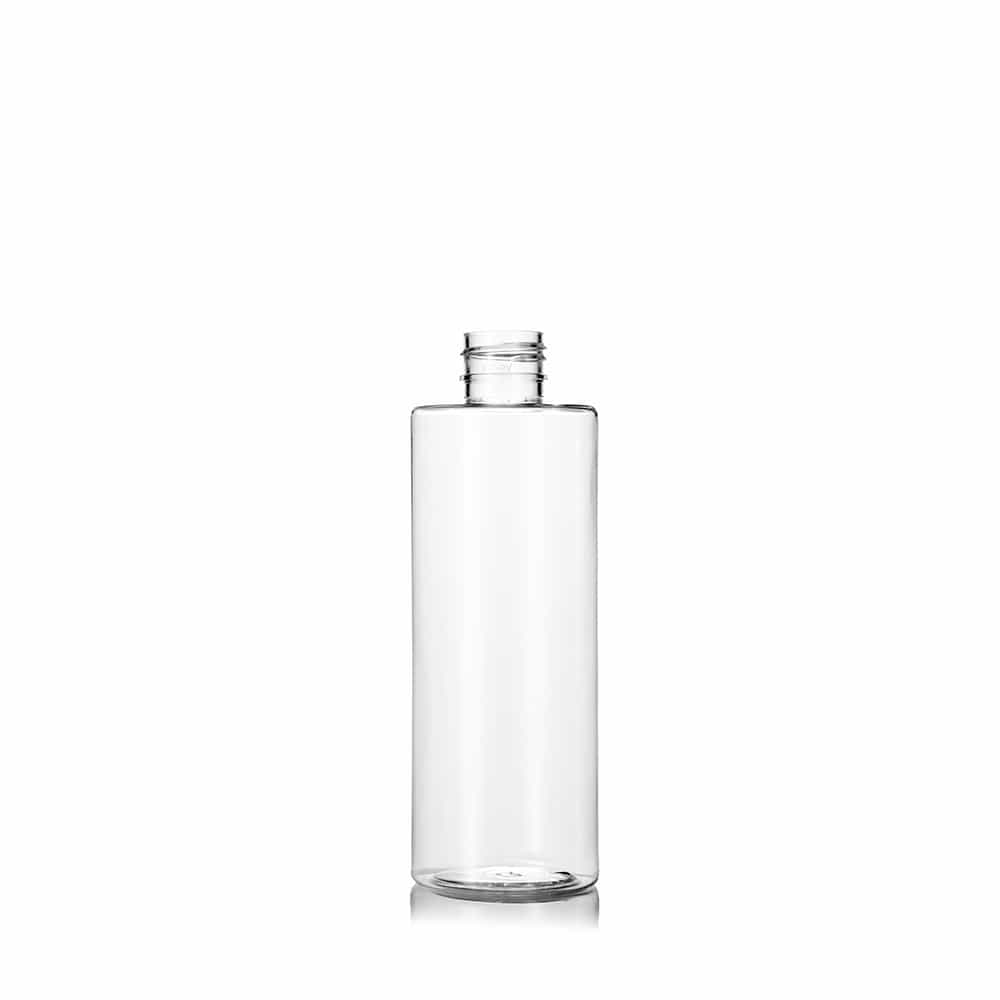
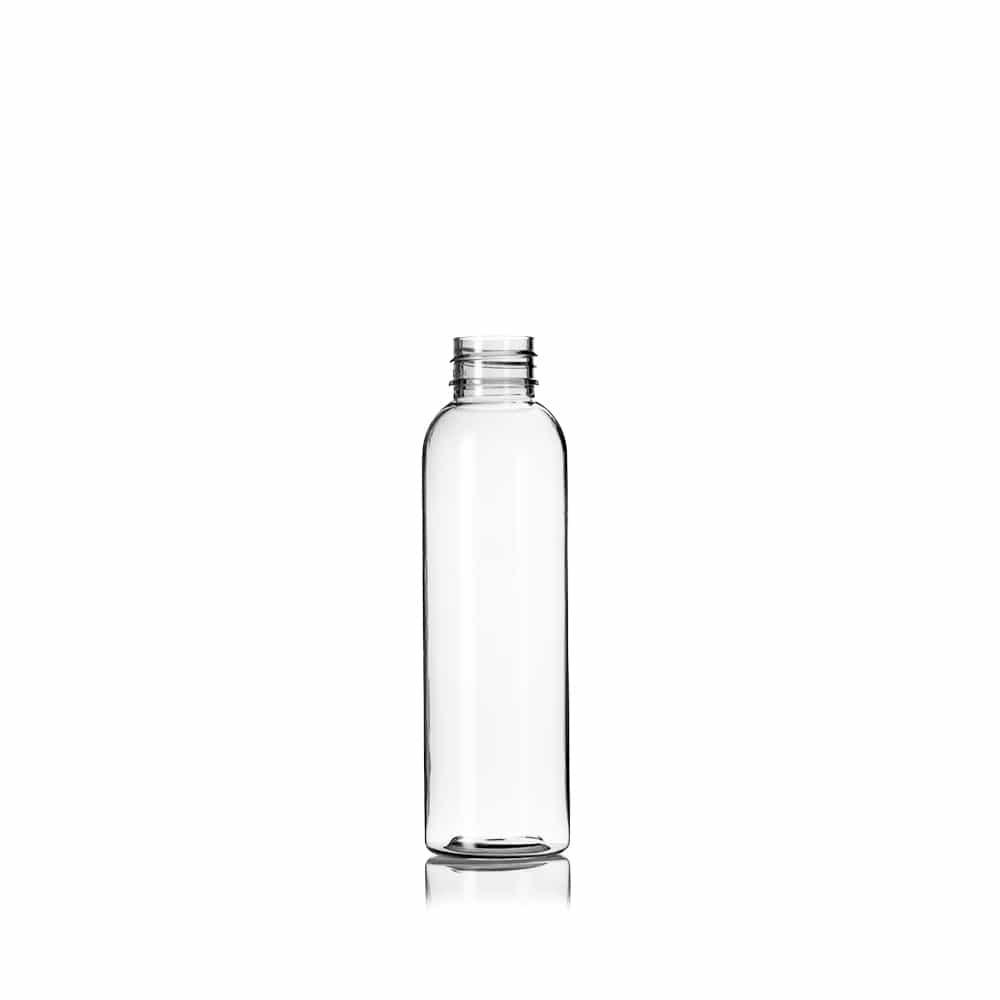
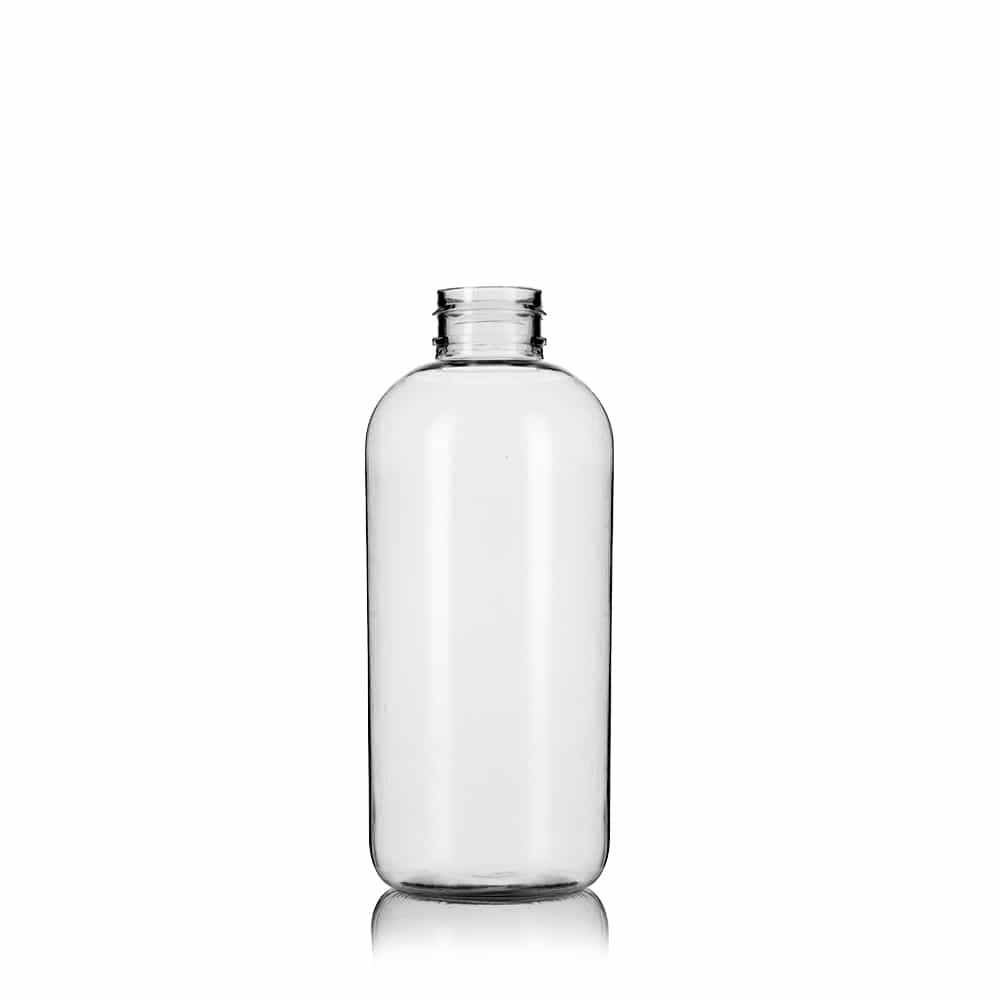
 Illustrative empty bottle and closure candidates beside microfiber towels and a detailing brush.
Understand How Car Care Formulas Can Damage Packaging
“Corrosion” does not describe every plastic-packaging failure. Chemical attack can degrade the polymer, while solvent absorption can cause swelling or softening without the same mechanism. Volatile ingredients may also permeate through a wall or closure, changing package weight or product composition over time.
The Thermo Scientific Nalgene chemical-resistance guide distinguishes chemical attack, physical changes and environmental stress cracking. It identifies concentration, temperature, exposure duration and mechanical stress among the factors affecting performance. Its product ratings apply to Nalgene labware, not automatically to another supplier's retail bottles.
Environmental stress cracking involves a susceptible plastic, a stress-cracking agent and mechanical stress acting together. A surfactant-containing formulation may therefore behave differently in a molded, capped and loaded bottle than in an unstressed material sample. Bottle design and processing history belong in the assessment alongside the formula.
Neither “water-based” nor a pH reading establishes compatibility by itself. Solvents, surfactants and other ingredients still matter, as do storage temperature and the time the product remains in contact with the package. Avoid purchasing against blanket claims such as “safe for all acids” or “chemical-resistant plastic.”
Shortlist Bottles Without Treating Resin Names as Approvals
PET, HDPE and PP can be candidates for different packaging components, but the resin abbreviation is not a finished-package approval. Give the supplier the relevant formulation information and expected conditions of use. Review the actual resin grade, bottle design, wall distribution and manufacturing specification with the formulator or testing specialist.
Clear packaging can make a product visible, while an opaque or squeezable format can support a different use experience. Those are useful design choices only after technical suitability is established. For background on the options, the bottle-material selection guide can help structure the discussion; it cannot qualify an individual fill.
PCR percentage is a separate specification. Recycled content alone establishes neither chemical resistance nor inferior performance. Test the actual component and require change control for resin, recycled-content level and production changes that could affect the approved combination.
Glass may be a barrier candidate for some products, but it does not solve closure incompatibility, breakage or every chemical interaction. Likewise, barrier-treated plastics and packaging for regulated hazardous-material shipments need specialist review. Do not assume a stock bottle is barrier-treated or part of a tested transport packaging system because it feels thick or rigid.
Specify the Trigger and Seal Alongside the Bottle
A car care spray bottle is an assembly: bottle, closure, gasket, valve, dip tube and any other wetted components. Depending on the trigger design, metal components may also contact the formula. The bottle can remain intact while a seal swells, a valve sticks or a wetted spring deteriorates.
Ask the closure supplier for the relevant material information and supported applications, then test the assembled package. A sprayer described as suitable for general cleaning is not necessarily suitable for a concentrated degreaser or wheel cleaner. An isolated closure-resistance claim also does not establish performance at your intended temperature and shelf life.
Match the specified neck finish across components, such as 28-410, rather than relying only on a nominal diameter. The neck-finish guide explains the specification. Matching it is necessary, but sealing performance still depends on the actual bottle and closure, application settings and assembly tolerances.
Test priming, actuation effort, spray pattern, delivered amount, shutoff leakage and performance after repeated use. Check dip-tube fit and product retrieval in the intended bottle. For a shampoo or polish in a squeeze format, evaluate flow control and whether the closure stays clean and reseals reliably.
 Illustrative trigger-sprayer components, including a dip tube, spring and gasket, beside an empty bottle.
Test the Final Filled Package Before the Production Order
Agree a test plan with the manufacturer and an appropriately qualified packaging laboratory or specialist. Use the final formula at the concentration being sold, the intended bottle and closure, and the production decoration. If consumers will dilute the product into another container, address that use separately rather than testing only the diluted liquid.
Set acceptance criteria before inspecting results. Relevant checks can include leakage, mass change, dimensions, cracking, haze, odor, color, viscosity, dispensing performance and label adhesion. Record the formula version, component lots, fill quantity, closing conditions and storage orientation so findings can be reproduced.
Evaluate expected storage and distribution conditions as well as repeated use. A test program may combine material screening, filled-pack stability work, functional checks and suitable transport simulation. Use the chemical-compatibility testing guide for background, then obtain a product-specific protocol.
Accelerated testing is useful evidence, not a universal conversion from weeks in an oven to years on a shelf. Qualified specialists should choose safe conditions and interpret the results, particularly for flammable, corrosive or pressure-generating products. Do not improvise heat tests or mix test chemicals to simulate a harsher formula.
Clear Claims and Labeling Before Printing
Determine the applicable requirements from the finished product, intended users and claims. The Consumer Product Safety Commission's FHSA guidance explains precautionary labeling for hazardous household substances. A cleaner's classification and foreseeable handling matter; not every car care product needs identical warnings.
Child-resistant packaging is a separate question under applicable special-packaging requirements. Have a qualified reviewer determine whether the formula and product category trigger them. A difficult-to-open cap or a normal screw closure is not proof of compliance, and child-resistant does not mean child-proof.
Marketing claims can change the regulatory route. The EPA's guidance on cleaning products and FIFRA explains how claims to disinfect, sanitize or otherwise mitigate pests can trigger pesticide requirements unless an exemption applies. Ordinary dirt-removal claims are different; review the website and advertising as well as the bottle.
For workplace supply, assess applicable OSHA Hazard Communication requirements, including safety data sheets and hazard communication. Consumer labeling, workplace obligations and transport rules should not be collapsed into a single checklist. An SDS is important technical documentation, but it is not a retail-label approval or a bottle-compatibility certificate.
Have the final artwork reviewed on the physical package. Check product identity, net quantity, responsible-business information, instructions and required warnings as applicable. Confirm legibility, barcode scanning and label durability with the actual printing stock and adhesive before ordering a production quantity.
Check California VOC Rules and Shipping Classification
California sales may bring the product within the California Air Resources Board's consumer-products regulations. Automotive specialty products can fall into defined categories with different VOC standards and other requirements. Confirm the category from the formulation, claims and intended use instead of applying one limit to the entire range.
Make transport classification part of the formulation and fulfillment discussion. The US Department of Transportation's Check the Box guidance explains that familiar consumer products can be hazardous materials for shipping. Use manufacturer documentation and qualified advice to establish the applicable classification and packaging requirements.
A retail bottle placed inside a cardboard carton is not automatically a compliant hazardous-material package. Depending on the classification, quantity and transport mode, additional requirements or specific exceptions may apply. Confirm carrier acceptance before promising delivery options, and use specialist packaging where the selected system requires it.
Use the Pilot Run to Approve the Operating Process
Choose a pilot quantity that supports the agreed testing and actual filling process rather than treating one fixed batch size as an industry rule. Check fill control, headspace, closure application, trigger function, label placement and the packed shipping configuration. Generic packaging illustrations, including those in this guide, are not instructions for preparing a hazardous-material shipment.
Define who can release the batch and what happens when a result falls outside specification. Keep retained samples and records linking formula versions, manufacturing batches and packaging lots. The aim is to investigate a leak or changed spray pattern without guessing which component was used.
Before launch, confirm approved claims and artwork, applicable hazard documentation, carrier arrangements, complete costs and customer-support instructions. For reorders, review complaints, return reasons and remaining shelf life alongside sales. A change in formula, resin, trigger, adhesive or process should trigger an assessment of which approvals and tests need repeating.
 Illustrative protective packing of a closed sample bottle; not a certified hazardous-material shipping configuration.
Where Propacks Fits in a Car Care Launch
Propacks supplies plastic bottles and closures, including PCR options, with no minimum order quantity and California fulfillment. Buyers can compare bottle formats and closure options while developing a first line. Catalog placement and related-product suggestions are starting points for sampling, not compatibility guarantees for a particular chemical fill.
Bring the intended formula category, volume, dispensing requirements and filling process to the packaging discussion. Confirm specifications and availability before approving components, and qualify the final filled assembly before scaling. Propacks supplies packaging; the brand, manufacturer and qualified specialists still need to establish product safety, package suitability and applicable regulatory compliance.
Frequently asked questions
Which spray bottle is best for using with harsh chemicals?+
There is no single universal bottle, as compatibility depends on the specific chemical composition and concentration of the product. You must select a container material, such as HDPE or PET, that is chemically resistant to your specific formula to prevent softening, leaking, or seal failure. It is critical to qualify the filled package through testing to ensure the liner, dip tube, and trigger seal remain intact during storage and repeated use.
Is it legal to private label products?+
Private labeling can be a lawful business arrangement when you have the necessary rights and meet the requirements applicable to the product and its sale. Agree on manufacturer authorization, branding, formula ownership and responsibilities in writing. For car care products, have the formula, claims, labeling, packaging and transport requirements reviewed; using a private-label supplier does not remove the brand owner’s responsibilities.
What are private label cleaning products?+
They are cleaning products supplied by a manufacturer and sold under another business’s brand. Suppliers use private label and white label inconsistently, so ask whether the service includes an existing formula, modifications or new development. For a car care launch, confirm what testing covers the selected formula and package, what the manufacturer supplies, and who controls later changes.

Written by
Queenie FongQueenie Fong is the founder of Propack Solutions, a woman-owned sustainable packaging company based in Ontario, CA. With nearly a decade of experience in the packaging industry, she specializes in post-consumer recycled (PCR) materials, helping brands source rPET, PCR HDPE, and PCR PP packaging that meets regulatory requirements and sustainability goals.