5 PCR Procurement Mistakes That Cost Brands Money (and How to Avoid Them)


You have already decided to use PCR packaging. That puts you ahead of most brands. But choosing recycled content is only half the equation. The other half is buying it correctly, and that is where we see brands lose money, waste time, and end up with inventory they cannot use.
Some of these mistakes are obvious in hindsight. Others are subtle enough that even experienced buyers miss them. We have watched brands make every one of these errors, sometimes repeatedly, and the cost adds up fast. Not just in dollars, but in delayed launches, rejected shipments, and compliance headaches that could have been avoided entirely.
Here are the five PCR procurement mistakes we see most often, along with what we would do differently if we were in your position.
Mistake #1: Are You Treating PCR Like Virgin Plastic and Expecting Identical Results?
The most common mistake brands make when switching to PCR is expecting it to look and perform exactly like virgin resin. It will not. Post-consumer recycled plastic carries natural color variance, including a slight grayish tint in HDPE and subtle yellowing in PET. If you are expecting crystal clear bottles from recycled material, you are going to reject perfectly good inventory and burn through your supplier's patience in the process.
This is not a defect. It is the nature of the material. PCR resin comes from collected consumer waste, which means the feedstock varies batch to batch. That translates into minor color fluctuations that virgin plastic simply does not have. The key is understanding what level of variation is acceptable and what is not.
That is where Delta E (ΔE) comes in. Delta E is a numerical measurement of color difference between two samples. For standard packaging, a ΔE below 2.5 is considered acceptable, meaning the difference is barely perceptible to the average consumer. For prestige or luxury packaging where shelf appearance is critical, you would want ΔE below 1.5.
Here is what we would do: before you place your first PCR order, ask your supplier for their color consistency specifications. Get a physical sample. Hold it next to your current packaging under retail lighting. If they cannot tell you their typical Delta E range, that tells you something about their quality control.
We will be honest with you. If your brand identity depends on a perfectly transparent, water-clear bottle, PCR may require some design flexibility. Consider tinted bottles, opaque containers, or labels that work with slight color shifts rather than against them. Many of the best-looking PCR products on shelves right now were designed around the material, not in spite of it.
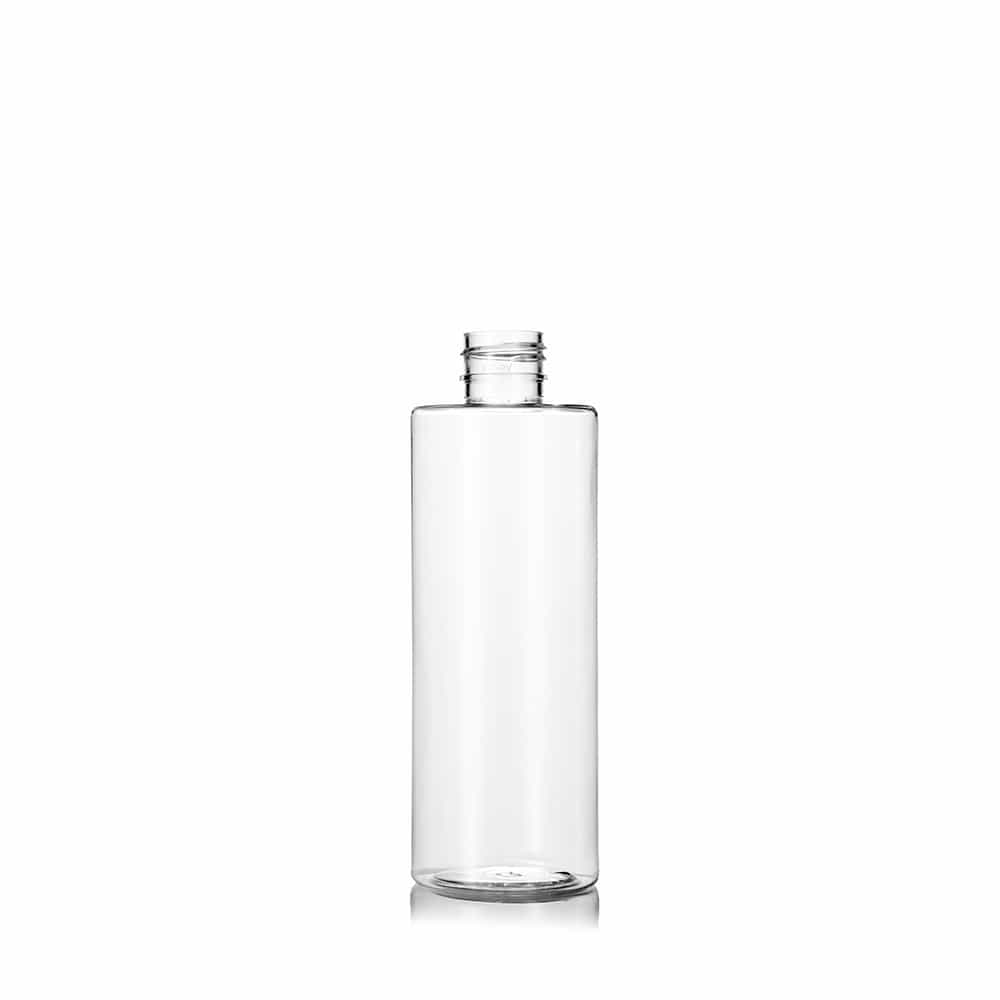
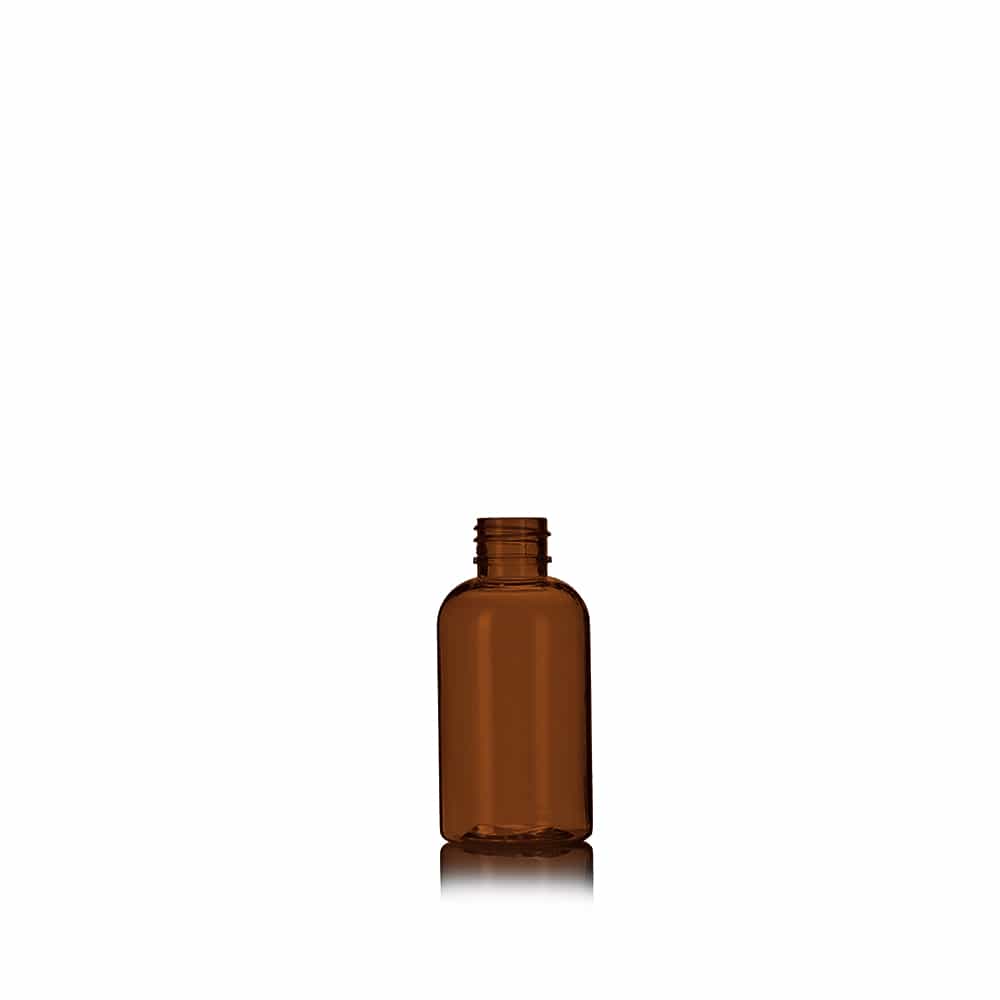
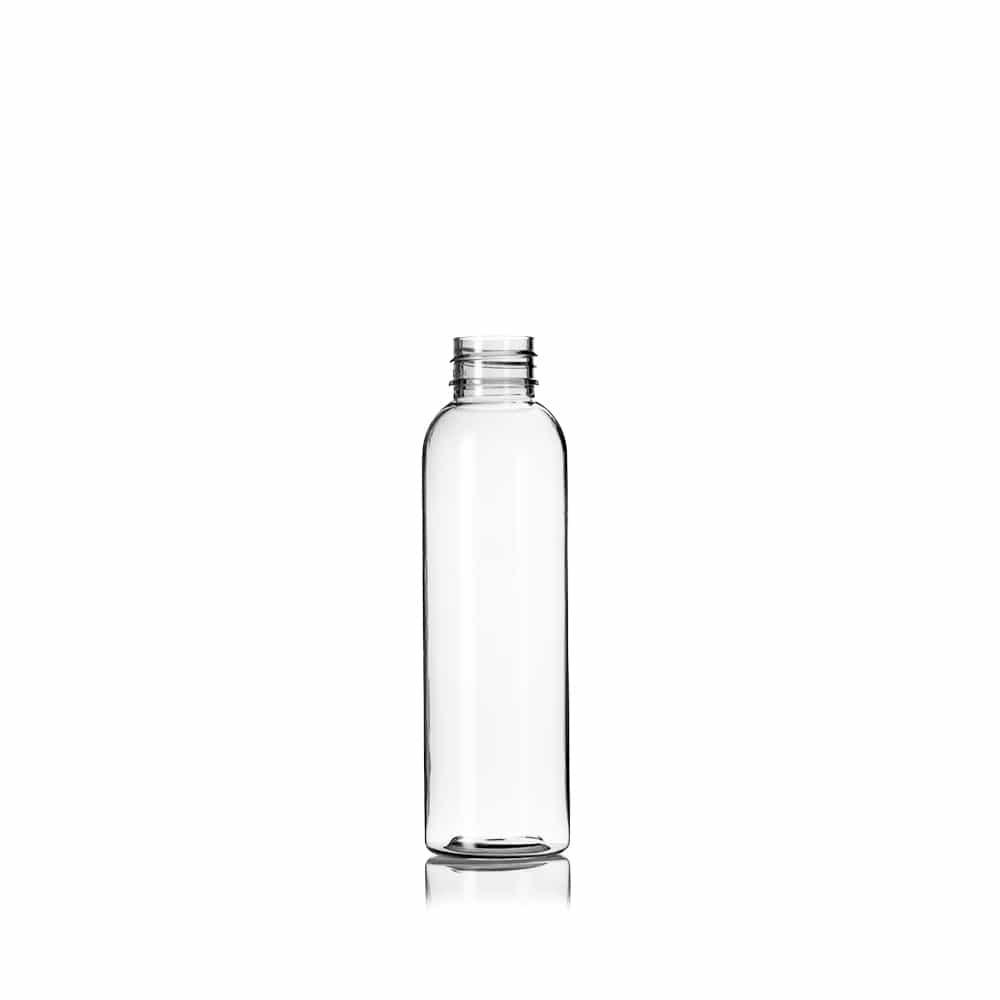
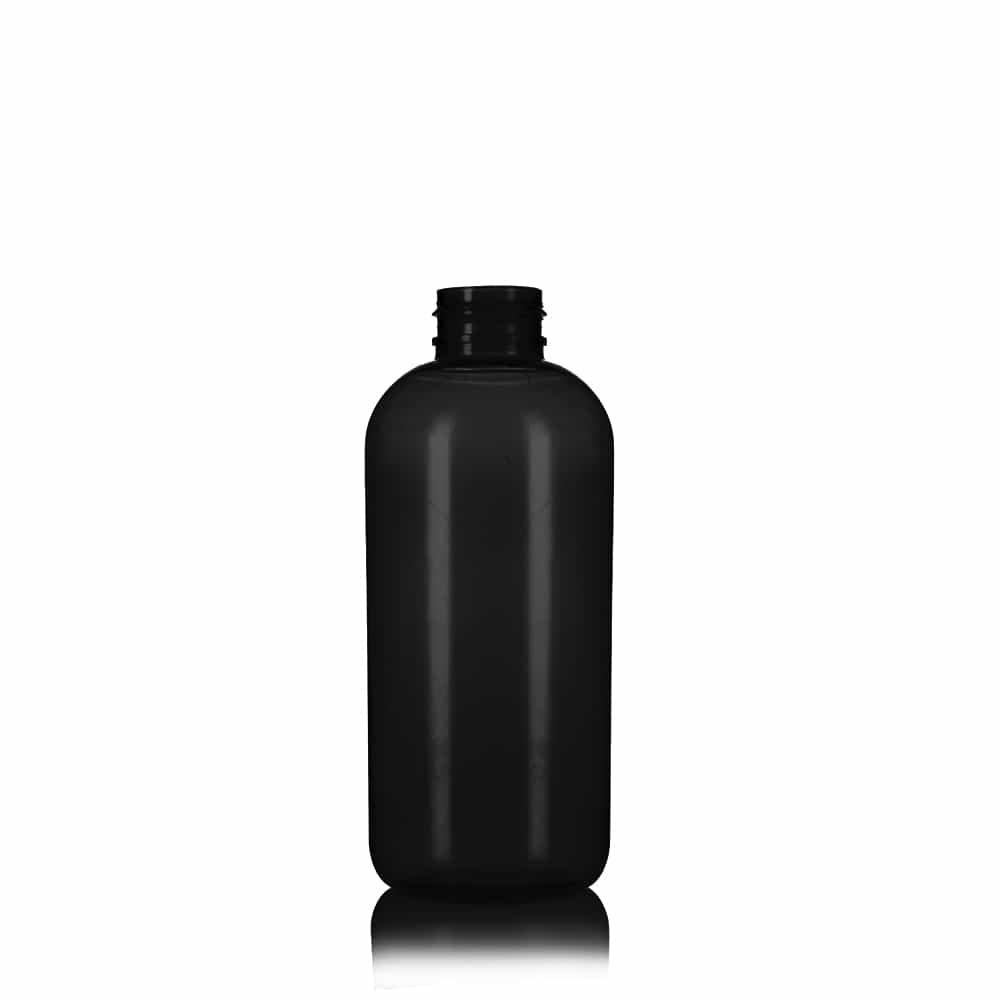
Browse our PCR shampoo bottles and lotion bottles to see real color examples across different resin types.
Mistake #2: Are You Ordering PCR Without Asking for Certification Documentation?
Without third-party verification, you are trusting a supplier's word that your bottles actually contain recycled content. That trust is misplaced more often than you would think. We have heard from brands who paid a PCR premium only to discover later that their "recycled" bottles were virgin plastic with a sustainability story stapled on top. Some suppliers claim PCR but deliver virgin resin or low-percentage blends that do not meet the recycled content thresholds they quoted.
Three certifications matter here: the Global Recycled Standard (GRS) from Textile Exchange, SCS Recycled Content Certification from SCS Global Services, and ISCC PLUS from the International Sustainability and Carbon Certification system. Each one involves independent auditing of the supply chain from feedstock to finished product.
GRS is the most common in packaging. When you buy from a GRS-certified supplier, you should receive a transaction certificate (TC) for each order that documents the recycled content percentage. SCS certification works similarly, assigning a certification number you can verify on their public database. ISCC PLUS uses a mass balance approach that tracks recycled content through complex supply chains.
Here is what we would do: ask for a valid GRS transaction certificate or SCS certification number before you commit to volume. Not after. Not "we can send that later." Before. If a supplier cannot produce current documentation, that is your answer. Walk away.
We are GRS certified. We provide transaction certificates. We think that should be the baseline, not the exception. If you want a deeper dive into what each certification means and how to verify it, we wrote a complete guide to verifying recycled content claims.
Some large distributors like Container & Packaging Supply carry enormous catalogs, but catalog breadth and recycled content verification are two different things. Make sure you are getting documentation, not just a product listing that says "eco-friendly."
If you are evaluating PCR suppliers right now, ask us for our GRS certification and a sample with documentation. We will send both.
 GRS certification tag on a clear recycled plastic bottle
Mistake #3: Are You Buying Based on Per-Unit Price Without Calculating Total Landed Cost?
The cheapest bottle on a quote sheet is almost never the cheapest bottle in your supply chain. Per-unit pricing is one line in a much longer equation, and brands that optimize for that single number end up overspending everywhere else. We see this constantly, and the math is not complicated once you lay it all out.
Start with MOQ requirements. Most PCR suppliers require minimum orders of 5,000 to 10,000 units. If you are a growing brand doing 500 units per month, that means you are tying up cash in six to twelve months of inventory. Capital sitting in a warehouse is capital you cannot spend on marketing, product development, or payroll. The "savings" from a lower per-unit price evaporate when you factor in the carrying cost of inventory you will not touch for half a year.
Then there is closure compatibility. Buying your bottle from one supplier and your pump or disc cap from another sounds fine until you get a neck finish mismatch. A 24-410 neck from Supplier A should fit a 24-410 closure from Supplier B. In theory. In practice, tolerances vary between manufacturers, and a pump that wobbles or a cap that does not seal properly means you are eating the cost of unusable inventory. Getting your bottle and closure from the same supplier eliminates this risk entirely.
Finally, shipping. If you are a California brand and your bottles are shipping from New Jersey, you are paying for a cross-country pallet shipment that adds $200 to $400 to your order. We ship from Ontario, California. For West Coast brands, that alone can offset any per-unit price difference you found elsewhere.
Here is how we would calculate it: add per-unit cost, plus shipping per unit, plus closure (from the same or different supplier), plus the opportunity cost of capital locked in excess MOQ inventory. That is your real number. We break this down further in our cost-per-unit guide for indie brands.
We sell PCR bottles at virgin plastic pricing with no MOQ. That means you buy what you need, when you need it, with closures that we have already tested for fit. The per-unit price on our quote might not always be the lowest number you see. But when you calculate total landed cost, the math tends to work out.
Compare the real numbers yourself. Browse our body wash bottles or essential oil bottles with pricing that includes closure compatibility.
 Stacked clear plastic bottles with shipping box representing packaging procurement costs
Mistake #4: Are You Ignoring SB 54 Timelines and Scrambling to Switch Later?
California's SB 54, enforced by CalRecycle, mandates escalating recycled content requirements for plastic packaging through 2032. The deadlines are not suggestions. They are law, and the penalties for non-compliance are real. Brands that wait until the last possible moment to switch to PCR are the ones paying rush premiums, accepting limited inventory selection, and scrambling to qualify new packaging under pressure.
Here is what happens when everyone waits: demand for PCR spikes right before compliance deadlines. Resin suppliers raise prices because they can. Bottle manufacturers prioritize their largest accounts. And smaller brands, the ones who delayed because they were "waiting to see how things shake out," get pushed to the back of the line. We saw a version of this play out with California's earlier recycled content mandates, and SB 54 will be the same dynamic at a larger scale.
The fix is straightforward. Start now, while selection is good and suppliers have capacity. First movers get better pricing because they are buying before demand-driven price increases. They get first pick of inventory, meaning more options in bottle styles, sizes, and resin types. And they have time to test properly instead of rushing a new bottle into production because a compliance deadline is eight weeks away.
If you are not sure where your brand stands relative to SB 54 requirements, we built a tool for that. Use our SB 54 checker to see your current compliance status and upcoming deadlines. It takes about two minutes.
We will say this plainly: if you sell any packaged product in California, the switch to PCR is not optional. It is a question of when, and "when" determines how much you pay and how much choice you have. Switching suppliers is probably less painful than you think, especially if you do it on your timeline instead of a regulator's.
Check your SB 54 compliance status and see exactly which deadlines apply to your product category.
Mistake #5: Are You Committing to Volume Without Testing with a Small Order First?
Never commit to 5,000 or more units of a new PCR bottle without running a real-world test first. We cannot say this strongly enough. The bottle that looks great on a spec sheet or website photo might not work with your specific formula, your specific closure, or your specific label application process. You will not know until you physically hold it, fill it, seal it, and look at it on a shelf.
Here is what a proper test looks like. Order a small quantity, ideally 200 units. Fill them with your actual product, not water, not a similar formula, your actual product. Seal them with the closure you plan to use. Apply your labels. Then wait. Check for leaking after 24 hours. Check for label adhesion after a week. Check for any interaction between your formula and the plastic after 30 days. Some ingredients, particularly essential oils and certain surfactants, can cause stress cracking or clouding in specific resin types.
Put a filled, labeled unit next to your competitor's product. Look at it honestly. Does the color variance bother you? Does the label sit right? Does the bottle feel right in your hand? These are questions you cannot answer from a product listing.
The industry standard minimum order of 5,000 to 10,000 units makes proper testing expensive. If a test goes wrong at 5,000 units, you are looking at $1,500 to $2,500 in wasted inventory, plus the time cost of starting over. This is exactly why we sell 200-unit minimums. A 200-unit test order costs $50 to $100. That is a rounding error compared to the cost of discovering a compatibility issue at production scale.
We would rather you buy 200 bottles from us, test them thoroughly, and come back for 2,000 when you are confident. That is better for you and better for us. Returns and complaints are expensive for everyone.
See our 200-unit test order options and start with a quantity that lets you validate before you commit.
 Small batch of clear recycled plastic bottles in a sample tray for product testing
The Common Thread
Every one of these mistakes comes from the same place: applying virgin plastic procurement habits to a recycled material that plays by slightly different rules. PCR is not worse than virgin plastic. It is different. The brands that do well with it are the ones who respect those differences, test before they commit, verify before they trust, and calculate the full cost instead of just the unit price.
If you are early in your PCR sourcing process, take your time. Ask hard questions. Run small tests. Get documentation in writing. The brands that do this end up with better packaging, lower total costs, and compliance headroom instead of compliance panic.
And if you are already mid-process and something in this article sounded uncomfortably familiar, it is not too late to course-correct.
Frequently asked questions
What certifications should I look for when buying PCR bottles?+
Look for GRS (Global Recycled Standard), SCS Recycled Content Certification, or ISCC PLUS. GRS is the most widely used in packaging and requires a transaction certificate (TC) for each order. SCS provides a verifiable certification number. ISCC PLUS uses mass balance chain-of-custody tracking. Any reputable PCR supplier should be able to provide at least one of these. We wrote a full breakdown of each certification here.
How much color variation is normal in PCR bottles?+
Some color variation is inherent to post-consumer recycled plastic. The industry standard measurement is Delta E (ΔE), which quantifies the perceptible difference between two color samples. A ΔE below 2.5 is considered acceptable for standard consumer packaging, meaning most people will not notice the difference. For prestige or luxury packaging, aim for ΔE below 1.5. Learn more about Delta E and how it affects your bottle orders.
What is the minimum order for PCR bottles?+
The industry average minimum order quantity for PCR bottles is 5,000 to 10,000 units. At Propacks, our minimum is 200 units. We do this intentionally so brands can test before committing to volume, which reduces waste and procurement risk for everyone involved. Here is why we sell 200 bottles when nobody else will.
Does PCR cost more than virgin plastic?+
The industry average premium for PCR over virgin plastic is 5% to 15%, depending on resin type, recycled content percentage, and order volume. At Propacks, we price our PCR bottles at the same level as virgin plastic equivalents. We believe the sustainability premium should not be a barrier to adoption, especially when compliance requirements like SB 54 are making recycled content mandatory. See our full cost-per-unit breakdown.
How do I know if my product is compatible with PCR packaging?+
The most reliable method is a test order with your actual product. PCR bottles use the same resin codes as virgin plastic (PET, HDPE, PP), so chemical compatibility is generally equivalent. However, minor differences in molecular structure can affect performance with certain formulations, particularly those containing essential oils, high-alcohol solutions, or aggressive surfactants. Order 200 units, fill them, seal them, and monitor for 30 days. Check for leaking, stress cracking, clouding, or label adhesion issues. Compare PET and HDPE to determine which resin is right for your product.

Written by
Queenie FongQueenie Fong is the founder of Propack Solutions, a woman-owned sustainable packaging company based in Ontario, CA. With nearly a decade of experience in the packaging industry, she specializes in post-consumer recycled (PCR) materials, helping brands source rPET, PCR HDPE, and PCR PP packaging that meets regulatory requirements and sustainability goals.